For over 2,000 years nobody could work out where eels come from, until scientists traced them to one weed-choked patch of the Atlantic called the Sargasso Sea
People have eaten eels since antiquity, yet for most of that time no one had ever found an eel egg, or a baby eel, or an eel that was visibly male or female. The animal seemed to appear from nowhere. The answer, it turned out, was hiding in the Sargasso Sea.
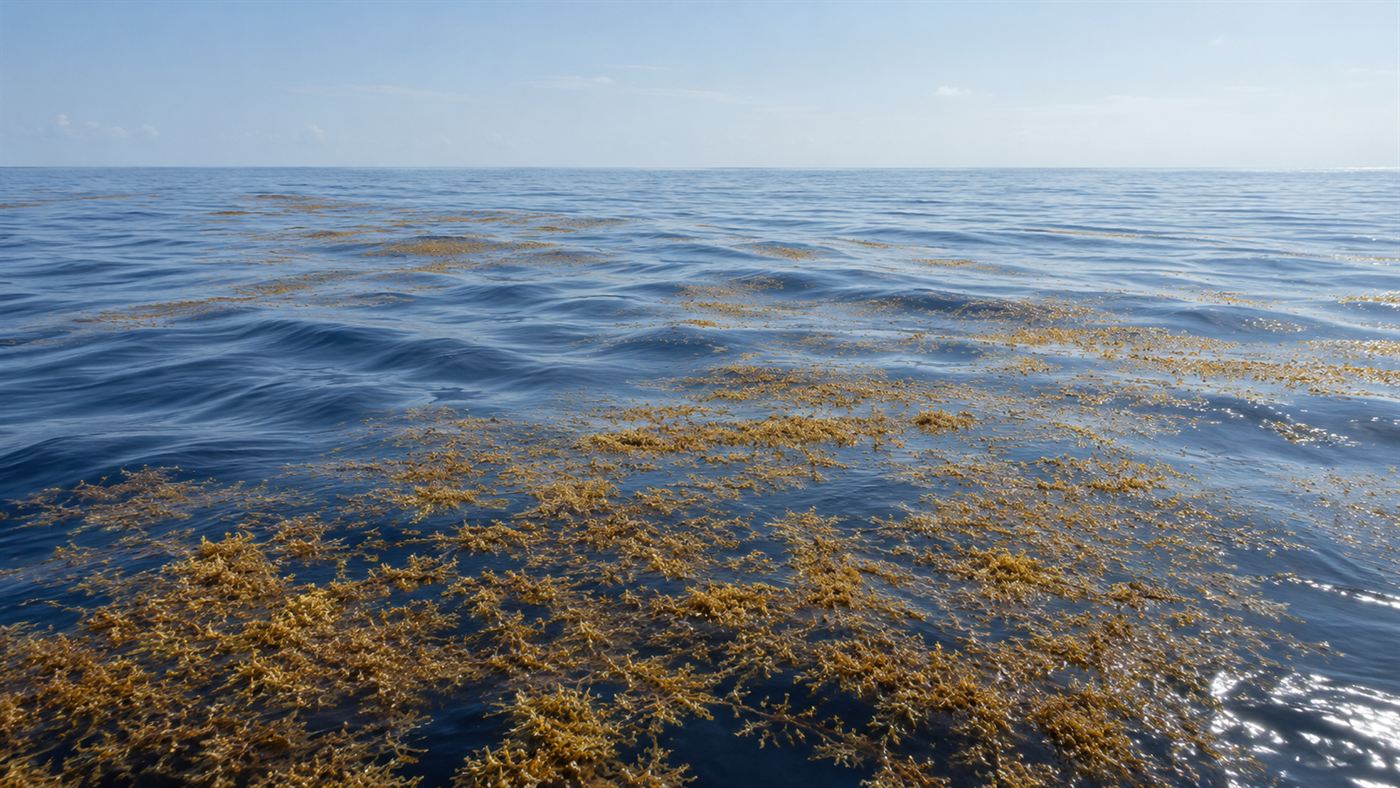
The Sargasso Sea, a sea with no shores, is where every European eel is thought to be born. Illustration: Watts & Wild.
The Sargasso Sea is a strange place to begin with. It is the only sea on Earth defined not by coastlines but by ocean currents, a slow, warm gyre in the middle of the Atlantic carpeted with rafts of floating golden seaweed. And somewhere in that drifting weed lies the answer to one of the oldest riddles in all of biology: where do eels come from?
As Smithsonian magazine has chronicled, the search for the origin of eels obsessed thinkers from Aristotle to Freud. For more than two thousand years the humble eel refused to give up its secret, and even now, a full century after we finally found its nursery, it is still keeping part of the mystery to itself.
The short version: Nobody could explain how eels reproduced, because they never spawn in the rivers where we see them. In the 1920s, Danish scientist Johannes Schmidt traced the tiniest eel larvae to the Sargasso Sea, concluding that all European eels are born there and swim thousands of kilometres to Europe. Yet no one has ever seen an eel spawn, or found an adult, in that sea.
The fish that came from nowhere
The problem was simple and maddening. People caught eels in rivers, lakes and ponds all over Europe, but no matter how many they cut open, they never found eggs or obvious reproductive organs, and no one ever saw a young eel hatch. An animal that was everywhere seemed to have no beginning.
Faced with that blank, ancient thinkers reached for magic. Aristotle, studying them carefully, concluded that eels simply arose from the mud, born spontaneously from the earth and rain without parents at all. It sounds absurd now, but given the evidence in front of him, it was almost reasonable. For centuries afterward, the European eel stayed exactly that mysterious, a creature that apparently generated itself.
The young Freud and his eels
The mystery snared some famous minds. In 1876, a nineteen-year-old medical student was sent to a research station in Trieste with a very specific task: find the testes of the eel and settle, once and for all, how the males worked. That student was Sigmund Freud, long before he ever thought about the human mind.
Freud dissected hundreds of eels, hunched over them for weeks, searching for the male organs that science had never managed to locate. He found nothing he could be sure of and left the problem unsolved, frustrated. It is a strange footnote to history that the father of psychoanalysis began his career defeated by a fish, unable to answer where its next generation came from.
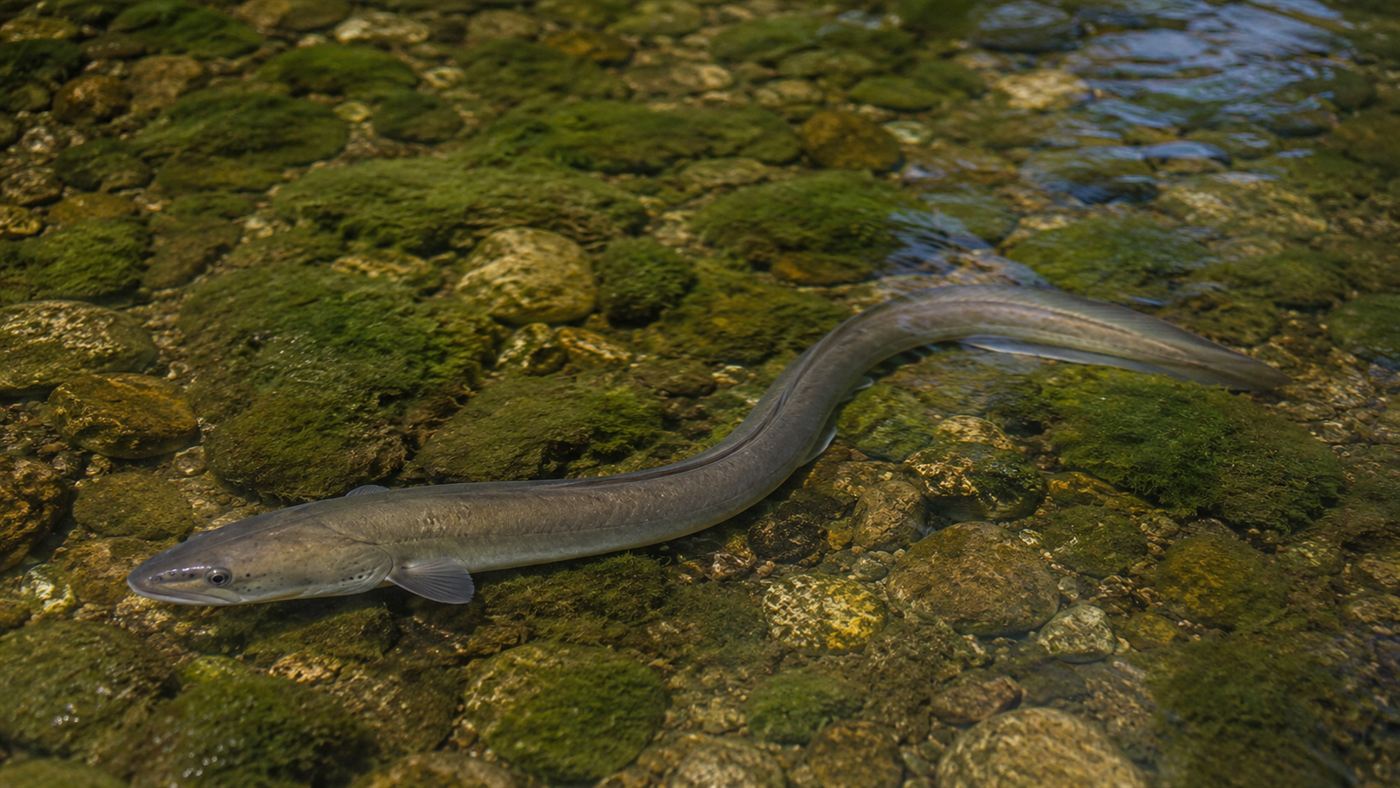
Following the babies home to the Sargasso Sea
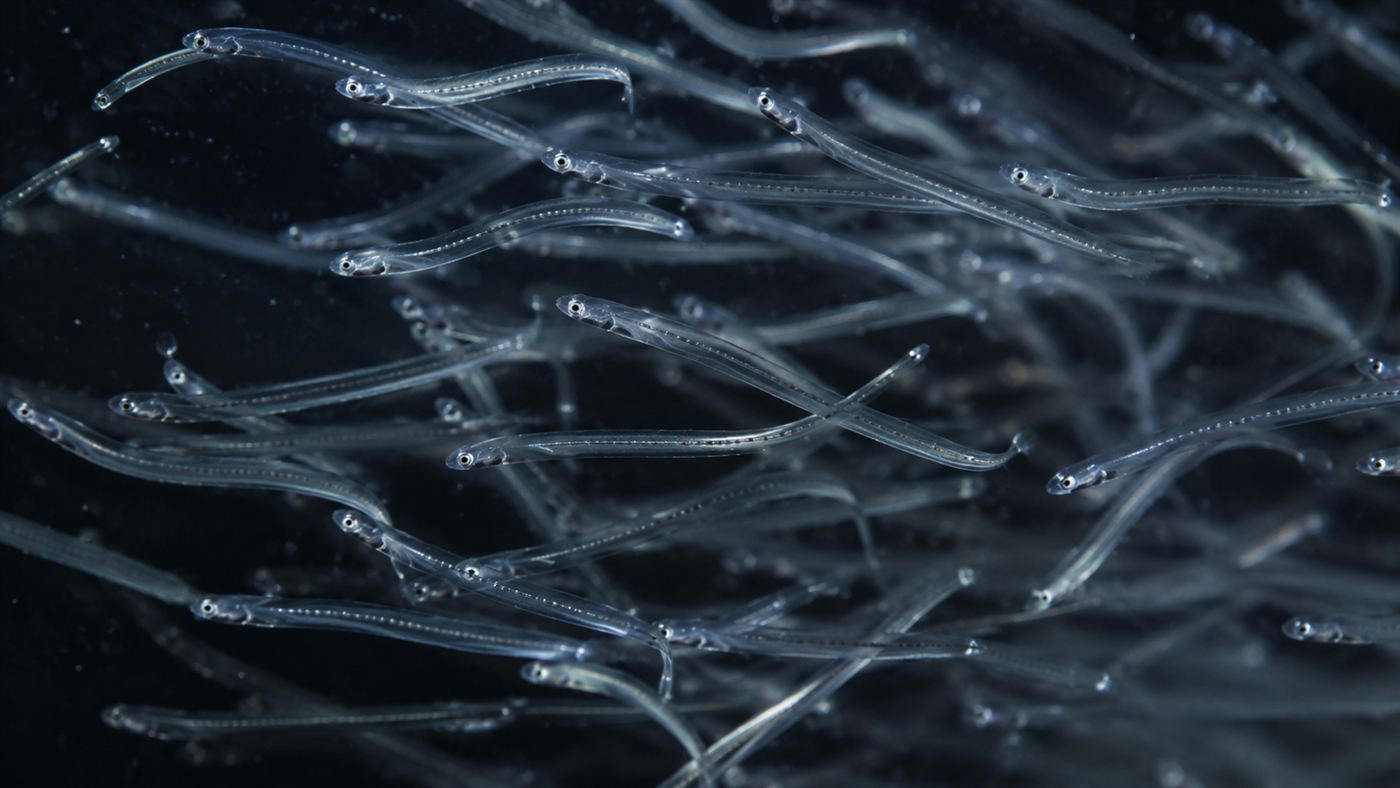
The breakthrough came from patience on an epic scale. In the early 1900s, the Danish biologist Johannes Schmidt began hauling fine nets across the Atlantic, catching the tiny, transparent, leaf-shaped larvae that eels start life as. His clever idea was to map where the larvae were, and how big they were, reasoning that the smallest, youngest ones must be closest to the birthplace.
For nearly two decades he crisscrossed the ocean, and the pattern slowly emerged: the larvae got smaller and smaller as he sailed toward one particular region of the western Atlantic, the Sargasso Sea. By the 1920s, Schmidt announced his conclusion. Every European eel, he said, is born in that single weed-strewn sea, and from there begins an astonishing journey. The fish that came from nowhere finally had a cradle.
A journey of thousands of miles
What that cradle implied was almost harder to believe than Aristotle's mud. The larvae hatched in the Sargasso drift for one to three years on the ocean currents, riding the Gulf Stream all the way to the coasts of Europe. There they turn into transparent young called glass eels, wriggle up rivers, and settle into freshwater to grow, sometimes for decades.
Then, one day, something calls them back. The grown eels transform again, their bodies changing for the open ocean, and they set off to swim thousands of kilometres back across the Atlantic to the exact sea where they were born. The eel migration is one of the great journeys in nature, a round trip of many thousands of miles that ends where it started, in the Sargasso, where the eels spawn once and die.
The mystery that still is not solved
Here is the astonishing part. A hundred years after Schmidt, with all our ships, submarines, satellites and cameras, no human being has ever actually seen it happen. Scientists regularly scoop up week-old eel larvae in the Sargasso, proof that eels are being born there, but no one has ever found an adult eel in that sea, or an eel egg, or watched a single eel spawn.
As researchers reported in Scientific Reports, only in 2022 did satellite tags finally provide the first direct evidence of adult eels actually reaching the Sargasso Sea. It confirmed that the grown eels really do make the journey. But even that study did not catch them in the act. The final, intimate moment of the eel's life remains something we have inferred but never witnessed.
The honest catch
It is tempting to call this a solved mystery, and that is only half true. Schmidt found the nursery, and modern tracking has followed adults most of the way home, but the core of it, the spawning itself, is still a blank we fill in with reasoning rather than observation. In an age that films almost everything, the eel has kept its wedding entirely private.
There is a sadder catch too. Just as we close in on the answer, we are losing the animal. The European eel is now critically endangered, its numbers down by a shocking margin because of dams blocking the rivers, overfishing of the young, pollution and shifting currents. It would be a bitter kind of ending if we finally learned to watch the eel spawn only after it had become too rare to spawn at all. The oldest fish mystery may yet outlive the fish.
The eel spent two thousand years hiding where it comes from, and in a way it still is. Is it thrilling that a common fish can keep such a secret in the age of satellites, or unsettling that we may lose the European eel before we ever watch it spawn? Tell us what you think in the comments.
Related reading: The electric eel, which is not really an eel, and can deliver an 860-volt shock, or how migratory birds may navigate by seeing the Earth's magnetic field, or the Antarctic icefish, the only vertebrate with clear, hemoglobin-free blood.
More from Watts & Wild
More in Energy & the Wild →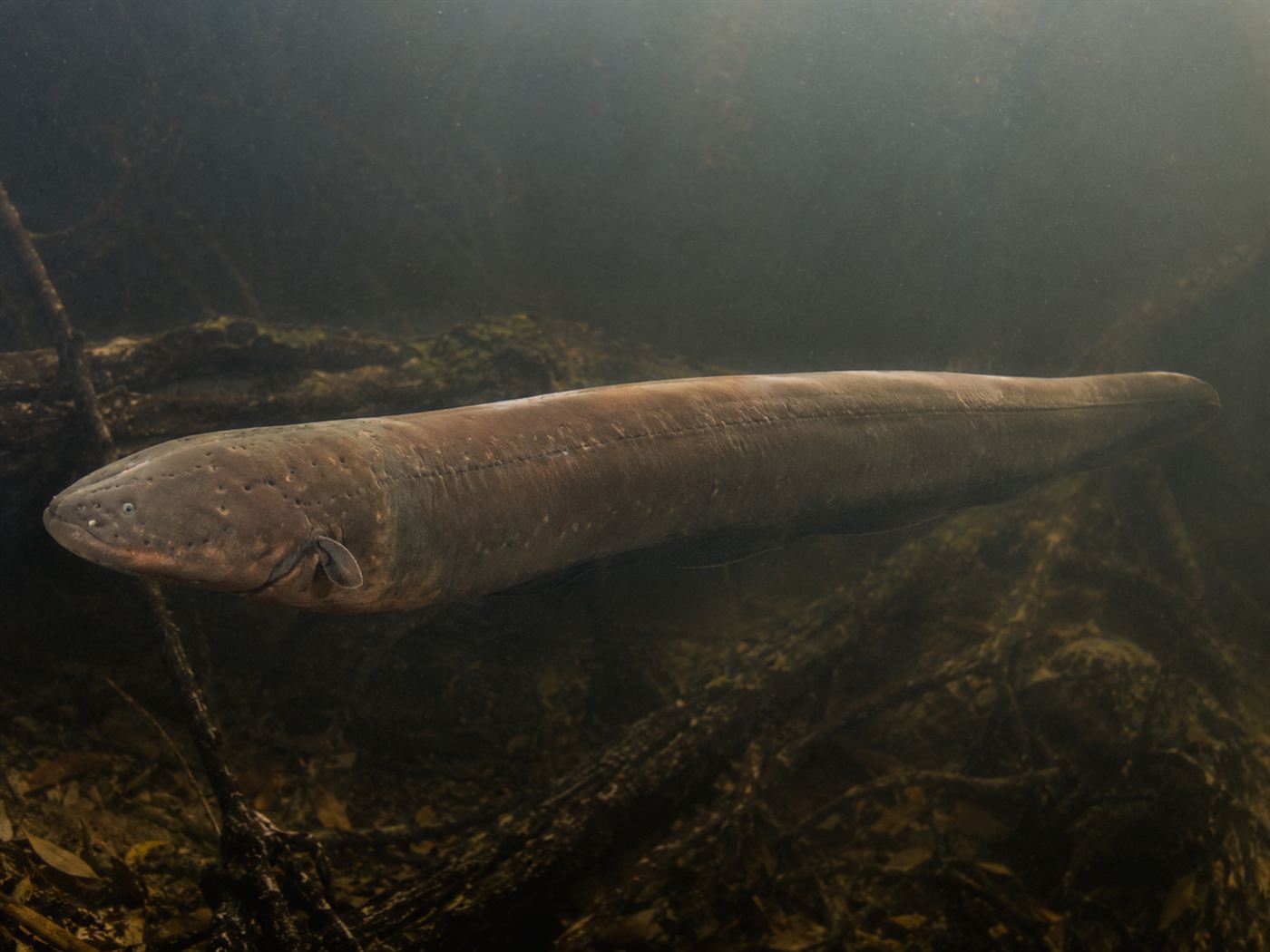


Maria writes about wildlife, ecology, and the strange places where nature and human history collide. She is based in Brazil.