The Judean date palm had been extinct for centuries, until scientists coaxed a single 2,000-year-old seed from an ancient desert fortress back into a living, fruit-bearing tree
Seeds are patient, but there are limits. Two thousand years is not supposed to be survivable. And yet a date pit that had lain in a jar since the time of the Roman Empire sprouted, grew, and brought the lost Judean date palm back from the dead.
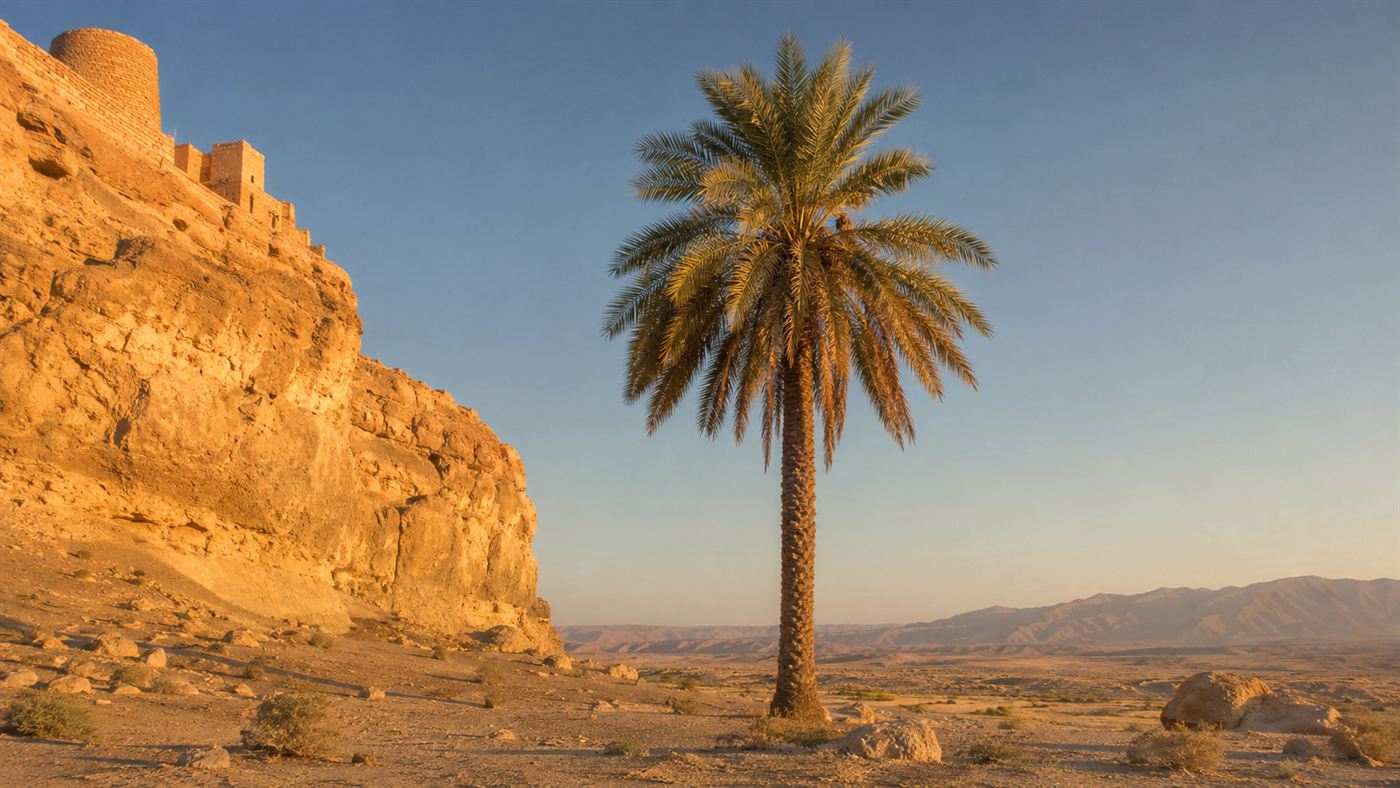
A revived Judean date palm, a species that had been extinct for well over a thousand years. Illustration: Watts & Wild.
Most stories of extinction end one way, with a species gone and no way back. The Judean date palm is one of the rare exceptions, and its comeback reads more like a fable than a science paper. It begins in an ancient fortress in the desert, with a handful of ordinary-looking seeds that no one expected to do anything at all.
As National Geographic reported, a date seed roughly two thousand years old was germinated into a living tree nicknamed Methuselah, after the biblical figure said to have lived nearly a thousand years. It should not have been possible. That it worked has given botanists a rare second chance at a plant the world thought it had lost forever.
The short version: The Judean date palm was a prized ancient tree that died out well over a thousand years ago. In 2005, researchers Sarah Sallon and Elaine Solowey germinated a 2,000-year-old date seed recovered from the Masada fortress, growing a male tree named Methuselah. With more revived seeds, the once-extinct lineage has since flowered and even produced fruit again.
A seed that waited two thousand years
The seeds came from Masada, the mountaintop fortress overlooking the Dead Sea where, in the first century, Jewish rebels made a famous last stand against Rome. During excavations in the 1960s, archaeologists found old date seeds among the ruins, and they sat in storage for decades before anyone thought to test whether they might still be alive.
When researchers finally radiocarbon-dated them, the results were astonishing: the seeds were roughly two thousand years old, from somewhere between 155 BC and 64 AD. What let them survive was the desert itself. The extreme, unbroken dryness around the Dead Sea had preserved the seeds like a natural time capsule, keeping just enough life locked inside for an almost unimaginable span of time.
The palm that fed and healed an empire
It mattered so much because of what this tree once was. The date palms of ancient Judea were legendary across the classical world, celebrated by Roman writers for the size and sweetness of their fruit and valued as medicine as much as food. Great groves of them grew around Jericho and the Dead Sea, and the tree became a symbol of the region, stamped onto coins.
Then it faded. Through centuries of conquest, upheaval and changing agriculture, the specific ancient Judean variety died out, its groves gone by roughly a thousand and a half years ago. The famous dates of antiquity became a thing you could only read about, an extinct plant known from old texts and not from any living tree. Its precise flavor was simply lost.
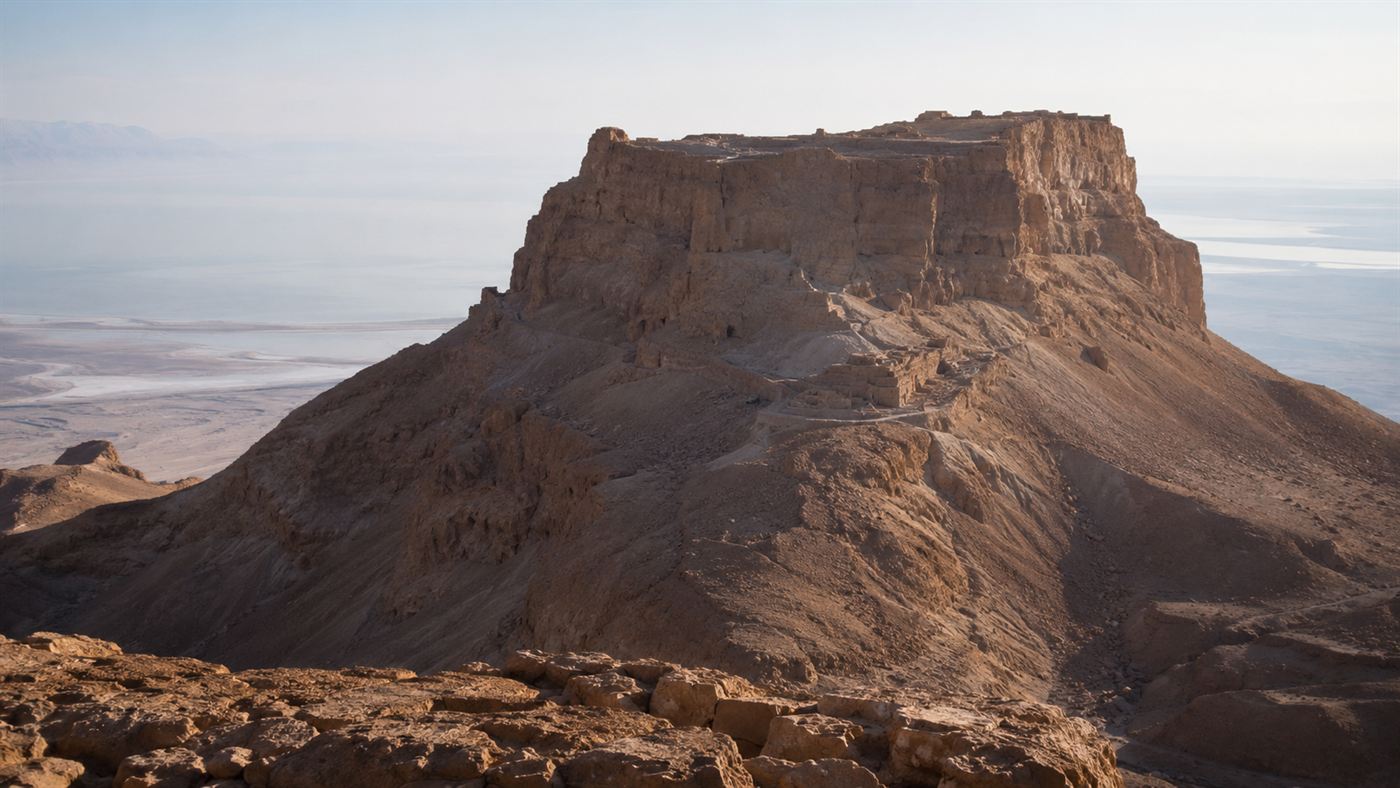
Bringing the Judean date palm back to life
The revival began with a hunch and a friendship. Dr. Sarah Sallon, a physician fascinated by ancient medicinal plants, wondered whether any of those old date seeds could still grow, and she turned to her friend Dr. Elaine Solowey, a botanist and expert in desert agriculture. Solowey agreed to try, though she expected nothing to happen.
In 2005 she planted one of the ancient seeds. About eight weeks later, to everyone's amazement, a small green shoot pushed up out of the soil. It was alive. The Judean date palm, silent for over a millennium, had sent up a single seedling, and they named it Methuselah. A tree that existed only in ancient writing was suddenly a living thing you could touch.
From one sprout to a small forest
Methuselah did not stay alone for long. Encouraged by that first success, Solowey went on to germinate more ancient date seeds gathered from archaeological sites around the Dead Sea, and one by one, several of them sprouted too. They were given names to match the first: Adam, Jonah, Uriel, Boaz, Judith and Hannah.
Slowly, a small grove of trees grown entirely from two-thousand-year-old seeds took root in the Israeli desert. It was, in effect, a tiny population of a species resurrected from the past, living plants carrying genetics that had last grown in Roman times. For a lineage that had been given up as gone, it was an extraordinary second act.
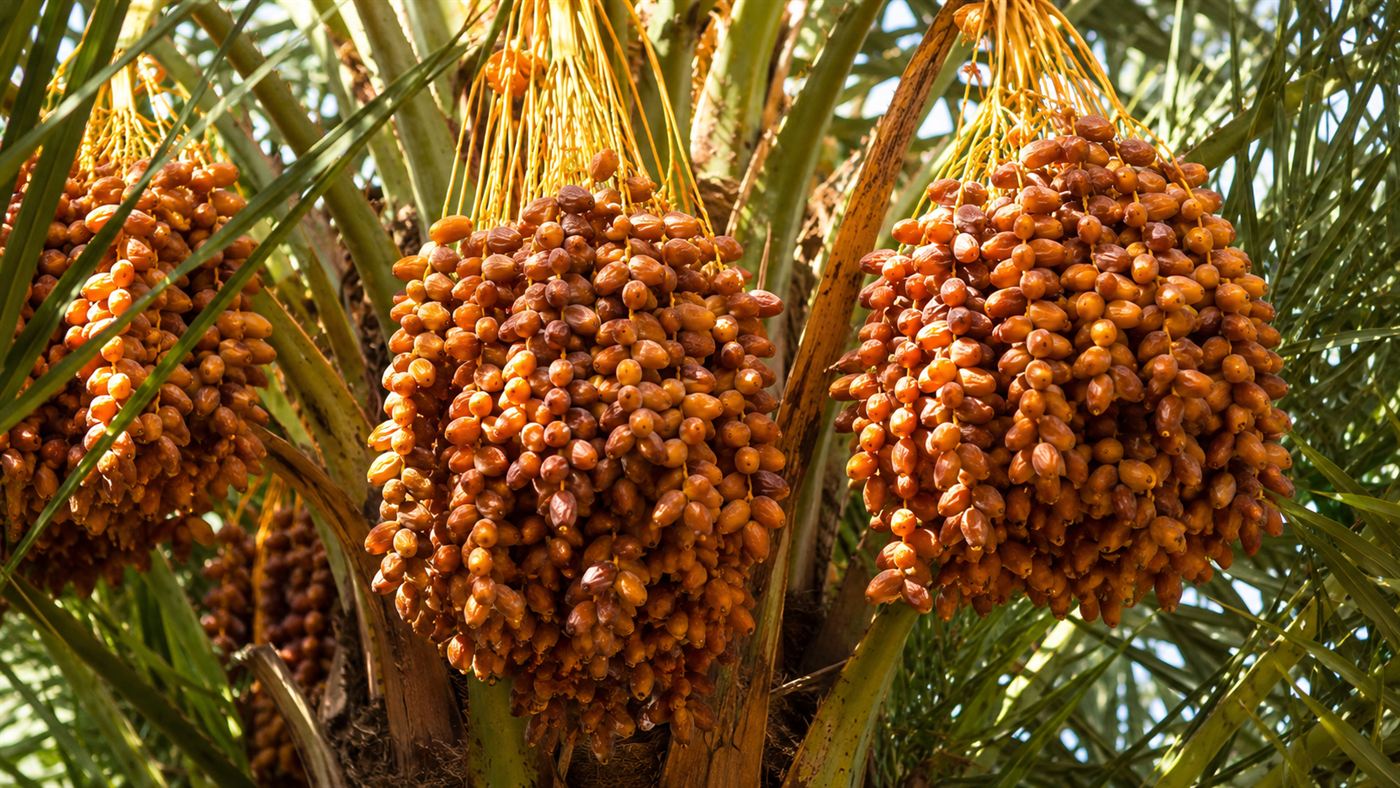
Ancient dates on the table again
The most poignant moment came when the trees grew up. Methuselah turned out to be male, producing pollen but no fruit. But once female trees like Hannah had matured, the researchers could do the obvious, wonderful thing: pollinate a female of an extinct variety with a male of the same, and see what grew.
As Smithsonian magazine reported, Hannah, pollinated by Methuselah, went on to produce dates, a first harvest of around 111 fruit and a later one of nearly 700. For the first time in over a thousand years, someone could pick and taste a Judean date, its flavor said to be closest to a variety called Zahidi. A fruit that had vanished from the world was back on the branch, and back on the tongue.
The honest catch
It is a beautiful story, and it deserves a few grains of caution. This is not the ancient grove restored in full, it is a small handful of individual trees grown from a few lucky seeds, a thin slice of the old genetic diversity rather than the whole living species. Calling it a resurrection is emotionally true but scientifically generous.
It also worked because of a rare combination: hardy date seeds and a desert dry enough to preserve them for millennia. Most extinct plants left no such time capsule, so this is not a method that can bring back the wider losses we are inflicting on the natural world today. Still, set against so much bad news about vanishing life, there is something genuinely moving here. A seed kept faith for two thousand years, and when we finally gave it soil and water, it grew.
A seed waited two thousand years in the desert, and then it grew. Does reviving a lost tree like the Judean date palm give you hope for what science can undo, or is it a rare miracle that distracts from the species we are losing right now? Tell us what you think in the comments.
Related reading: The oldest tree on Earth, and the graduate student who accidentally cut it down.
More from Watts & Wild
More in Energy & the Wild →

Maria writes about wildlife, ecology, and the strange places where nature and human history collide. She is based in Brazil.