A team sent to stop an old mine from leaking accidentally blew it open, and three million gallons of orange poison poured into a Western river
On an August morning in 2015, people along a Colorado river watched the clear mountain water turn the colour of mustard and then rust. It looked like something out of a nightmare, and the most unsettling part was who had caused it: not a careless mining company, but the people paid to prevent exactly this.
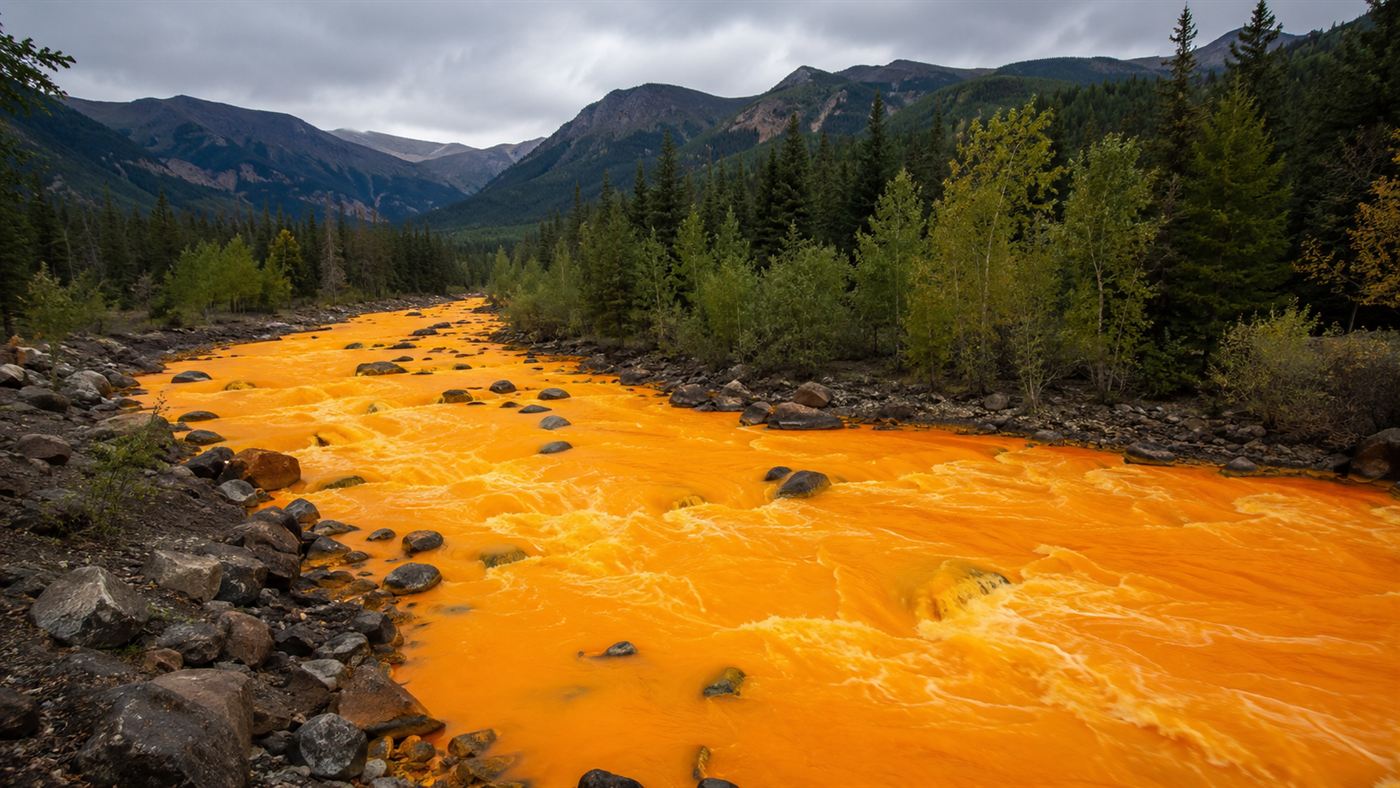
The Animas River ran a vivid orange for miles after the 2015 spill. Illustration: Watts & Wild.
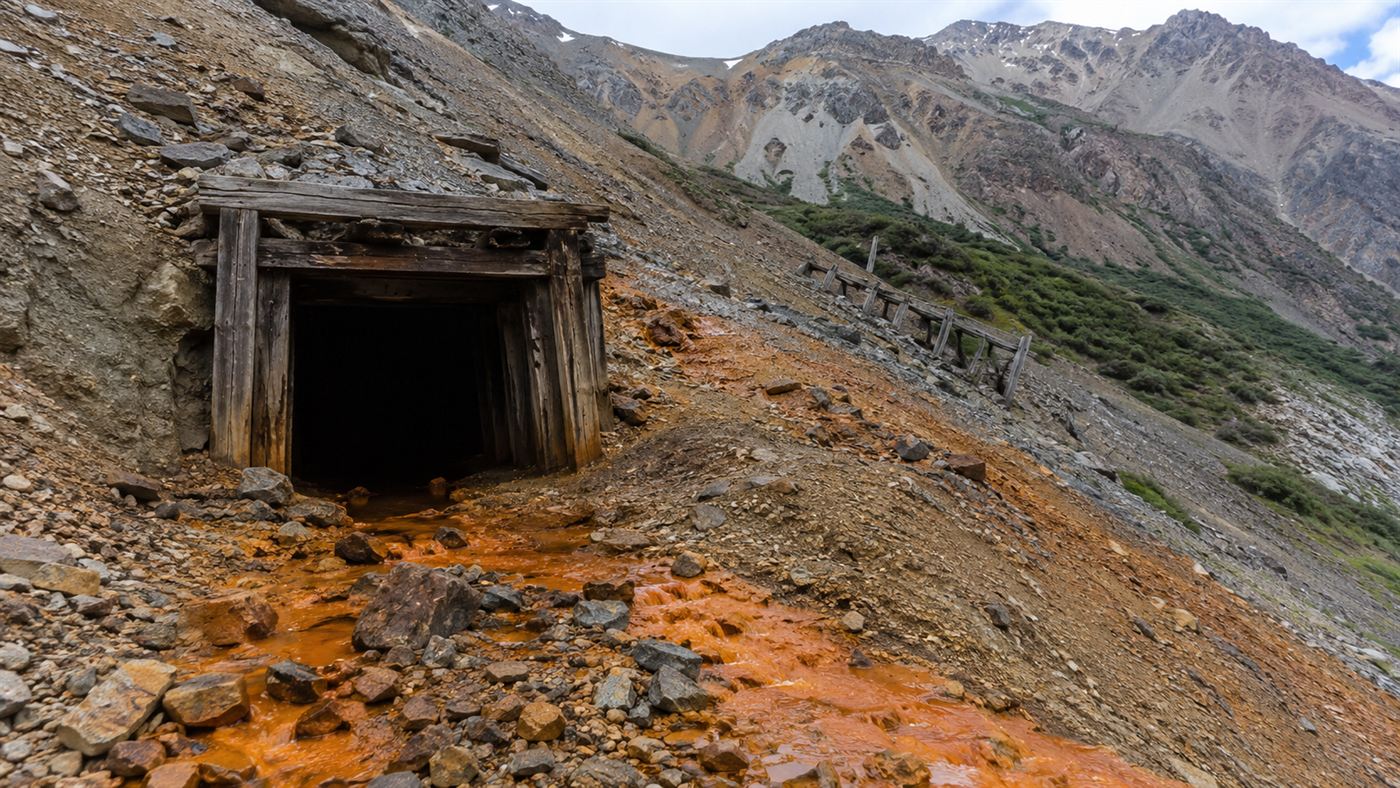
High in the mountains above Silverton, Colorado, sits the abandoned Gold King Mine, one of thousands of old workings left behind when the West's mining booms went bust. Long after the miners left, water kept seeping through the rock inside, turning acidic and loading itself with metals, and slowly pooling behind loose debris near the entrance.
In August 2015, a crew working under the Environmental Protection Agency went up to investigate that very problem, trying to understand the pressure building inside so it could be safely drained. Instead, while they were digging at the entrance, the plug gave way, and the mountain let go of everything it had been holding.
The short version is that a routine bit of caution went catastrophically wrong, and the EPA, an agency whose whole job is protecting the environment, ended up staining a beloved river orange in front of the entire country.
Why the Animas River turned orange
The flood that burst out was not ordinary muddy water. It was acid mine drainage, water that had turned sour inside the mountain and dissolved iron, aluminium, lead and other metals from the rock. About three million gallons of it surged out and down into Cement Creek and then the Animas River below.
The startling colour came from the iron. As that metal-rich water hit the open air and mixed with the river, the iron oxidised, essentially rusting, and stained the whole flow a vivid mustard orange. For a time the Animas River looked less like a river than a channel of paint, and the plume drifted downstream across state lines.
Why the Gold King Mine was always going to blow
What makes the story sadder is that the danger was no secret. The hills around Silverton are riddled with old mines, and many of them quietly leak acid mine drainage into the watershed every single day, a slow poisoning that long predated the spill. The Gold King was known to be filling up behind its debris, a loaded gun waiting for a trigger.
That is exactly why a crew was there. The tragedy is not that people meddled with a harmless hole in the ground, but that a genuine, building hazard was handled in a way that set it off all at once, converting a slow leak the region had lived with for decades into a sudden, spectacular disaster.
Who lives downstream
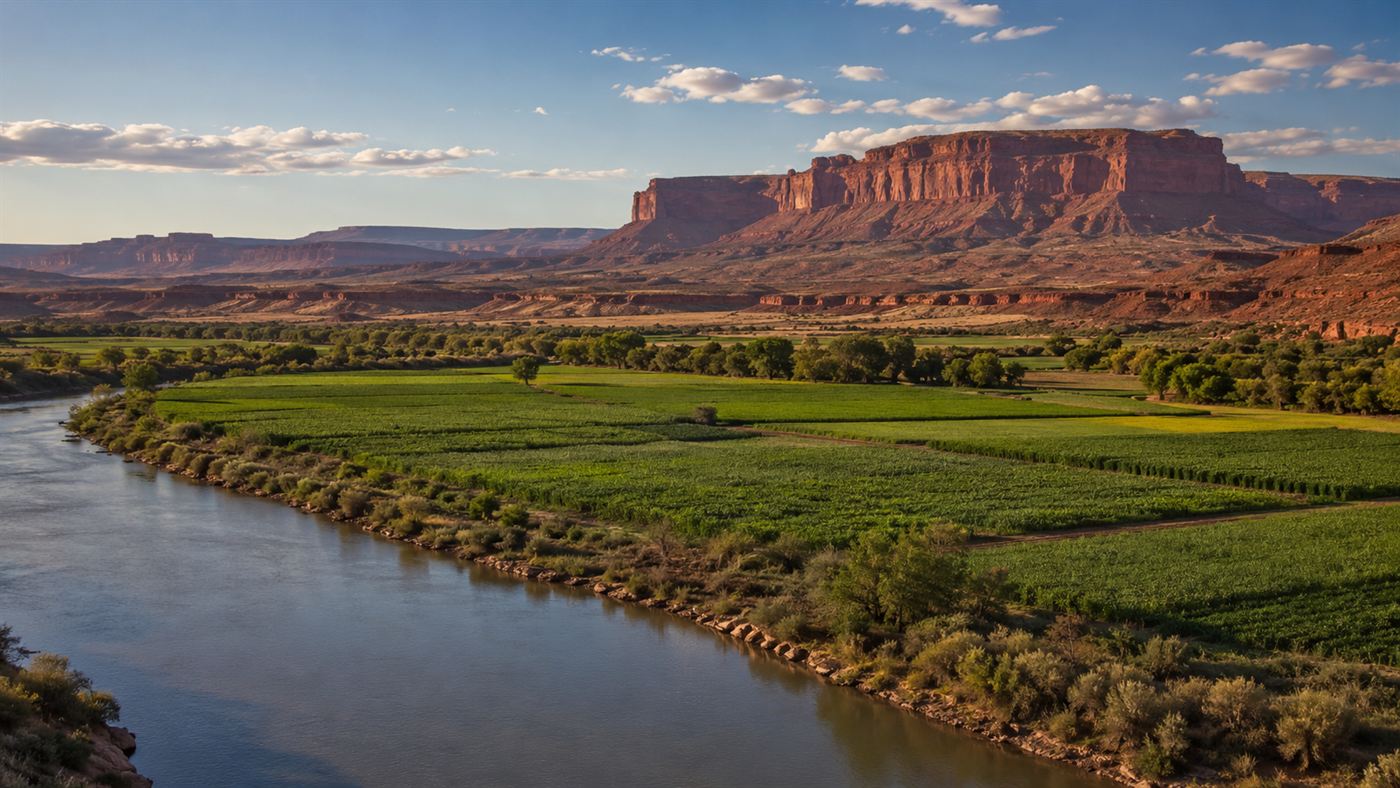
The orange plume did not stop at the pretty tourist stretches. It flowed on toward the farms and communities of the Animas and San Juan valleys, including the lands of the Navajo Nation, where families depend on the river to water crops and livestock. For them, the sight of the water turning colour was not a curiosity but a threat to their fields and their trust.
Irrigation gates were shut, drinking supplies were checked, and rafting and fishing on a river central to the local economy came to a halt. The visible orange faded within days as the worst of it washed through, but the fear about what had settled into the riverbed, and whether it was truly gone, lingered far longer.
How dangerous was it, really?
Here the picture gets genuinely complicated. The images were apocalyptic, and the metals involved are nasty, so it was natural to fear the river had been poisoned for a generation. Yet much of the visible metal settled or flushed through relatively quickly, and later testing suggested the river's chemistry returned close to its previous, already-impaired state within a fairly short time.
That is not the reassurance it sounds like. The river was not clean before and was not clean after, because those hundreds of old mines never stopped leaking. The spill was a sudden, dramatic dose on top of a chronic problem, and its biggest lasting harm may have been to trust rather than to fish.
The honest catch
It is tempting to turn this into a simple tale of government bungling, and the EPA did trigger the disaster and owned that fact. But the neat villain story hides the harder truth. The real, ongoing catastrophe is not the one orange afternoon; it is the tens of thousands of abandoned mines across the American West that drain poison into rivers quietly, every day, with no dramatic plume to make the news.
The Gold King Mine spill was frightening precisely because it was visible, a rare moment when a slow, invisible harm suddenly wore a colour everyone could see. The uncomfortable lesson is that the shocking orange river was not really the exception to how these mountains work, but a loud, embarrassing version of something that keeps happening in silence, long after everyone has looked away.
A river turned the colour of rust in a single afternoon, and the ones who did it were the ones sent to help. Does a disaster we can see deserve more attention than the quiet ones we cannot? Tell us what you think in the comments.
Related reading: the Church Rock spill, a bigger release the country barely remembers. See also the Kingston coal ash flood and the workers it harmed, and the Great Salt Lake drying into toxic dust.