A gust of wind turned one of the largest ships ever built sideways in the Suez Canal, and for six days the Ever Given jammed a tenth of world trade behind it
On the morning of March 23, 2021, a sandstorm pushed a ship the length of the Empire State Building sideways across a ditch in the Egyptian desert. The Ever Given was stuck, and behind it, hour by hour, the machinery of global trade ground to a halt.
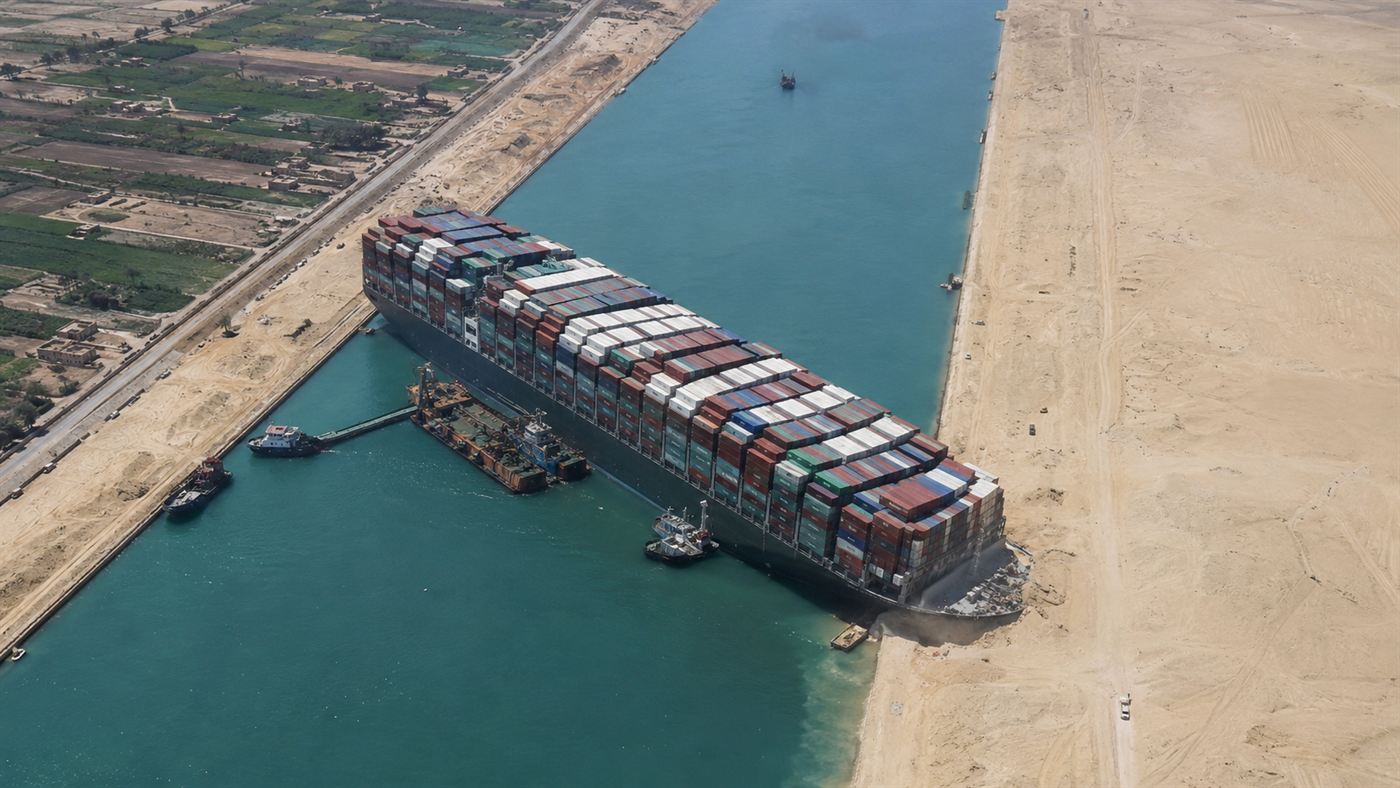
The Ever Given wedged bow-to-bank across the Suez Canal, blocking the waterway completely. Illustration: Watts & Wild.
The Ever Given is a monster of a ship, 400 meters long and weighing 224,000 tons, one of the biggest container vessels ever built, stacked with more than 18,000 steel boxes. As the record of the incident shows, on the morning of March 23, 2021, winds exceeding 40 knots caught that towering wall of containers like a sail as the ship entered a single-lane section of the Suez Canal. It lost steering, slewed sideways, and drove its bow into one bank and its stern into the other, plugging the canal like a cork.
The short version: On March 23, 2021, the 400-metre Ever Given was blown sideways in the Suez Canal and wedged across it, blocking one of the world's busiest waterways for six days. With about 12 percent of global trade routed through Suez, roughly $9.6 billion of goods a day were held up until a huge salvage effort, timed to a supermoon tide, floated the ship free on March 29.
A tenth of world trade, stuck behind one ship
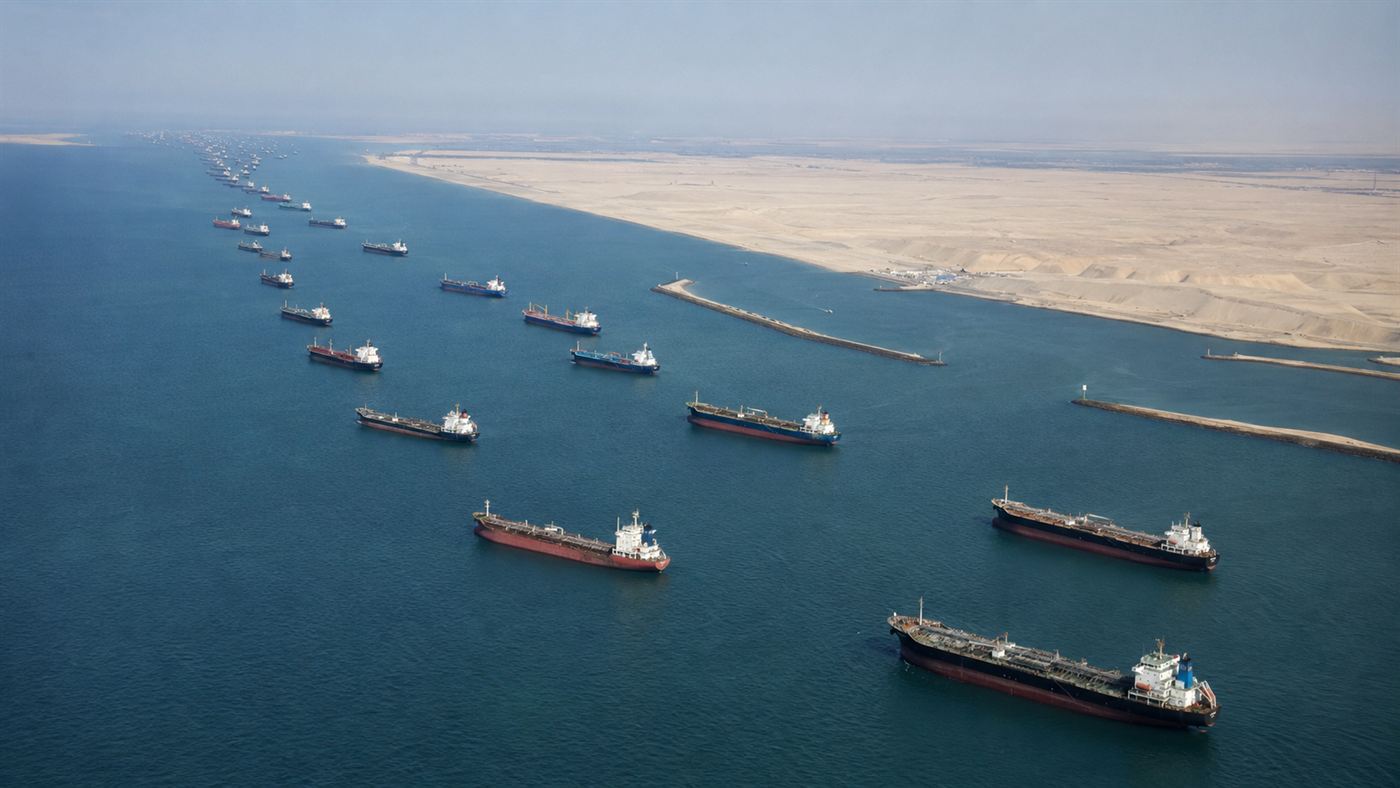
The reason a single grounded ship became a global emergency is the canal itself. The Suez is one of the planet's great chokepoints, a narrow shortcut between Europe and Asia that carries around 12 percent of all global trade and spares ships the long, expensive voyage around the bottom of Africa. Block it, and there is no easy detour. Within a day, a traffic jam of ships began piling up at both ends.
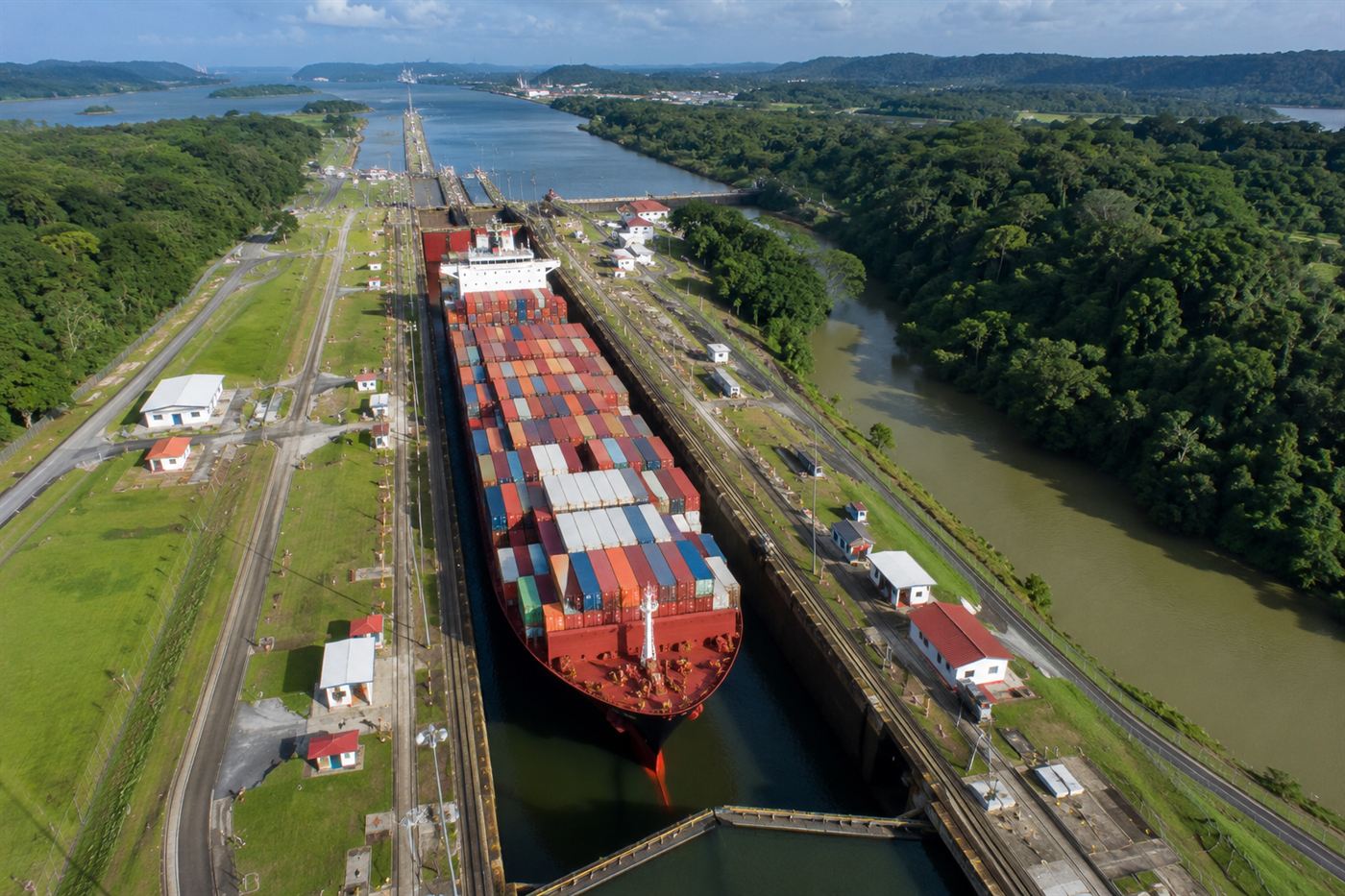
The numbers were staggering. More than 400 vessels ended up queued and waiting, and estimates put the value of trade held up at around $9.6 billion for every single day the canal stayed shut. Some ships gave up and turned for the global supply chain's emergency exit, the Cape of Good Hope around Africa, adding up to two weeks to their journeys. Egypt, for its part, was losing millions a day in canal fees. The world suddenly remembered how much of what it owns arrives by sea, and how few narrow doors it all passes through, the same fragility now haunting a drought-hit Panama Canal.
How do you move a 224,000-ton ship?
Freeing the Ever Given was a brute-force engineering problem with an unforgiving clock. The Suez Canal Authority brought in the Dutch salvage firm Boskalis and its Smit Salvage unit, whose chief executive Peter Berdowski described the effort bluntly afterward: we pulled it off. His teams dredged roughly 30,000 tonnes of sand and mud out from around the buried bow and stern, shifted water ballast inside the ship to change how it sat, and lined up more than a dozen tugboats to pull and shove.
The secret ingredient was the moon. The final effort was timed to coincide with the unusually high spring tide of a supermoon, which lifted the water in the canal by an extra margin and gave the tugs the buoyancy they needed. On March 29, six days after it grounded, the ship finally swung free and the canal reopened. The whole salvage operation had turned on the oldest force in navigation, the tide, harnessed at exactly the right moment.
The little digger that became a hero
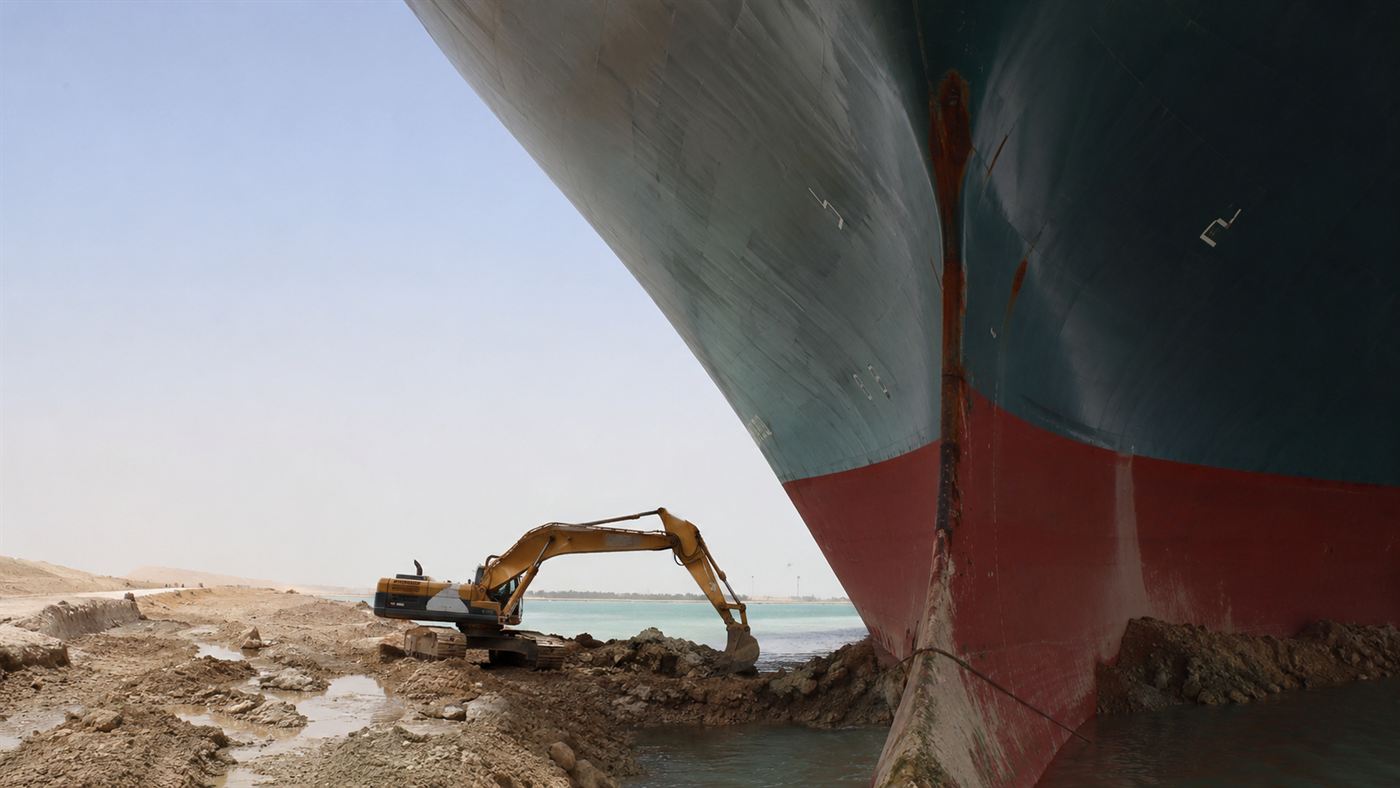
If the world felt helpless watching the trade routes clog, it found an unlikely mascot for the feeling. Early in the salvage, photographs showed a single small excavator scraping at the sand beneath the Ever Given's colossal bow, utterly dwarfed by the steel cliff it was trying to dig out. The image was almost absurd, a toy against a titan, and it went viral instantly.
People turned the lonely digger into a meme, a symbol of every small worker facing an impossible task, and quietly rooted for it. There was something clarifying about it too. Here was the largest global crisis of the week, and part of the answer really was one person in one machine, shovelful by shovelful, chipping away at a mountain of sand. The stuck ship was gigantic and abstract; the digger was human-sized and understandable.
What the Ever Given taught us about fragile trade
Once the ship was gone and the ships flowed again, the deeper lesson lingered. The container ship has grown relentlessly larger over the decades, because bigger ships carry cargo more cheaply, but those floating giants are now so vast that a single one, in the wrong spot in the wrong wind, can throttle the trade of continents. The efficiency that makes the modern world affordable also concentrates its risks into a handful of enormous, vulnerable points.
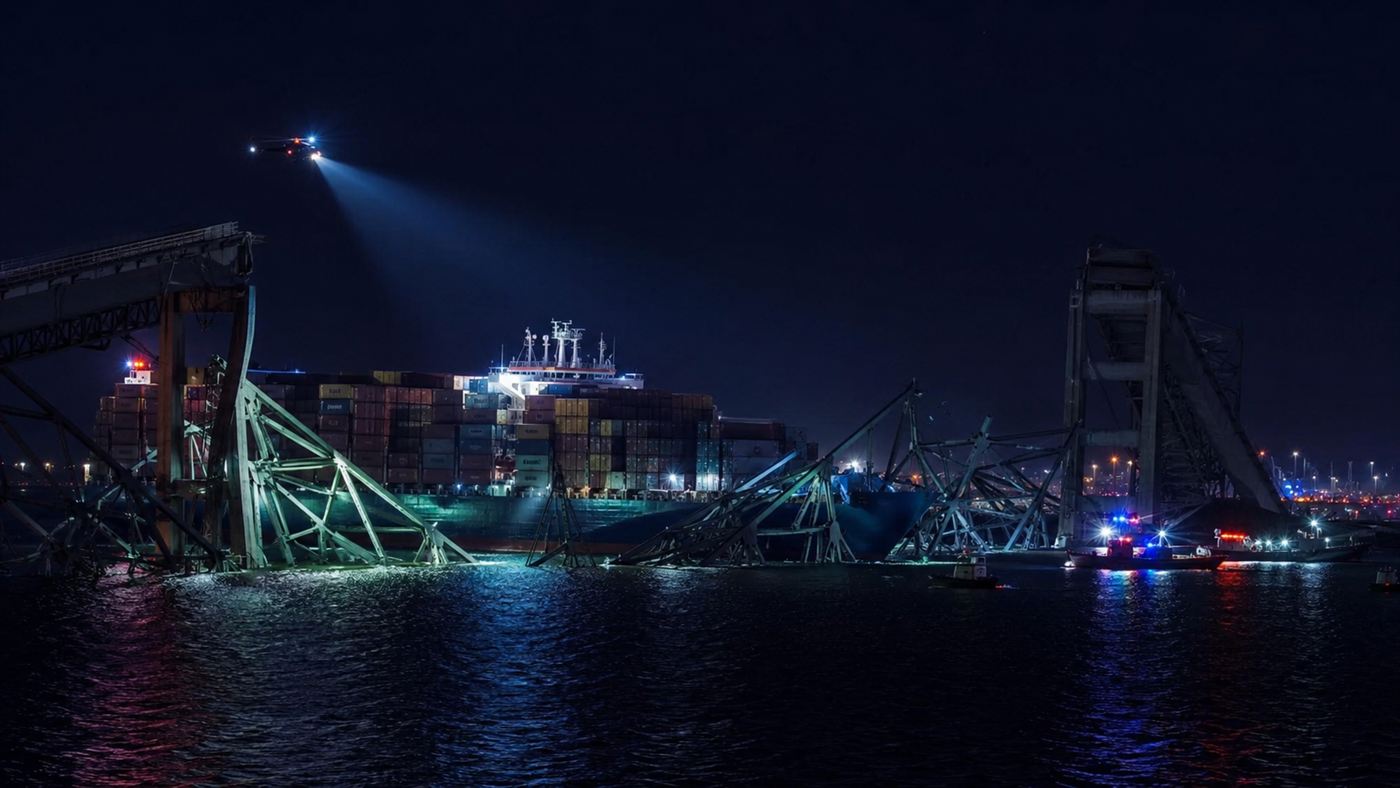
The Ever Given was a stress test nobody scheduled, and the results were sobering. It revealed how thin the margins of the just-in-time economy really are, how a delay of days at one waterway ripples into empty shelves and factory stoppages months later and thousands of miles away. It is the maritime cousin of every over-optimized system that runs beautifully until the one bad day, the same brittleness that shadows an aging power grid or an overloaded old bridge like the one that fell in Baltimore.
The honest catch
The story is irresistible, so it is worth keeping it accurate. The wind was the trigger, but Egyptian investigators also pointed to possible technical or human factors, and the real underlying cause is structural: canals dug for smaller ships now host giants that leave little room for error. And the famous $9.6 billion a day is an estimate of trade delayed, not destroyed, since most of those goods still arrived once the backlog cleared, just late and at a cost.
The aftermath was messy in its own right. Egypt detained the ship for more than three months and demanded around $916 million in compensation, eventually settling for a reported $540 million and a tugboat. But strip away the memes and the lawsuits and the core of it holds: for six days, one ship blown sideways by a desert wind showed the entire planet how much of its life depends on a few narrow ribbons of water, and how easily one of them can be corked.
One ship, one gust of wind, and a tenth of the world's trade sat waiting for six days behind a wall of containers in the desert. Should the world spread its trade across more routes to avoid another Ever Given, or is a shortcut through the desert simply too good to give up? Tell us what you think in the comments.
Related reading: How the Suez Canal was carved through the desert in the 1860s, a decade of labor that reshaped world trade.
More from Watts & Wild
More in Industry & Mega-Builds →

Bruno writes about energy history, industrial disasters, and the people who shaped the technologies we take for granted. He is based in Brazil.