The man who made electricity cheap enough for everyone built the modern power grid, then became the most hated businessman in America when his empire collapsed
We owe the cheap, reliable electricity in our walls to people most of us have never heard of. One of the most important was Samuel Insull, who did more than almost anyone to turn power into a mass commodity, and who fell so far, so publicly, that he became the face of everything that went wrong in the Great Depression.
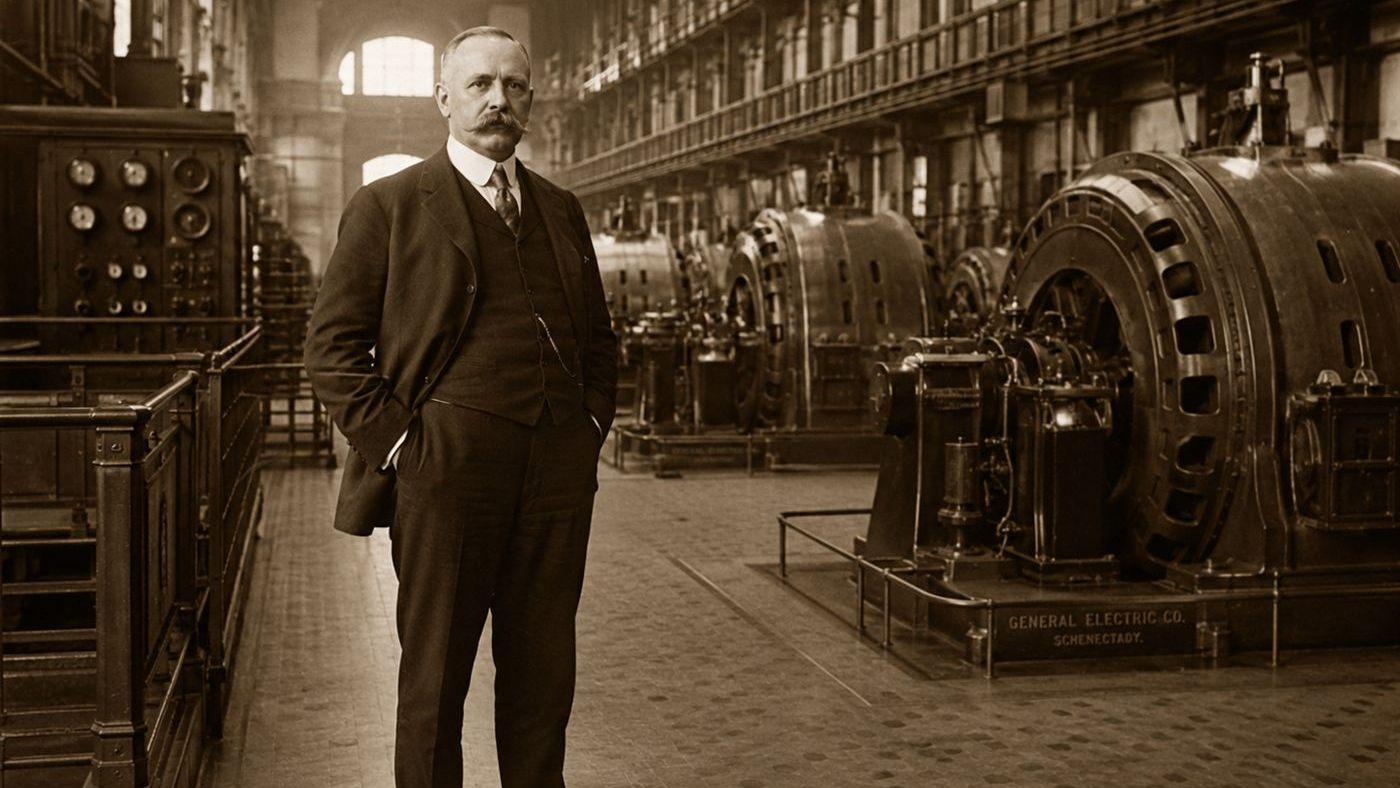
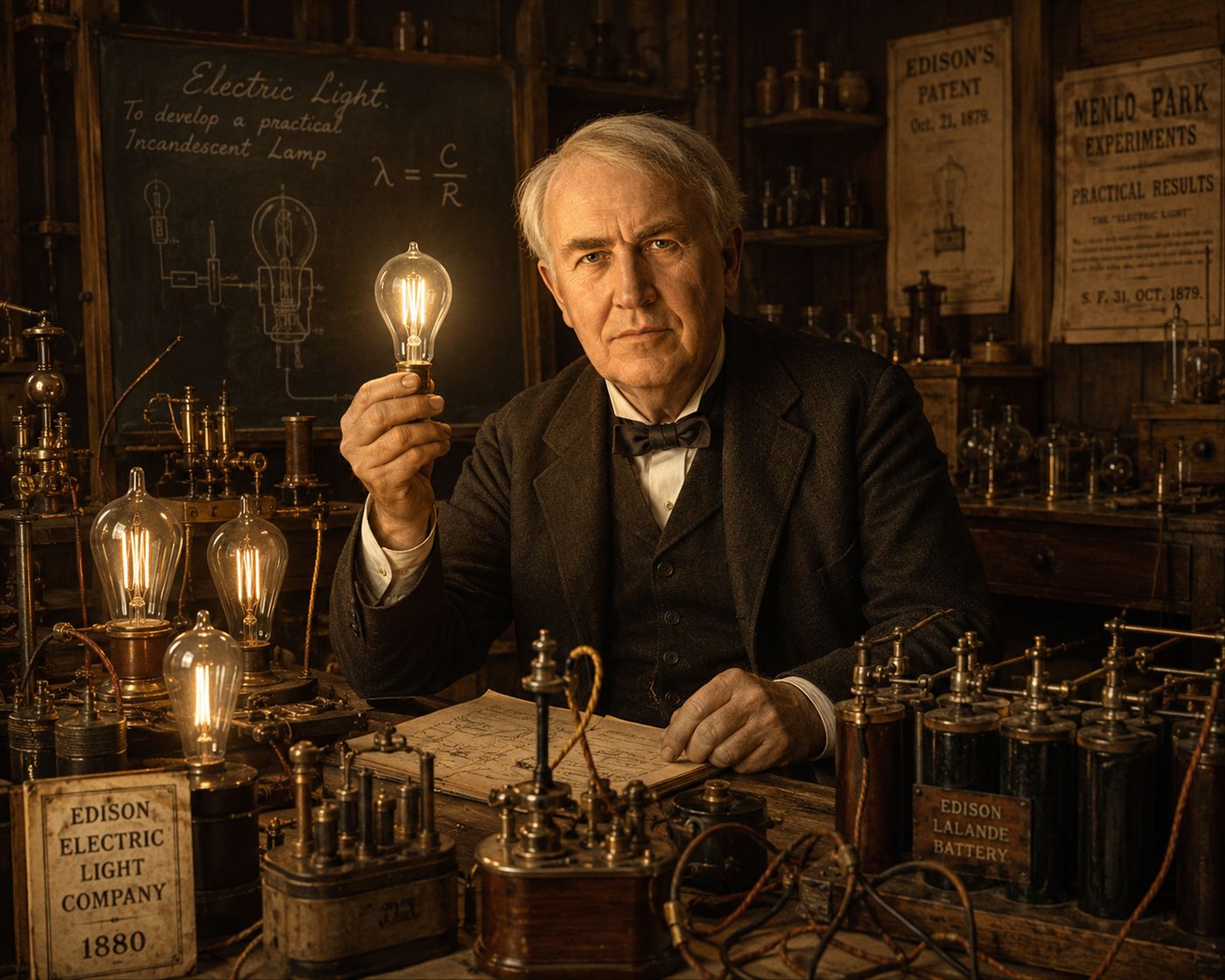
Samuel Insull built electricity into a cheap mass utility. Illustration: Watts & Wild.
Insull began as an insider to the very birth of the industry. A young Englishman, he became Thomas Edison's private secretary and learned the electricity business from the ground up. But where Edison was an inventor, Insull turned out to be something rarer and, in its way, just as important: the man who worked out how to sell electricity to everyone.
In the 1890s he took charge of the electricity supply in Chicago, and he had a conviction that set him apart. He believed the future was not in charging a few rich customers a high price, but in charging vast numbers of ordinary people a low one.
How Samuel Insull made power cheap
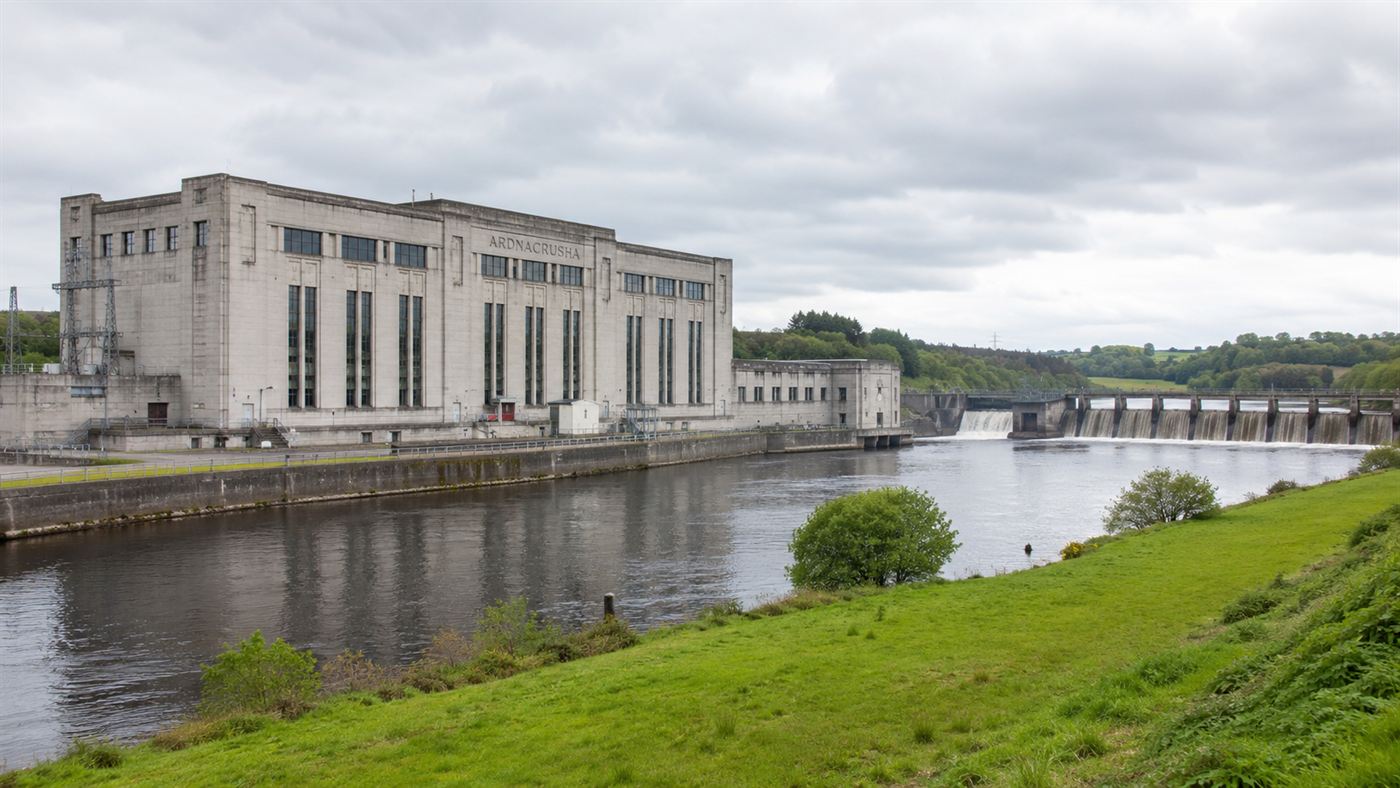
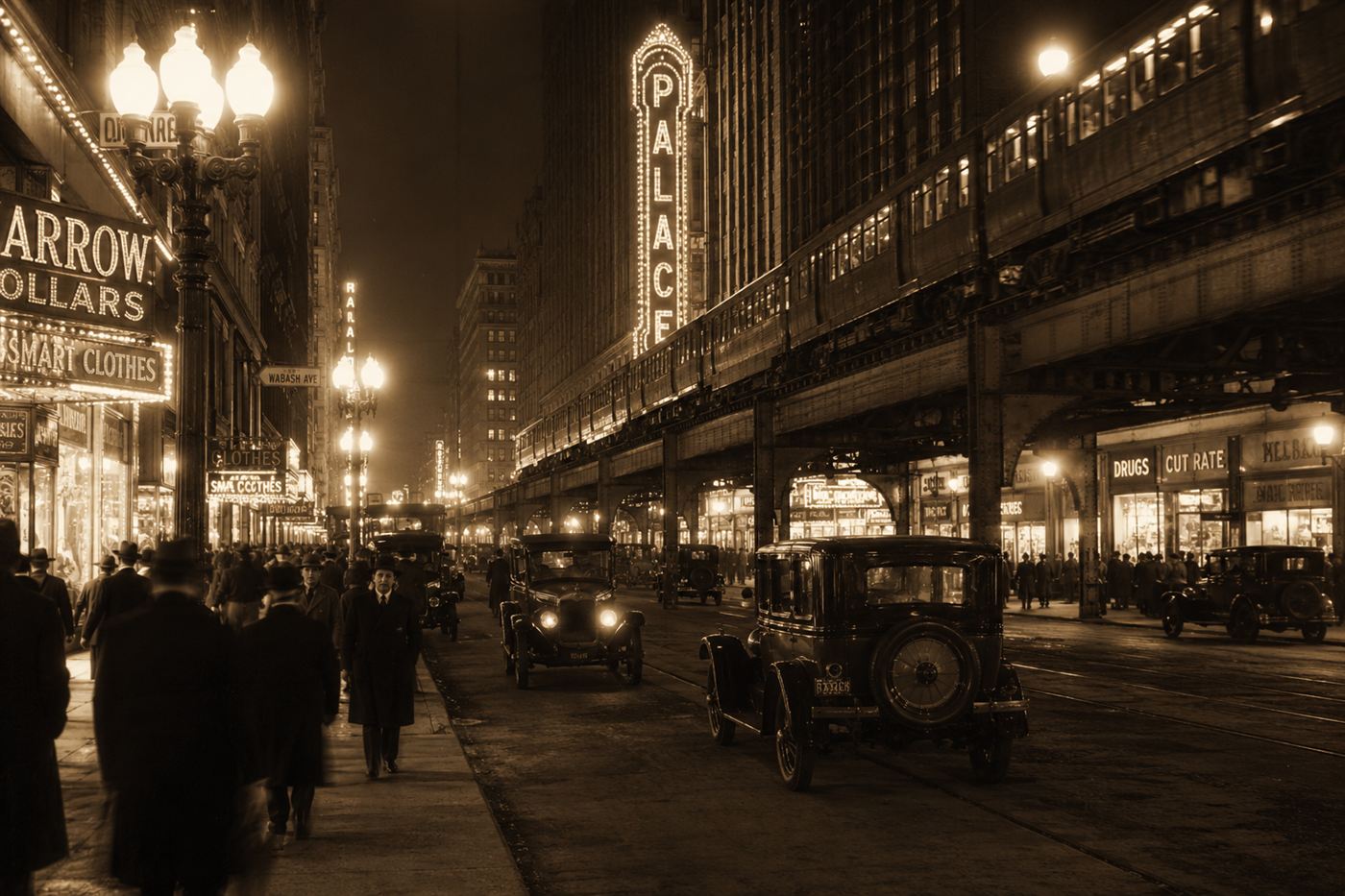
The strategy was scale. As the Chicago "L" history of him records, Insull bought up the city's many small electricity companies and concentrated generation into a few enormous central stations, which produced power far more cheaply than scattered little plants could. He then chased every kind of customer, day and night, to keep those big machines busy around the clock, spreading their cost across as many users as possible.
The results were transformative. By 1908 his Commonwealth Edison was the greatest single producer of electricity in the world, and the price of power kept falling as he drove up the volume. Insull also made a bargain that still shapes the industry: he openly accepted government regulation of his prices in return for being granted an exclusive territory, inventing much of the regulated-monopoly model that utilities run on to this day. Electricity went from a rich household's novelty to something ordinary families could afford.
The holding-company pyramid
To control his sprawling empire of utilities, Insull built something far more fragile than his power stations: a tower of finance. As TIME described at the time, Insull stacked holding company upon holding company, topped by giant investment trusts, until a tiny personal stake at the top controlled an astonishing amount of other people's money. By the early 1930s the structure spanned dozens of holding companies and hundreds of operating ones.
The leverage was breathtaking and dangerous. For every dollar the Insulls had truly invested at the top, they directed thousands of dollars of the public's money below. And crucially, much of that public money came from small investors, ordinary people who had been encouraged to put their savings into Insull shares, trusting the famous name that had electrified their lives.
Why Samuel Insull's empire collapsed
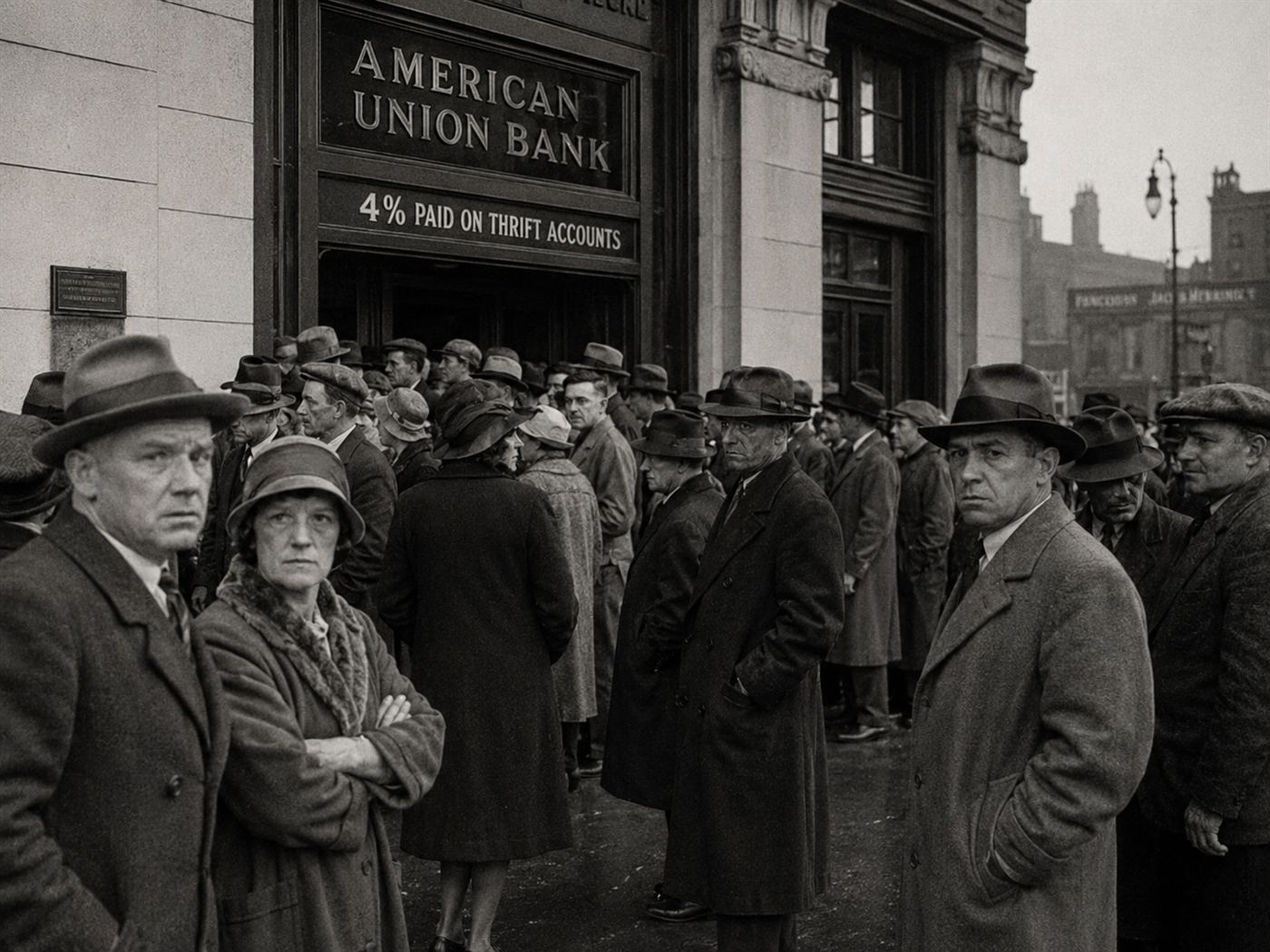
A structure that leveraged depends on everything going up. When the Great Depression pulled everything down, the pyramid had no margin to absorb the shock. As EBSCO Research summarises, Insull's holding empire collapsed in 1932, and roughly 600,000 shareholders saw their savings wiped out. The man whose name had meant cheap, reliable power now meant ruin for hundreds of thousands of small investors.
The backlash was ferocious, and Insull became the great villain of the crash. Indicted for fraud at the age of seventy-three, he fled the country, was eventually brought back, and stood trial. In the end he was acquitted of all charges, but the verdict could not undo his fall. He died a few years later, nearly broke, far from the empire he had built.
The honest catch
It is too easy to file Insull under either hero or crook, and he was neither cleanly. The achievement was real: he genuinely did more than almost anyone to make electricity cheap and universal, and the utility model he pioneered still underpins the grid, built on the kind of giant central plant that Sebastian de Ferranti had pioneered at Deptford. But the financial empire on top of it was recklessly over-leveraged and opaque, and it caused real harm to the small savers he had courted, whatever his intentions.
His acquittal matters too. The collapse was driven far more by the Depression than by any simple swindle, and Insull was in large part a convenient scapegoat for a wider failure of finance. His downfall, though, became the spark for reform: the Insull debacle was used to push through landmark New Deal laws on securities and utility holding companies that still govern how the power business is allowed to organise itself.
Why a forgotten tycoon still matters
The fame went to the inventors, to Edison and Tesla and the war of currents, and Samuel Insull, the man who actually made electricity a cheap everyday utility, slipped out of the popular story almost entirely. Yet every time you flick a switch without thinking about the cost, you are living inside the system he built, for better and for worse.
His life is a reminder that the people who scale a technology, and decide who can afford it, can matter as much as the people who invent it. Should we remember Insull as the man who lit America, or as the cautionary tale of an empire built on leverage? Tell us in the comments.
Related reading: Edison electrocuted animals in public to win the war of currents, and lost anyway.