A broke new nation bet a fifth of its entire budget on a single power station on the Shannon, and used it to switch on a whole country
In 1929 the young Irish Free State, barely seven years old and far from rich, switched on a power station called Ardnacrusha on the River Shannon. It had cost about a fifth of the state's entire annual budget, a bet so large that opponents called it madness. It worked, and it lit up a country.
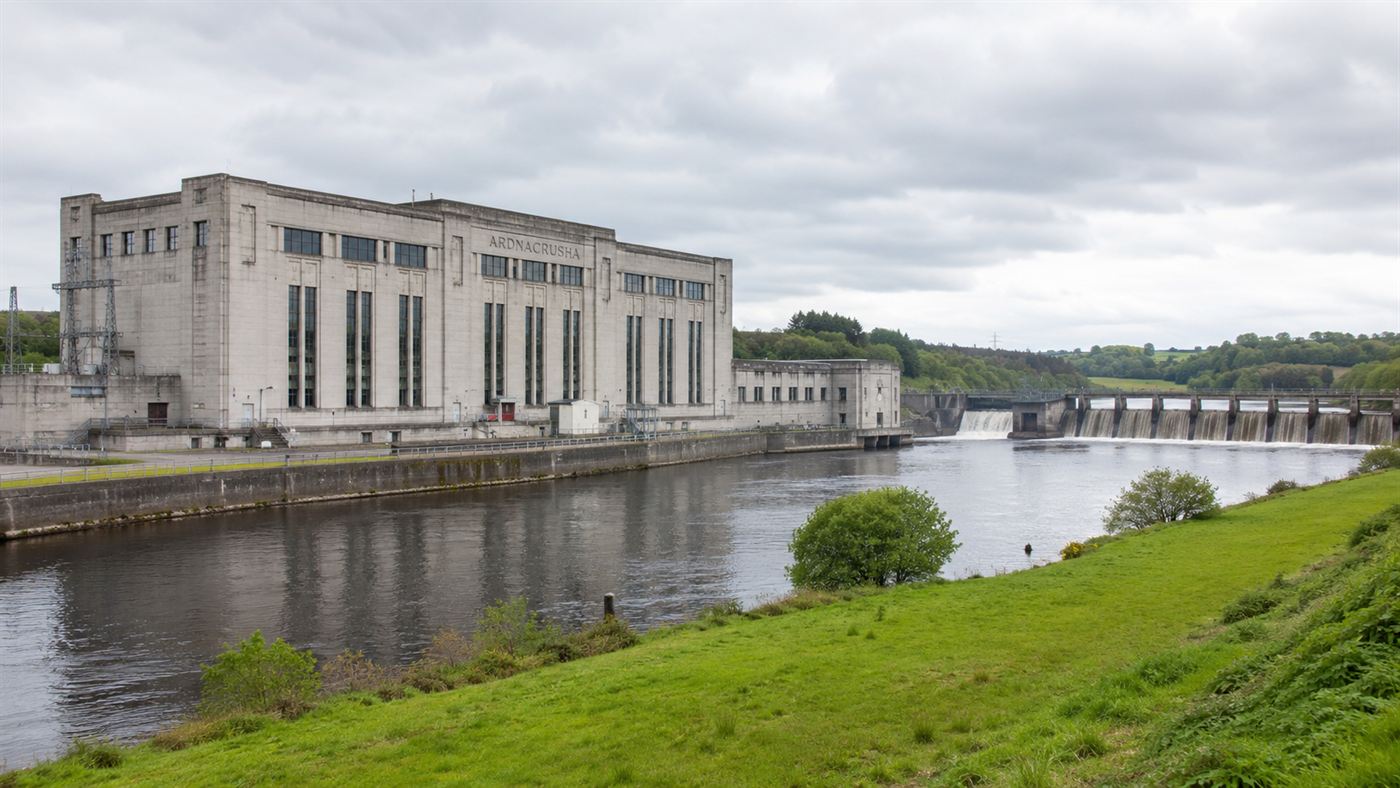
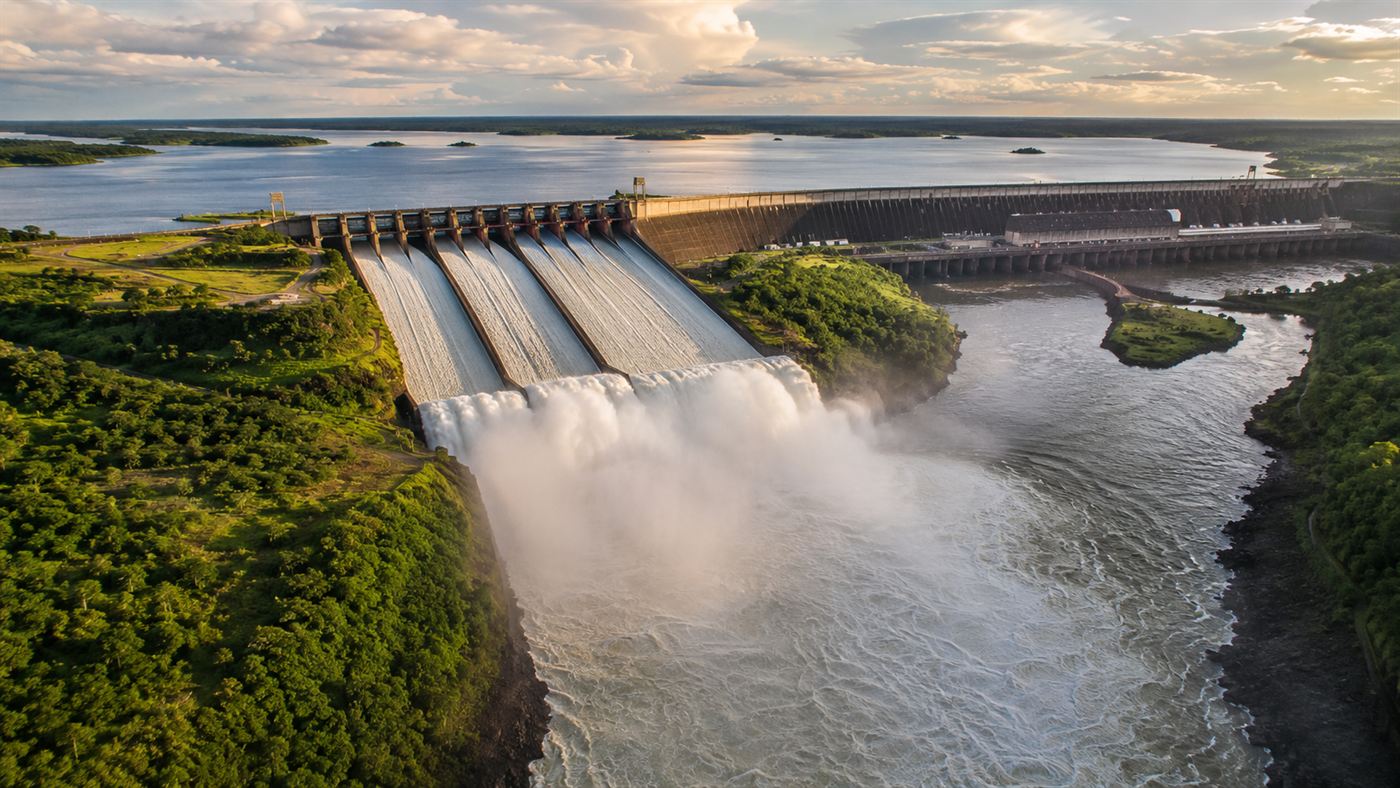
Ardnacrusha on the Shannon, the gamble that electrified Ireland. Illustration: Watts & Wild.
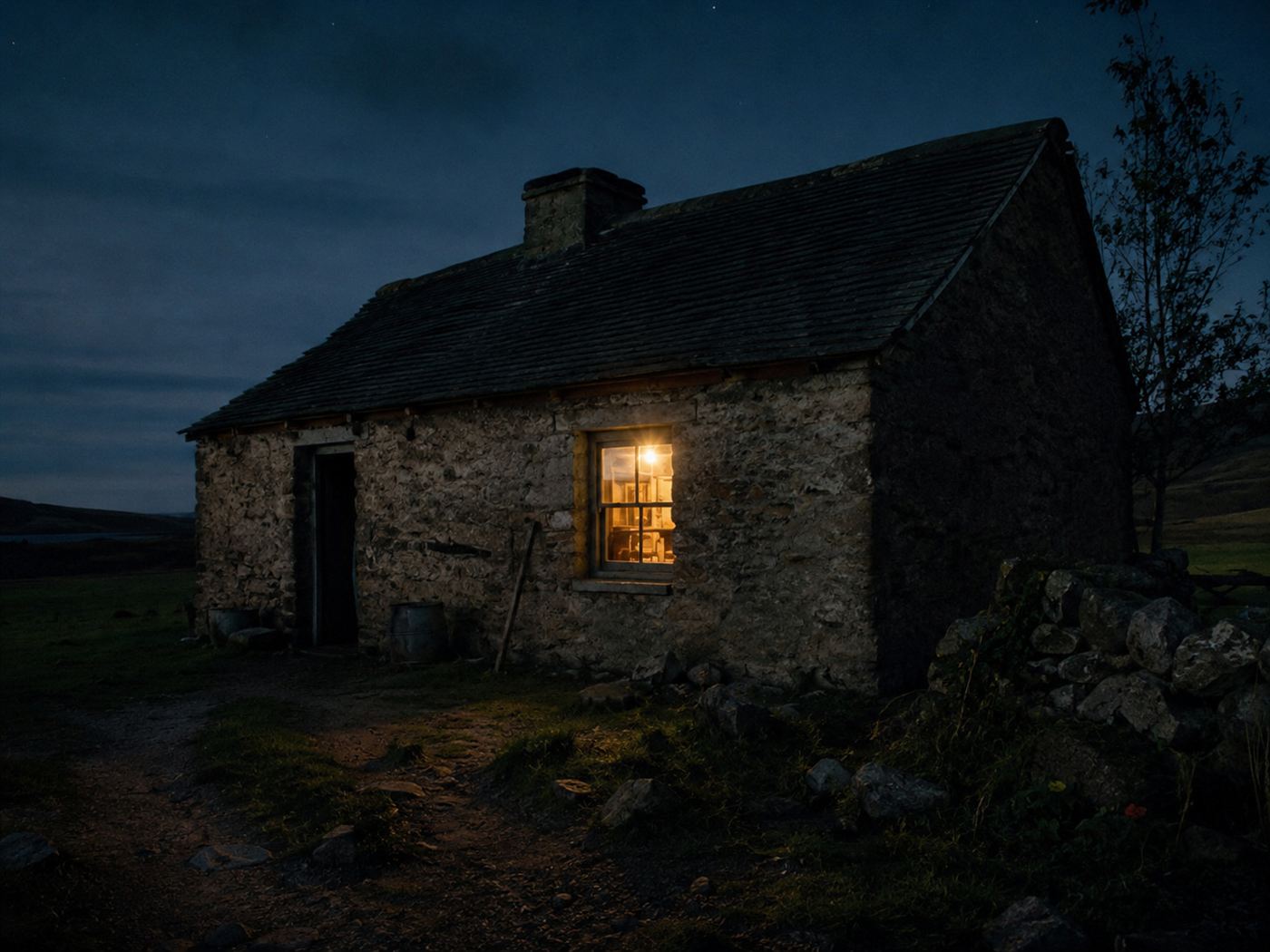
To understand the scale of the bet, you have to picture Ireland in the 1920s. It had just won independence in 1922 after a war and then a civil war. It was poor, largely rural, and ran on candles, oil lamps and the odd small private generator. The idea of wiring an entire farming nation for electricity was, to many, a fantasy the new state could not possibly afford.
Then a young engineer came home with a plan. Dr. Thomas McLaughlin had gone to work for the German firm Siemens-Schuckert in Berlin, where he saw what large-scale electrification could do. He returned convinced that Ireland should not build lots of little power stations but one big one, on its biggest river, feeding a single national grid. It was an audacious vision for a country that could barely pay for it.
Why Ardnacrusha was such a gamble
The numbers were frightening for a young state. The Shannon Scheme would swallow roughly one fifth of the government's annual budget, an outlay that critics in parliament and the press attacked as reckless folly. There was no guarantee the demand would ever materialise to justify it. Betting that much of a poor nation's money on a single, unproven project was a genuine political risk, and the government took it anyway.
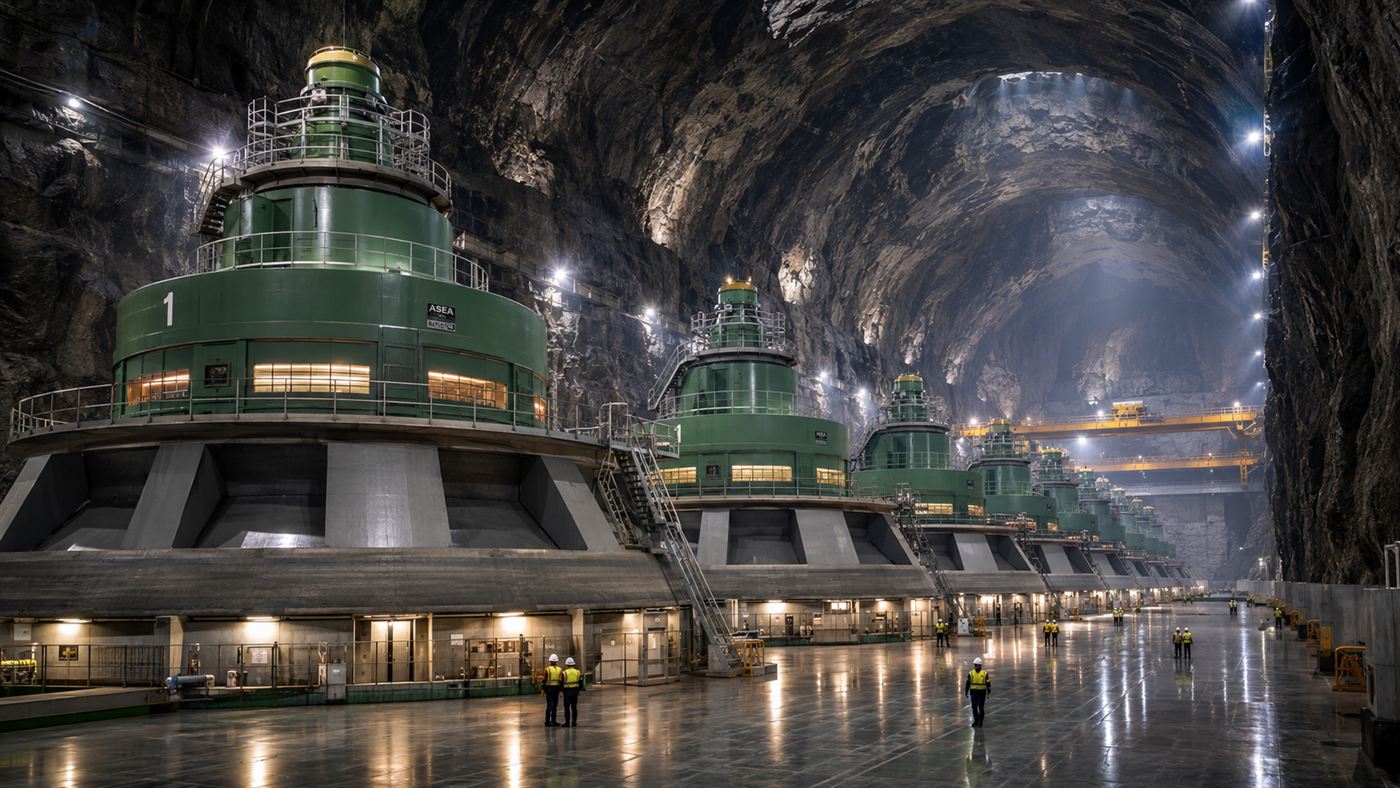
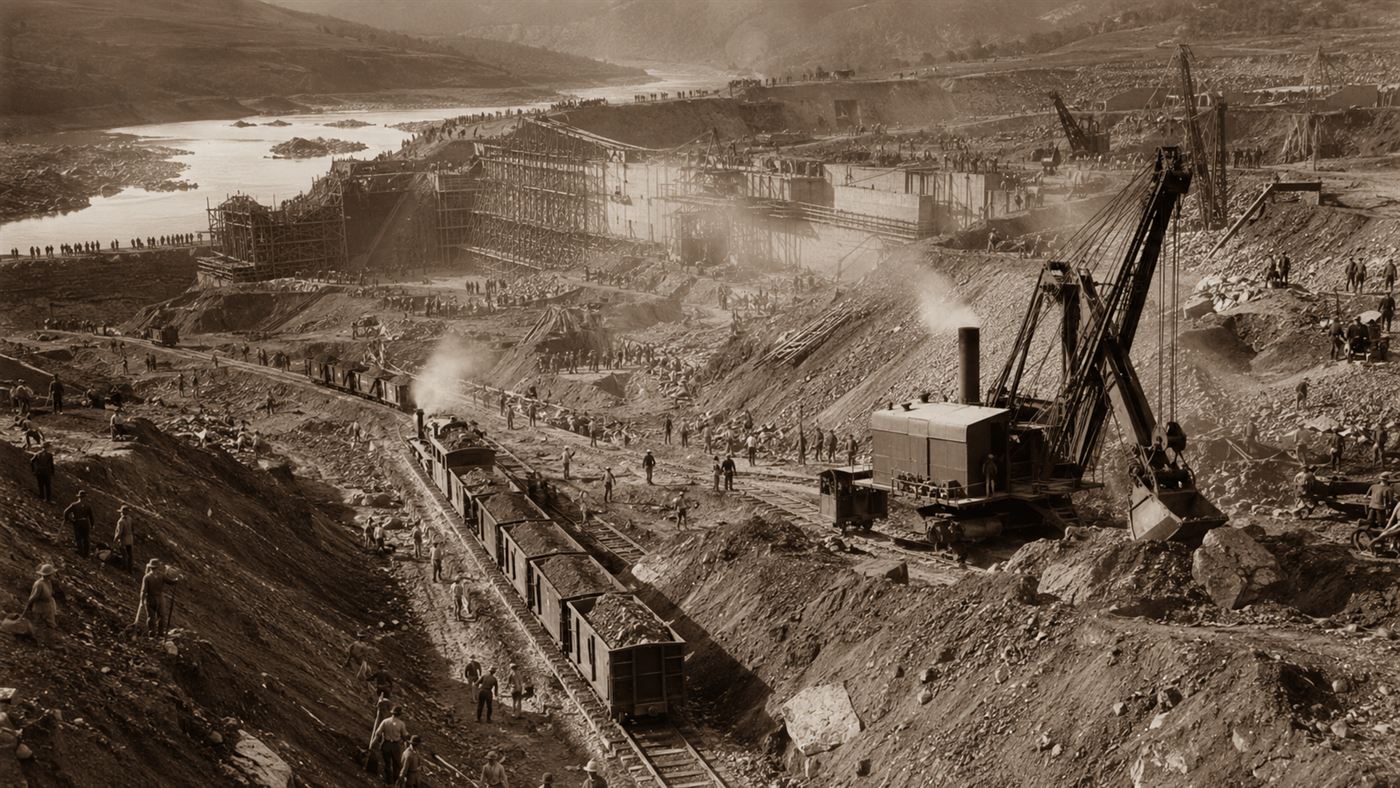
The engineering matched the ambition. Built by Siemens-Schuckert between 1925 and 1929, the works diverted about 90 percent of the Shannon into a 12 kilometre headrace canal to feed the turbines. As History Ireland records, the crews shifted 7.6 million cubic metres of earth and 1.2 million cubic metres of rock, built four major bridges and laid a 96 kilometre narrow-gauge railway just to serve the site. For a moment, a quiet stretch of the Shannon became one of the largest construction projects on Earth.
The young engineer with a wild idea
It is worth pausing on McLaughlin, because the project really was driven by one stubborn man with a conviction. He did not just dream up the scheme; he sold it, to ministers, to a sceptical public, and to Siemens, knitting together Irish ambition and German engineering into something neither could have done alone. Much of the detailed design and most of the labour were Irish, with the chief civil engineer, Frank Sharman Rishworth, a professor from Galway.
The country watched it happen. As the dam and canal took shape, the Shannon Scheme became a national spectacle, with an estimated 250,000 people travelling to the site as sightseers in the late 1920s. People came to stare at the future being poured in concrete, a rare moment of shared pride for a state still finding its feet.
How much of Ireland did Ardnacrusha power?
When the turbines finally spun in late 1929, the payoff justified the nerve. To run it all, the government had already created the Electricity Supply Board in 1927, and the result was, as the Institution of Civil Engineers describes, the first fully integrated national electricity system in the world, joining up generation, transmission, distribution and sales in one network.
Ardnacrusha was so big for its time that by 1935 it was producing around 80 percent of all the electricity used in Ireland. As the American Society of Civil Engineers notes, it became a model that large-scale electrification projects around the world would follow. From that one power station on the Shannon, the wires eventually reached out toward the farms and villages, and the long, life-changing work of rural electrification could begin.
The honest catch
The triumph had a harder side that deserves telling. The construction was dogged by a bitter row over pay, with many of the Irish labourers on the site working long hours for very low wages, and disputes and strikes broke out over their treatment. The shining national project was built in part on the backs of poorly paid men, a fact later celebrations tended to gloss over.
There is also the matter of dependence and scale. The scheme leaned heavily on German money, machinery and expertise from Siemens, which sat awkwardly with the story of plucky national self-reliance. And Ardnacrusha's dominance did not last: Irish demand for power grew so fast that within a couple of decades the station that once supplied most of the country became just one modest source among many. The gamble paid off, but the country quickly outgrew its prize.
Why one power station still matters
Even with the caveats, Ardnacrusha is a striking reminder that infrastructure is as much about nerve as about engineering. A small, broke, newly free nation chose to spend a fifth of its budget on a single bold idea, and in doing so it did not just build a power station, it built the habit of believing it could modernise.
Nearly a century on, the turbines on the Shannon are still turning, quietly feeding the grid they helped invent. Would a government today dare to bet a fifth of the national budget on one project the way 1920s Ireland did? Tell us in the comments.
Related reading: A Victorian arms magnate built the first house in the world lit by hydroelectricity, powered by the lakes on his own estate.