The world's longest cantilever bridge collapsed twice and killed 88 men, 33 from one small town
It was supposed to be the proudest span on Earth, a bridge whose record reach would carry trains across the great river at Quebec and make its builders famous. Instead, on a warm evening in 1907, the half-finished giant tore itself out of the sky in about fifteen seconds. The roar was so violent that people ten kilometres away thought an earthquake had struck.
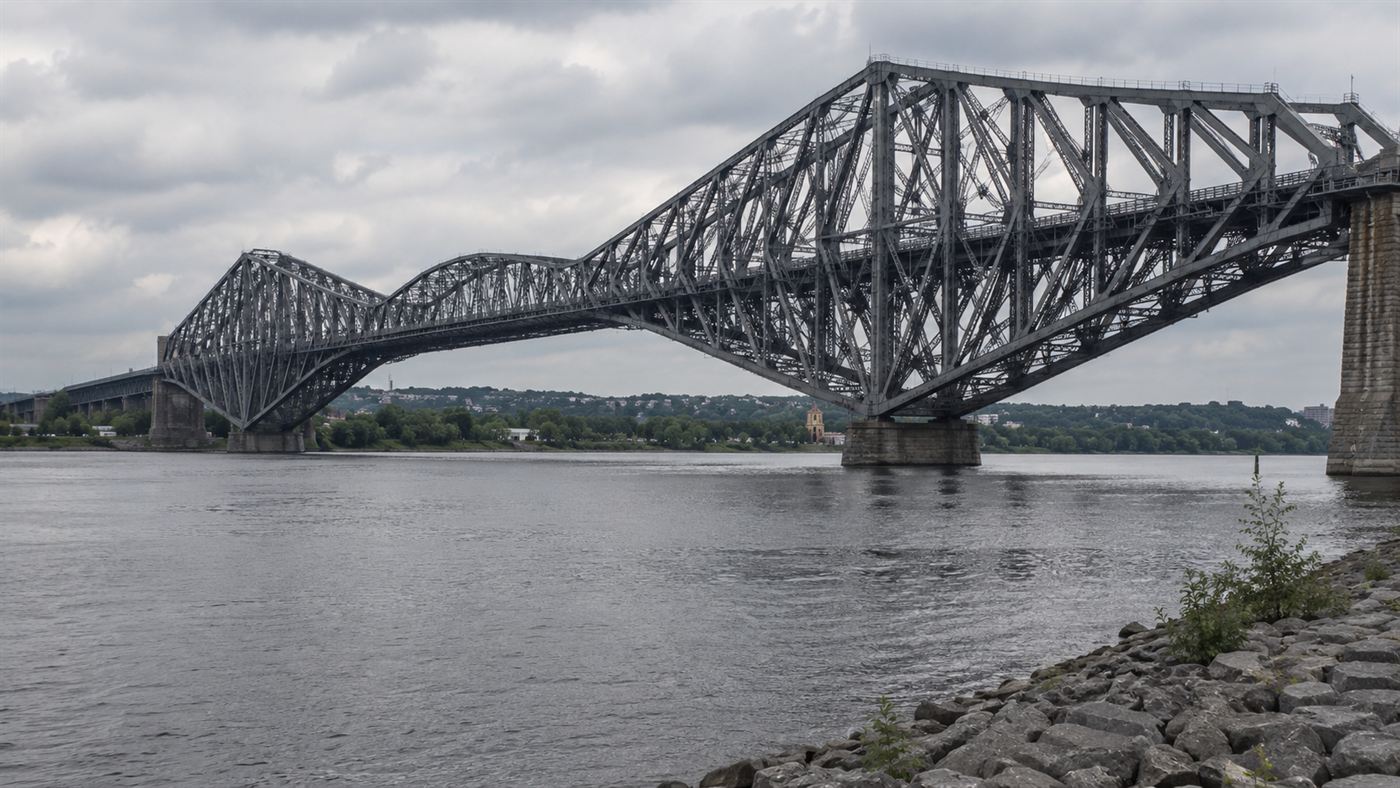
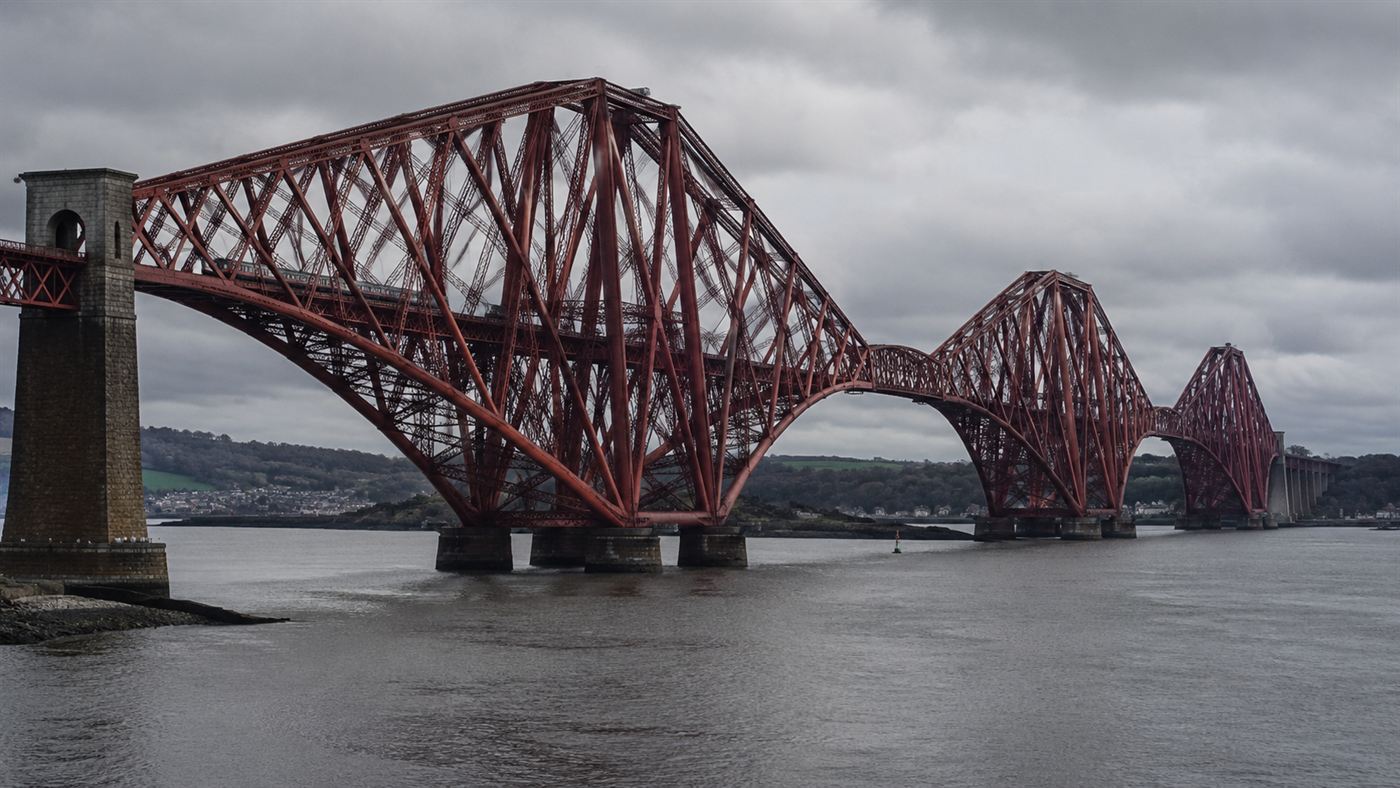
The completed Quebec Bridge still holds the record for the longest cantilever span in the world. Illustration: Watts & Wild.
The Quebec Bridge crosses the St. Lawrence River just upstream of Quebec City, and even today, more than a century later, its central cantilever span of about 549 metres remains the longest of its kind anywhere on the planet. It is a genuine engineering triumph. It is also one of the deadliest construction failures in history, and the story of how it got there is a hard lesson in pride.
The bridge did not just fail once. It failed twice, nine years apart, and by the time it finally stood, it had cost the lives of 88 men and left a wound in one community that has never fully closed.
A record span and a proud engineer
The design was led by Theodore Cooper, a celebrated American engineer at the end of a glittering career, who wanted a final masterpiece. To save money on building piers far out in the river, he stretched the main span from 490 metres to nearly 549, making it the longest cantilever ever attempted. Cooper worked mostly from New York, rarely visited the site, and set himself up as the project's final word, resisting any oversight that might slow him down.
The fatal flaw was hidden in the numbers. The design had underestimated the sheer dead weight of the steel itself, so the great structure was quietly being asked to carry more than it ever could. In the days before the collapse, workers noticed steel members bending that should have been straight, and warnings were sent, but the decision to stop came too late.
Fifteen seconds in 1907
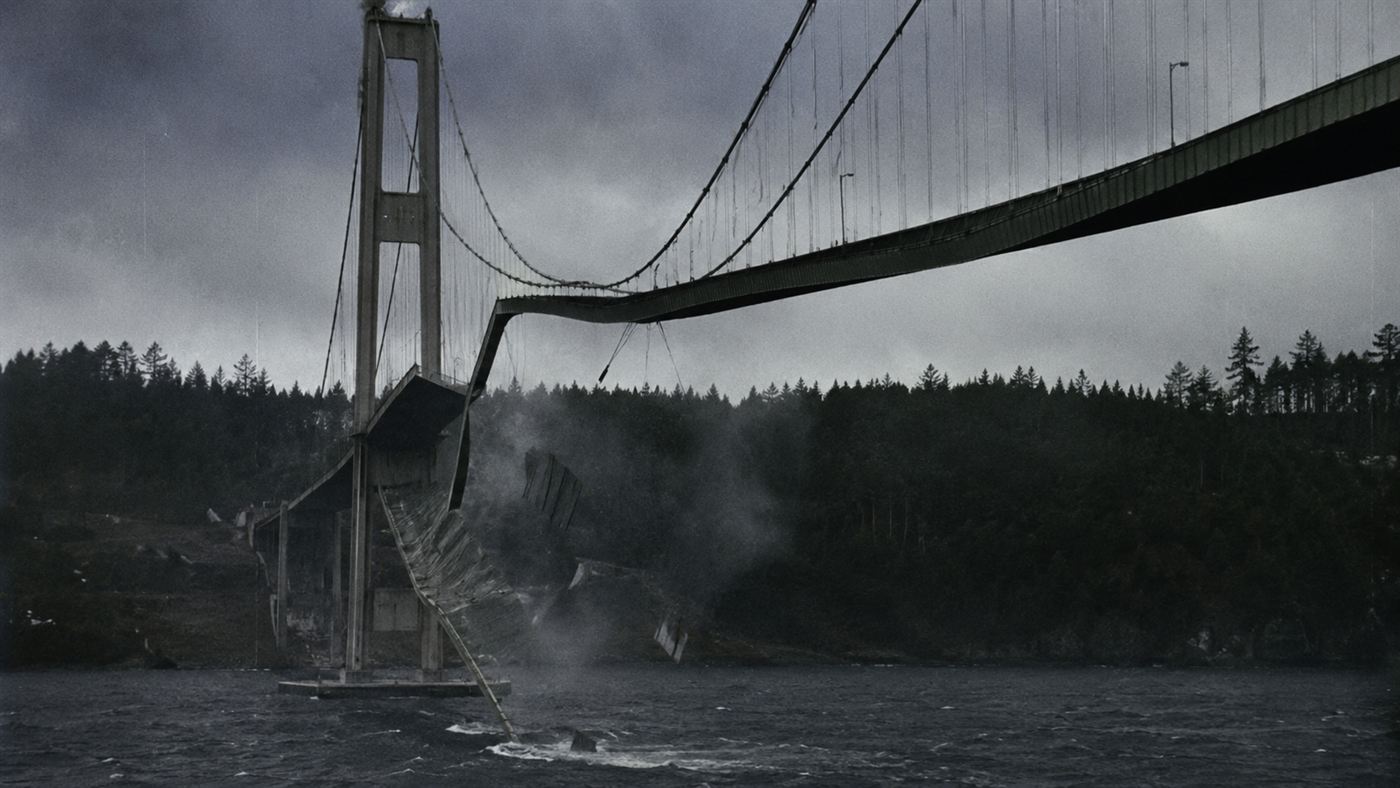
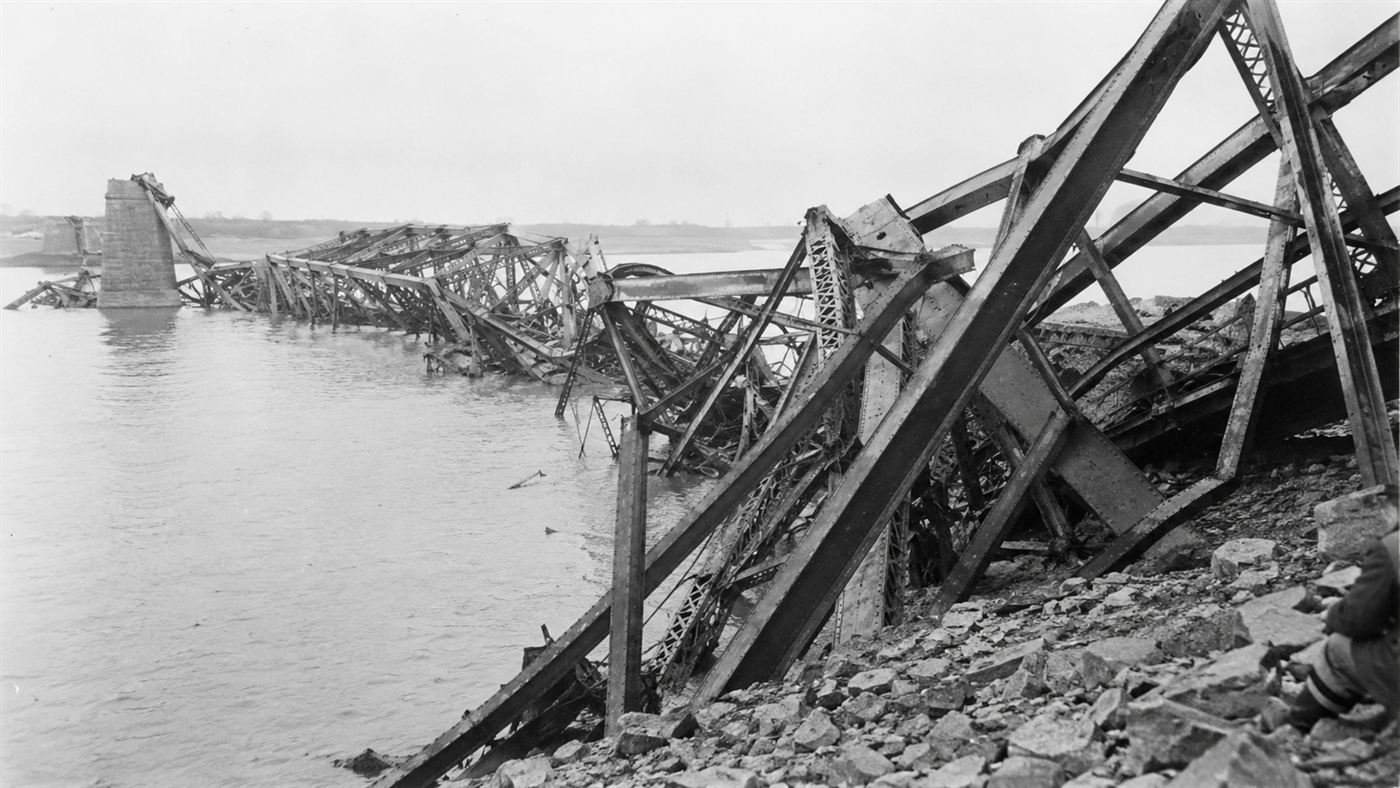
On 29 August 1907, near the end of the working day, the compression members at the base of the south arm buckled and the whole cantilever dropped into the river. Around 75 men were on the structure when it fell, and almost none of them had a chance. Thousands of tonnes of twisted steel crashed into the St. Lawrence in seconds, and the sound rolled across the water to Quebec City like a bomb.
It was, at a stroke, one of the worst bridge disasters the world had ever seen. The investigation that followed laid the blame squarely on the design and on the lack of proper checking, a verdict that would echo through engineering for generations as a warning about confidence outrunning caution.
A community that lost 33 men
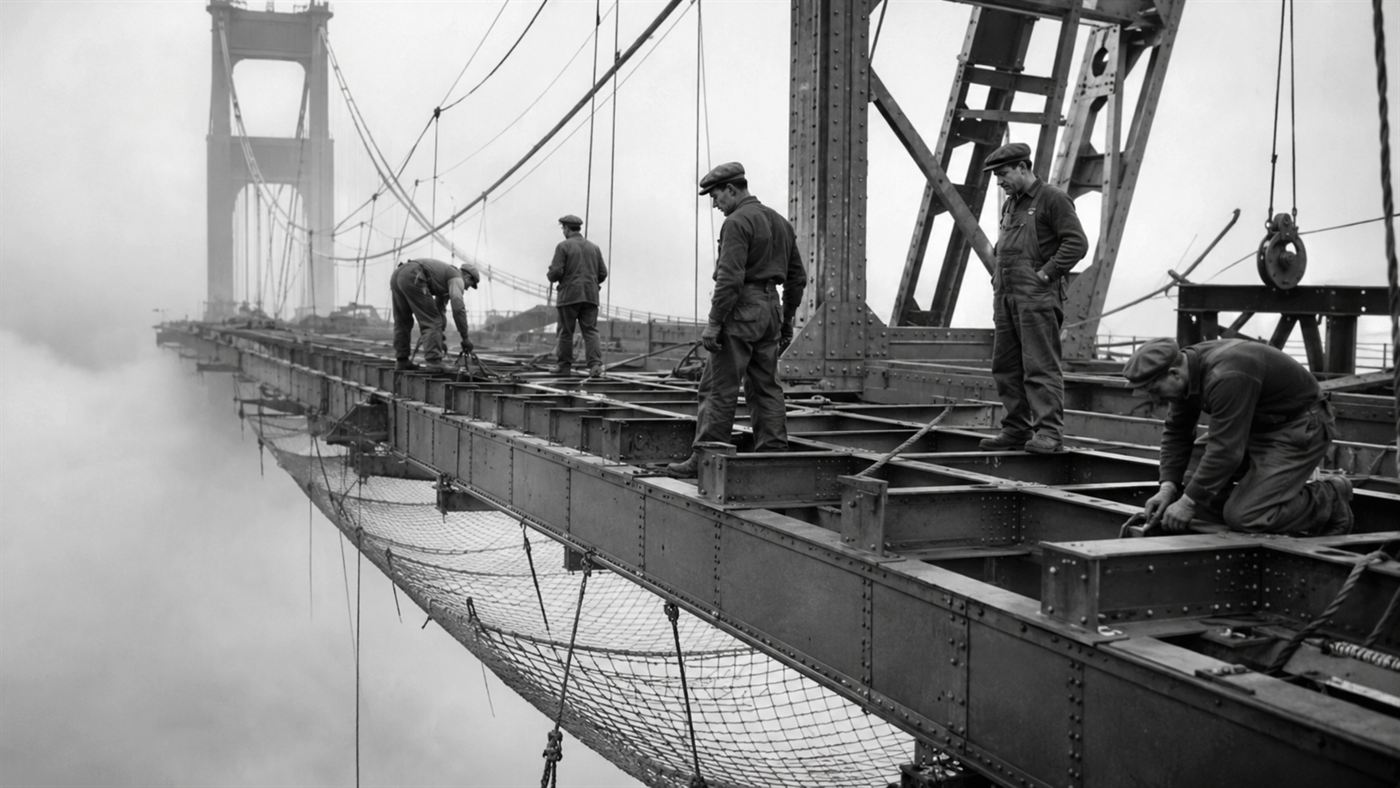
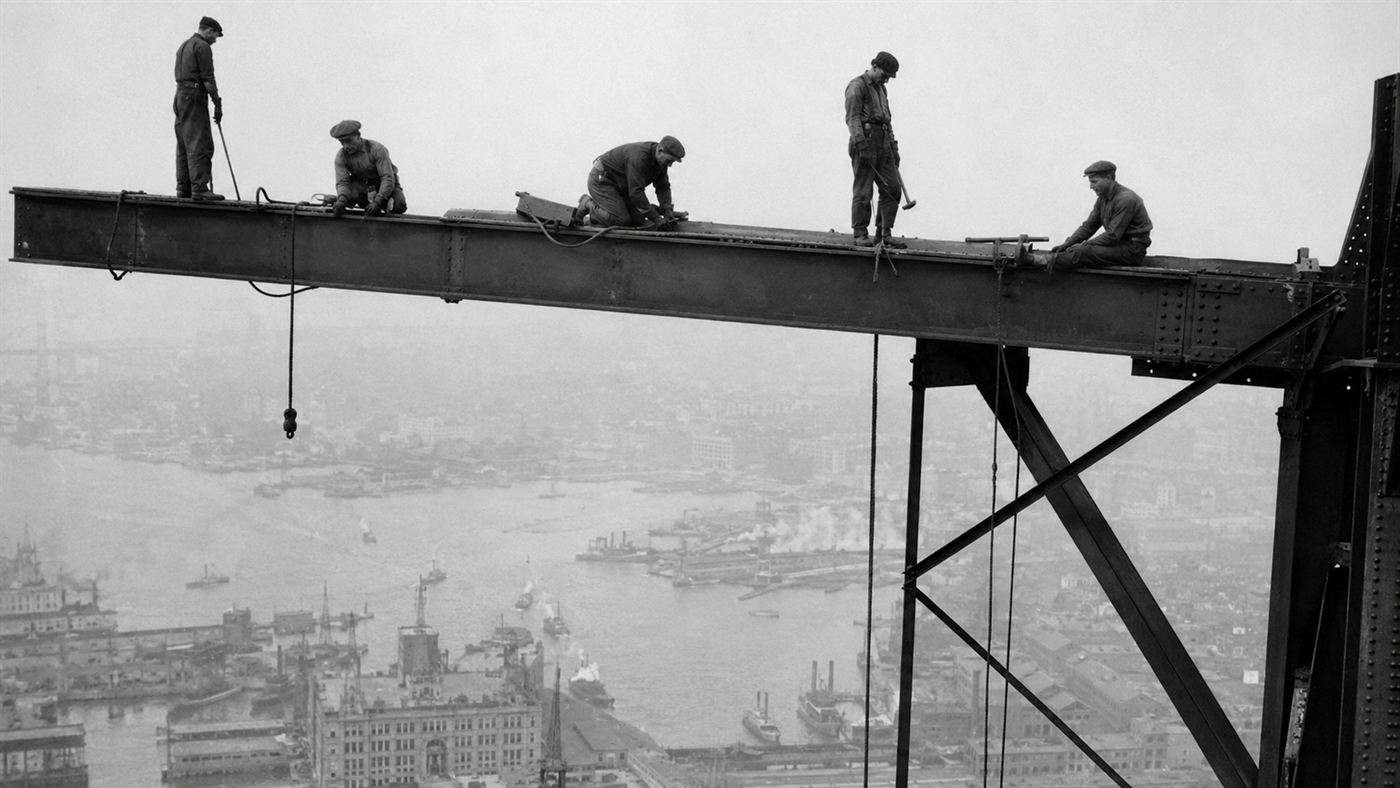
The cost was not spread evenly. Of the dead, 33 were Mohawk ironworkers from Kahnawake, a small community near Montreal whose men had become renowned for their nerve and balance working high on the steel. In one evening that community lost 33 of its own. Twenty-five women were widowed and more than fifty children left fatherless, and the dead were buried at home under crosses made from steel beams.
What the Kahnawake did next is extraordinary. Rather than abandon the dangerous trade, they made a rule that their men would never again all work the same job at the same time, so that no single accident could ever take so many again. Their ironworkers went on to raise skyscrapers and bridges across North America, and the high-steel tradition that the disaster might have ended instead became part of their identity.
The Quebec Bridge fell a second time
A new and far heavier design was drawn up, and the rebuilding went carefully for years. Then, on 11 September 1916, as the huge central span was being hoisted into place between the cantilever arms, a part failed and the span dropped into the river. Thirteen more workers were killed, and the bridge had now taken lives in two separate disasters before it ever carried a train.
This time the structure held, the span was eventually lifted successfully, and the Quebec Bridge finally opened to traffic in 1919. It had taken decades, a fortune, and 88 lives to build the longest cantilever span in the world, and it still carries trains and cars today.
The ring that remembers
The disaster left a mark on the whole profession. In Canada, engineers receive a plain iron ring in a private ceremony when they graduate, worn on the working hand, where it brushes the paper as they draw or write. The ring is meant as a constant, quiet reminder that an engineer's mistakes can kill, and that humility is not optional.
A famous legend says the rings are forged from the wreckage of the Quebec Bridge itself, so that every Canadian engineer literally carries a piece of the failure. The honest truth is that this is a myth: the first rings were not made from the bridge's steel. But the story endures because it feels true, and the bridge really is part of the moral memory the ring is meant to keep alive. The lesson outlived the legend.
How many people died building the Quebec Bridge?
About 88 construction workers died across the two collapses. The 1907 failure killed roughly 75 men, including 33 Mohawk ironworkers from Kahnawake, and the 1916 accident killed another 13 when the central span fell during lifting. The completed bridge opened in 1919.
Is the engineers' Iron Ring made from the Quebec Bridge?
Despite the popular belief, no. The first Iron Rings given to Canadian engineers were not forged from the collapsed bridge's steel, and there is no real evidence the bridge's metal was ever used. The ceremony was created in the 1920s, with words written by Rudyard Kipling, to instil responsibility and humility, and the Quebec Bridge stands behind it as a symbol rather than as the literal source of the iron.
A record-setting bridge fell twice, killed 88 men, and turned into a lesson every engineer carries on a ring. Should our greatest engineering triumphs always be remembered alongside the lives they cost? Tell us what you think in the comments.
Related reading: the net under the Golden Gate Bridge that caught 19 falling workers, or the Silver Bridge, brought down by a single hidden crack in 1967.