The Soviets built a bomb so vast it was almost useless as a weapon, its flash seen 1,000 km away, and the scientist who designed it turned against the bomb forever
On a freezing morning in 1961, the Soviet Union dropped the largest bomb ever built over the Arctic. The Tsar Bomba released around 50 megatons of energy, a fireball miles wide, a flash visible 1,000 kilometres off and a shockwave that circled the planet. And the most haunting twist is what it did to the man who designed it.
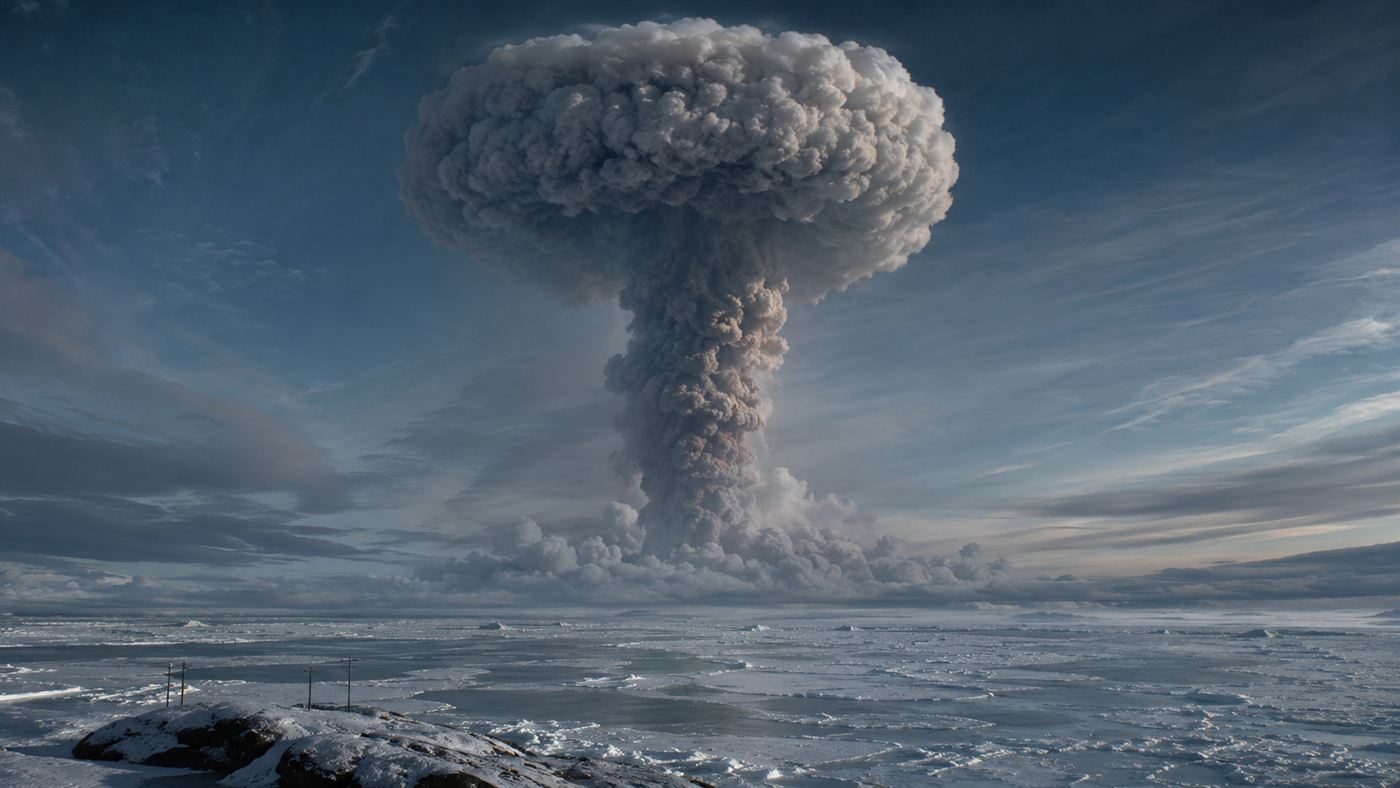
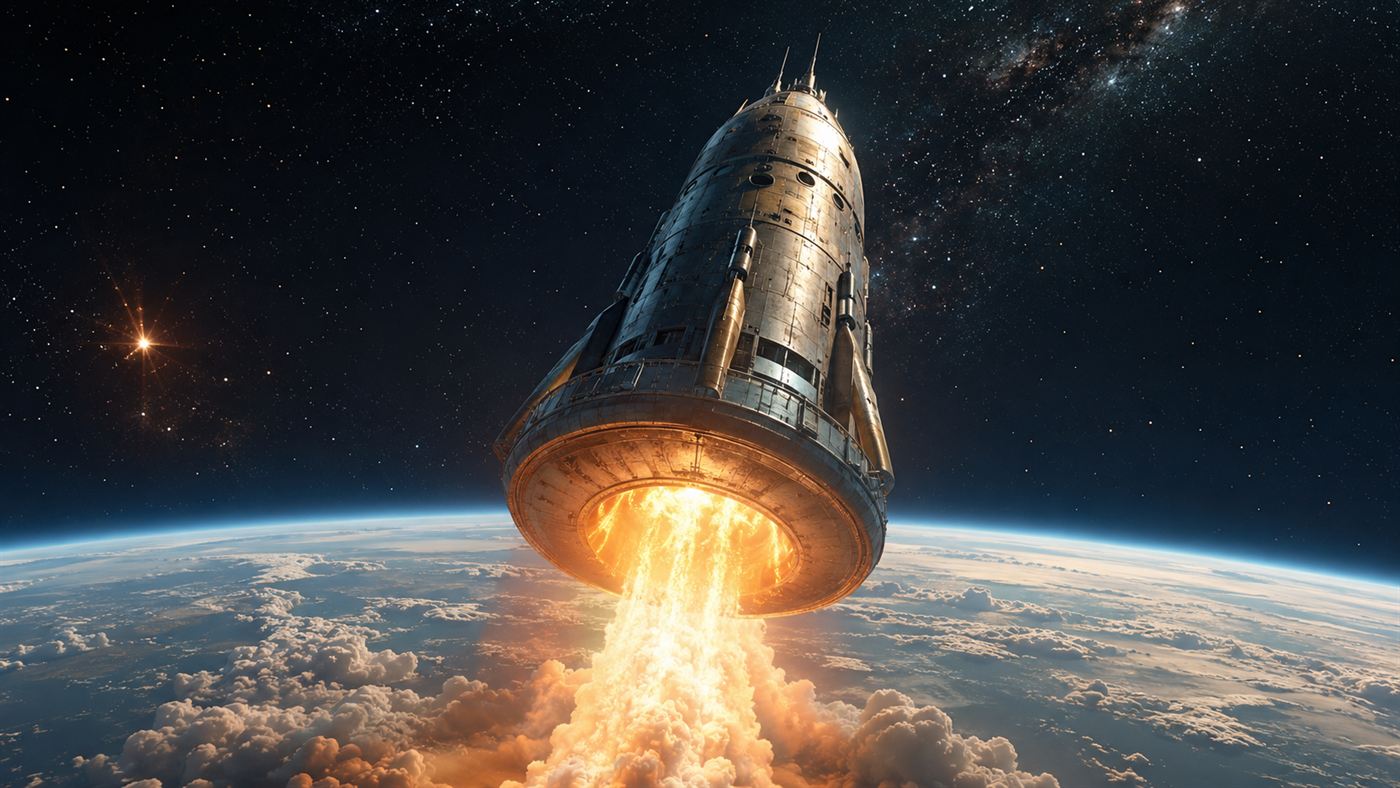
The Tsar Bomba's mushroom cloud climbed far higher than airliners fly. Illustration: Watts & Wild.
The Cold War was, among other things, a contest of fear, and few objects embody that better than the Tsar Bomba, a nickname meaning roughly the king of bombs. By 1961 the United States and the Soviet Union were locked in a race not just to have nuclear weapons but to have the most terrifying ones imaginable, and the Soviets decided to settle the argument with a single, almost unbelievable demonstration.
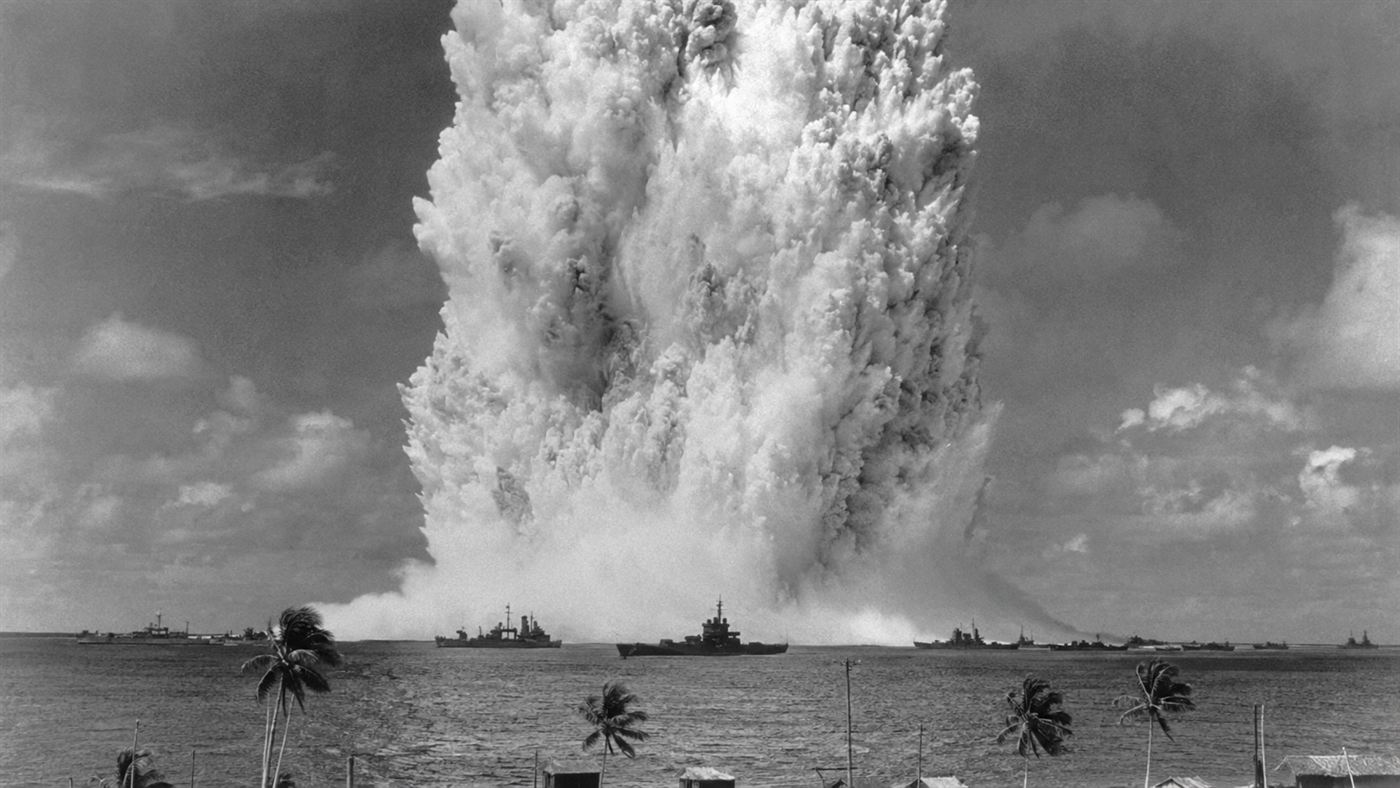
What they detonated over the remote Arctic island of Novaya Zemlya was a hydrogen bomb on a scale that still has no rival. As Wikipedia records, its yield of roughly 50 megatons was about 1,500 times the combined power of the two bombs that destroyed Hiroshima and Nagasaki, and more than ten times all the conventional explosives used in the entire Second World War. Numbers like that stop meaning much; it was simply the biggest bang humans have ever made.
How big the Tsar Bomba really was
The details are almost cartoonish in their scale. The fireball alone was several kilometres across and reportedly touched the ground from the bomb's burst height far above. As the Atomic Archive describes, the mushroom cloud punched through the atmosphere to around 60 kilometres high, seven times the cruising height of a passenger jet, and the flash of the detonation was said to be visible from about a thousand kilometres away.
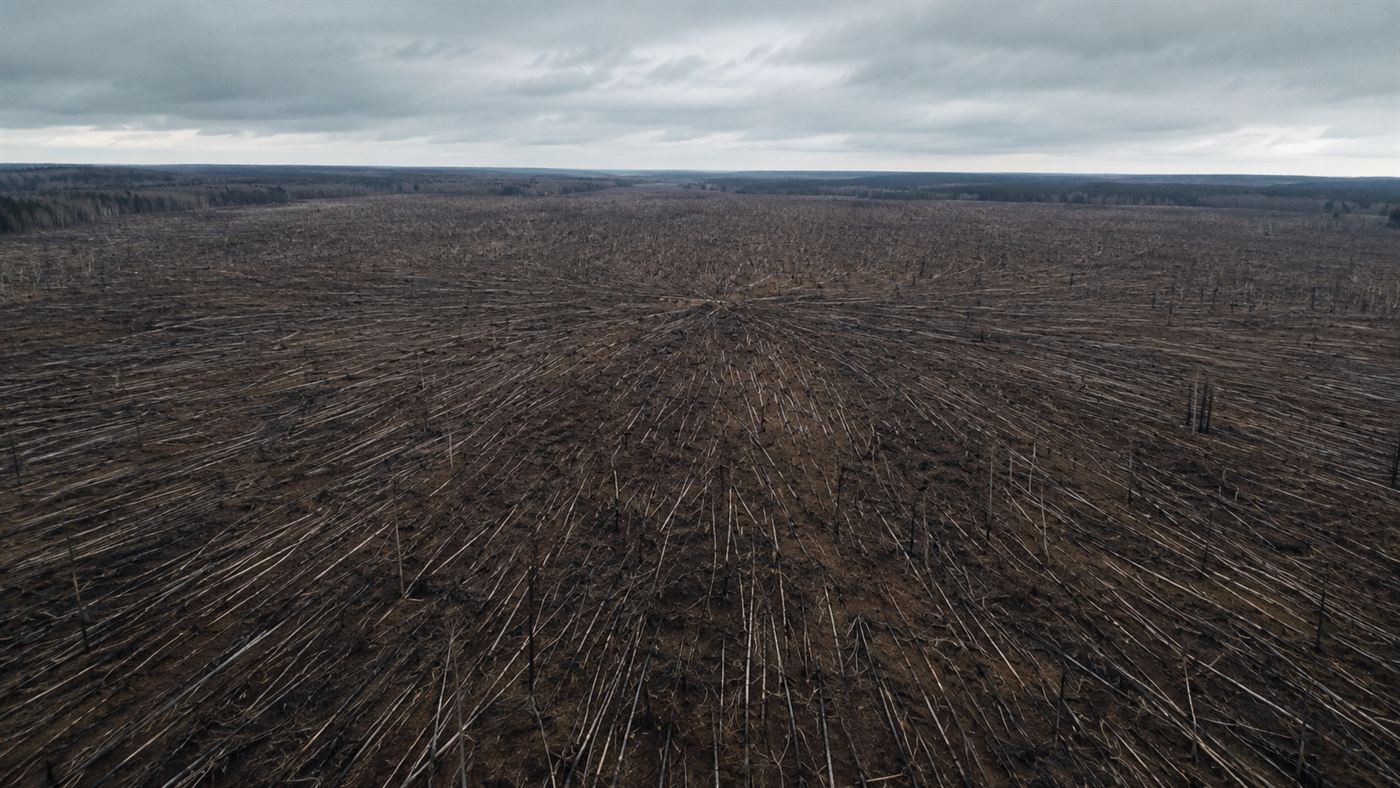
The shockwave was just as staggering. It shattered windows hundreds of kilometres off, was detected circling the entire Earth not once but three times, and the heat could have caused burns at a distance of a hundred kilometres. The bomber crew that dropped it were given only a coin-flip chance of surviving, and they released the Tsar Bomba with a giant parachute precisely so they had time to flee before it went off.
Why a record-breaking bomb was useless
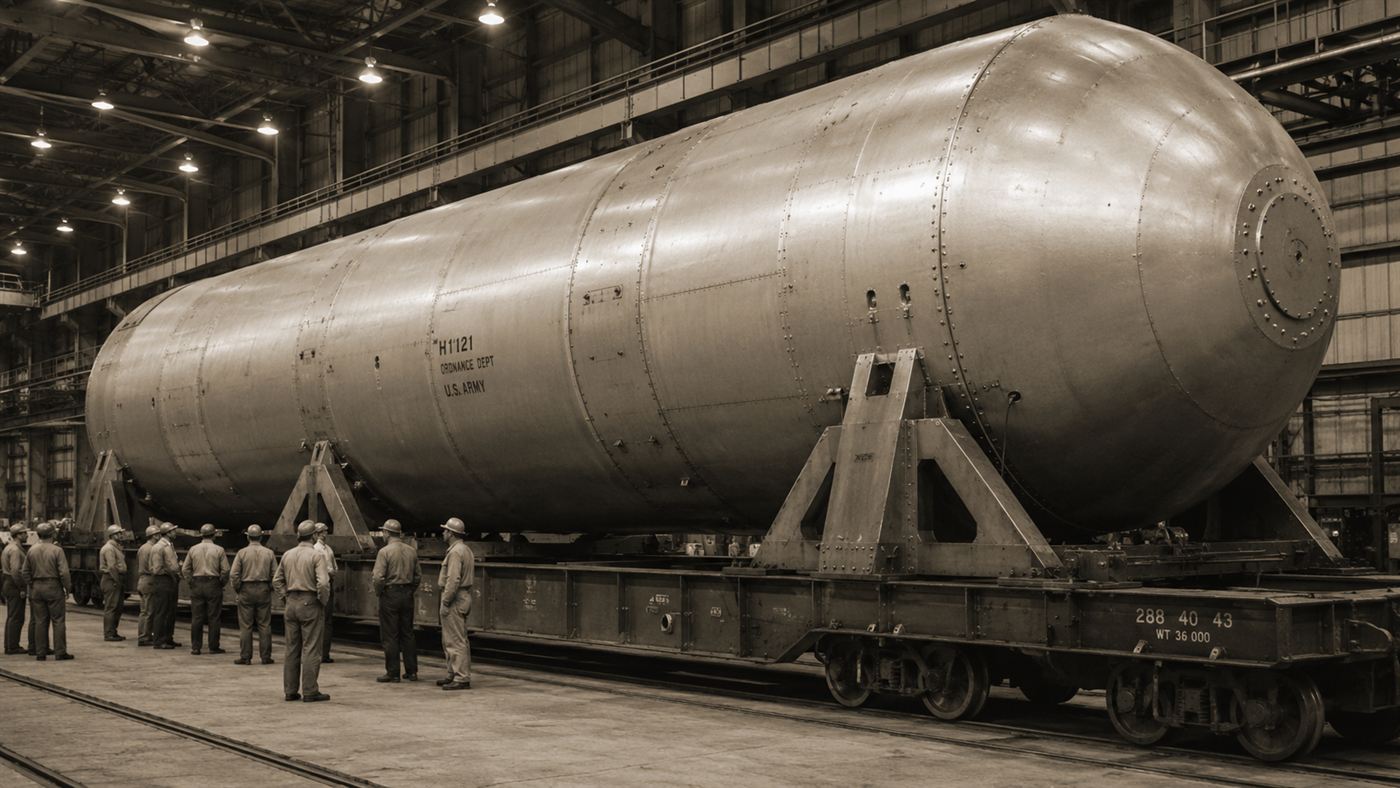
Here is the strange heart of the story: for all that power, the Tsar Bomba was essentially a useless weapon. It was so heavy and bulky that it could only be carried by a single, specially modified bomber with its bay doors removed, an aircraft that would be shot down long before reaching any real target. No missile of the era could lift it, which made it a weapon that could not actually be delivered in a war.
Worse, from a coldly military view, a bomb that big does not even make sense. Beyond a certain size a single huge blast mostly throws its energy uselessly up into space, so the same destruction is achieved far more efficiently by several smaller warheads spread across an area. The Soviet giant was not really a practical weapon at all; it was a message, a piece of psychological theatre meant to frighten the West and impress the world.
The man who built it and turned away
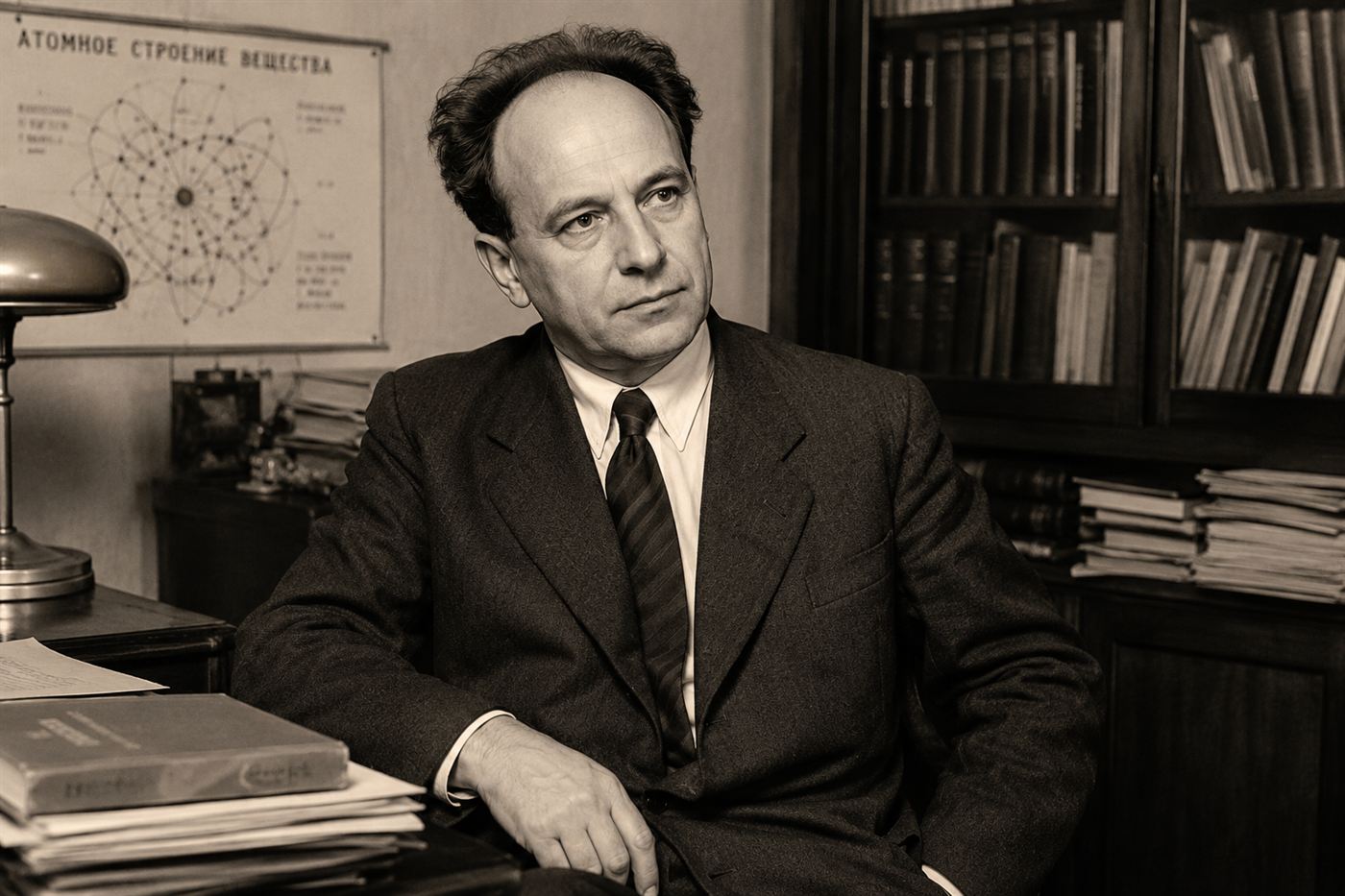
The scientific lead behind the Soviet hydrogen bomb programme was a brilliant physicist named Andrei Sakharov, and the Tsar Bomba sits at the hinge of his life. He helped create the most destructive device ever built, and the experience of watching what these weapons could do, and grasping the radioactive fallout and danger they spread, began to turn him against the very thing he had made.
In the years that followed, as Britannica recounts, Andrei Sakharov became an outspoken critic of nuclear testing and eventually the Soviet Union's most famous dissident, a human-rights advocate whose work won him the Nobel Peace Prize and got him exiled within his own country. The arc from chief bomb-maker to peace laureate is one of the most remarkable turnarounds of the 20th century.
The honest catch
It is worth resisting the urge to treat the Tsar Bomba as a mere spectacle or a record in a book. It was real, and even in a deliberately remote test it caused genuine harm, flattening abandoned villages, breaking buildings far away and spreading radioactive fallout, despite design changes that cut its potential yield roughly in half to reduce the contamination. The full-power version would have been around 100 megatons, a number almost too reckless to contemplate.
And Sakharov's story, moving as it is, should not be sanded into a tidy redemption. He did help build weapons capable of annihilating cities, and his change of heart, however sincere and brave, came after the fact. The deeper lesson of the Tsar Bomba is not heroism but limits: a moment when even the architects of the arms race seem to have glimpsed that they had built something with no sane purpose at all.
Why the biggest bang still matters
The Tsar Bomba was never repeated, and in a strange way it marked a turning point. Having proved that bombs could be made essentially without limit, both sides quietly backed away from the idea, and the era of ever-larger single weapons gave way to treaties, test bans and arsenals of smaller, more numerous warheads. The king of bombs was, in effect, a dead end that everyone could see.
It endures now as a kind of dark monument, the loudest single thing our species has ever done, and a reminder of how far the logic of fear can run before it collapses under its own absurdity. That the man at the centre of it spent the rest of his life trying to undo that logic is the part of the Tsar Bomba story most worth carrying forward.
The most powerful weapon ever built turned out to be too big to use, and its own maker spent his life fighting it. Is the Tsar Bomba a symbol of human madness, or of the moment we finally saw the limit? Tell us in the comments.
Related reading: The Pacific atoll the US emptied of people and blasted with 23 nuclear bombs.