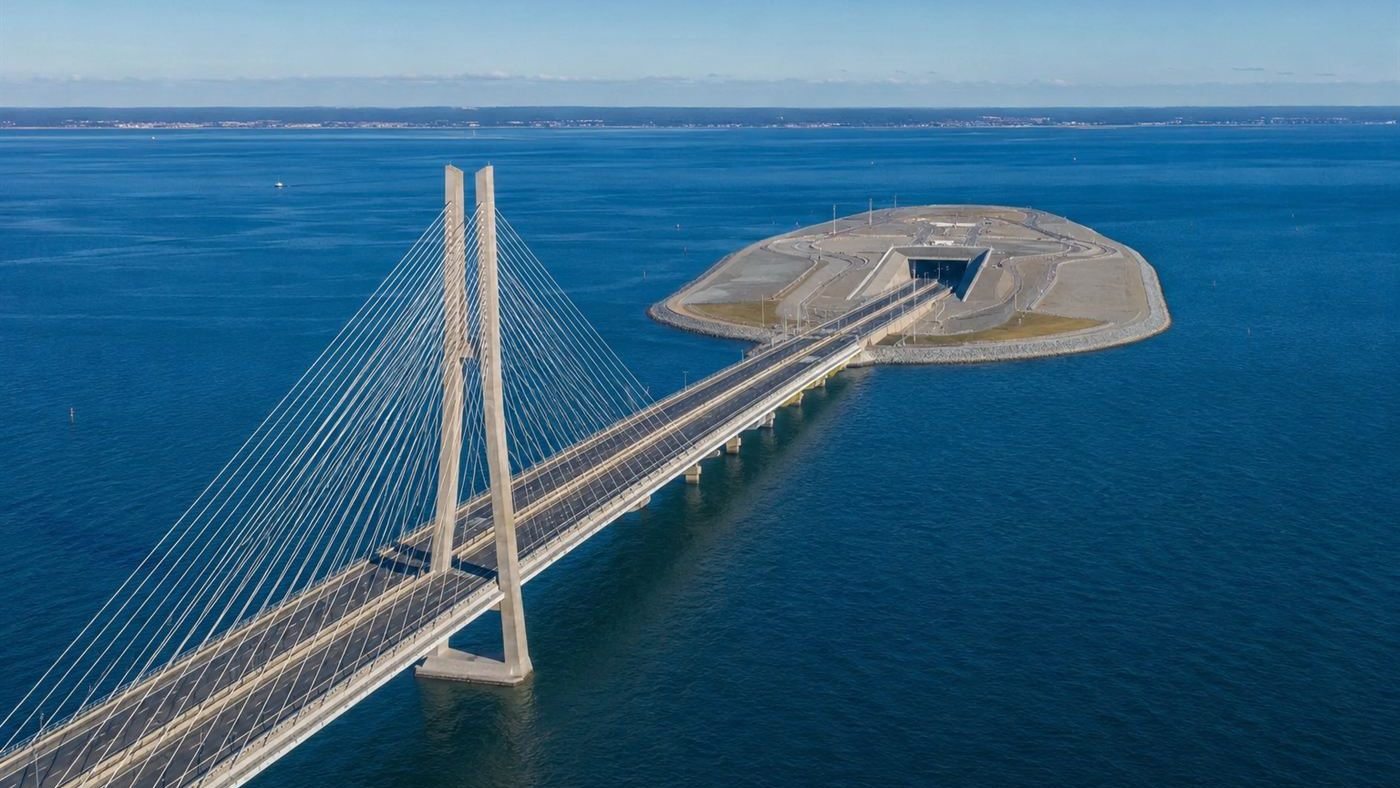
In 1805 engineers sent canal boats floating across the sky in an iron trough 38 metres up, with nothing but air on the open side
Crossing the Pontcysyllte Aqueduct in a narrowboat is one of the strangest feelings in Britain. You glide along in a thin channel of water with a footpath safely railed on one side, and on the other side, just inches from the hull, the iron ends and the world simply drops away, 38 metres straight down to a river. It has felt like this for more than two centuries.
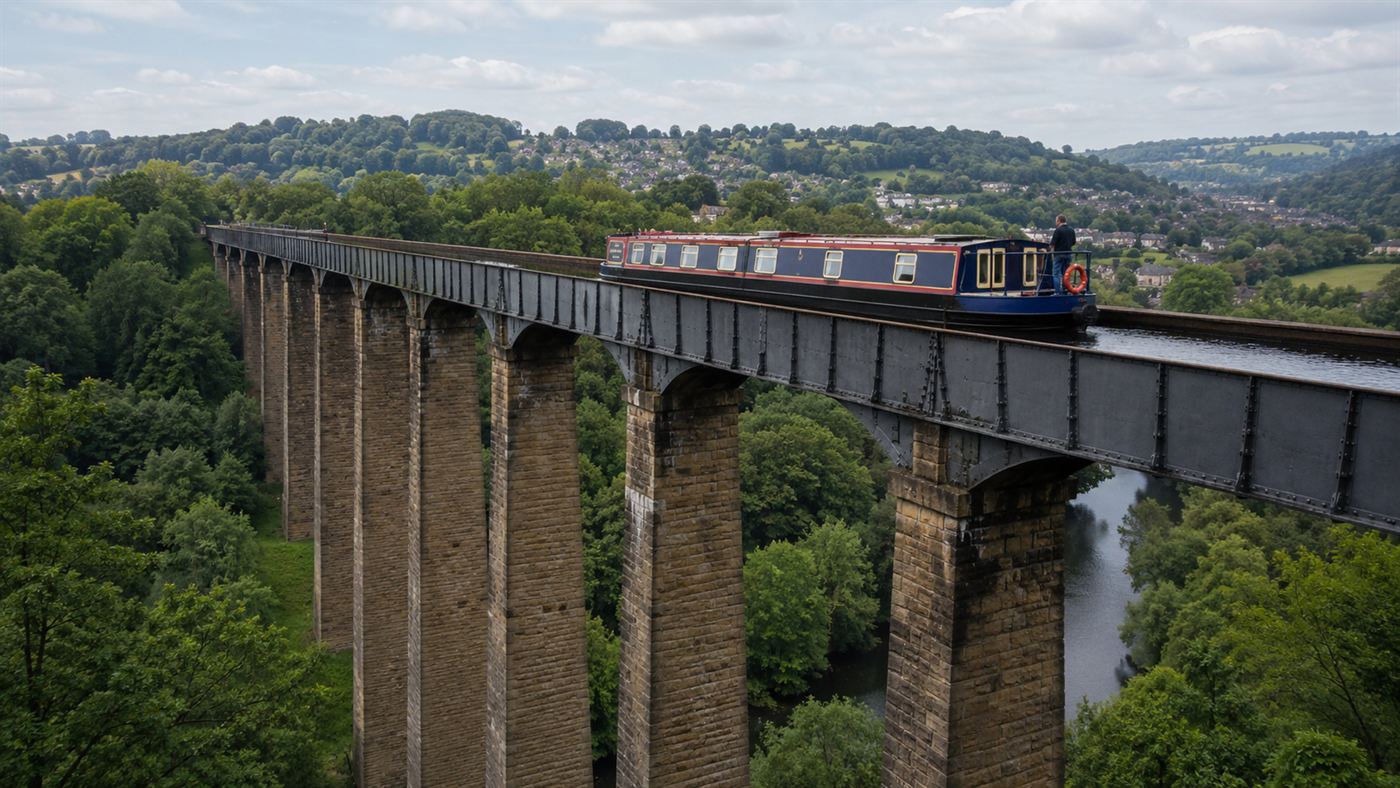
The Pontcysyllte Aqueduct: a ribbon of water carried high across the valley of the River Dee. Illustration: Watts & Wild.
The aqueduct stands in north Wales, near Llangollen, and it carries a canal clean across the valley of the River Dee. As UNESCO records, it was completed in 1805 after about ten years of work, and at roughly 38 metres high it is the tallest canal aqueduct in the world, a structure so admired that it is now a World Heritage Site. The people who dreamed it up were doing something that had no real precedent at this scale.
The mind behind it was Thomas Telford, then a rising star of British engineering who would later be nicknamed the Colossus of Roads, working under the steadier hand of the veteran canal engineer William Jessop. Their solution was startlingly bold for 1805: instead of a heavy stone channel, they would carry the water in a long trough made of cast iron, held up in the air on tall, slender stone pillars.
How the Pontcysyllte Aqueduct holds water in the air
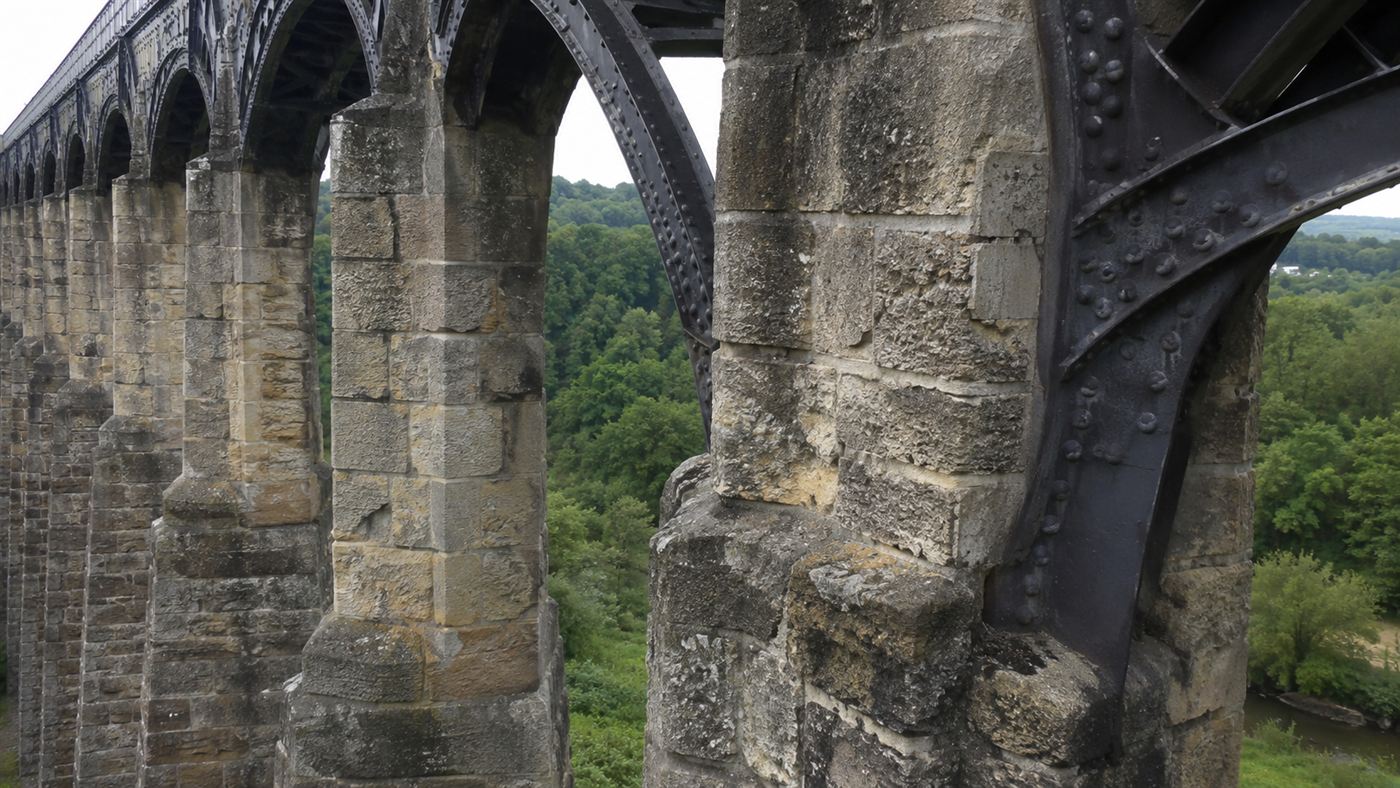
The cleverness is in the weight, or the lack of it. A solid masonry aqueduct tall enough to cross this valley would have been enormously heavy and prohibitively expensive. By making the water channel itself out of iron plates bolted together, Telford built something far lighter that could perch on delicate-looking piers. Eighteen hollow stone columns lift the iron trough across the gorge in a long, graceful line.
Keeping that trough watertight was its own puzzle, solved with wonderfully homespun materials. As the documented record describes, the joints between the iron plates were sealed using Welsh flannel packed into the seams, together with a paste of lead and iron filings left over from the boring works. One of the great engineering marvels of the age was, in part, caulked together with cloth. Two centuries later, it still holds.
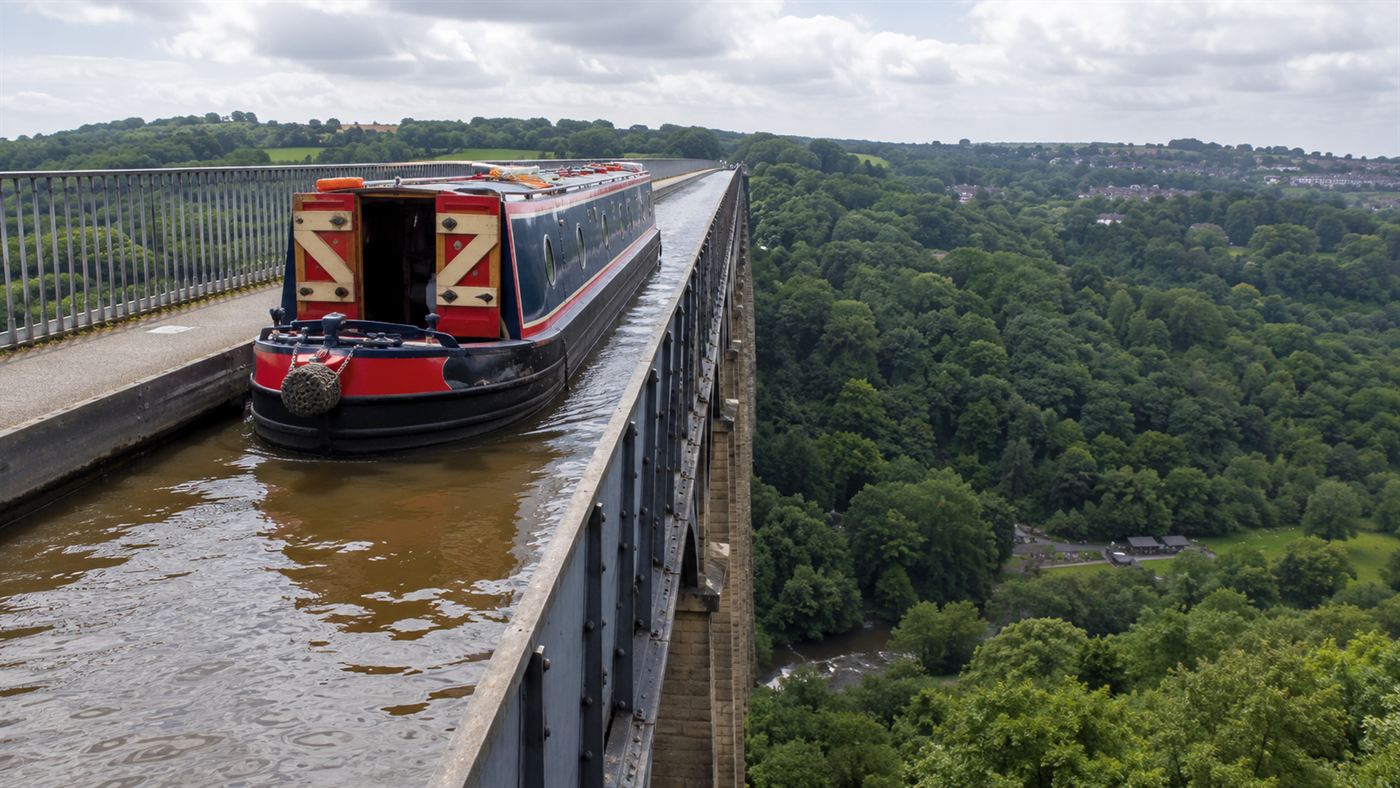
The famous open edge
That missing railing is the detail people never forget. On the towpath side there is a handrail for the person walking the boat across, but on the far side the iron trough simply has a lip and then nothing. To anyone on the boat, it looks as though the narrowboat is floating along the very rim of the sky. It is, in fact, perfectly safe, the water and the boat sit snugly in the channel, but the sensation is pure vertigo, and it is exactly why people travel from around the world to cross it.
That drama was never the point, though. The aqueduct was a piece of hard industrial infrastructure, built to carry a canal that was meant to haul coal, iron and lime across difficult country and stitch the booming industries of the region into the wider waterway network.
The honest catch
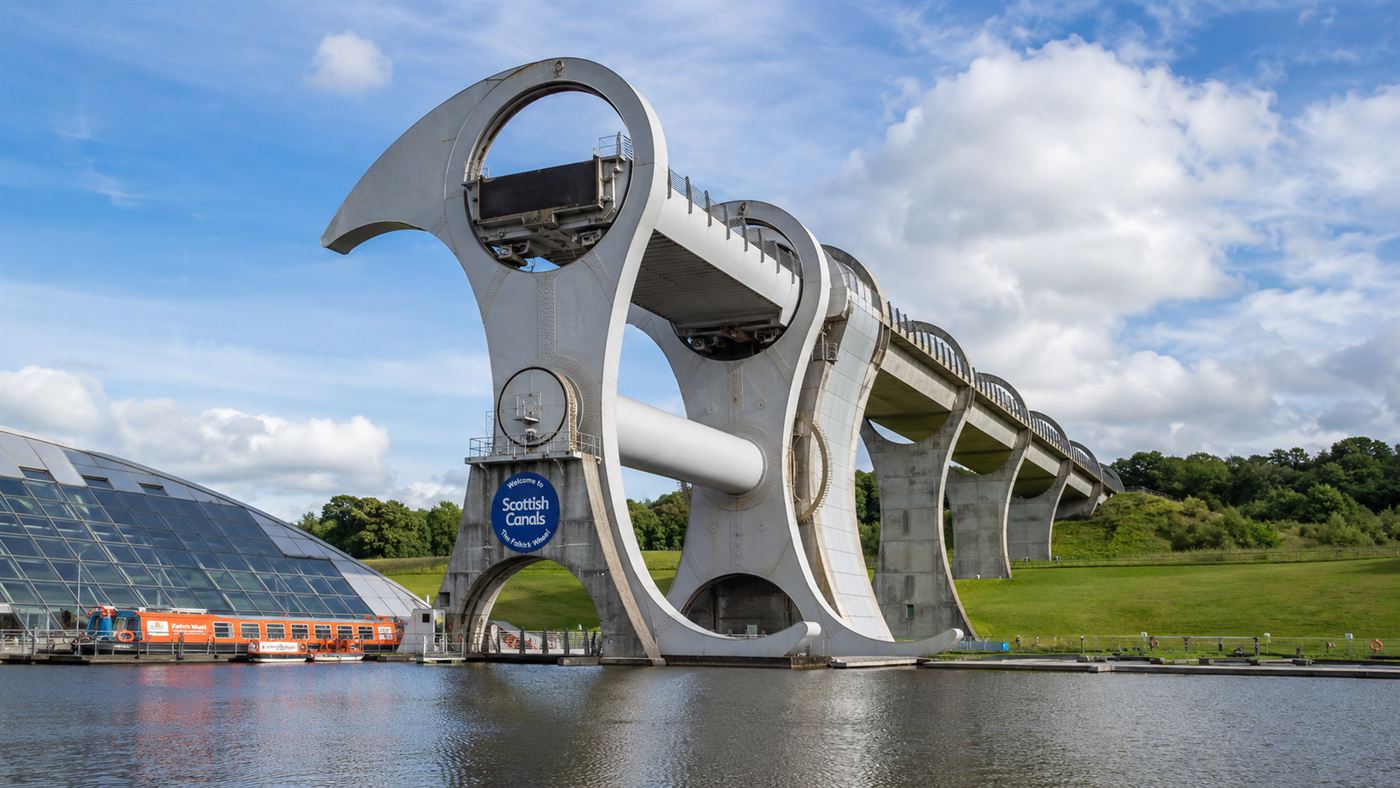
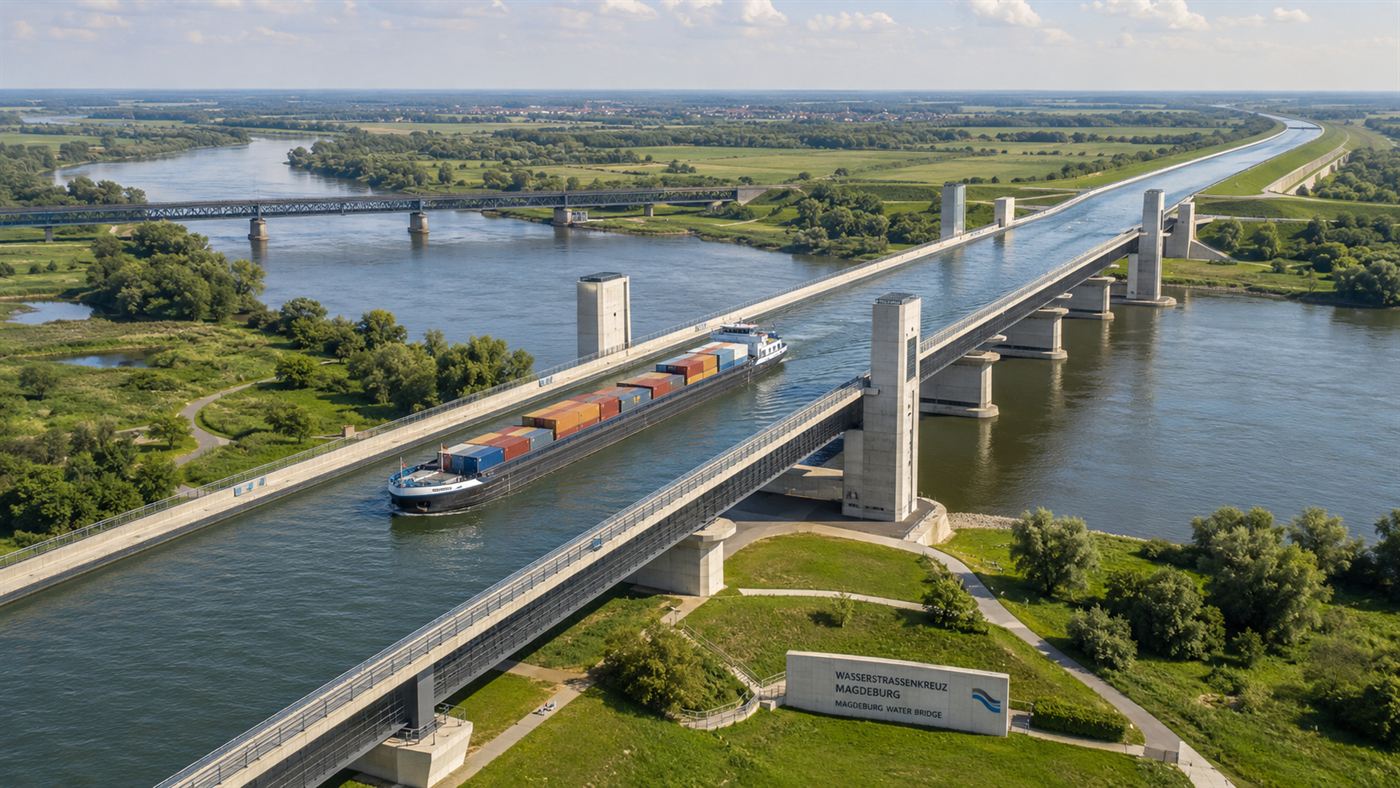
The romance of the place tends to crowd out two honest truths. The first is that the grand commercial scheme it was built for never fully arrived; the wider canal it was meant to serve was scaled back and never became the great trunk route its backers imagined, so this masterpiece ended up on what became more of a scenic branch line than a busy industrial artery. The second is that the lone-genius story does Telford's collaborators a disservice, the experienced Jessop and the ironmaster who cast the trough were every bit as essential as the famous name. None of that diminishes the achievement. A canal that floats across a valley on iron and cloth, still carrying boats safely after more than 200 years, is one of the most quietly astonishing things the Industrial Revolution ever left behind. It sits happily alongside other water-defying feats like the rotating Falkirk Wheel and the Magdeburg water bridge in Germany.
Two hundred years before anyone talked about iconic infrastructure, a young engineer floated a canal across the sky and made it stick. Would you steer a boat along that open edge, or watch from the safe side of the railing? Tell us what you think in the comments.
Related reading: the Falkirk Wheel, the giant rotating machine that lifts entire canal boats between two waterways.