Ship owners overloaded vessels and let sailors drown for the insurance money, until Samuel Plimsoll forced a safety line onto every hull
Look at the side of any cargo ship and you will see a small circle crossed by a line near the waterline. That mark is the Plimsoll line, and the fight to put it there saved the lives of countless sailors.
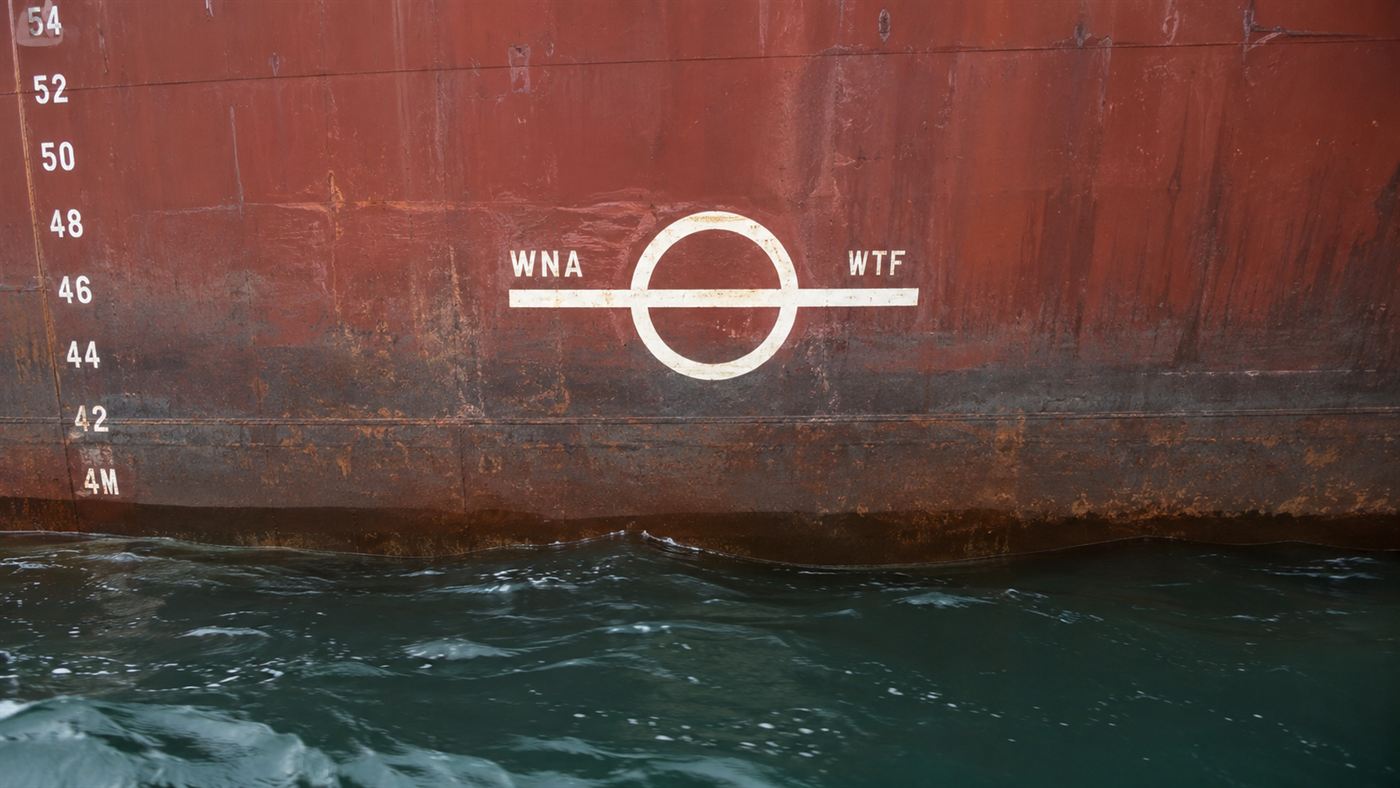
The Plimsoll line shows how heavily a ship can safely be loaded. Illustration: Watts & Wild.
It looks like the most boring marking on a ship, a simple painted circle with a line through it.
Behind that humble symbol lies a Victorian scandal of greed, drowned crews and one furious campaigner, much like the contemporary who invented the weather forecast to warn ships of storms and was mocked for it.
What is the Plimsoll line? The Plimsoll line is a marking on a ship's hull that shows the maximum depth to which it can safely be loaded. If cargo pushes the hull down until water rises above the line, the ship is overloaded and dangerous. It is named after the reformer Samuel Plimsoll.
The coffin ships
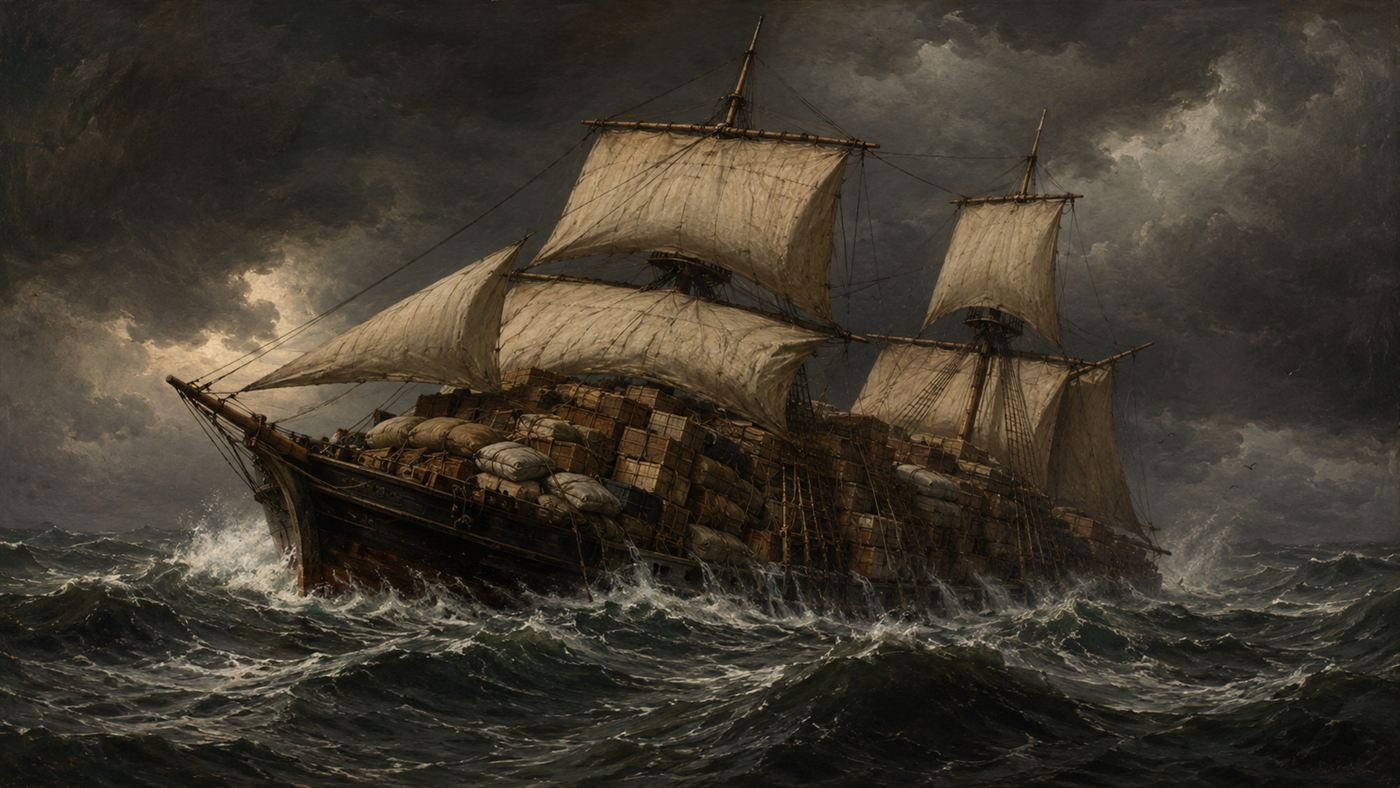
In nineteenth-century Britain, some shipowners discovered a grim way to make money from a sinking.
They would cram an old, barely seaworthy ship far past any safe limit, then insure it for more than it was worth.
If such an overloaded vessel went down, the owner simply collected the insurance, while the crew paid with their lives.
These floating death traps became known as coffin ships, and sailors who refused to board them could be jailed for desertion.
Thousands of seamen drowned in vessels their owners had quietly written off.
The sailor's friend
One member of Parliament refused to let the drownings continue in silence.
Samuel Plimsoll became known as the sailor's friend, and he made the cause of the merchant seaman his life's work.
In 1873 he published a fierce book called Our Seamen, laying out how owners were sending men to die for profit.
He demanded a simple fix, a compulsory line painted on every hull to show when a ship was loaded past safety.
Against him stood a powerful block of shipowners, many of them sitting in Parliament themselves.
The outburst that won
In 1875, when the government dropped his reform, Plimsoll lost his temper on the floor of the House of Commons.
He shook his fist, denounced his opponents as villains, and refused to back down, nearly getting himself disciplined.
Rather than sinking his cause, the outburst turned him into a public hero overnight.
Newspapers and ordinary people rallied behind the man who had dared to shout for the drowning sailors.
The pressure became impossible for the government to ignore.
The Plimsoll line on every hull
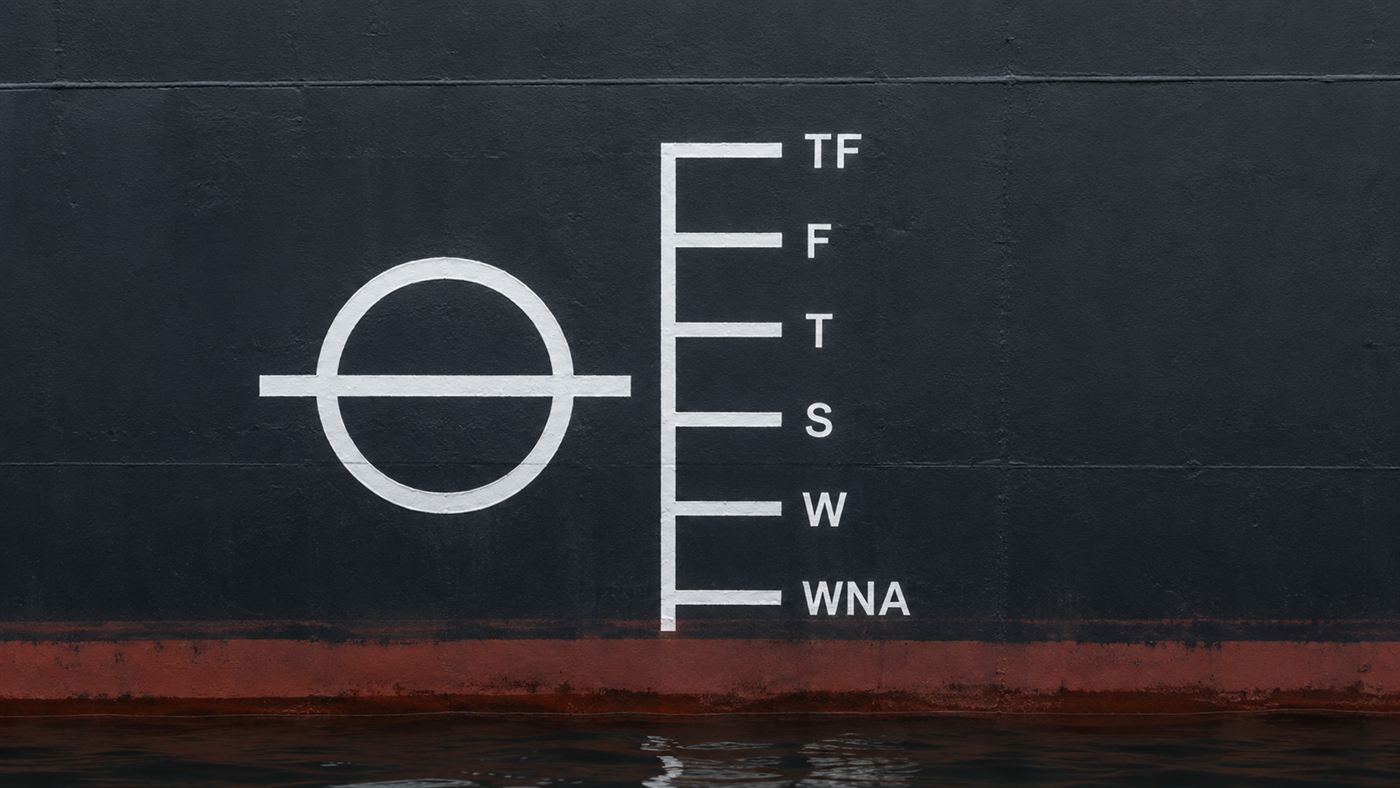
In 1876 Parliament passed a Merchant Shipping Act that made the load line compulsory on British ships.
For the first time, an inspector could look at a hull and see at a glance whether a ship was dangerously overloaded.
Over the following decades the idea spread around the world and became an international standard.
Today every merchant ship carries a version of the load line, a circle and a comb of letters marking safe limits for different seas and seasons.
A single painted symbol quietly protects sailors on every ocean.
The honest catch
The victory was real, but it was far messier than the legend suggests.
The first version of the law let the shipowner decide exactly where to paint the line, and some cynically painted it absurdly high up the hull.
Only in 1890 did the authorities fix the line's position so it could no longer be gamed.
Samuel Plimsoll himself was a passionate but hot-tempered figure, and the shipping lobby watered down his reforms at every turn.
Even the humble plimsoll shoe takes its name from the line, its rubber band echoing the mark around a hull.
The Plimsoll line is a reminder that some of the most powerful safety ideas are also the simplest, once someone fights hard enough to demand them.
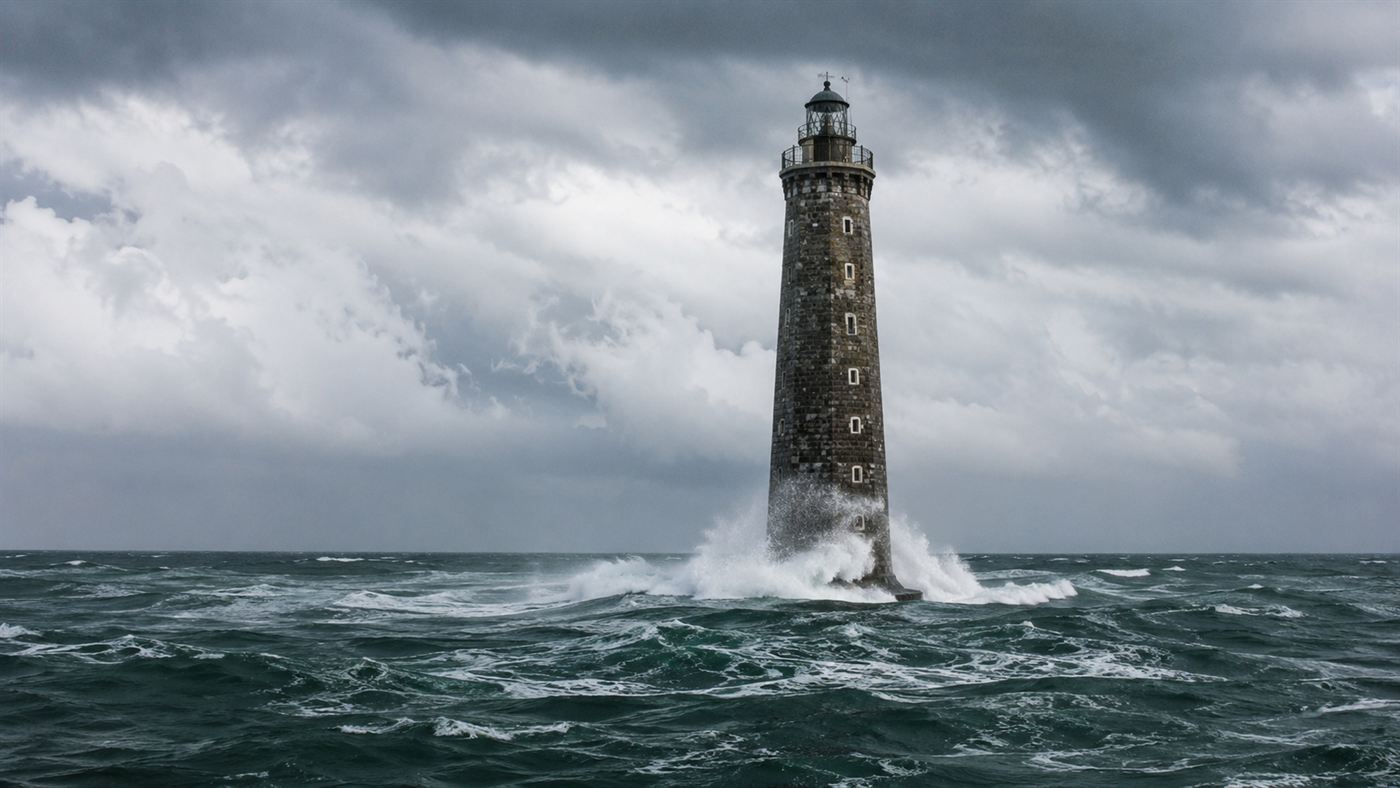
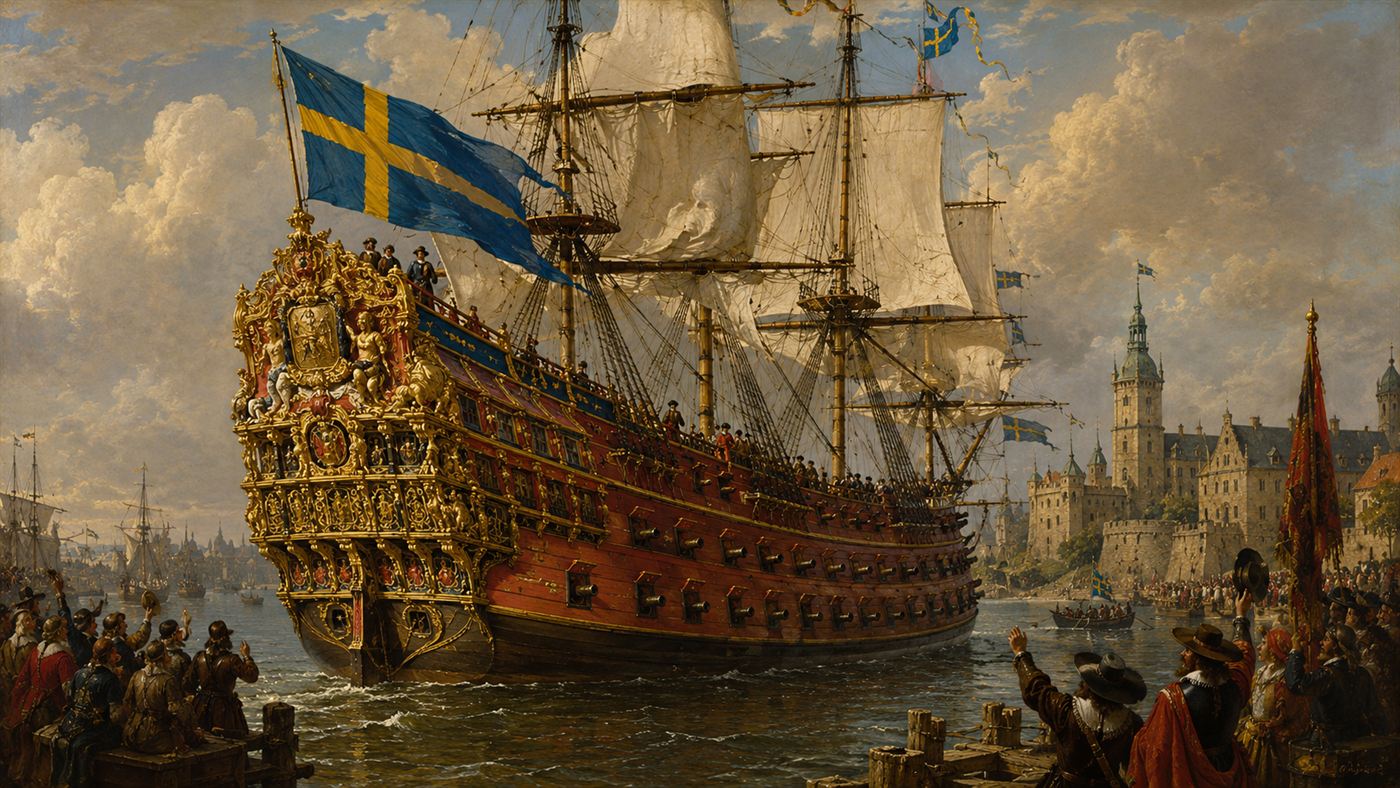
It belongs with the other hard-won triumphs over the sea we have told, from the lighthouse built on a drowning reef to the cautionary tale of the top-heavy warship that capsized on its first day.
If one stubborn campaigner could paint a life-saving line onto every ship in the world, what unglamorous safety fix do you think we are still missing today, and who will fight for it? Tell us in the comments.