A shrimp the size of your finger snaps a claw so fast it fires a bubble hotter than the surface of the sun
It looks like an ordinary little crustacean, but the pistol shrimp hides one of the most extreme weapons in nature. With a single flick of its oversized claw it can stun a fish without ever touching it.
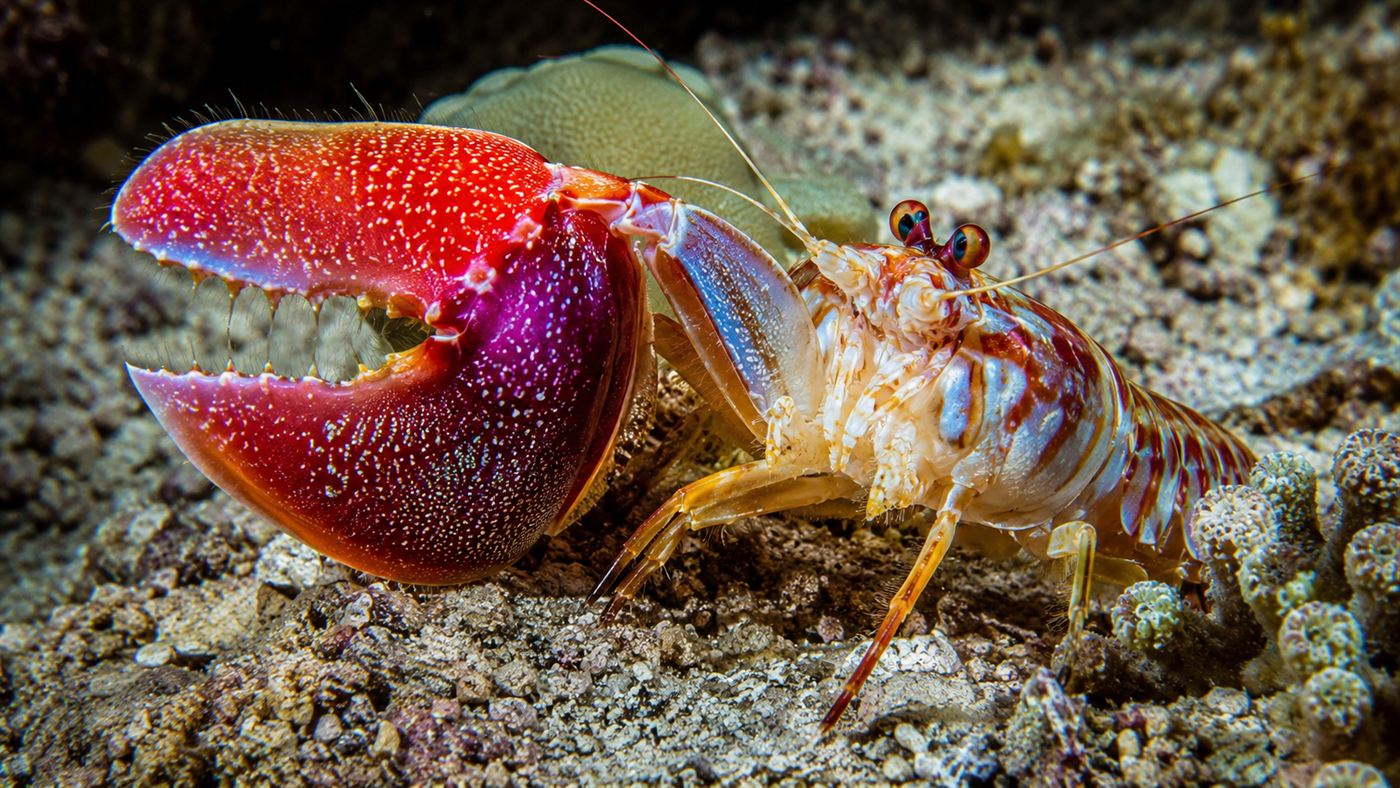
One claw of the pistol shrimp is grown into a spring-loaded weapon. Illustration: Watts & Wild.
Some of the most violent physics in the ocean comes from one of its smallest hunters, and it all starts with the pistol shrimp claw.
The pistol shrimp is barely a few centimetres long, yet it fights with what amounts to an underwater gun.
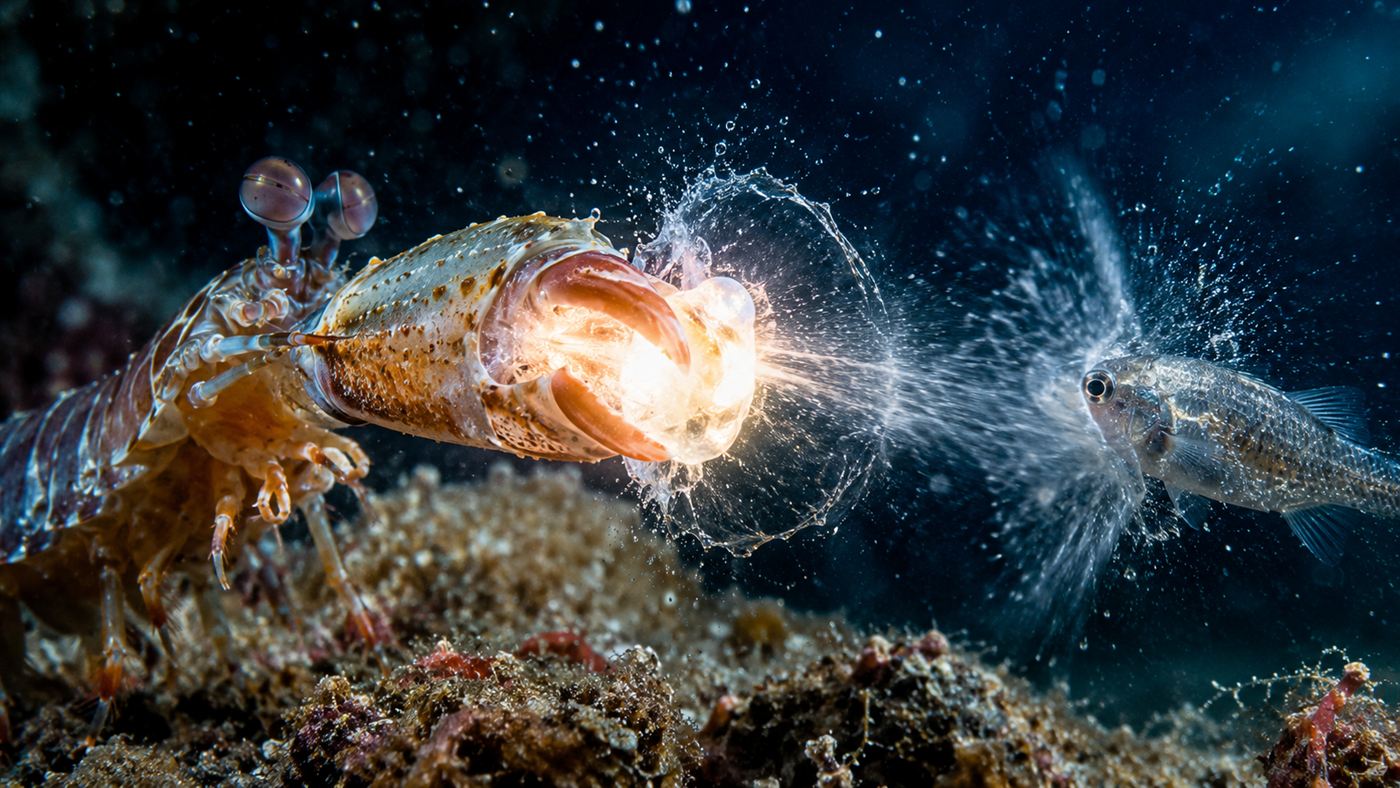
How does a pistol shrimp stun its prey? The pistol shrimp snaps its oversized claw shut so fast that it shoots out a jet of water and forms a collapsing bubble. The bubble bursts with a loud snap and a shockwave powerful enough to stun or kill nearby prey, so the shrimp never has to land a direct hit.
The pistol shrimp claw, a built-in gun
One of the pistol shrimp's front claws is wildly oversized, sometimes nearly half the length of its whole body.
Instead of pinching, this claw works like a spring-loaded hammer that cocks open and then snaps shut in an instant.
When it fires, the claw slams closed so fast that it pushes out a jet of water at around 100 kilometres per hour.
That is far quicker than any normal muscle could manage, because the claw stores and releases energy like a catapult.
For such a small animal, it is an absurdly powerful piece of natural engineering.
A bubble as hot as the sun
The real weapon is not the claw itself but the bubble it creates.
The jet of water moves so fast that the pressure drops and the water briefly boils into a vapour pocket, a process called cavitation.
When that bubble collapses a fraction of a second later, the energy crushes into a tiny point and the temperature inside spikes to an estimated 4,700 degrees Celsius. The same cavitation physics powers the punch of its cousin, the mantis shrimp, which boils the water with the fastest strike in nature.
That is almost as hot as the surface of the sun, reached for a few millionths of a second inside a bubble too small to see.
The collapse even gives off a faint flash of light, a strange effect known as sonoluminescence, sometimes nicknamed shrimpoluminescence.
One of the loudest sounds in the sea
That collapsing bubble also unleashes an astonishing amount of sound.
The snap can reach around 210 decibels underwater, ranking it among the loudest sounds any animal makes.
It is the shockwave from this snap, not the claw, that knocks out the small fish and crabs the shrimp hunts.
Whole colonies of snapping shrimp create a constant crackle that can interfere with sonar and underwater microphones, something navies have known since the Second World War.
An ocean that sounds like frying bacon is often a reef full of these tiny gunslingers.
The odd couple of the seabed
For all its firepower, the pistol shrimp often relies on a gentle partnership to survive.
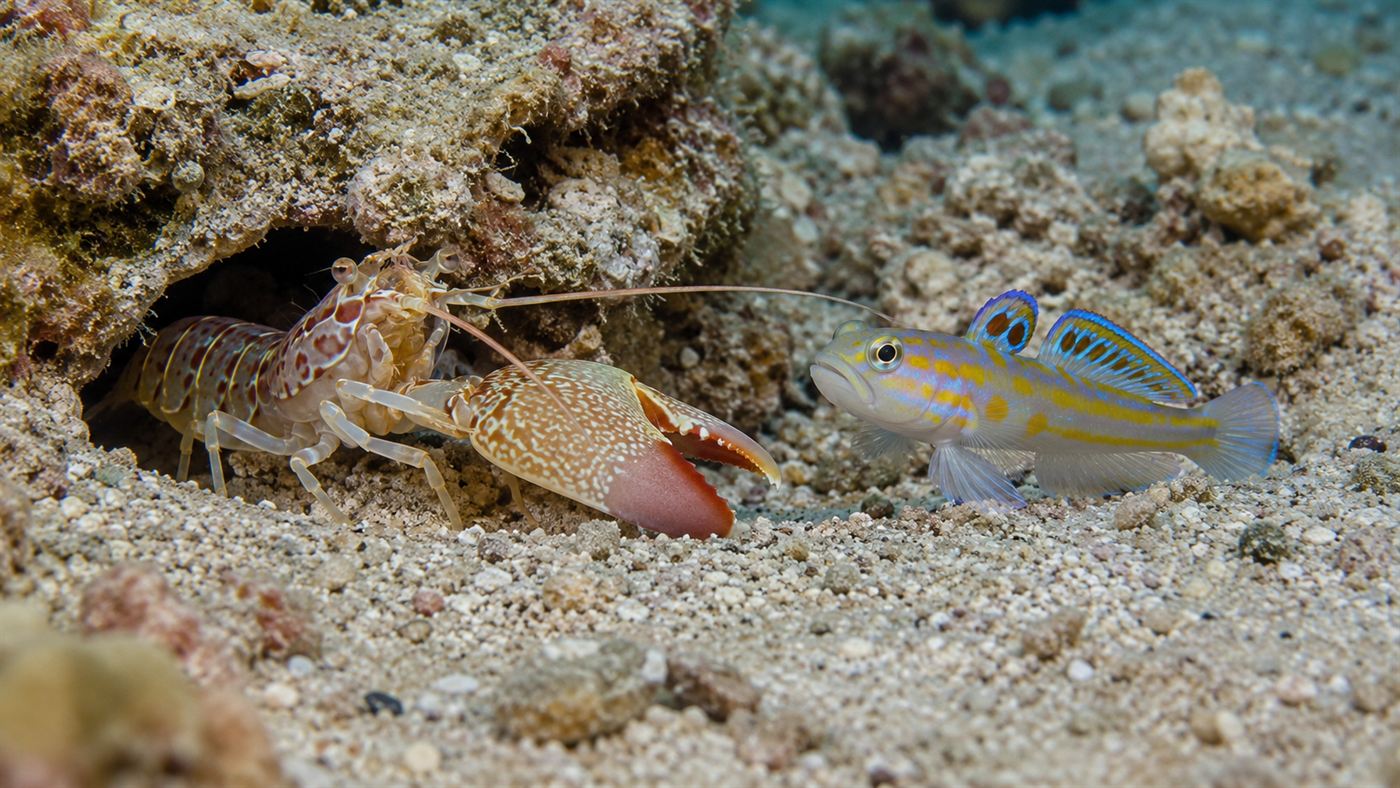
Many species share a burrow with a small fish called a goby, in one of the ocean's neatest team-ups.
The nearly blind shrimp does the digging and maintenance, while the sharp-eyed goby stands guard at the entrance.
The shrimp keeps one antenna resting on the fish, and when the goby darts for cover the shrimp instantly knows danger is near.
A creature with a sonic cannon, it turns out, still likes having a friend on watch.
The honest catch
The headline facts about the pistol shrimp are real, but they need a little perspective.
The temperature hotter than the sun exists only inside a microscopic bubble for an instant, releasing so little total heat that it cooks nothing at all.
The prey is stunned by the pressure wave, not boiled, and the famous flash of light is far too faint to see with the naked eye.
Even the title of loudest sound-maker is debatable, since a sperm whale's clicks are louder in absolute terms.
What is beyond doubt is that a finger-sized shrimp has quietly mastered physics that human engineers still study with high-speed cameras.
The pistol shrimp is proof that you do not need to be big to be one of the deadliest things in the water.
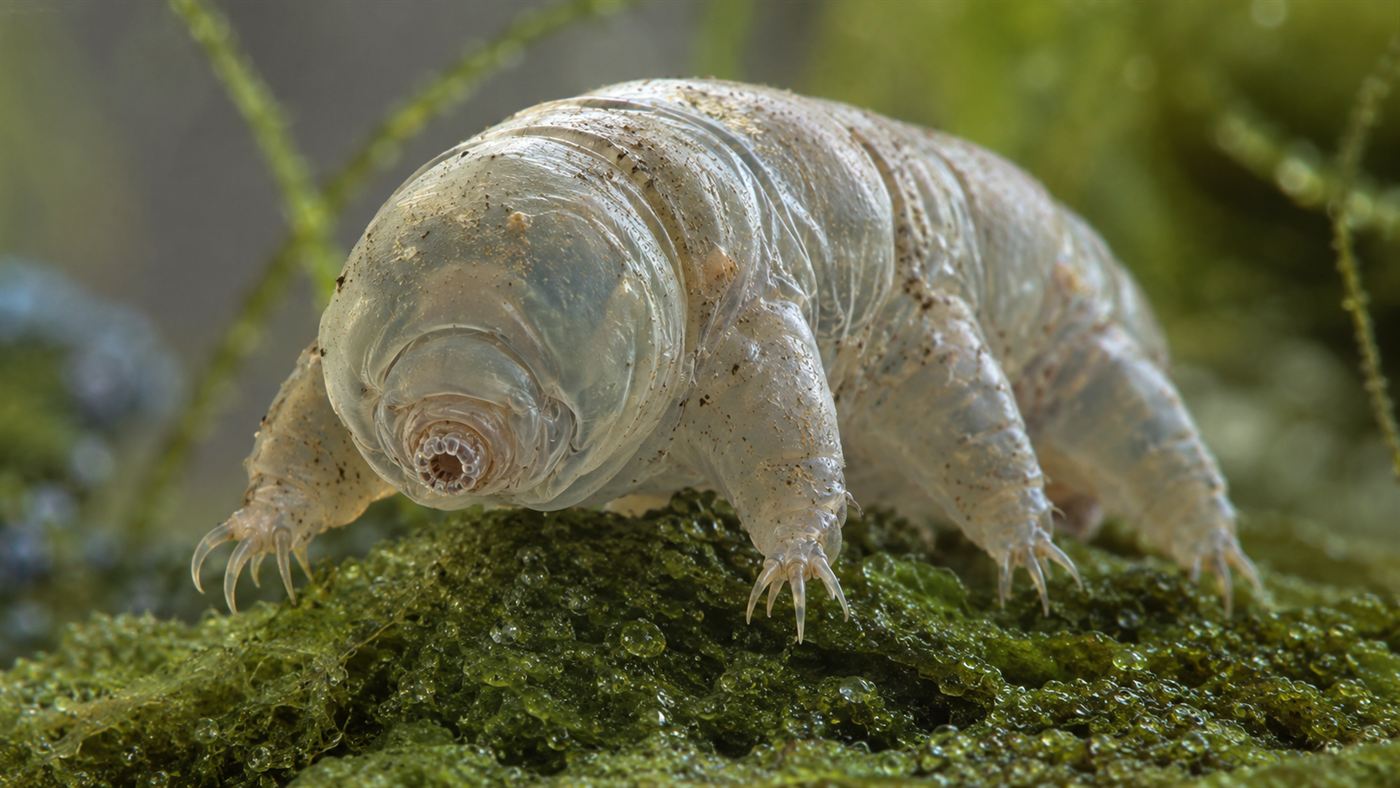
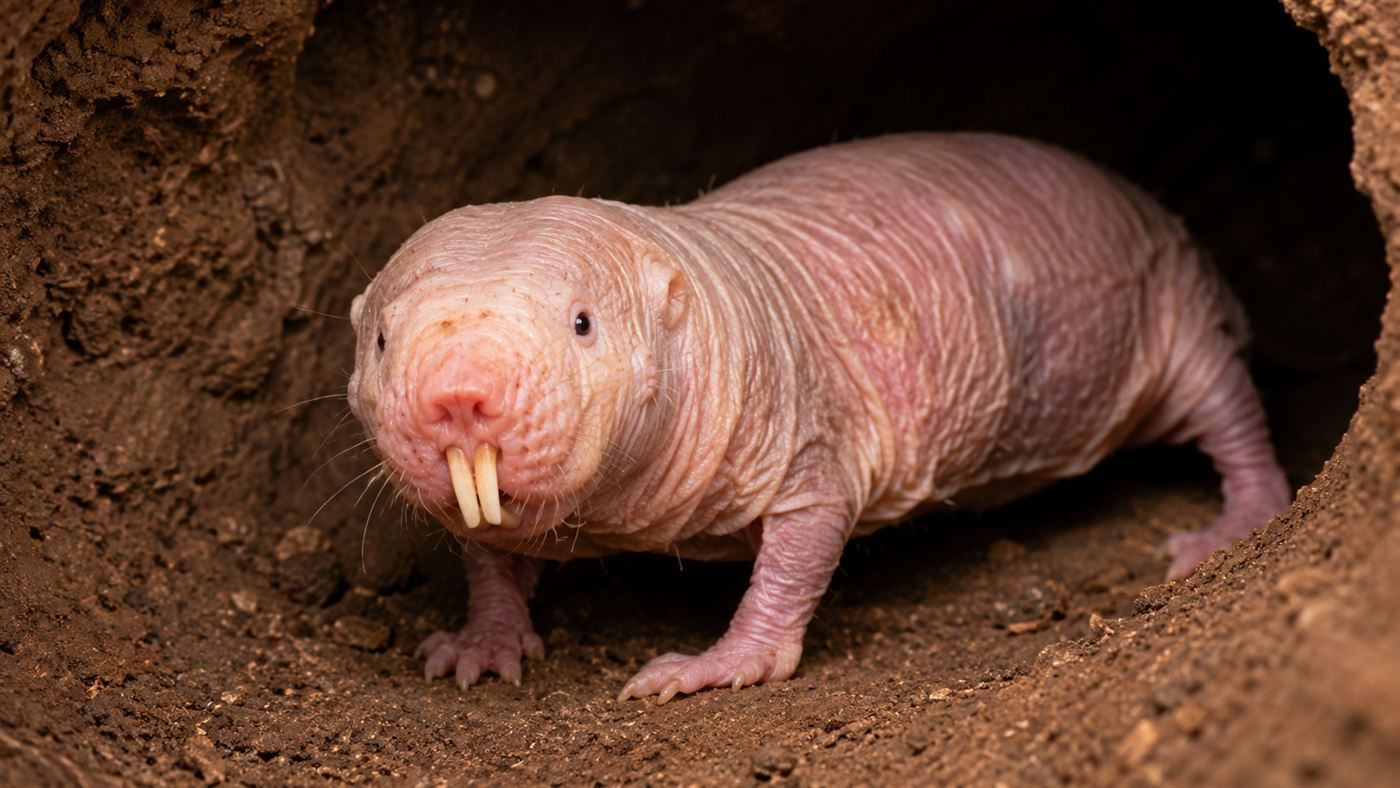
It belongs with the other small animals that break the rules of what biology should allow, from the tardigrade that survives the vacuum of space to the naked mole-rat that barely ages.
If a shrimp can wield a weapon hotter than the sun, what other superpowers do you think are hiding in the small, overlooked corners of nature, and which would you most want to see up close? Tell us in the comments.