When the world saw sharks only as mindless monsters, a young woman dived in among them, proved they were intelligent, and became famous as the Shark Lady
In the 1950s, sharks were nightmares with fins and marine science was almost entirely a man's world. Eugenie Clark swam straight into both, and by the time she was done the Shark Lady had turned the ocean's most feared animal into something we could finally understand.
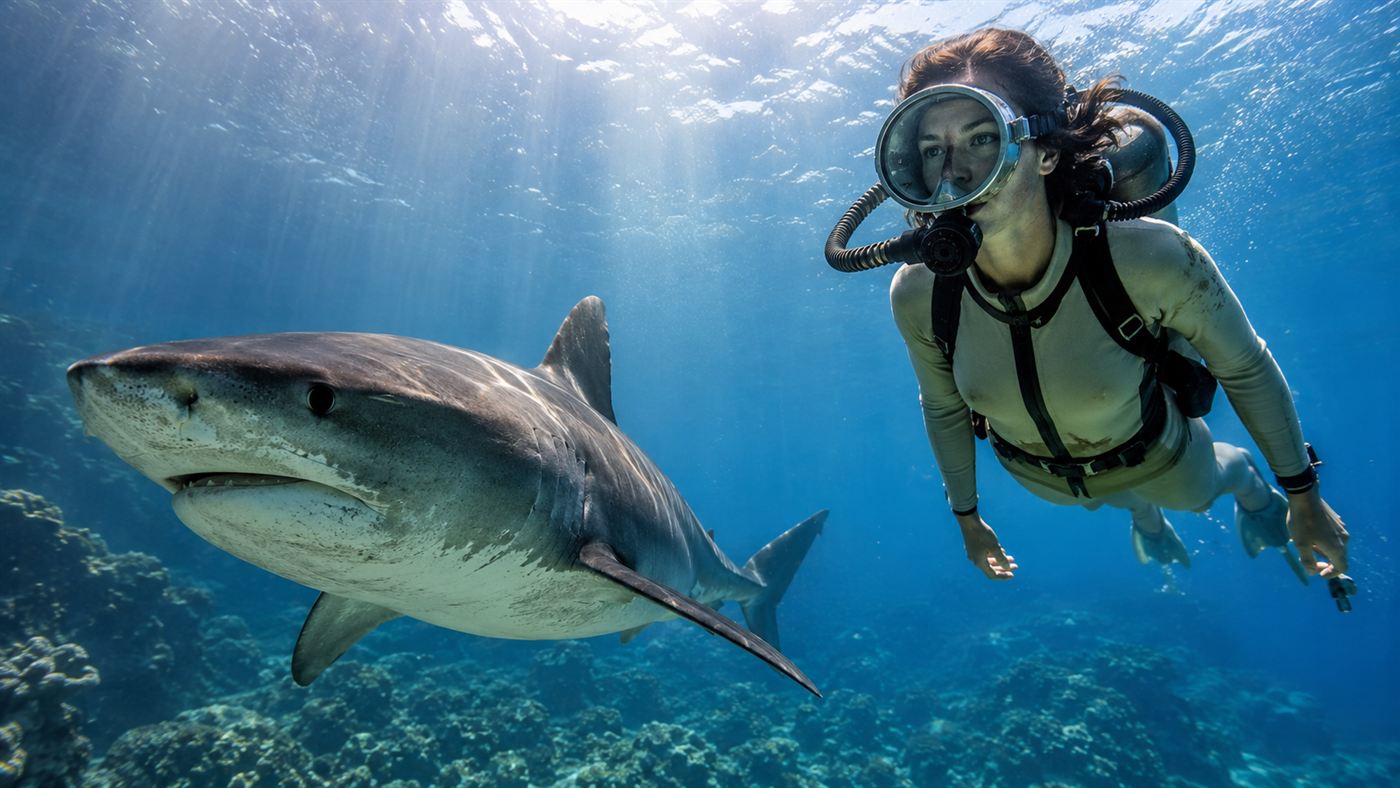
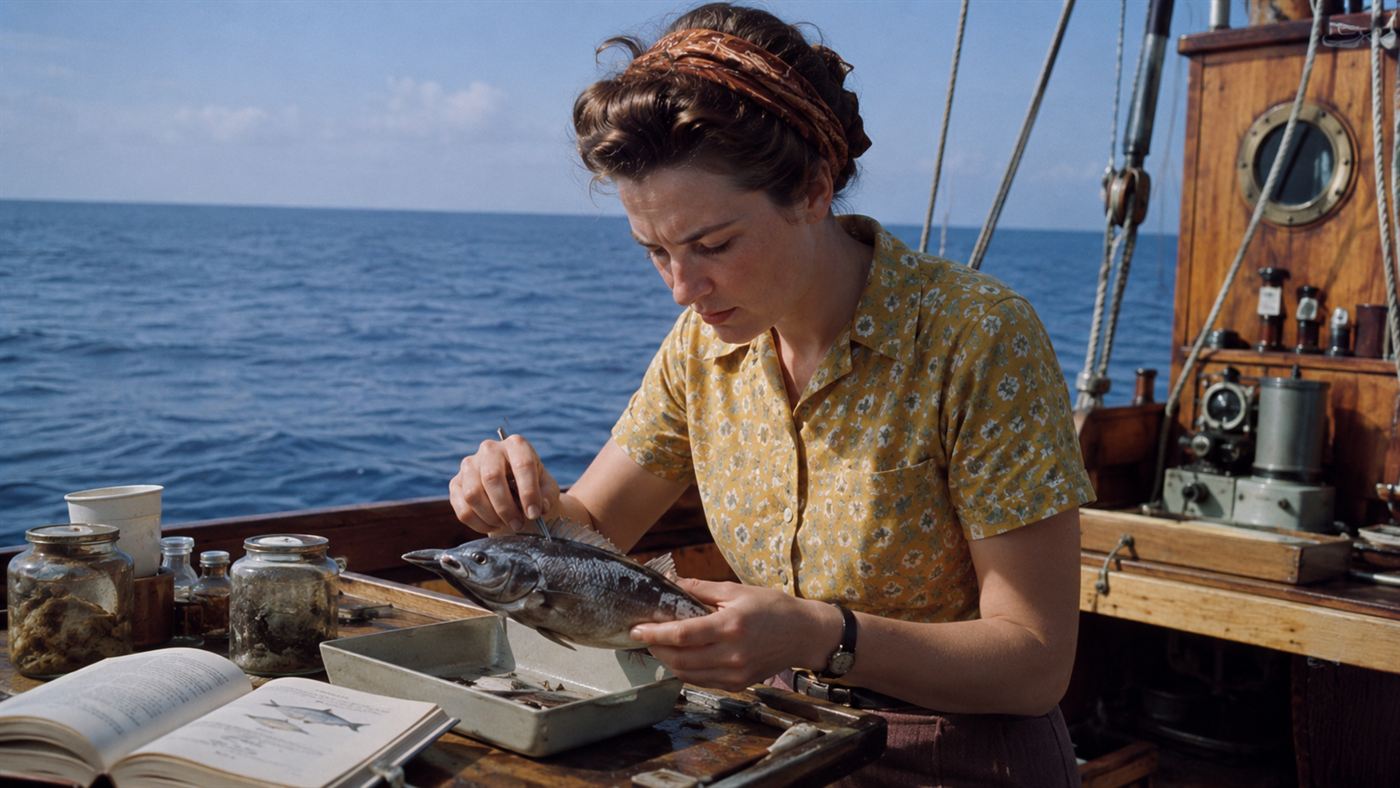
Eugenie Clark dived among sharks for decades, helping the world see them as more than monsters. Illustration: Watts & Wild.
Long before a famous film taught the world to scream at a fin in the water, Eugenie Clark, the Shark Lady, was quietly proving that sharks were nothing like the monsters of legend.
Eugenie Clark spent more than half a century as a marine biologist in the company of sharks, and she changed how all of us think about them.
Who was the Shark Lady? Eugenie Clark was a pioneering American marine biologist, nicknamed the Shark Lady, who studied sharks up close from the 1950s. She showed that sharks could learn, discovered a natural shark repellent, founded a major marine laboratory, and was still diving in her nineties.
A girl who loved the aquarium
Eugenie Clark was born in New York in 1922 to a Japanese-American family, and as a child she fell in love with the fish tanks at the city aquarium.
She decided early that she wanted to study fish for a living, at a time when very few women became scientists of any kind.
Clark pushed through into marine biology and ichthyology, the study of fish, facing both the sexism and the racism of mid-century America.
Her curiosity kept pulling her toward the animals everyone else wanted to avoid.
Of all the creatures in the sea, it was the sharks that fascinated her most.
Diving with the monsters
In the 1950s, the popular image of sharks was simple: mindless, bloodthirsty killing machines.
Eugenie Clark did something almost nobody had done, which was to get into the ocean and calmly watch sharks behave as living animals rather than monsters.
She dived with them, tagged them and studied them, and wrote about it in her bestselling 1953 memoir Lady with a Spear.
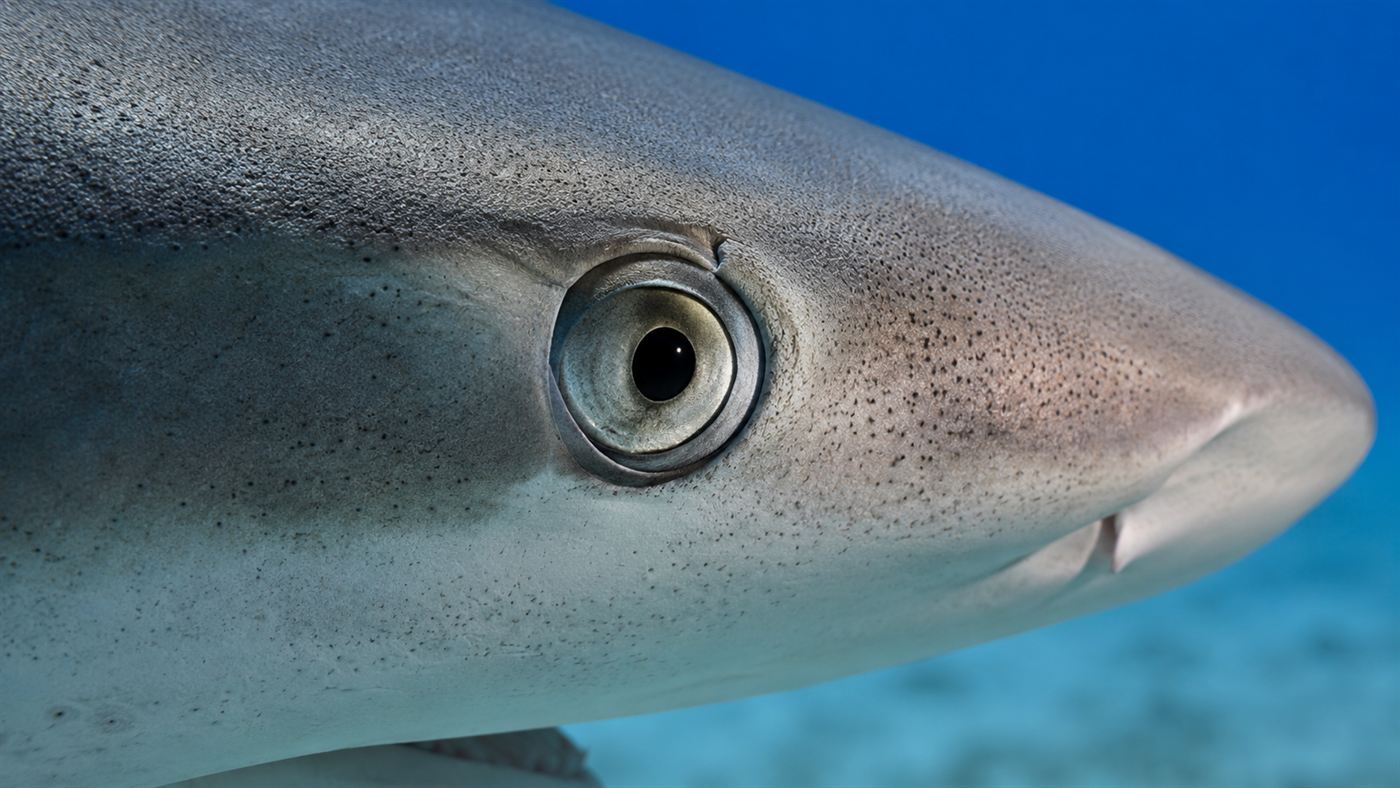
Where others saw only teeth, the Shark Lady saw behaviour, personality and intelligence worth measuring.
It was a radical act simply to treat sharks as something other than a threat to be killed.
Proving sharks can think
Clark's most striking work tackled the idea that sharks were too stupid to learn anything.
In a series of experiments she trained captive sharks to press a target to earn food, then to tell shapes and colours apart.
The sharks not only learned the task, they remembered it for weeks, even after long breaks.
It was hard evidence that sharks have real memory and learning, demolishing the myth of the brainless predator.
Sharks, it turned out, were far cleverer than the monster stories had ever allowed.
The shark repellent in a flatfish
Some of Clark's most famous work happened in the Red Sea, where she studied a humble flatfish called the Moses sole.
She noticed that sharks would refuse to bite it, and traced the reason to a milky toxin the fish releases from its fins.
That secretion turned out to be a natural shark repellent, powerful enough to make a shark's jaws clamp shut and turn away.
The discovery thrilled the world, raising hopes of a spray that could protect swimmers and sailors.
It was a vivid reminder that the ocean is full of chemistry we have barely begun to understand.
Eugenie Clark, the Shark Lady, and her lab
In 1955 Clark founded a small marine station in Florida that grew into the respected Mote Marine Laboratory, and Mote is today a major independent marine research institution.
Books, documentaries and a string of expeditions made her the most celebrated marine biologist of her day and a household name as the Shark Lady.
She kept working and, astonishingly, kept diving deep into old age, taking part in submersible dives and scuba trips well into her nineties.
Her final dives came when she was around 92, after more than seventy years underwater.
Few marine biologists have ever loved their subject so openly, or for so long.
The honest catch
It would be wrong to turn Clark's work into a claim that sharks are harmless, because that is not what she found.
Sharks are powerful wild predators, attacks do happen, and respecting them means keeping a healthy distance, not hugging them.
Her celebrated shark repellent, for all its promise, proved too unstable and impractical to become the protective spray people hoped for.
What she truly changed was the story, replacing the mindless monster with a complex animal worth protecting, just as today perhaps a third of shark species are threatened by fishing and the fin trade, a shift in attitude as important as any single discovery.
Eugenie Clark proved that the way to disarm a monster is often just to understand it, and that a single curious person can rewrite how millions see a whole animal.
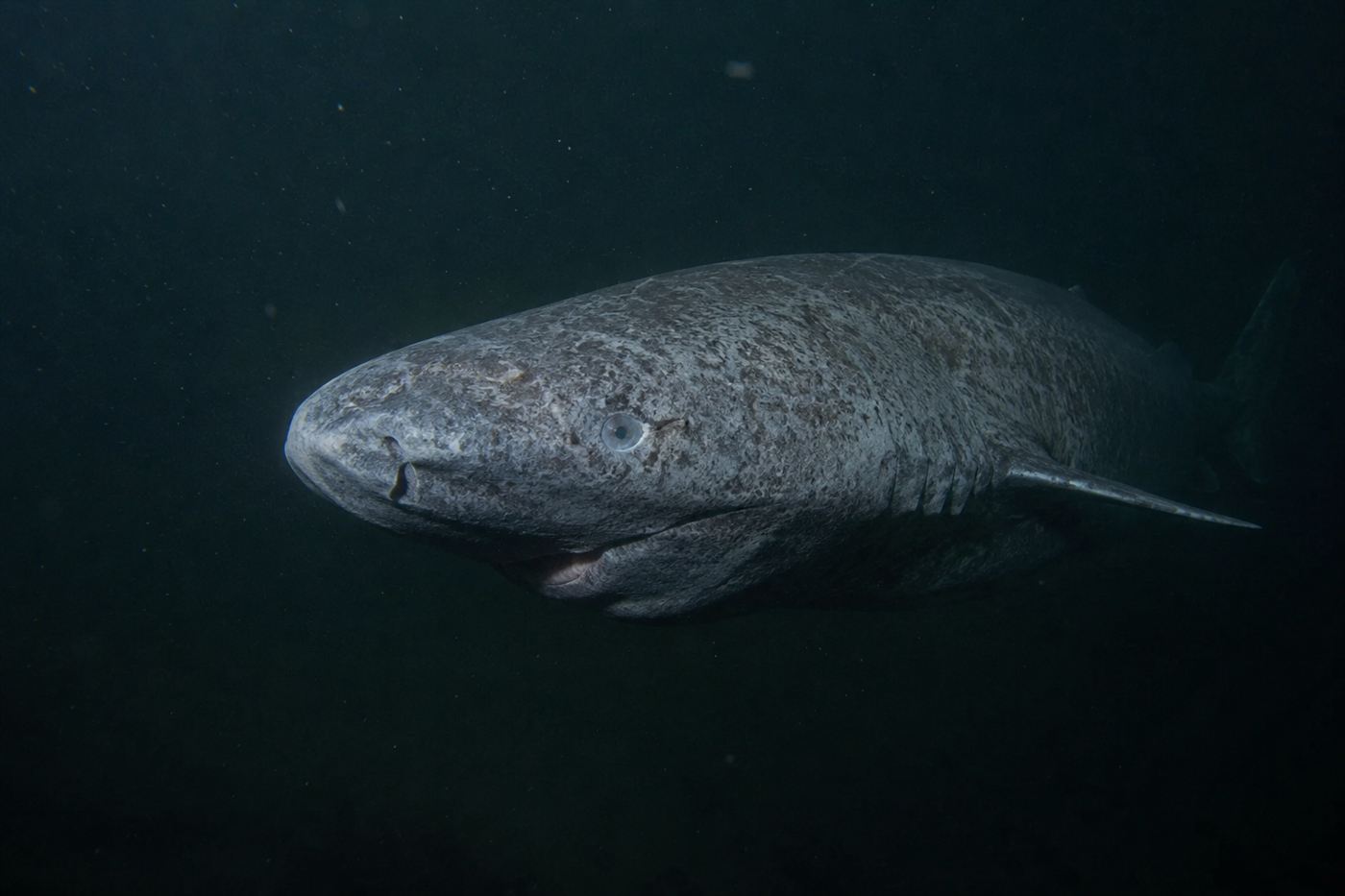
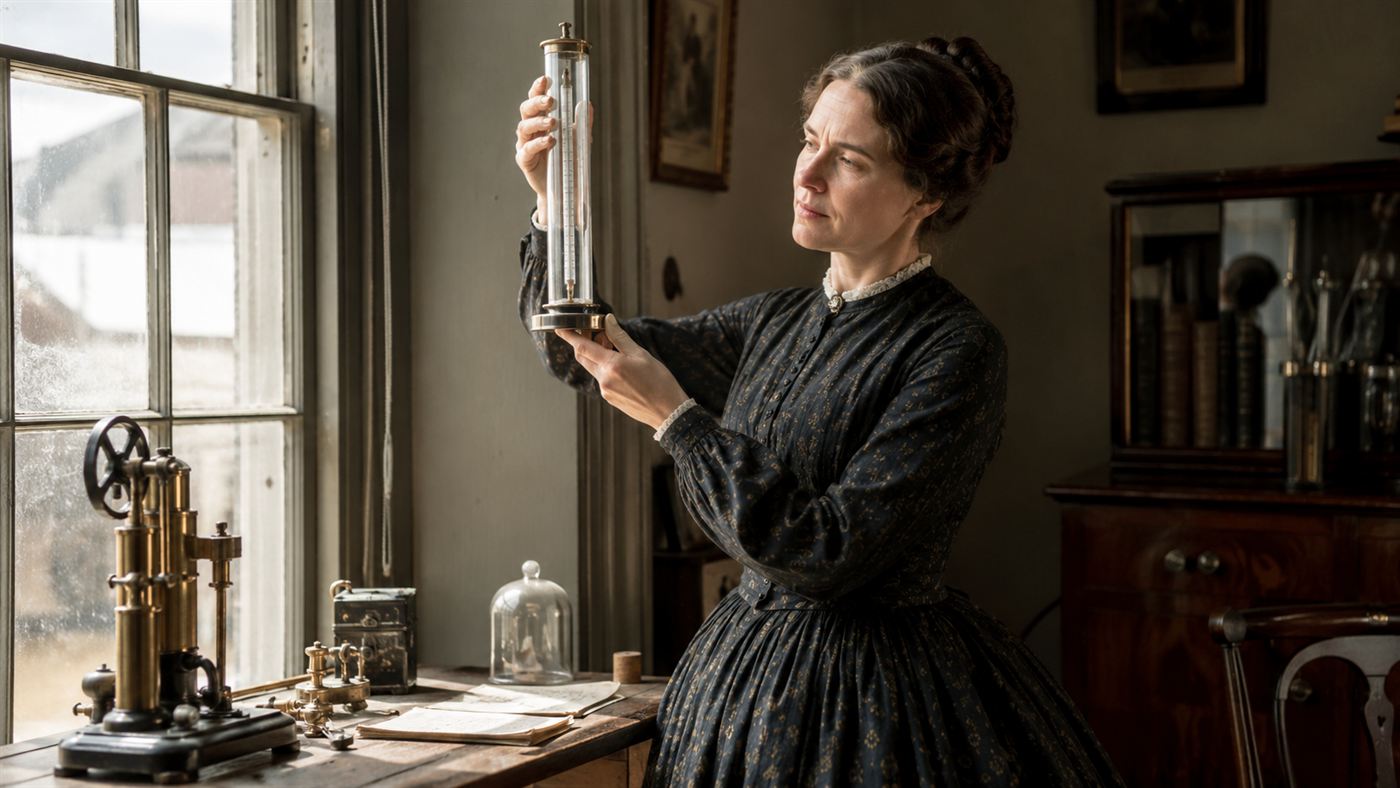
She stands among the other scientists who changed our view of the ocean and the wild, from the long-lived Greenland shark that rewrote what we know about sharks to overlooked pioneers like Eunice Foote and changemakers like Wangari Maathai.
Has the world swung too far from fearing sharks to romanticising them, or is a healthy respect the real lesson of the Shark Lady's life? Tell us in the comments.