The naked mole-rat, a wrinkled near-blind rodent that lives like an ant, almost never gets cancer and barely seems to age
It looks like a sausage with teeth, yet the naked mole-rat may be one of the most extraordinary animals alive. This odd little rodent breaks so many rules of biology that scientists study it to understand our own ageing and disease.
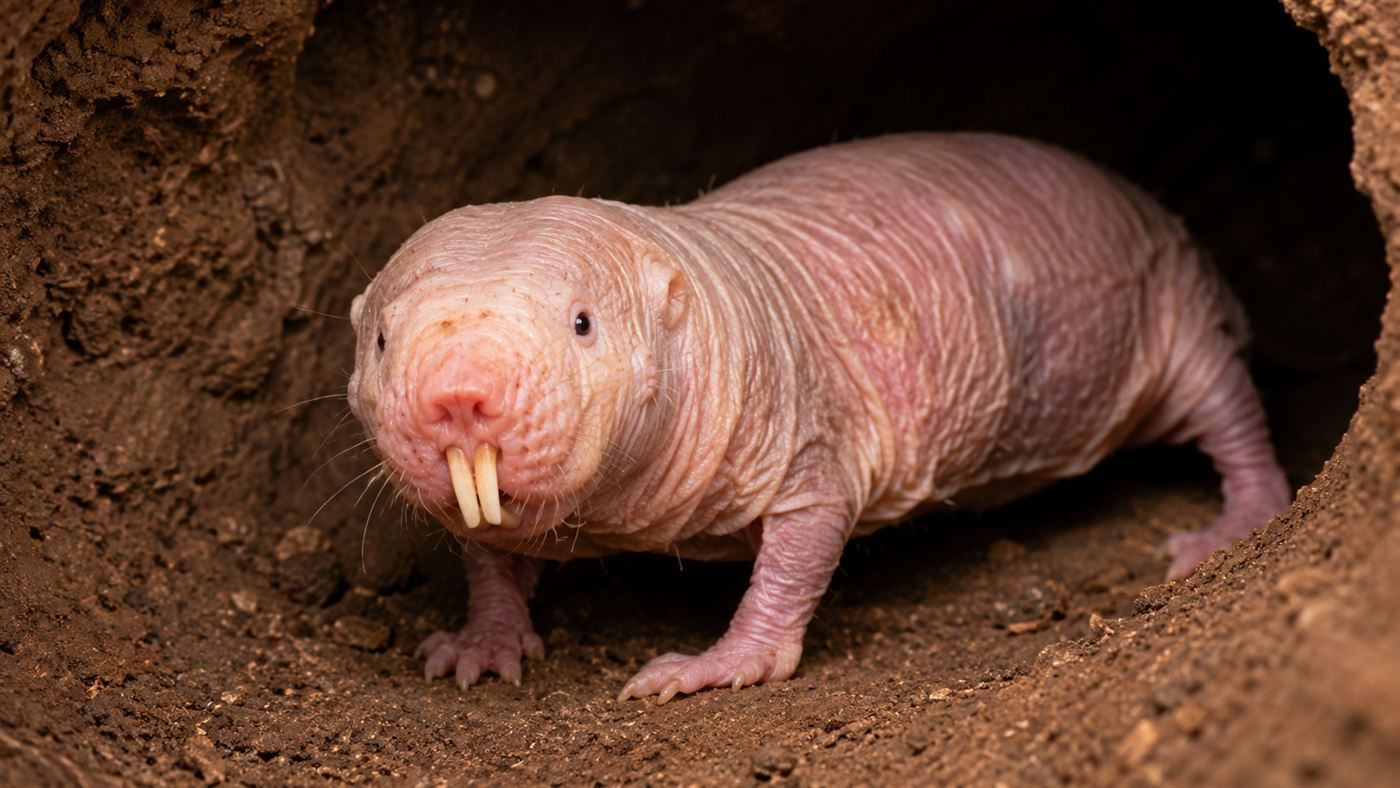
The naked mole-rat is nearly hairless, nearly blind, and almost unbelievable. Illustration: Watts & Wild.
If you designed an animal to look unimpressive, you might end up with something like this, yet naked mole-rat cancer resistance is exactly why scientists cannot stop studying it.
And yet behind those buck teeth and that wrinkled pink skin hides a creature that quietly defies cancer, pain, suffocation and even old age.
What is special about the naked mole-rat? The naked mole-rat is an East African rodent that almost never develops cancer, shows very few signs of ageing, survives up to 18 minutes without oxygen, and lives in ant-like colonies ruled by a single breeding queen. These traits make it a star of medical research.
A rodent that lives like an ant
Naked mole-rats live underground in the dry soils of East Africa, in sprawling networks of burrows.
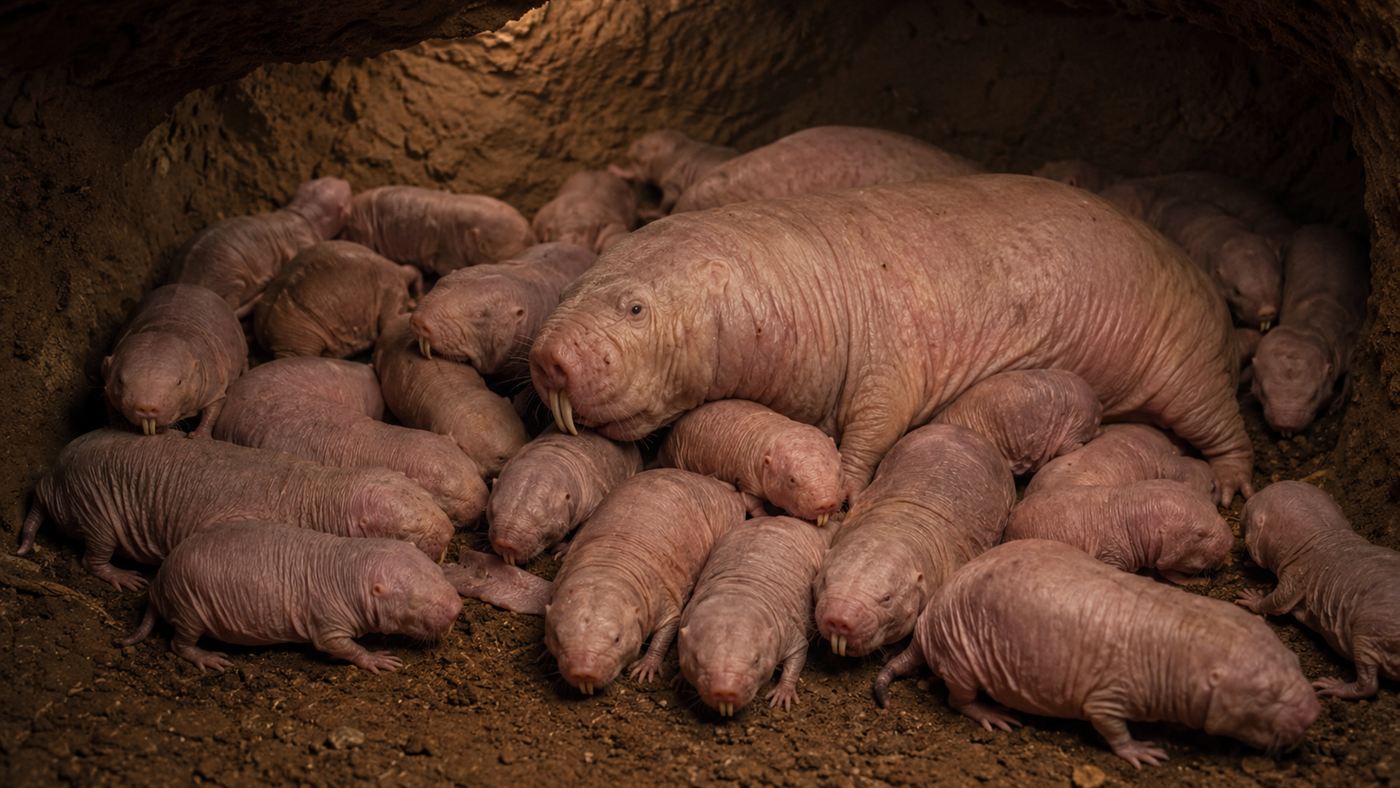
What makes them truly strange is that they are eusocial, organised like ants, bees or termites rather than like other mammals.
Each colony, which can number up to about 300 animals, is ruled by a single breeding queen, while the rest are sterile workers who dig, forage and defend the burrow.
Only one other mammal, a cousin called the Damaraland mole-rat, is known to live this way.
The queen even bullies the others to keep them from breeding, ruling her colony like a tiny underground monarch.
The animal that barely ages
A mouse of similar size lives only two or three years, but a naked mole-rat can reach thirty years or more.
Even stranger, it seems to dodge the slow decline we think of as ageing.
In most animals the risk of dying climbs steadily as they get older, but in this rodent that risk stays remarkably flat with age.
Scientists call this negligible senescence, and the naked mole-rat is one of the poster children for it.
An old queen can keep breeding for decades, showing little of the frailty that age brings to almost everything else.
Why naked mole-rat cancer is so rare
Perhaps the most exciting trick of all is its astonishing resistance to cancer.
Out of thousands studied, only a tiny handful have ever been found with tumours, which is almost unheard of for a laboratory animal.
One key seems to be a sugary substance the rodent makes in unusually large, heavy molecules, which makes its cells stop crowding together long before a tumour can form.
Because cancer is fundamentally cells growing out of control, a body that politely refuses to overcrowd is a body that resists cancer.
Researchers hope that understanding this could one day help them protect human cells the same way.
Built for a world with no air and no light
Life in a crowded, sealed burrow means living with very little oxygen, and the naked mole-rat handles that better than almost any mammal.
Deprived of oxygen entirely, it can switch its body to run on fructose, a sugar, much the way a plant does, and survive about 18 minutes with no air at all.
It also shrugs off certain kinds of pain, feeling no sting from acid or from the chemical that makes chillies hot, an adaptation to the stuffy air of its crowded burrow.
Unusually for a mammal, it barely regulates its own body temperature, warming and cooling with its surroundings like a reptile.
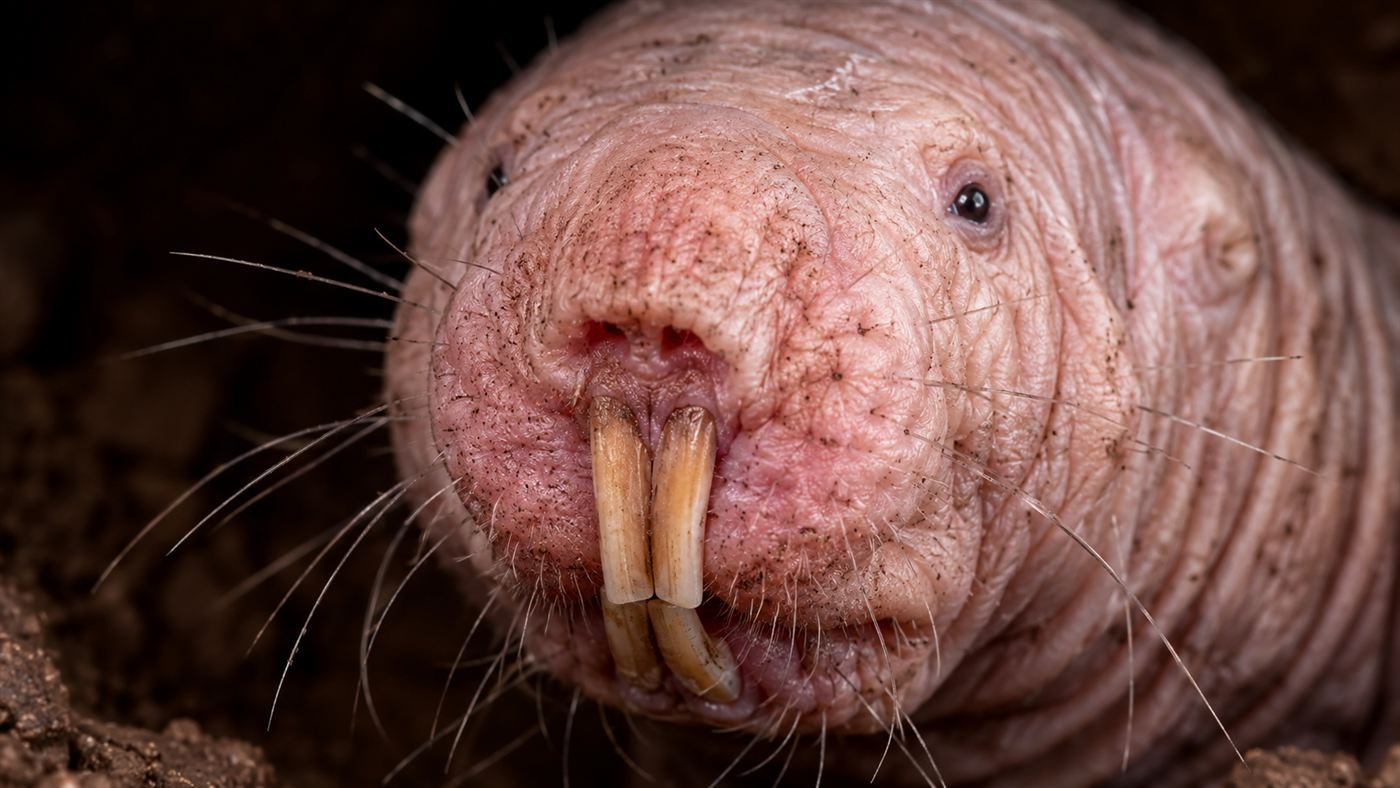
Its teeth even move independently like chopsticks, and its lips seal shut behind them so it can dig without swallowing soil.
The honest catch
As marvellous as it is, the naked mole-rat is not the immortal superhero the headlines sometimes promise.
It does die, from fighting, from predators, and from disease, and it can in very rare cases develop cancer after all.
Its famous painlessness applies only to specific triggers like acid and chilli, not to pain in general.
The idea that it shows negligible ageing is striking but still debated, and based on a limited number of animals.
What is clear is that this homely rodent has more to teach us about long, healthy life than almost any creature on Earth.
The next time you see a photo of this wrinkly little animal and laugh, remember that it may be hiding answers to questions we have asked for centuries.
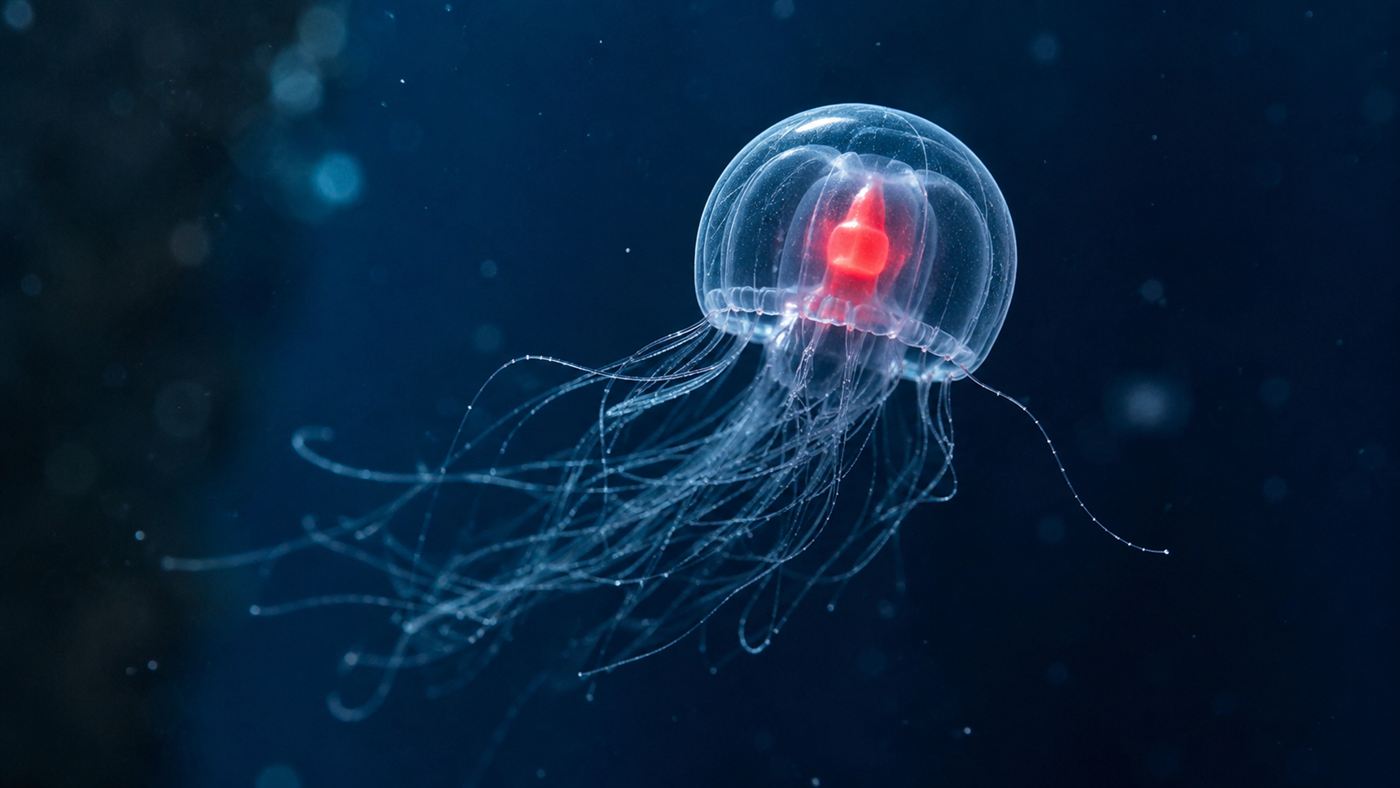
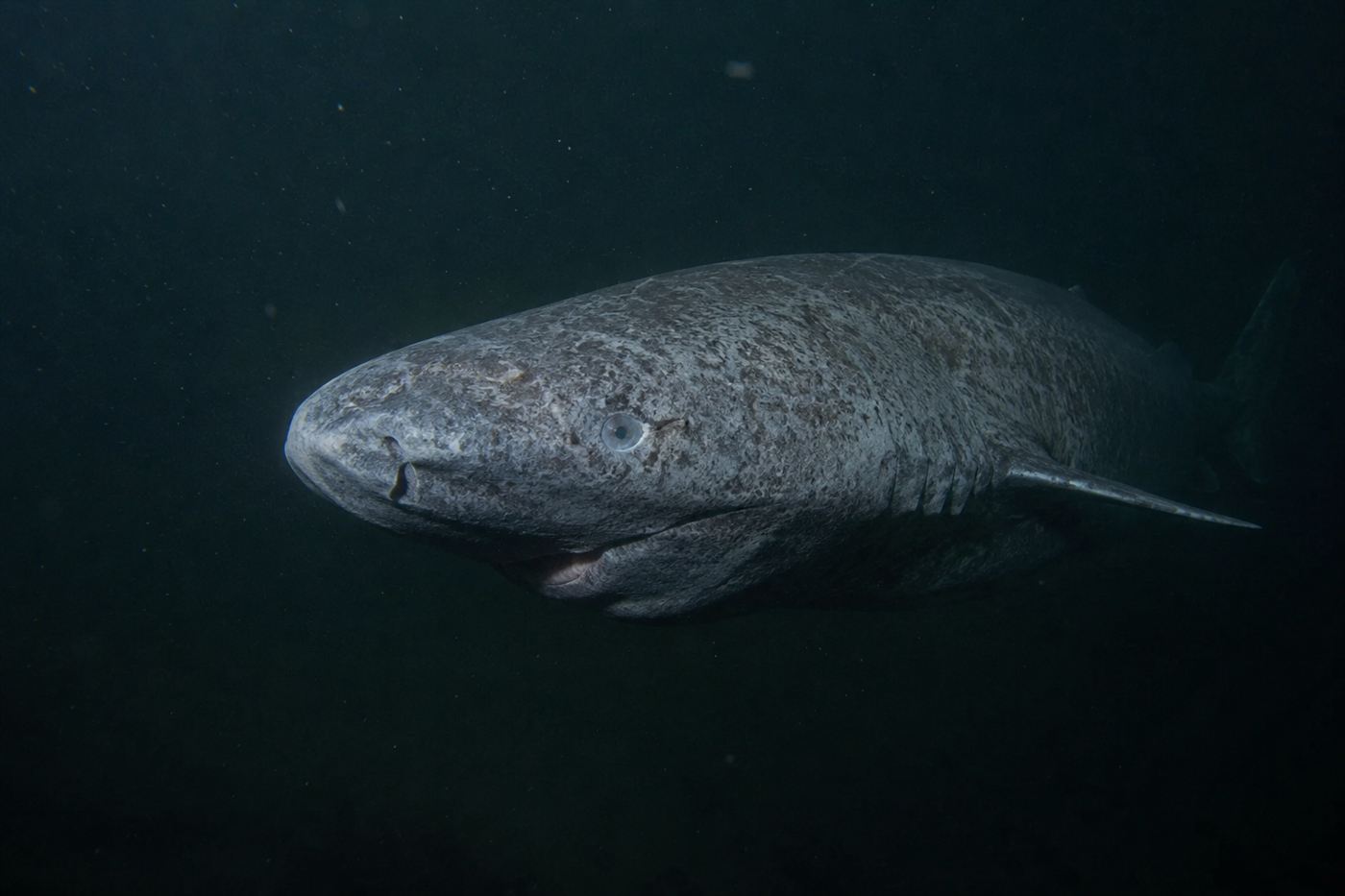
It belongs in the same strange club as the other rule-breakers we love, from the jellyfish that ages in reverse to the shark that lives for four centuries, and now the tropical butterfly that barely ages at all.
If a humble rodent can shrug off cancer and old age, how much of what we accept about ageing is really fixed, and what would you want scientists to learn from it first? Tell us in the comments.