On the same night the Great Chicago Fire made headlines around the world, a far deadlier firestorm erased a Wisconsin town, and the Peshtigo fire was almost entirely forgotten
Ask anyone about the great American fire of 1871 and they will tell you about Chicago, the cow, the barn, the burning city. Almost no one can tell you about the fire that killed several times as many people that very same night. The Peshtigo fire is the deadliest wildfire in US history, and history looked the other way.
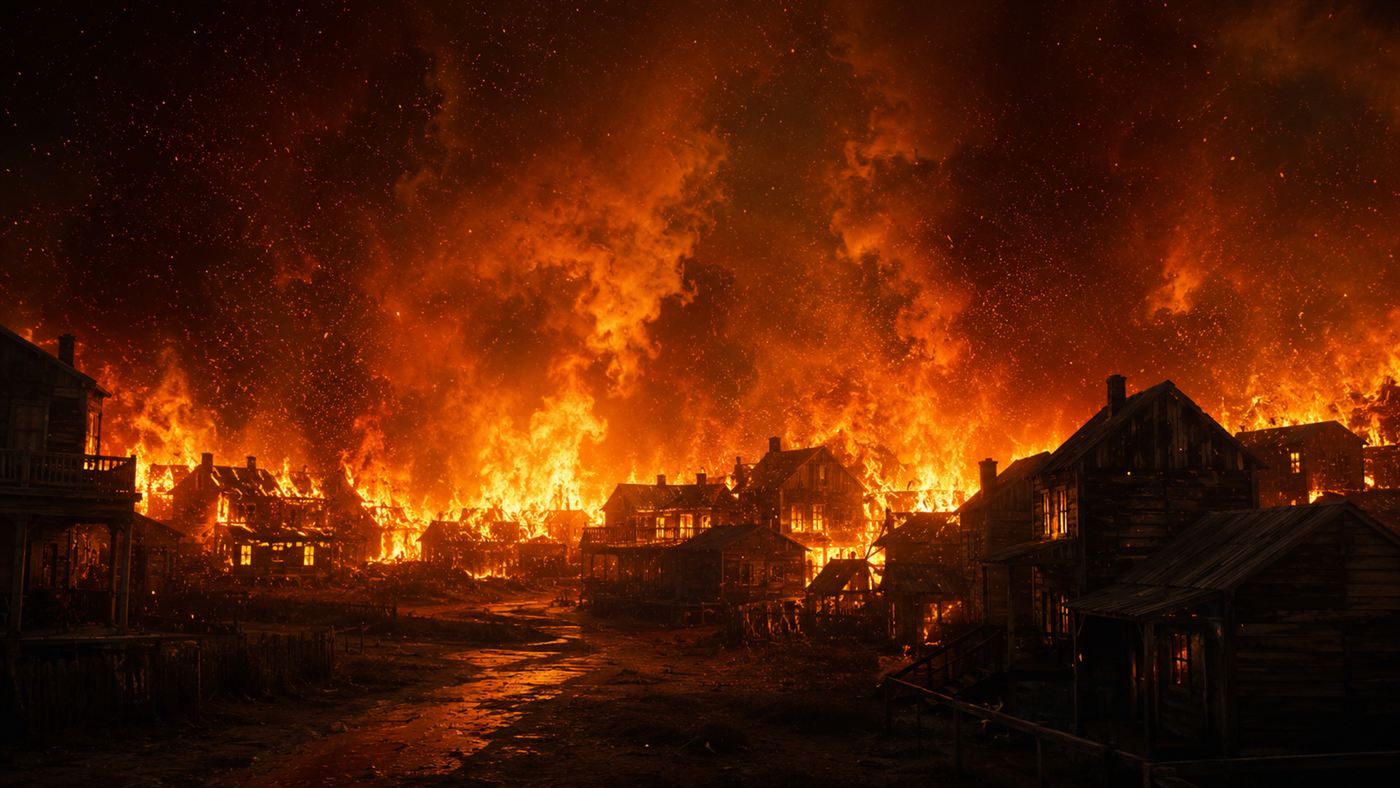
The Peshtigo firestorm consumed an entire town in about an hour. Illustration: Watts & Wild.
The Peshtigo fire should be a household name, and it is not, and the reason is a cruel accident of timing. On the night of October 8, 1871, two catastrophes struck the American Midwest at once. One became legend. The other, though it killed far more people, was swallowed by the smoke of the first and left to the footnotes.
As History has documented, the Peshtigo fire killed at least five times as many people as the more famous Great Chicago Fire that burned the same night. It remains the deadliest wildfire the United States has ever recorded, and yet it was so completely overshadowed that most Americans have never heard the name.
The short version: On October 8, 1871, a firestorm tore through Peshtigo, Wisconsin, and the surrounding country, burning about 1.2 million acres and killing an estimated 1,500 to 2,500 people, the deadliest wildfire in US history. It happened the same night as the Great Chicago Fire, which killed around 300 but dominated the headlines, so Peshtigo was overshadowed and forgotten.
Two fires, one night
The Great Chicago Fire is one of the most famous disasters in American history. It left about a hundred thousand people homeless, destroyed some seventeen thousand buildings, and killed roughly three hundred, and the image of a great city in flames burned itself into the national memory. Newspapers around the world covered it for weeks.
That same evening, more than three hundred kilometres to the north, the little lumber town of Peshtigo, Wisconsin was wiped off the map. But Peshtigo was remote, poor and far from the telegraph wires and reporters that made Chicago's agony a global story. Two fires burned on one October night, and only one of them got to be remembered. The Great Chicago Fire took the spotlight, and it never gave it back.
A region primed to burn
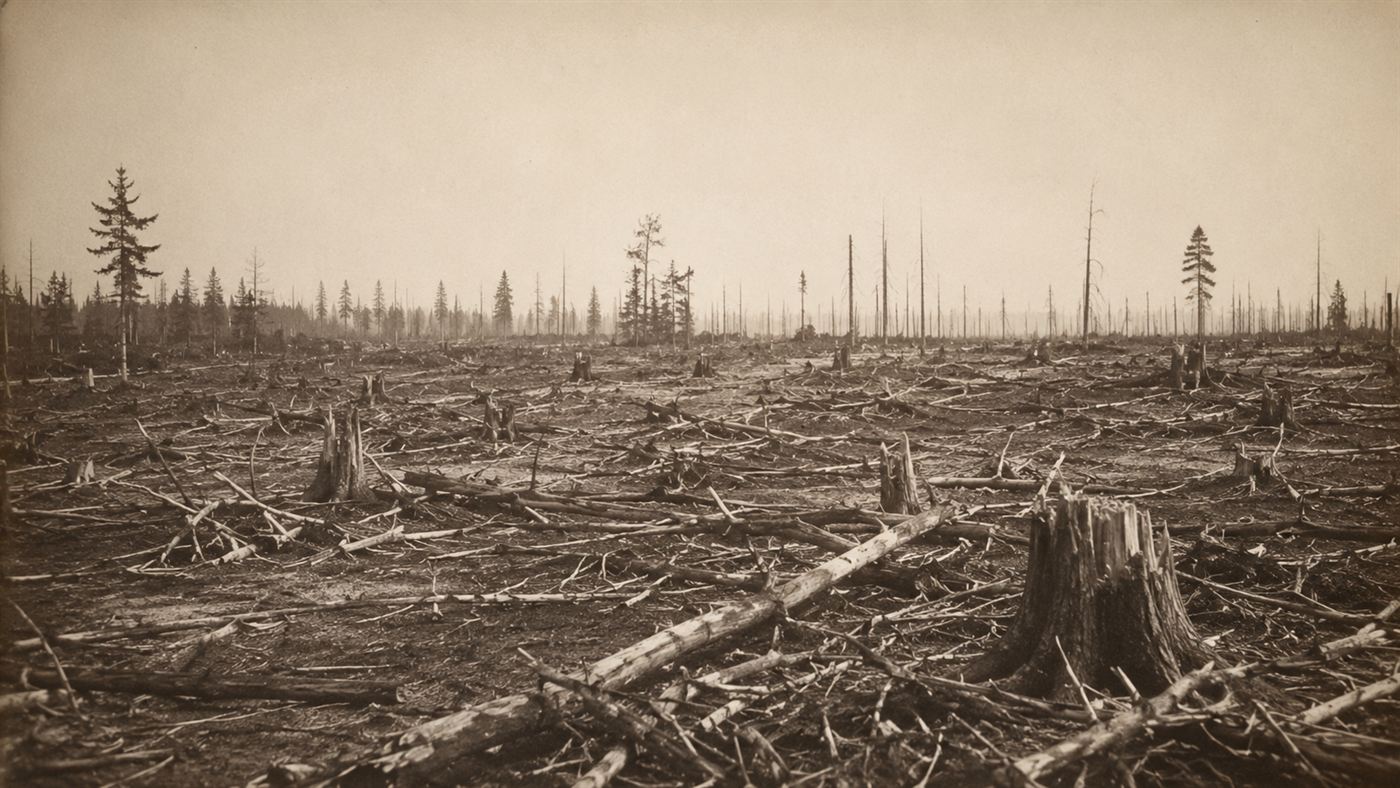
Peshtigo did not simply catch bad luck. The whole region had been turned into a tinderbox by how people used the land. This was lumber country in the middle of a logging boom, and the forests were being cut at a furious pace, leaving behind vast quantities of dried branches, bark and debris, the leftovers loggers called slash, piled everywhere.
On top of that, the summer and autumn of 1871 had been brutally dry across Wisconsin, and settlers routinely set small fires to clear land and burn brush. For weeks, smoky little fires had been smouldering all around the district, an ordinary nuisance. All that dry fuel and all those small flames needed was a push of wind to become something monstrous, and on October 8 the wind came.
The night the air caught fire
What happened next was not a normal forest fire. As a cold front swept in, the winds surged and the scattered fires merged into a single, self-feeding monster, a firestorm. It generated its own violent weather, with winds reported at over a hundred miles an hour and flames hot enough, by some estimates, to reach around two thousand degrees Fahrenheit.
Survivors described a wall of fire that arrived like an explosion, and whirls of flame that behaved like tornadoes, ripping roofs off houses and flinging burning debris and even rail cars through the air. The heat was so intense that it did not just burn the town of Peshtigo, it consumed it, reducing much of it to ash in around an hour. People caught in the open had almost no chance against a firestorm that turned the very air into fire.
How the Peshtigo fire became America's deadliest
The scale of the loss is staggering, and impossible to state exactly. As the National Weather Service records, the fire burned roughly 1.2 million acres and the death toll is estimated at somewhere between 1,500 and 2,500 people. Precise numbers were beyond reach, because whole families and the very records that would have counted them were destroyed together.
Either way, no American wildfire before or since has killed as many. The town of Peshtigo alone lost the majority of its residents, and surrounding settlements were gutted too. In a single hour, one small corner of Wisconsin suffered a death toll that dwarfed the famous fire raging in Chicago, and became, quietly, the worst wildfire disaster in the country's history.
The river that saved and killed
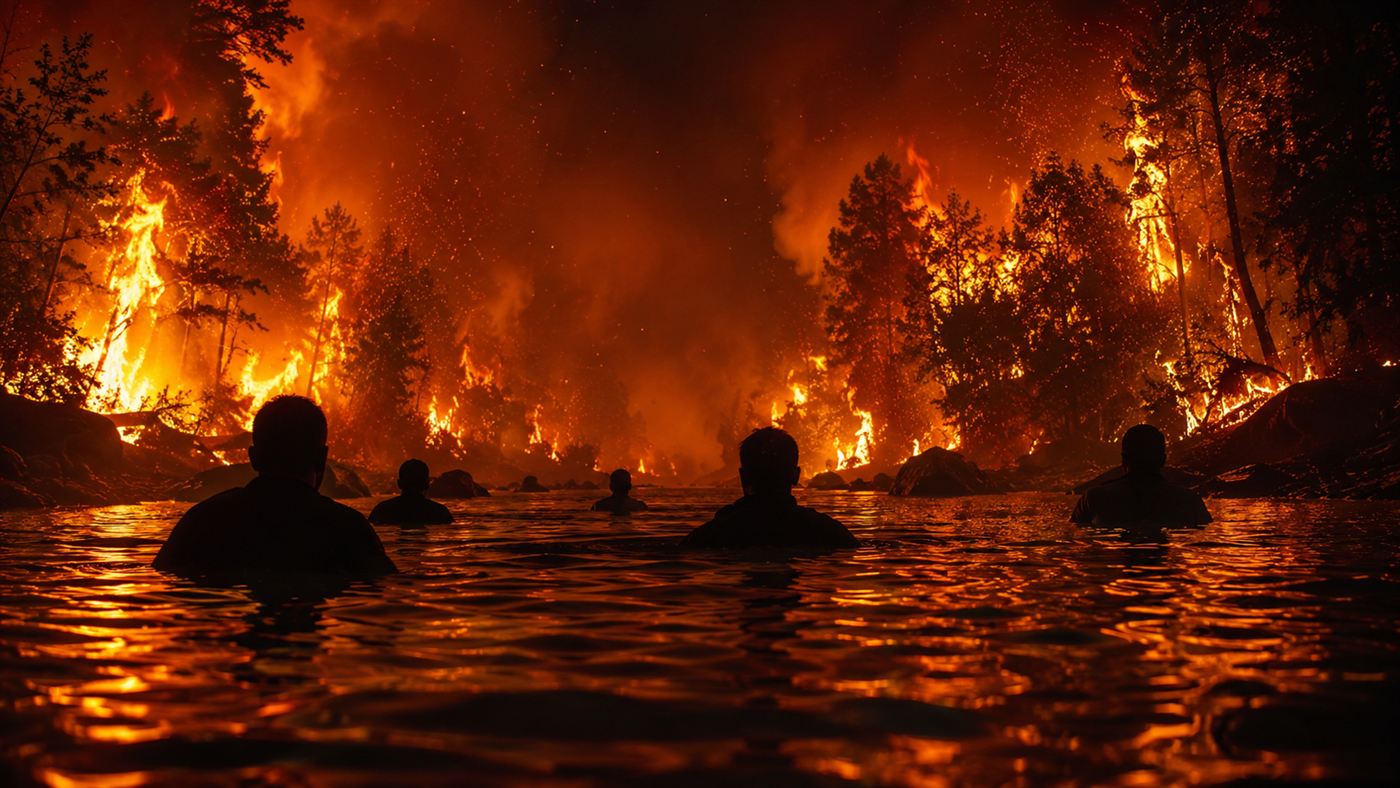
The only real refuge was water. As the firestorm swallowed the town, people ran for the Peshtigo River and threw themselves in, standing or crouching in the current with only their faces above the surface, splashing themselves and each other to keep from igniting. Others crowded into wells and water tanks. For many, the river was the single reason they lived to see morning.
But even the water was not safe. The air above the river was so superheated that some people died of it while submerged to the neck. Others, packed together in the cold current for hours through the night, drowned in the crush or slipped into hypothermia. To survive Peshtigo you had to get into the water, and getting into the water could still kill you. It was that kind of night.
The honest catch
A couple of honest qualifications matter here. The idea that Peshtigo is totally forgotten is an overstatement, locals have never forgotten it, and there is a memorial and museum on the site. And the death toll, so often quoted with confidence, is genuinely a range and a guess, precisely because the fire destroyed the evidence needed to count the dead.
It is also worth dropping the romance. A popular old theory claimed that fragments of a passing comet ignited Peshtigo, Chicago and other fires all at once, a tidy cosmic explanation that has been thoroughly debunked. The truth is more uncomfortable and more human: drought made the land dry, and reckless logging and casual burning made it lethal, so this was less an act of God than a disaster people helped build. That is exactly why it is worth remembering, alongside the city that stole its headlines.
The deadliest wildfire in American history is one almost nobody has heard of. Does Peshtigo deserve a place in the national memory alongside the Great Chicago Fire, or is it inevitable that the louder disaster always drowns out the deadlier one? Tell us what you think in the comments.
Related reading: The Camp Fire that destroyed the town of Paradise, a modern echo of Peshtigo. See also the fire that gutted downtown Baltimore because the rescuers' hoses would not fit the hydrants.
More from Watts & Wild
More in Curiosities →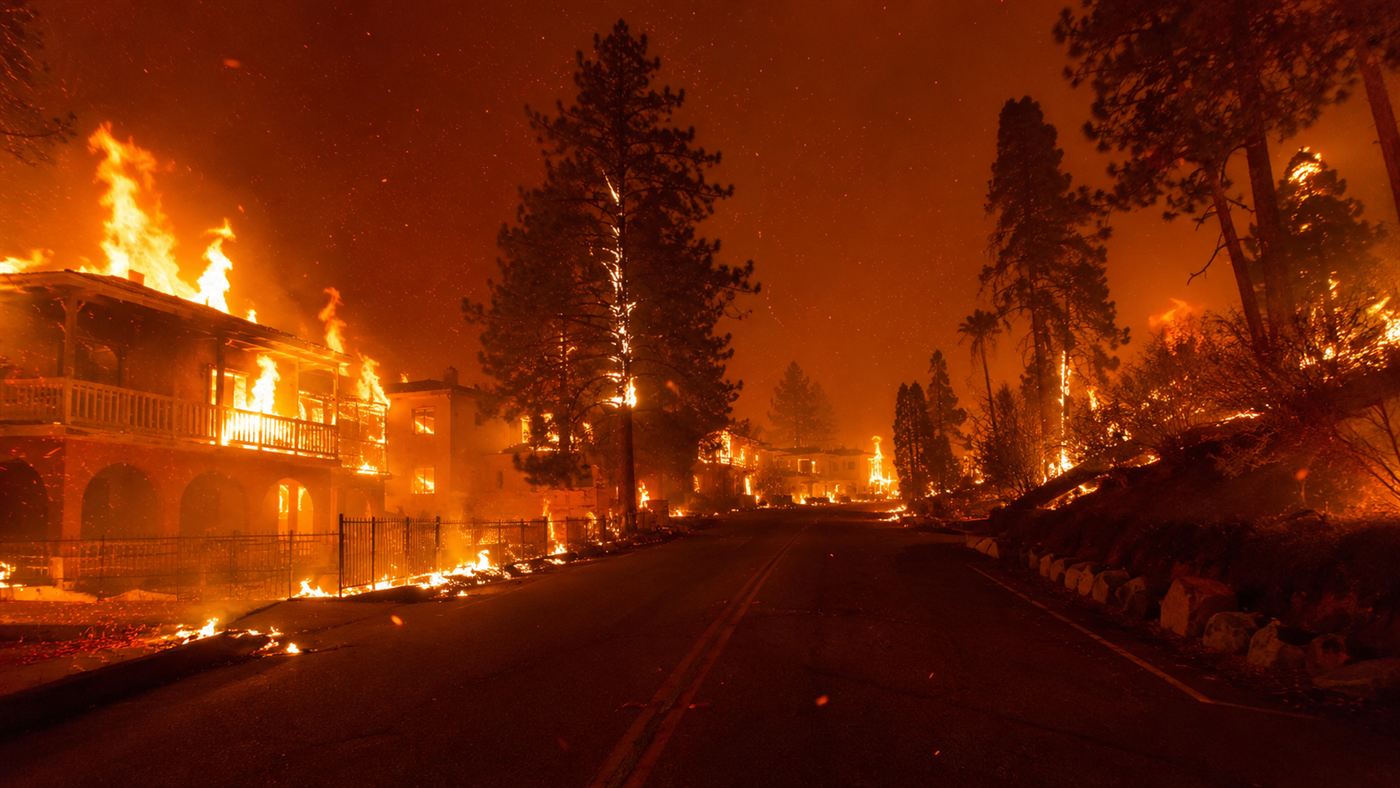

Bruno writes about energy history, industrial disasters, and the people who shaped the technologies we take for granted. He is based in Brazil.