In 1904 fire crews rushed to Baltimore from as far as New York, only to find their hose couplings would not fit the city's hydrants, so they could only stand and watch it burn
On a freezing Sunday morning in February 1904, a small basement fire in a dry-goods warehouse got loose and ate the heart of an American city. Help came racing in from six states. Most of it arrived, hooked up, and discovered its hoses simply would not screw onto the local hydrants.
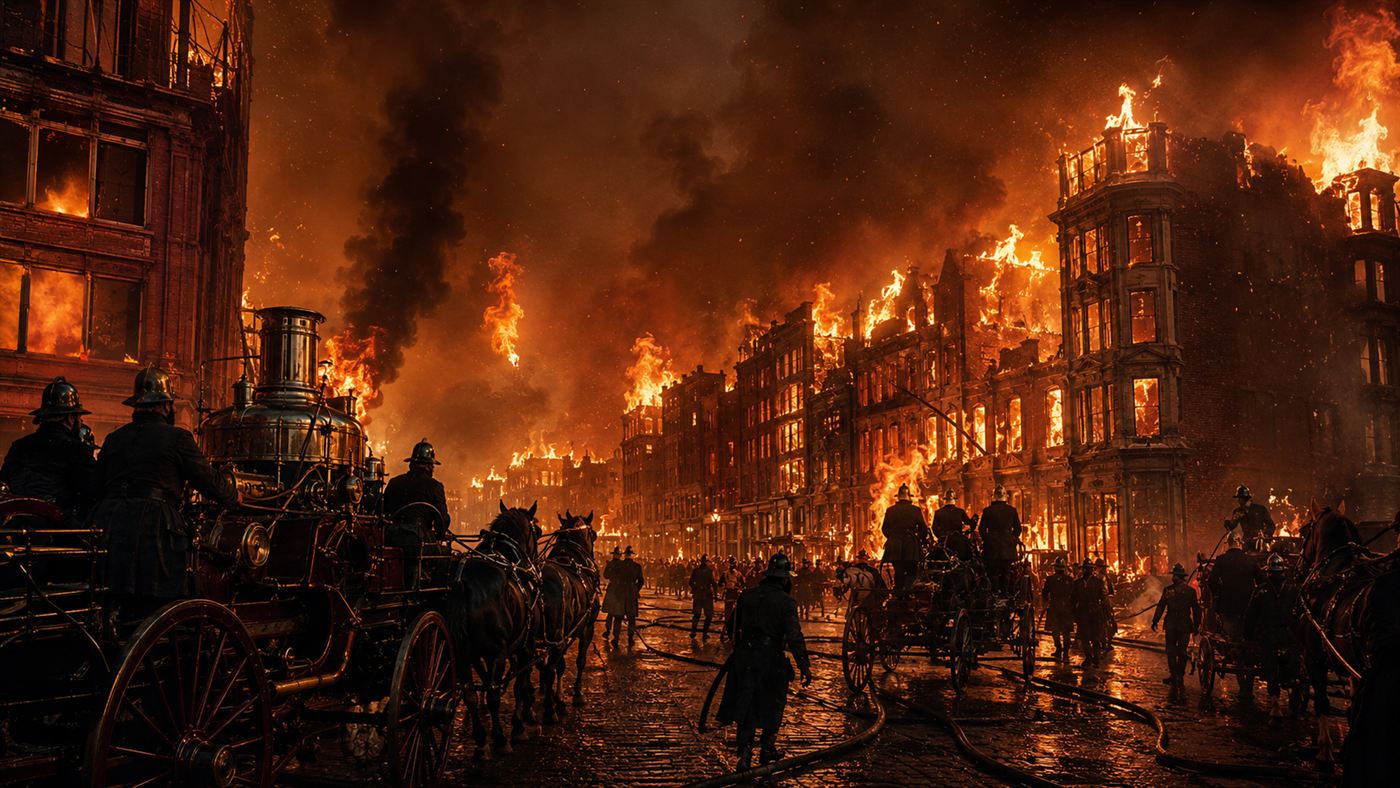
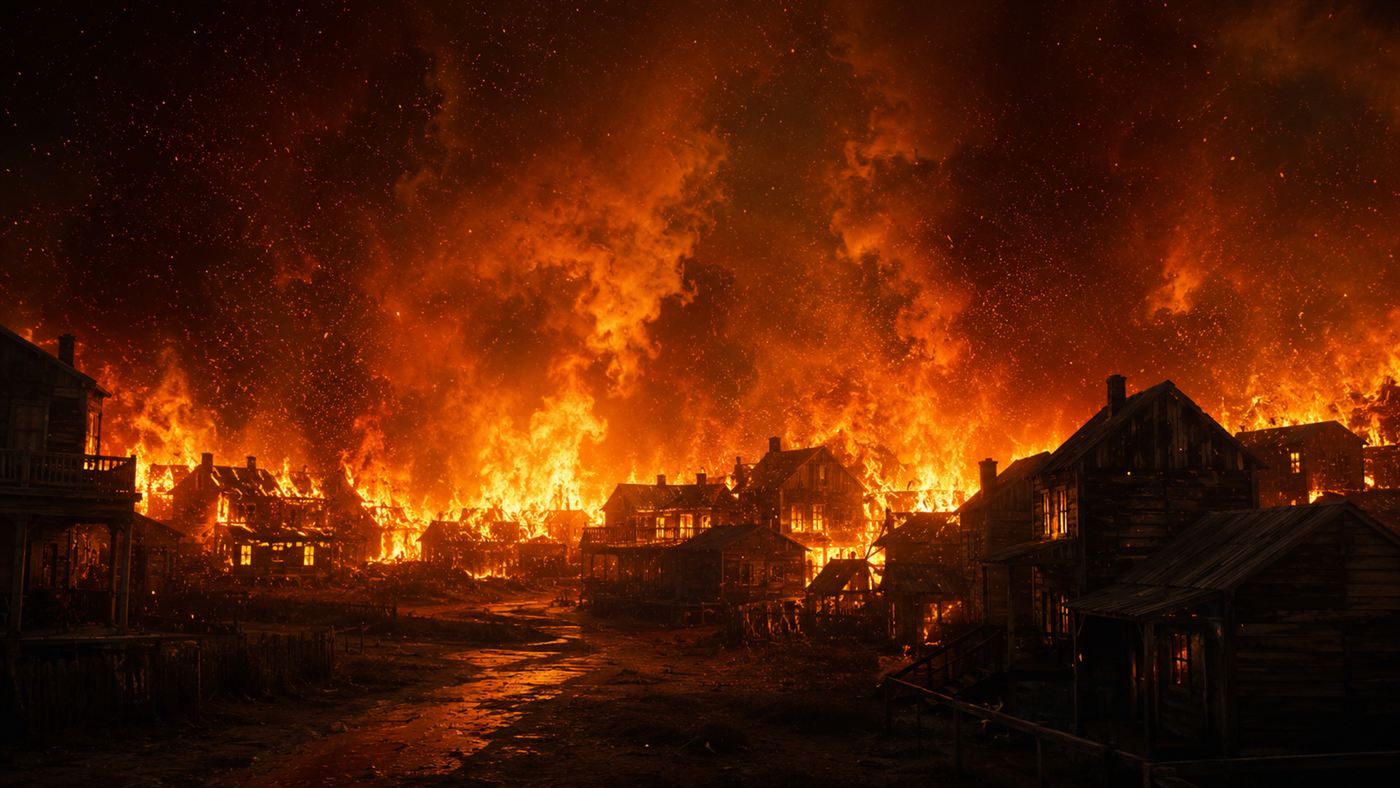
Thirty hours of fire gutted more than 70 blocks of the city centre. Illustration: Watts & Wild.
It started just before 11 a.m. on February 7, 1904, in the basement of the Hurst building, a dry-goods warehouse in the middle of Baltimore's business district. By the time the first engines arrived it had already climbed the walls, and a stiff winter wind was pushing embers across the rooftops. Within an hour the alarm had gone out well beyond the city.
What followed became the Great Baltimore Fire, and it is remembered less for how it started than for the maddening reason it could not be stopped. The men who came to help had the pumps, the horses and the courage. What they did not have was a hose that fit.
The short version: telegrams begged for help, and engine companies loaded onto flatcars from Washington, Philadelphia, New York and beyond. When they reached downtown Baltimore and ran their lines to the hydrants, the threads did not match. A huge share of the arriving firepower was left almost useless while the Great Baltimore Fire kept spreading.
A basement spark on a Sunday morning
Sunday was the worst possible day for it. The offices and stores were empty, so the first wisps of smoke went unnoticed until the fire had a serious grip. An automatic alarm eventually tripped, but by then the Hurst building was roaring, and an explosion early on blew burning material out across the street and onto neighbouring roofs. The Great Baltimore Fire had its head start before a single hose was even laid.
Baltimore's own firefighters were good and they were fast, but the wind was against them from the start. The blaze marched block by block through the tight grid of brick and timber, and it soon became obvious the city could not fight this one alone. The calls for mutual aid went out along the telegraph wires to every city within reach, and the Great Baltimore Fire was about to expose a flaw nobody had thought to fix.
Why would the out-of-town hoses not fit?
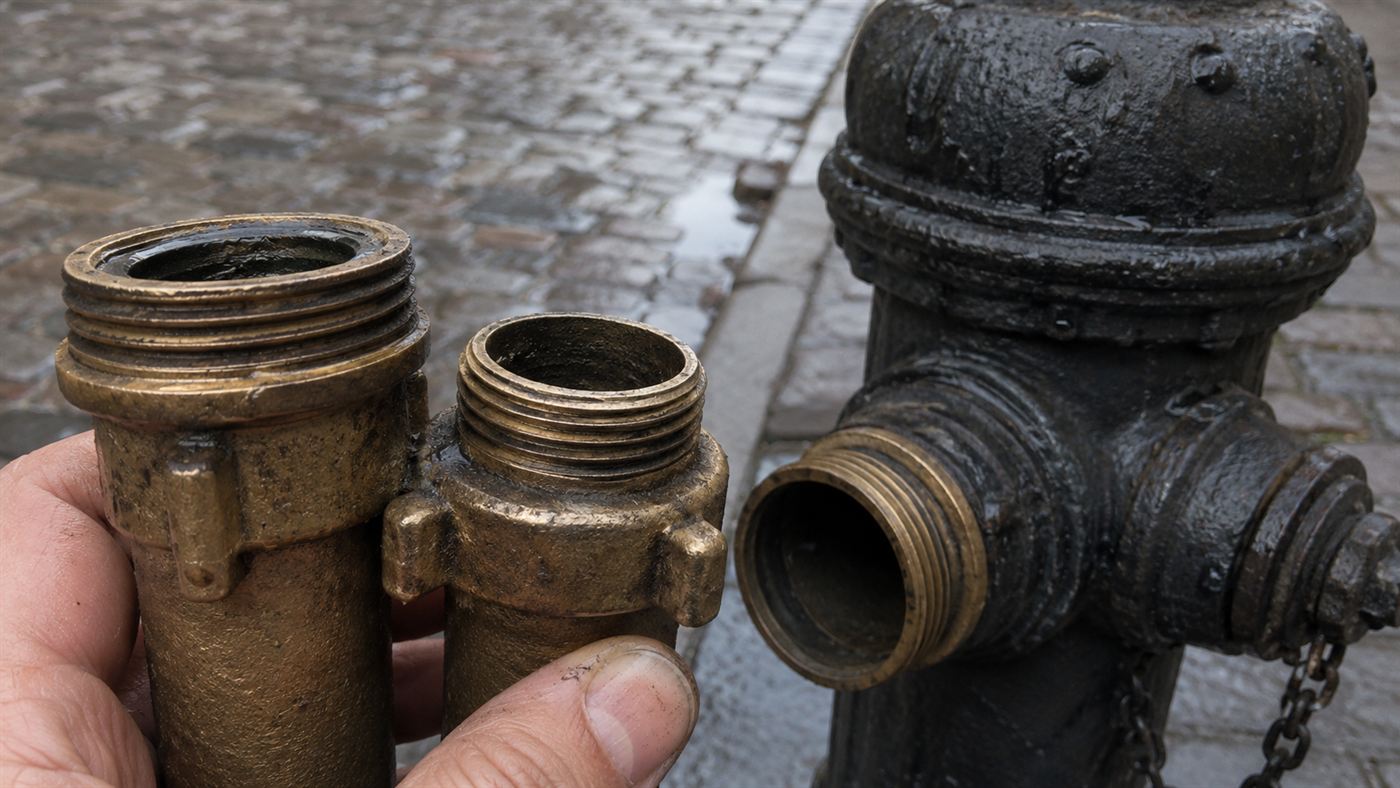
Here is the heart of the disaster. In 1904 there was no national standard for a fire hose coupling. Every city, sometimes every fire company, bought equipment with its own thread pattern, its own diameter, its own quirks. It had never been a problem because departments rarely worked outside their own streets.
So when help poured into downtown Baltimore, the mismatch was brutal. Crews from Washington and Philadelphia ran their lines to a hydrant, went to tighten the connection, and found the fire hose couplings spun uselessly against the wrong threads. Every mismatched set of fire hose couplings meant another idle engine. Some companies frantically tried to wrap and wire the joints together, losing pressure and water; many could only stand back. All that muscle, and the water would not flow.
Thirty hours that ate the city centre
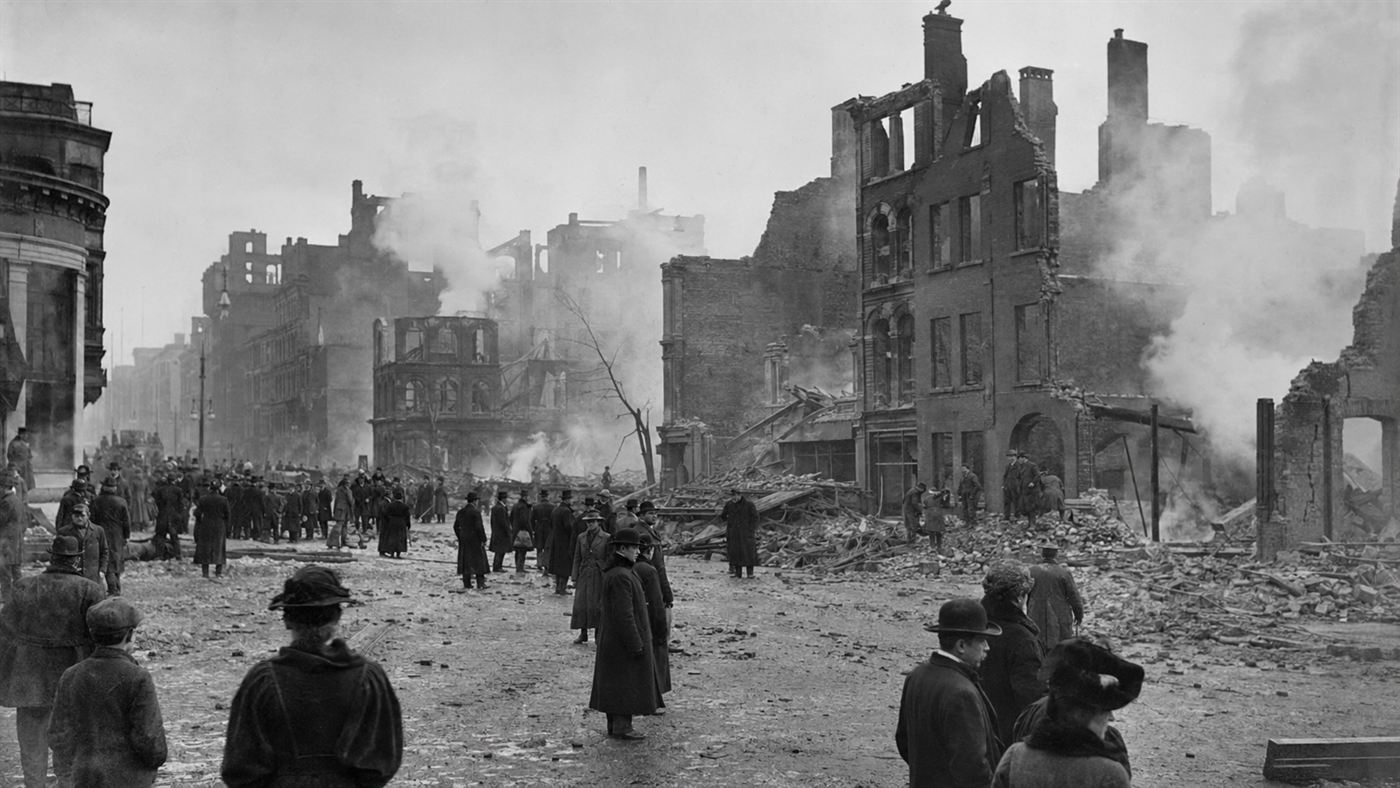
With so much of the mutual aid stalled, the fire did more or less what it wanted for the rest of the day and into the night. It jumped streets, took whole blocks at a time, and pushed toward the harbour. Firefighters eventually made a stand at the Jones Falls stream on the eastern edge, using the water gap as a firebreak the flames could not leap.
By the time it burned itself out on the morning of February 8, it had destroyed more than 1,500 buildings across some 70 city blocks and gutted the commercial core. And yet, in one of history's strangest mercies, the empty Sunday district meant almost nobody was caught in it. The property loss was staggering, but the human toll was astonishingly light.
The honest catch
It is tempting to say the mismatched threads alone doomed the city, and that is not quite fair. Historians who have studied the fire point out that even with perfectly matched hydrant threads, the wind, the packed downtown and the sheer speed of the blaze would have overwhelmed the crews anyway. Plenty of local engines were connected and still could not hold the line.
What the coupling fiasco really did was turn the Great Baltimore Fire into a national lesson. It put a simple, humiliating fact in front of the whole country: cities that had promised to help each other physically could not plug into one another. The threads became the symbol of the disaster because they were so easy to understand and, unlike the weather, so easy to fix.
How the Great Baltimore Fire rewrote the rulebook
The response was fast and permanent. The National Fire Protection Association pushed for a single national standard, and within a few years America adopted a standard fire hose coupling thread so that any engine company could feed off any hydrant in any city. The reform reached far past hoses, standardising the humble hydrant threads that had failed so publicly.
Baltimore itself was rebuilt in barely two years, with wider streets and stricter building codes. The city that watched neighbours stand helpless beside working water mains became the reason no firefighter would ever be stopped by a thread again. It is one of the purest examples of a catastrophe leaving behind a rule that quietly protects everyone.
A great city burned for a day and a night while rescuers stood beside working hydrants they could not use, and the fix was a single standard thread. Would you have guessed that the fire hydrant on your street traces its shape back to one freezing morning in Baltimore? Tell us in the comments.
Related reading: the deadliest fire in American history, which burned on the very same night as the Great Chicago Fire and was almost forgotten. See also the private dam whose failure drowned a Pennsylvania town, and the concrete dam that gave way and ended a famous engineer's career.