Told that human-powered flight was impossible, an engineer named Paul MacCready built a featherlight pedal-powered plane, won a famous prize, and later helped spark the modern electric car
For nearly two decades a fortune sat unclaimed for the first real human-powered flight. Then Paul MacCready, a deep-in-debt engineer, solved it with a plane made of plastic film and wire, and used the same lightness obsession to push the world toward clean cars.
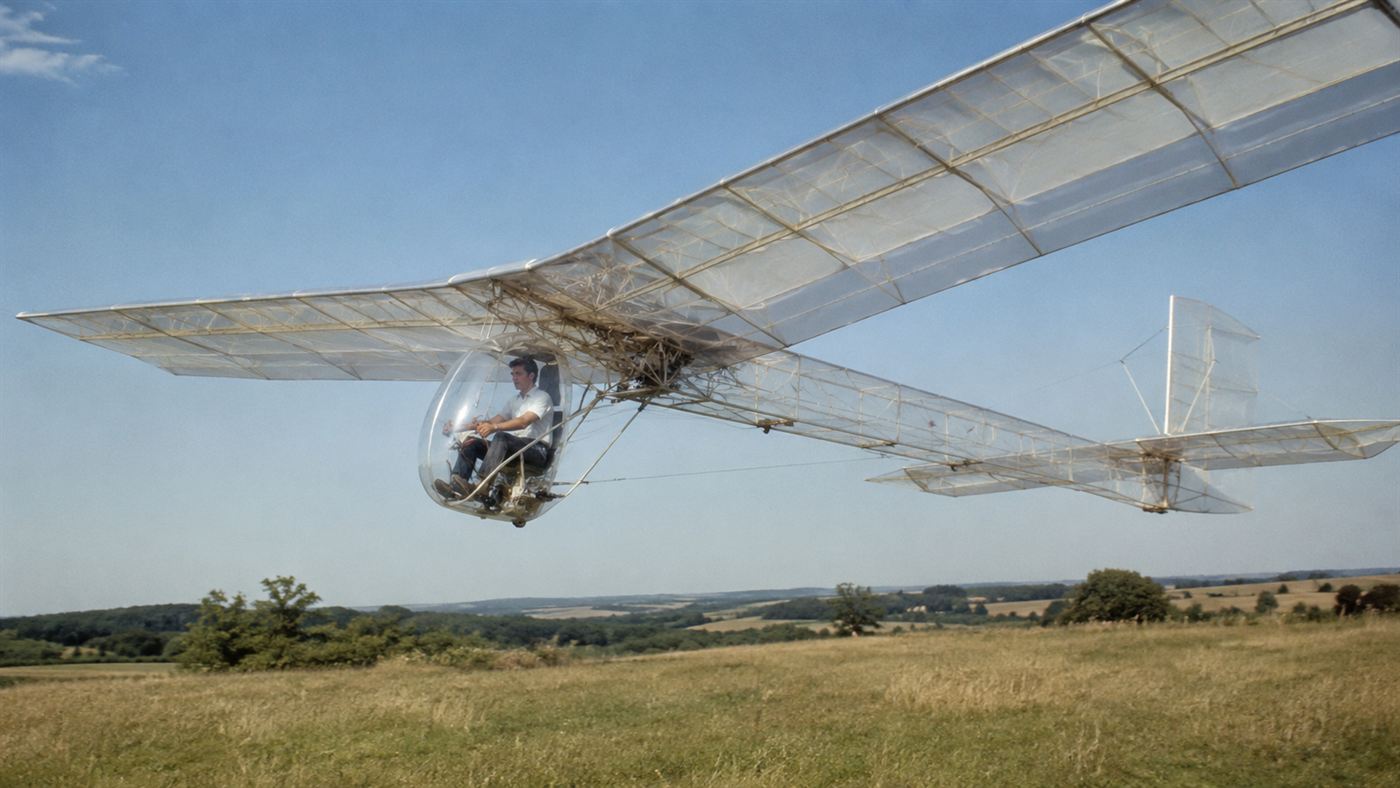
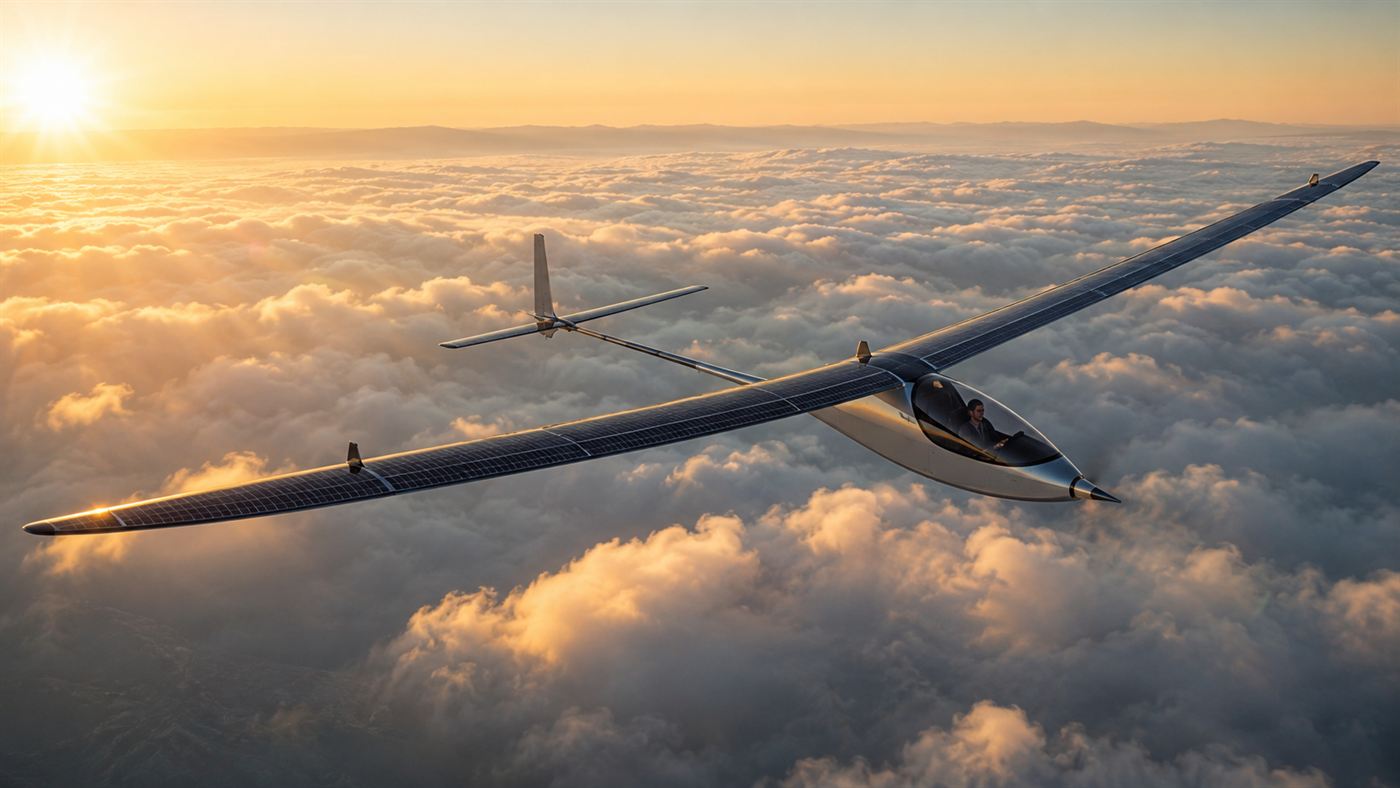
The Gossamer Condor, the flimsy-looking craft that achieved the first true human-powered flight. Illustration: Watts & Wild.
For most of aviation history, human-powered flight was treated as a beautiful impossibility, the stuff of the Icarus myth, a machine kept aloft by muscle alone.
Then a restless American engineer looked at the problem sideways, and Paul MacCready turned that impossibility into a slow, wobbly, unforgettable reality.
Who was Paul MacCready? He was an American aeronautical engineer who built the Gossamer Condor, the first aircraft to achieve sustained human-powered flight, in 1977. He later won a second Kremer Prize by crossing the English Channel and went on to build a pioneering solar car and electric vehicles.
A prize nobody could win
For years, an industrialist named Henry Kremer had offered a large cash reward, the Kremer Prize, to anyone who could achieve genuine human-powered flight around a set course.
The Kremer Prize went unclaimed for almost eighteen years, as teams built beautiful, heavy aircraft that could barely hop off the ground.
Paul MacCready came to the challenge with an ordinary motive: he was deep in debt and the prize money would clear it.
His insight was that everyone else was thinking about it wrong, building proper aeroplanes when what was needed was something enormous, absurdly light and very slow.
If a plane flew slowly enough and weighed almost nothing, a human's feeble power output might just be enough to keep it up.
The Gossamer Condor makes the first human-powered flight
The result was the Gossamer Condor, a vast, ghostly aircraft of aluminium tubes, piano wire and clear plastic film.
It had a wingspan like an airliner but weighed about as much as a person, and it flew barely above walking pace.
On 23 August 1977 the racing cyclist Bryan Allen climbed in, pedalled the Gossamer Condor around a figure-eight mile-long course, and made history, and records of the flight credit it as the first sustained, controlled human-powered flight.
After eighteen years, the Kremer Prize was finally won, and Paul MacCready had his name in the history books.
Across the English Channel
Winning once was not enough, and a second, even harder Kremer Prize was on offer for flying across the English Channel.
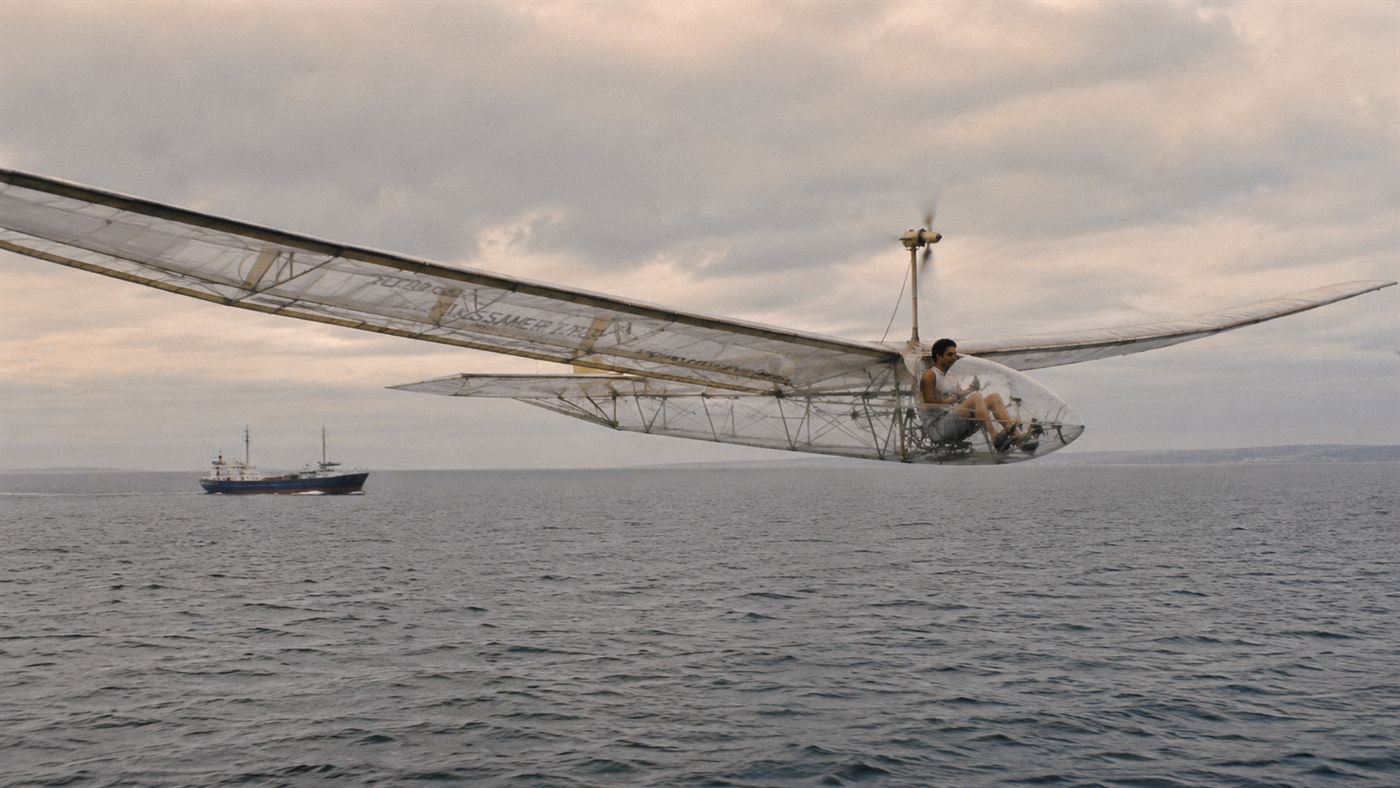
MacCready's team built a refined successor, the Gossamer Albatross, lighter and stronger than the Condor.
On 12 June 1979 Bryan Allen pedalled the Albatross across roughly 35 kilometres of open water from England to France, fighting exhaustion and cramp the whole way.
The crossing took nearly three hours of nonstop effort, and the Gossamer Albatross flight claimed the second Kremer Prize in triumphant style.
Human-powered flight had gone from a fairground dream to crossing an international waterway.
From pedals to sunlight to batteries
What Paul MacCready did next is why his story belongs in any history of clean energy, and Britannica remembers him as a pioneer of both human-powered and solar-powered flight.
His company, AeroVironment, applied the same obsession with efficiency to a solar car powered by the Sun.
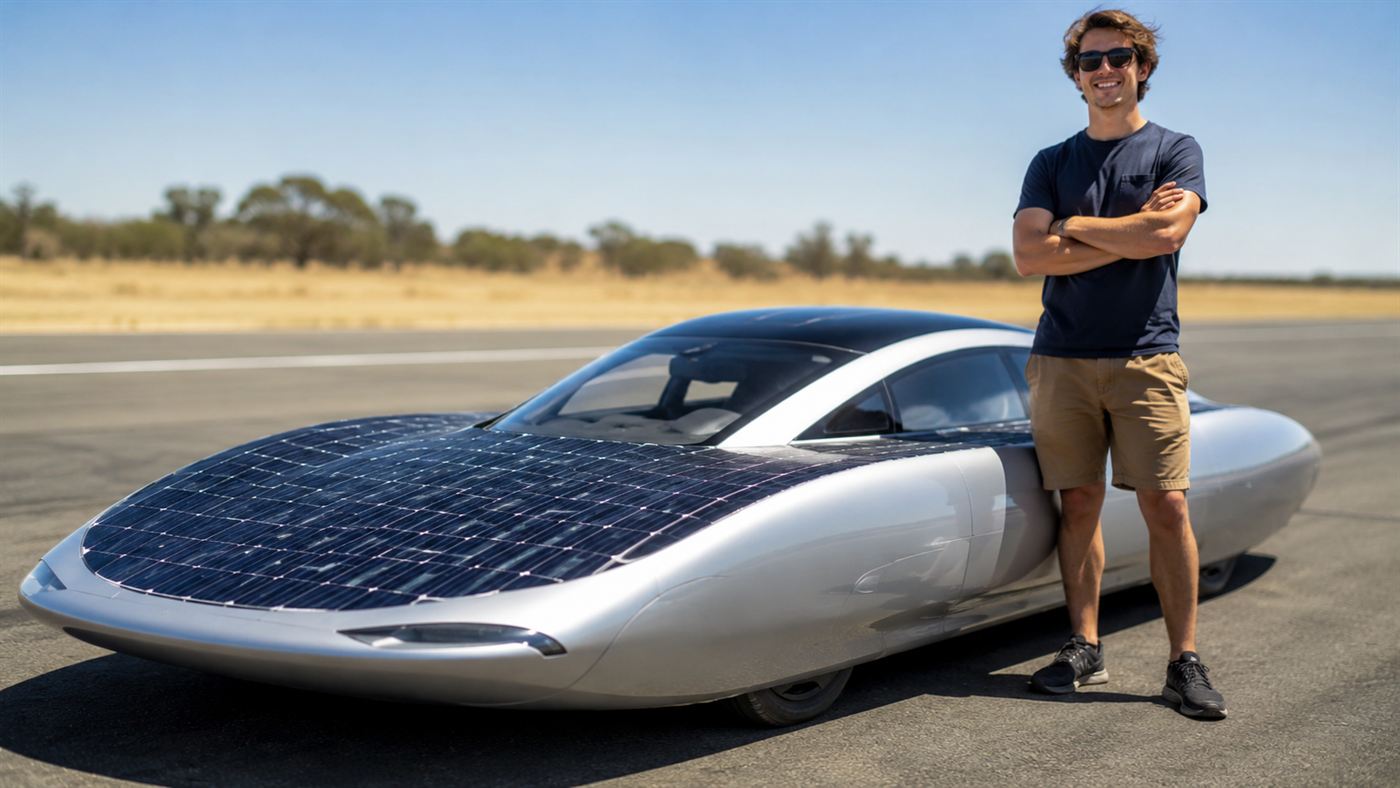
In 1987 their sleek Sunraycer solar car won the first World Solar Challenge, racing across Australia on sunlight alone, a feat in the same family as the later Solar Impulse plane that flew around the world.
Impressed, General Motors hired MacCready's team to build an electric prototype called the Impact, which became the basis for the famous GM EV1 that the company later crushed.
The man who freed flight from engines had helped jump-start the modern electric car.
Doing more with less
Running through all of it was a single idea that Paul MacCready preached for the rest of his life: doing more with less.
He believed the future belonged to machines that sipped energy instead of guzzling it, whether they flew on muscle, sunlight or batteries.
That same philosophy of extreme efficiency now shapes electric cars straining for every extra mile of range, and the featherweight drones his company pioneered.
MacCready liked to call himself a doer of more with less, and he saw wasteful design as the real enemy.
The honest catch
For all its romance, human-powered flight never became a way to actually get anywhere.
The Gossamer aircraft were so fragile they could only fly in dead-calm air, and no one commutes by pedal-plane today.
His biggest clean-car success had a bitter end too, as General Motors infamously cancelled and crushed most of the EV1s, setting back electric cars for years.
But ideas are harder to crush than cars, and MacCready's faith in lightness and efficiency long outlived him after his death in 2007.
Paul MacCready proved that a fresh way of seeing a problem can beat brute force, taking flight, sunlight and electricity further on less than anyone thought possible.
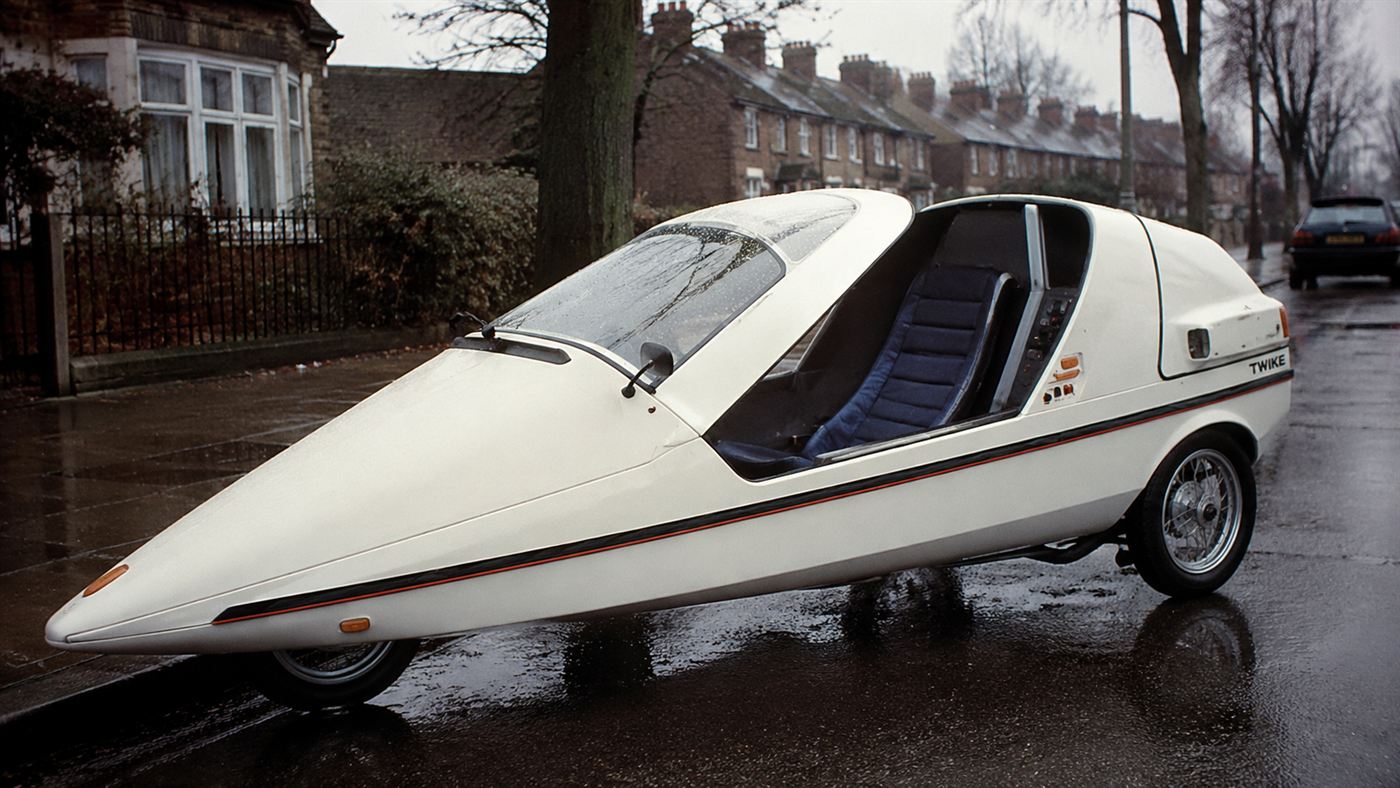
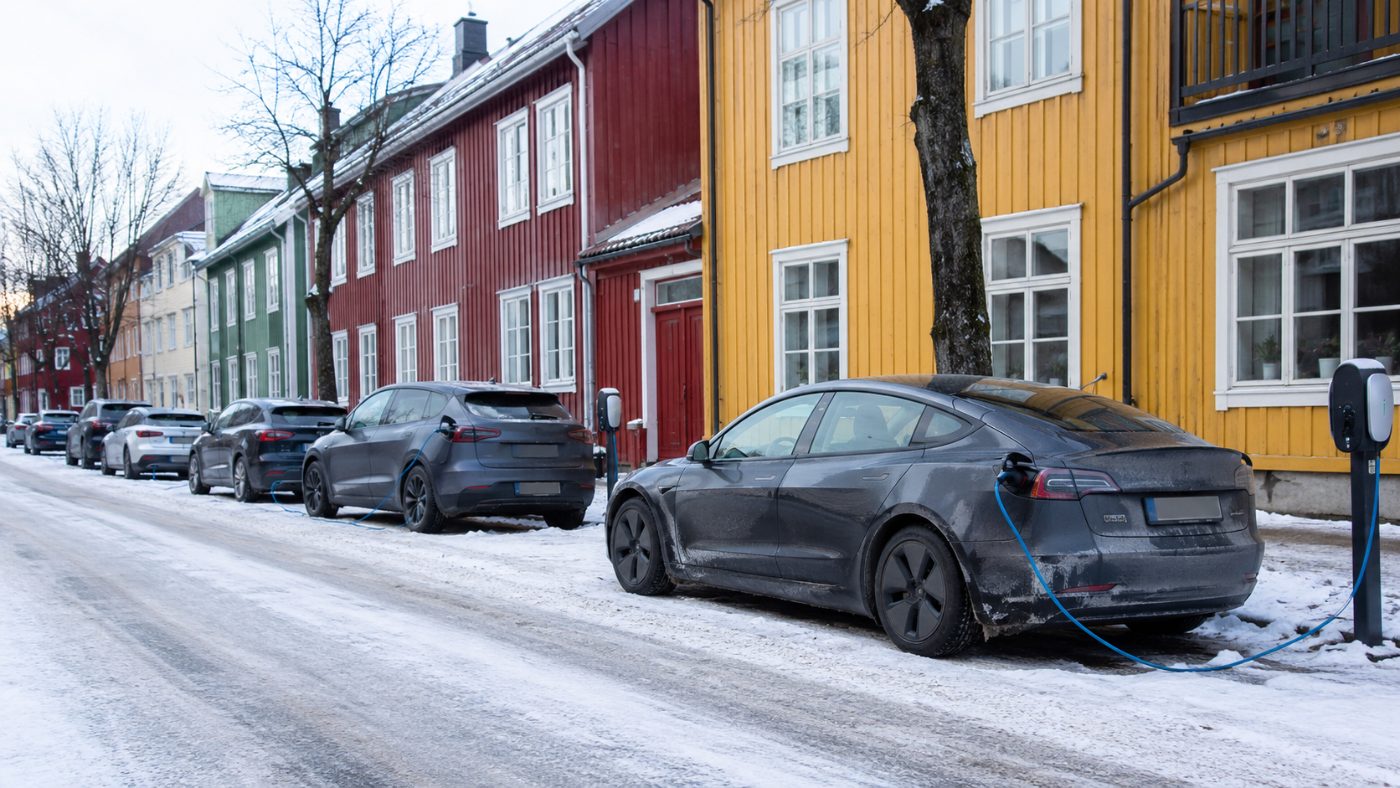
His featherlight thinking still echoes in bold electric gambles like the solar car that rose and fell and the much-mocked Sinclair C5 electric trike, and in the everyday revolution of countries like electric-car-mad Norway.
Was Paul MacCready's pedal-powered flight a glorious dead end or proof that the best engineering is about lightness, not power, and where could that thinking take electric vehicles next? Tell us in the comments.