General Motors built a beloved electric car in the 1990s, the EV1, then took every one back from its drivers and crushed them in the Arizona desert
It was sleek, silent, and a decade ahead of its time, and the people who drove it adored it. So when General Motors rounded up every GM EV1 and fed them to a crusher in the desert, its drivers did something you rarely see for a car: they held a funeral.
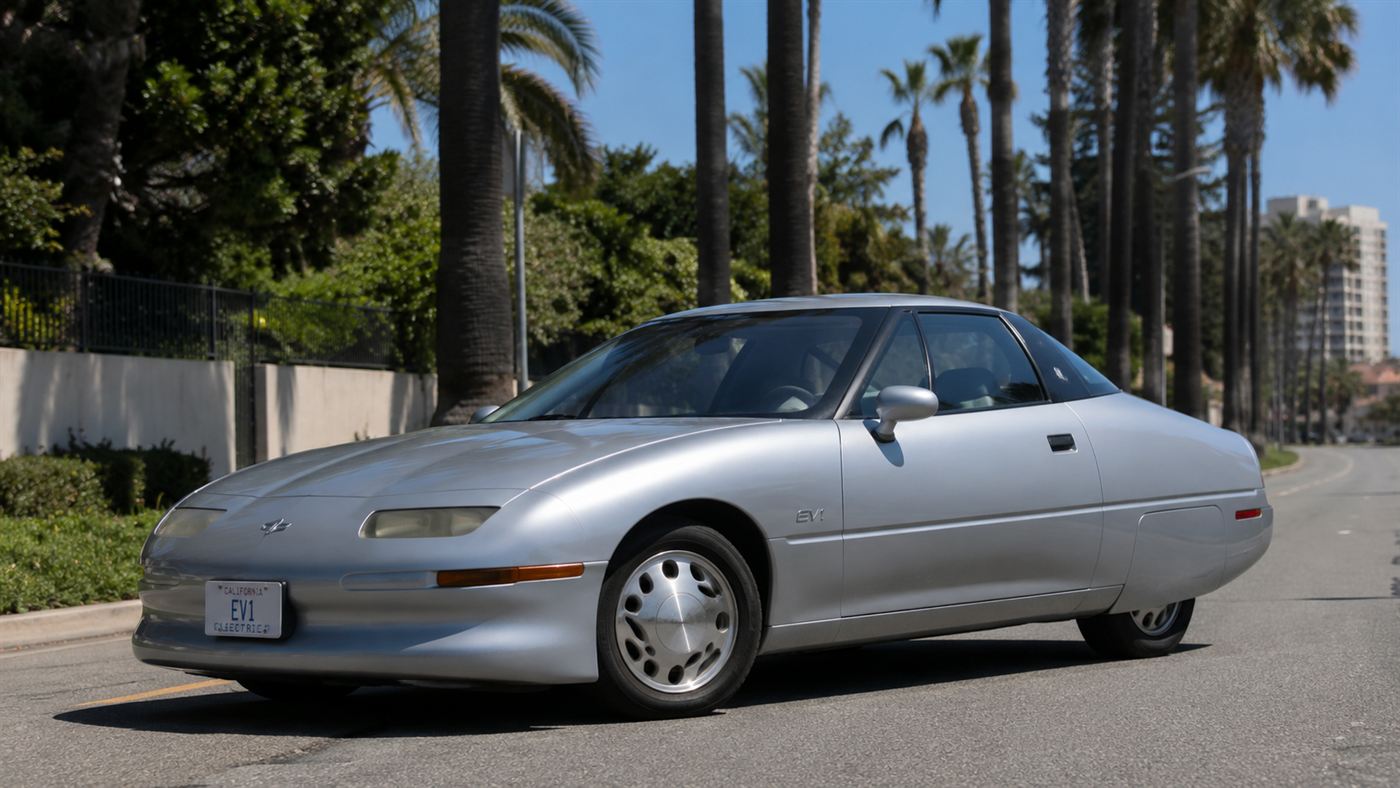
The GM EV1 was the most aerodynamic production car of its day, and for a few years the future seemed to have arrived early. Illustration: Watts & Wild.
The GM EV1 is the great might-have-been of the modern electric car, a vehicle that arrived in the 1990s, won a passionate following, and was then deliberately wiped from existence by the company that made it. Its story is so striking that it became a documentary, and it still shapes how people think about who really decides what we drive. Long before Tesla, a major carmaker had already built a desirable electric car, and then changed its mind.
What makes it sting is not just that the program ended, but how. General Motors did not simply stop building the car; it took back almost every one that existed and destroyed them, against the wishes of the very customers lining up to keep them. It is one of the strangest corporate decisions in automotive history, and it turned a quiet engineering triumph into a lasting symbol of frustration.
The GM EV1 was the first modern mass-produced electric car designed from scratch by a major automaker. General Motors leased about 1,117 of them in California and Arizona from 1996, in response to California's ZEV mandate, before ending the program and crushing most of the cars around 2003.
The electric car California forced into being
The GM EV1 did not begin as a passion project; it began as a rule. In 1990 the California Air Resources Board passed a ZEV mandate, requiring the big carmakers to sell a growing share of zero-emission vehicles if they wanted to keep selling anything in the state. That ZEV mandate lit a fire under the entire industry, and General Motors, which had just shown off a sleek concept called the Impact, decided to turn it into a real product.
The engineering was genuinely advanced. The EV1 was shaped for the air with obsessive care, reaching a drag coefficient of 0.19 that made it the slipperiest production car of its era, more aerodynamic than almost anything on the road today. It was a purpose-built electric car, not a converted petrol model, and in California and Arizona drivers could lease one and glide around in near silence while their neighbours were still buying gasoline.
Drivers who fell in love with the GM EV1
People did not just tolerate the GM EV1; they became devoted to it. Lessees described an almost evangelical attachment, charging it overnight at home, marvelling at the instant torque, and never missing a trip to the gas station. The roster of drivers included Hollywood names like Tom Hanks and Mel Gibson, but the heart of the fan base was ordinary Californians who felt they were living in the future.
The catch, written into the program from the start, was that you could never actually own one. General Motors offered the EV1 only on a lease, never for sale, which kept the company in control of every car. At the time it felt like a detail. It would turn out to be the mechanism by which the whole fleet could later be made to vanish.
Why General Motors crushed the EV1
Around 2002 and 2003, with the California ZEV mandate weakened after intense lobbying, General Motors declared the EV1 a money-loser and ended the program. Because every car was leased rather than sold, GM had the legal right to reclaim them all when the leases expired, and it did, ignoring waiting lists of drivers begging to buy their cars outright, some reportedly offering large sums and a release from liability.
The reclaimed cars were trucked to a facility in Mesa, Arizona, and crushed, as NPR has recounted. A handful were spared and handed to museums and universities, but with their drivetrains deliberately disabled so they could never run again. The sight of rows of a perfectly good electric car being flattened, while willing buyers stood outside the gates, is the image that has defined the GM EV1 ever since.
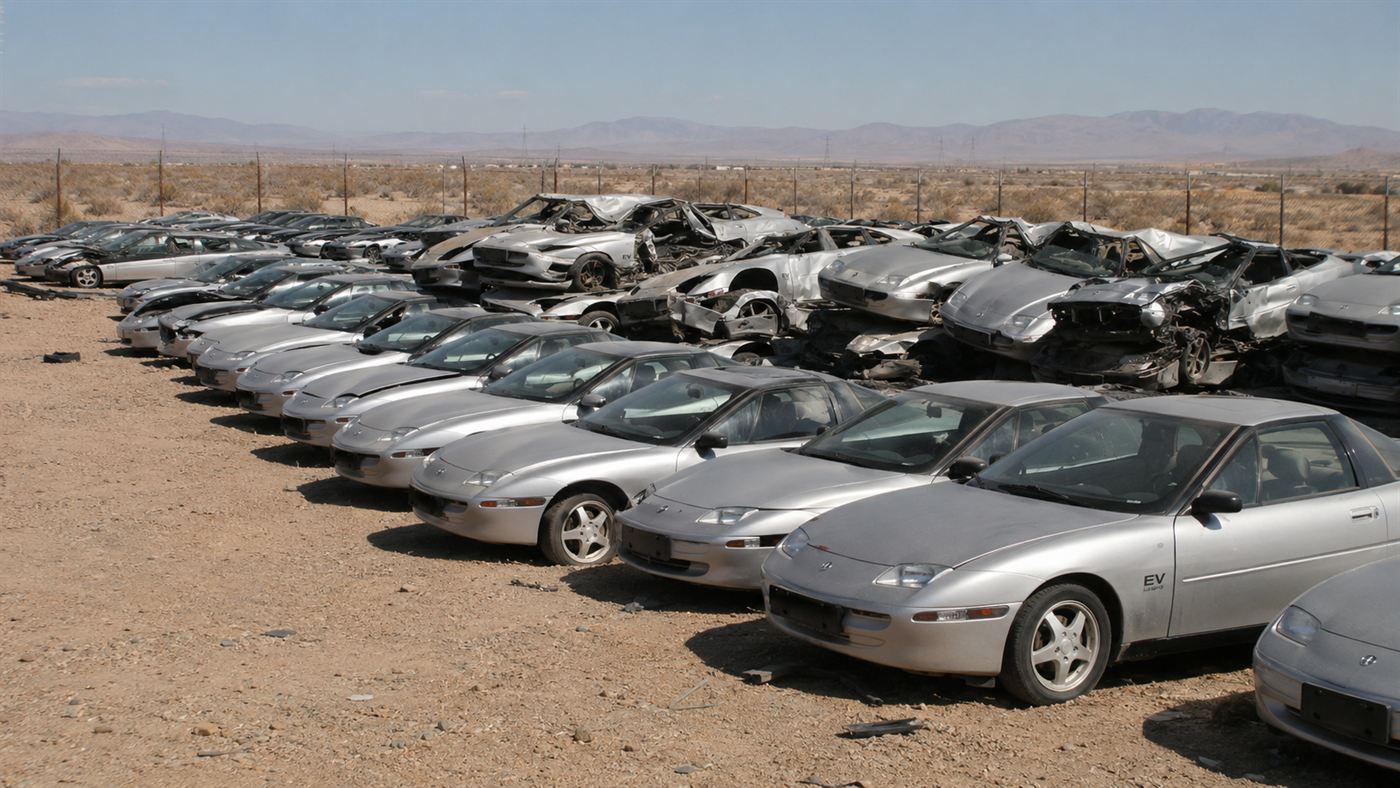
A funeral, and a documentary
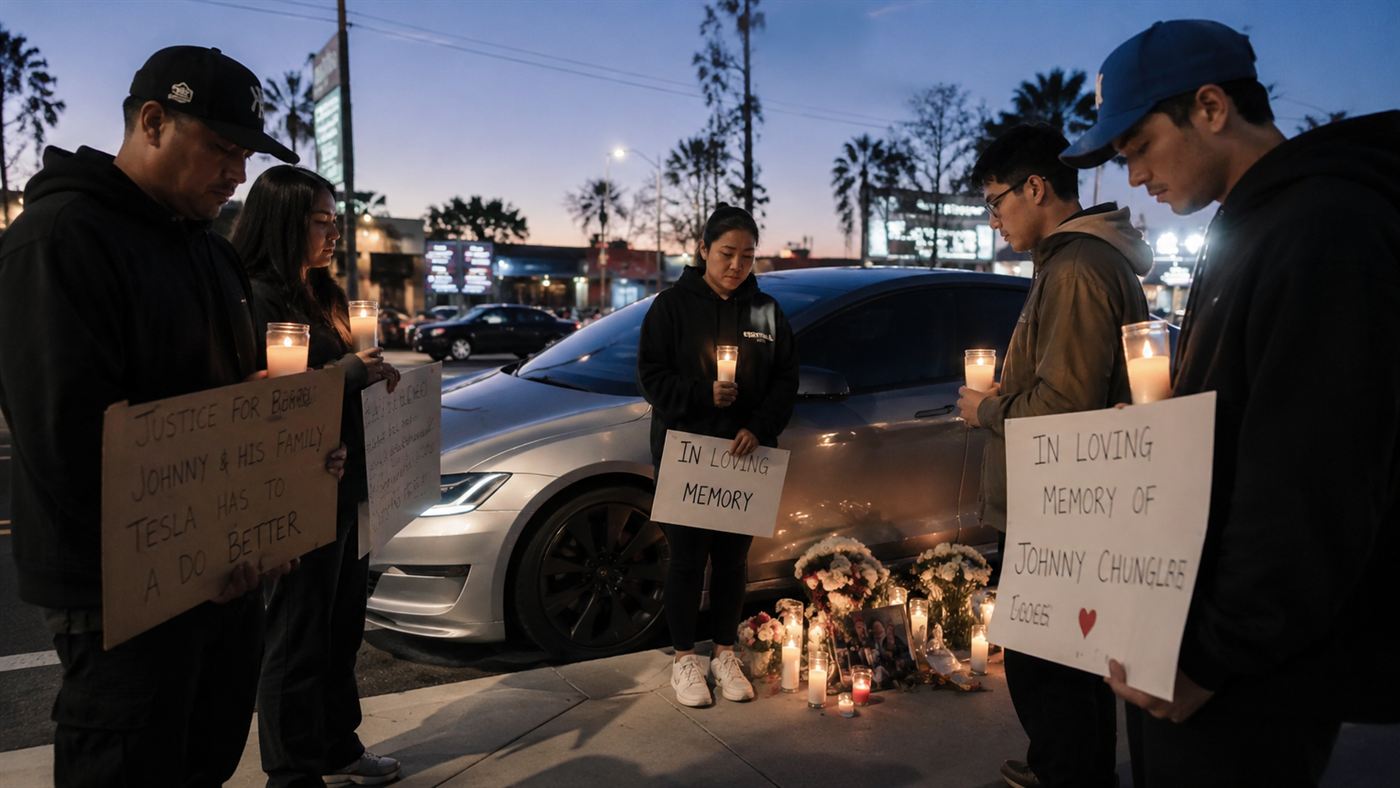
The drivers did not go quietly. A former EV1 specialist named Chelsea Sexton helped lead a campaign to save the cars, and supporters staged a public vigil in Hollywood, complete with a mock funeral procession, mourning a car as if it were a friend. It was an extraordinary thing to witness, grief on behalf of a machine, and it captured how betrayed these owners felt.
That anger found its lasting form in the 2006 documentary "Who Killed the Electric Car?", which laid out the tangle of suspects: General Motors, the oil industry, the federal government, the watered-down ZEV mandate, battery limits, and lukewarm wider demand. The film turned the GM EV1 from an obscure footnote into a cultural touchstone, the cautionary tale that hung over every conversation about the electric car for years afterward.
The honest catch
The legend can tip into pure conspiracy, and the truth is more tangled. The GM EV1 really did lose money on every unit, its early lead-acid battery gave a modest range, and only a couple of thousand people ever leased one, so it was never the runaway hit nostalgia implies. General Motors also cited real worries about being able to supply parts and honour safety liability for a tiny, complex fleet, which is part of why it wanted them off the road rather than in private hands.
But none of that fully explains crushing cars that customers were pleading to buy, and GM itself later admitted that killing the EV1 was a mistake, as Hagerty has detailed, going on to build the Volt and the Bolt in the era Tesla blew open. The GM EV1 proved that a major company could make a real electric car that people would love a full decade early, and then showed, just as clearly, how easily that future could be switched off. The second lesson is the one that stuck.
A carmaker built a great electric car, then destroyed it and made its drivers mourn. Was crushing the EV1 a cold business call or a genuine betrayal of the future? Tell us in the comments.
Related reading: A handmade electric sports car in a small California workshop quietly lit the fuse that became Tesla.