California spent decades leading America's fight against nuclear power, then a heat wave and two mothers who ran the reactors helped convince the state to save Diablo Canyon instead of closing it
For years, shutting down Diablo Canyon looked like a done deal, the tidy end of nuclear power in California. Then the lights nearly went out, and the politics flipped. The state that once fought reactors hardest chose to keep its last one alive for the climate.
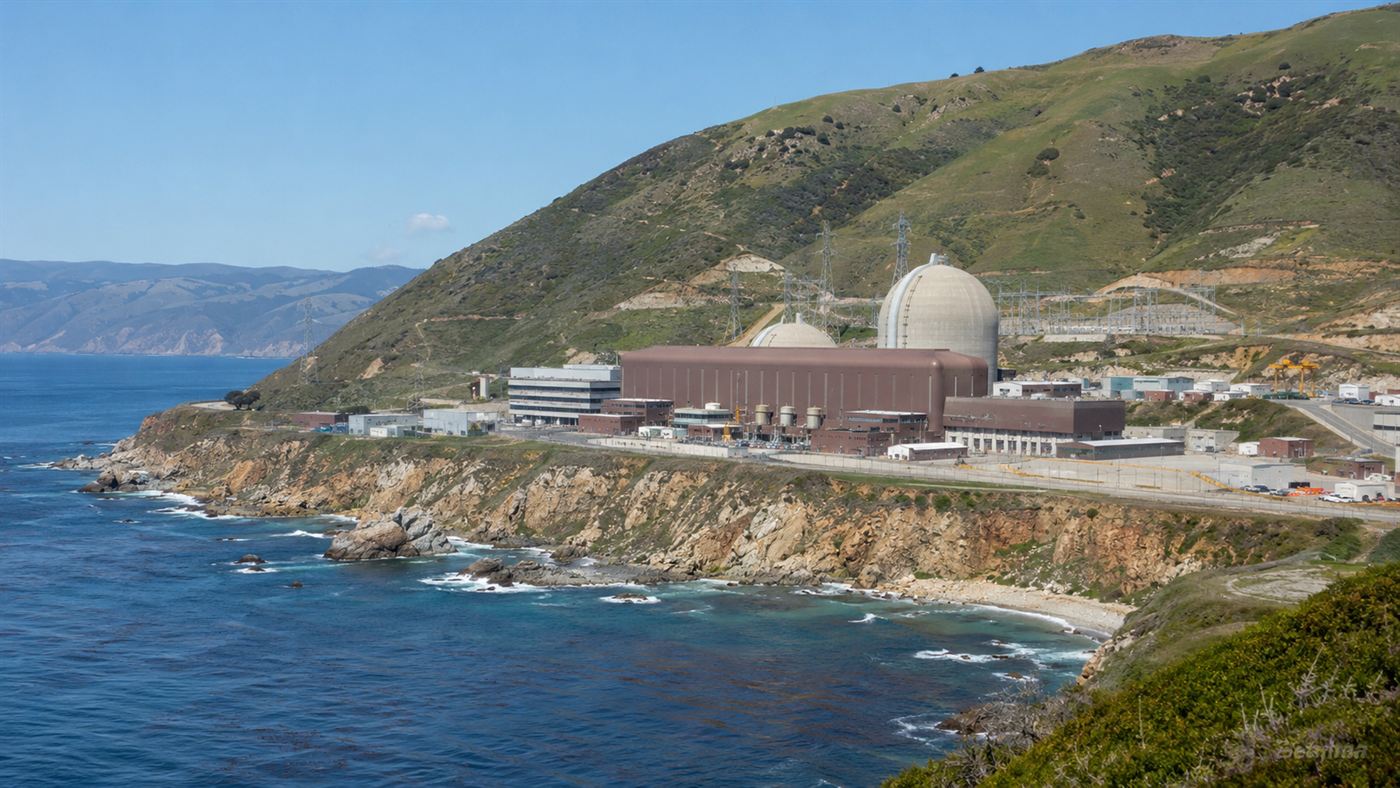
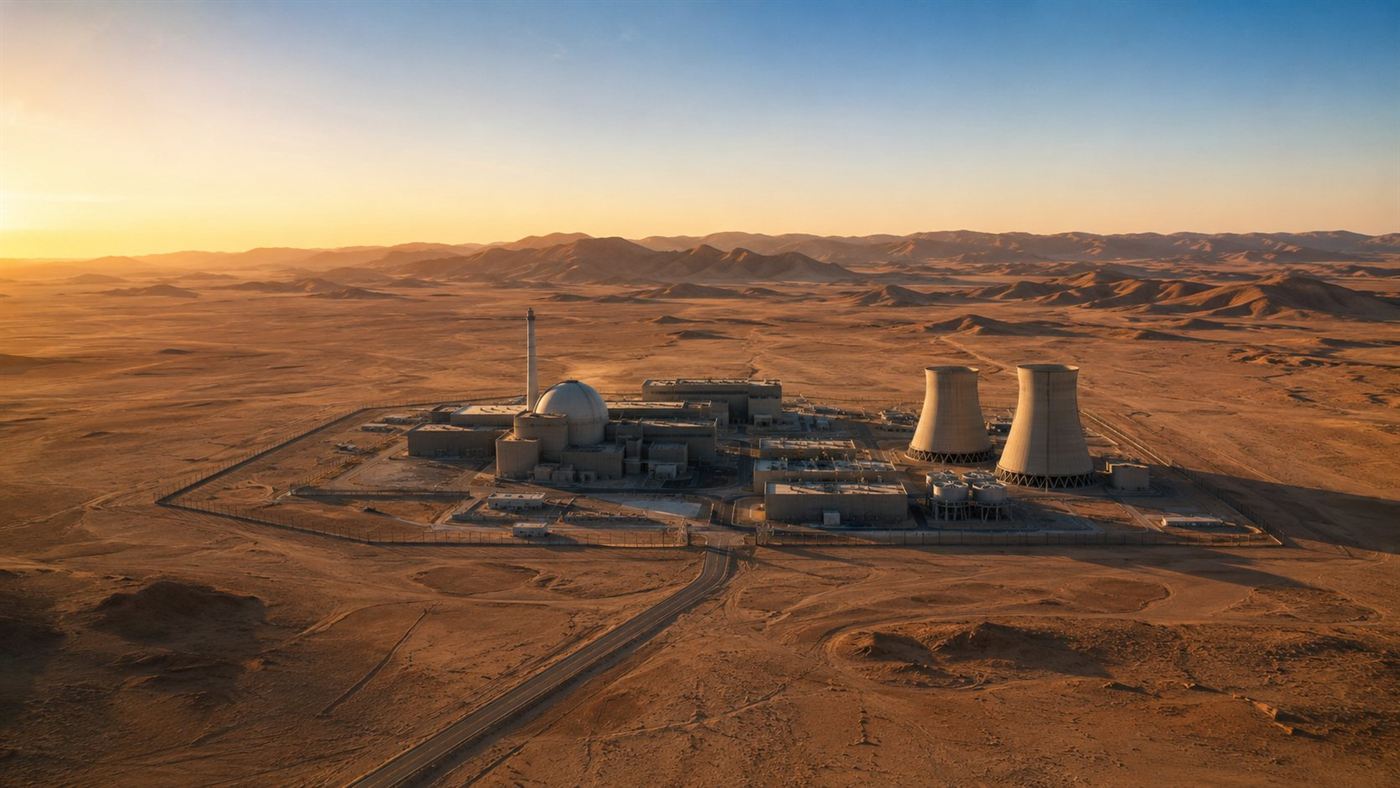
Diablo Canyon sits on a bluff above the Pacific on California's Central Coast. Illustration: Watts & Wild.
On a stretch of California's Central Coast near San Luis Obispo, two concrete domes look out over the Pacific. Inside them, the reactors have been splitting atoms since the mid-1980s, and for most of the last decade its story had a clear ending: it was going to close. California had spent two generations as the heart of America's anti-nuclear movement, and switching off its final reactors felt like the natural last chapter.
That is not how it went. As CalMatters has reported, the state reversed itself and moved to keep the plant running years past its planned shutdown, driven by a grid scare and a hard look at the climate math. The reversal split the environmental movement and turned the plant into a symbol of how much the argument over nuclear power has changed.
The short version: Diablo Canyon is California's last nuclear power plant, and it makes about 9 percent of the state's electricity with no carbon emissions. A 2016 deal set it to close by 2025, but after a 2022 heat wave nearly caused blackouts, California passed a law to keep it open through 2030, and federal regulators renewed its license.
What is Diablo Canyon?
The plant is not a minor piece of the grid. Its two reactors put out around 2.2 gigawatts, enough to cover roughly 8 to 9 percent of all the electricity California uses, and because reactors run day and night in almost any weather, it does so around the clock. It is by a wide margin the largest source of carbon-free power in the state, out-producing any single solar or wind installation.
That is exactly what made its planned closure so fraught. Take a nuclear power plant of that size offline and the electricity has to come from somewhere, and in the near term that often means burning more natural gas. Shutting it down promised cleaner politics but, at least for a while, a dirtier grid, a tension that sat quietly inside the plan for years.
The deal to shut it down
The closure was not forced on anyone. In 2016 the plant's owner, the utility PG&E, reached an agreement with labor and environmental groups to retire the plant when its federal licenses expired, in 2024 and 2025, and replace it over time with renewables and efficiency. At the time it was hailed as a model of a cooperative, managed exit from nuclear power.
For years PG&E's plan simply rolled forward, unquestioned by most of the state's political establishment. Renewables were getting cheaper fast, the reasoning went, and California could fill the gap without the cost and controversy of an aging reactor on the coast. The shutdown had a date, a plan, and broad support, which is what made what happened next so surprising.
The two mothers who fought to save it
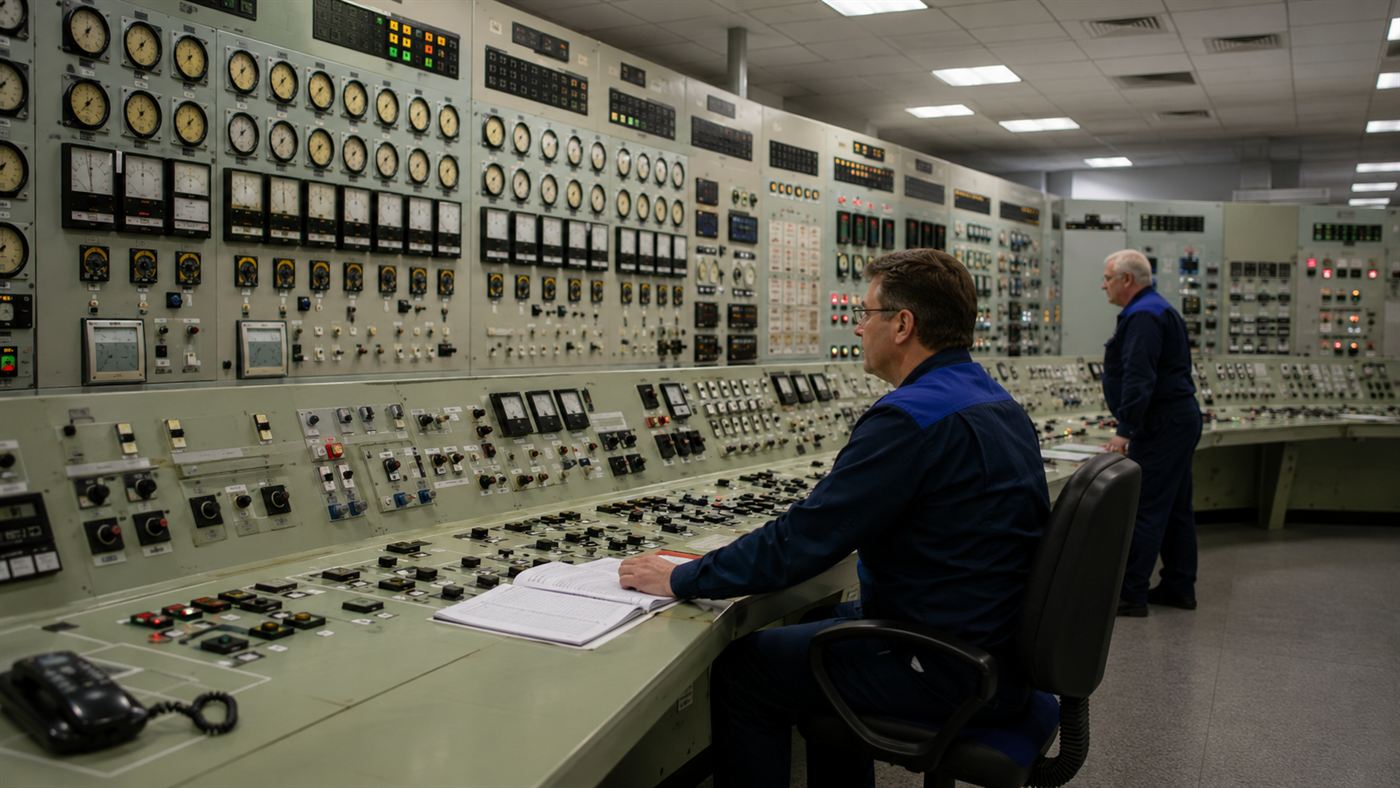
Some of the loudest voices against the shutdown came from inside the plant's own gates. In 2016, two Diablo Canyon employees, reactor operator Heather Hoff and engineer Kristin Zaitz, both lifelong environmentalists and mothers, founded a group called Mothers for Nuclear. They had each arrived at the plant with doubts about nuclear power and slowly changed their minds as they learned how it worked.
Their argument was blunt: if you take climate change seriously, you do not switch off the biggest clean-power source you have. As the group tells it, Hoff and Zaitz were tired of watching people who cared about the planet treat nuclear as the enemy while gas plants kept humming. What began as two moms handing out flyers grew into a movement with chapters in several countries, and Mothers for Nuclear helped make saving the reactors a cause rather than a lonely position.
Why did California reverse course?
The turning point was a heat wave. In September 2022 a brutal stretch of heat drove electricity demand to record highs and pushed California's grid to the very edge of rolling blackouts, with the state pleading for people to cut power use to keep the lights on. Suddenly the idea of voluntarily giving up a steady 2.2 gigawatts looked reckless.
Within weeks the legislature passed Senate Bill 846, and Governor Gavin Newsom backed keeping the plant open, a decision his office later tied to grid reliability and clean energy goals. The law cleared a path for the plant to run through 2030, and after PG&E applied to extend its licenses, federal regulators went further, renewing the reactors' licenses into the 2040s, though state law still caps operations at 2030 unless lawmakers act again.
A turning point for the green movement
Diablo Canyon has become shorthand for a bigger shift. A growing number of people who care most about climate change have concluded that keeping existing reactors running is one of the cheapest, fastest ways to hold down emissions, and that closing them early usually means leaning harder on fossil fuels. The plant that California spent years planning to bury became evidence for that case.
It is a genuinely strange turn of history. The same state and, in some cases, the same organizations that helped make opposition to nuclear power a core green value found themselves fighting to keep a reactor alive, or at least standing aside while others did. Whatever happens after 2030, the debate over its future has already changed how a lot of people think about clean energy and what counts as green.
The honest catch
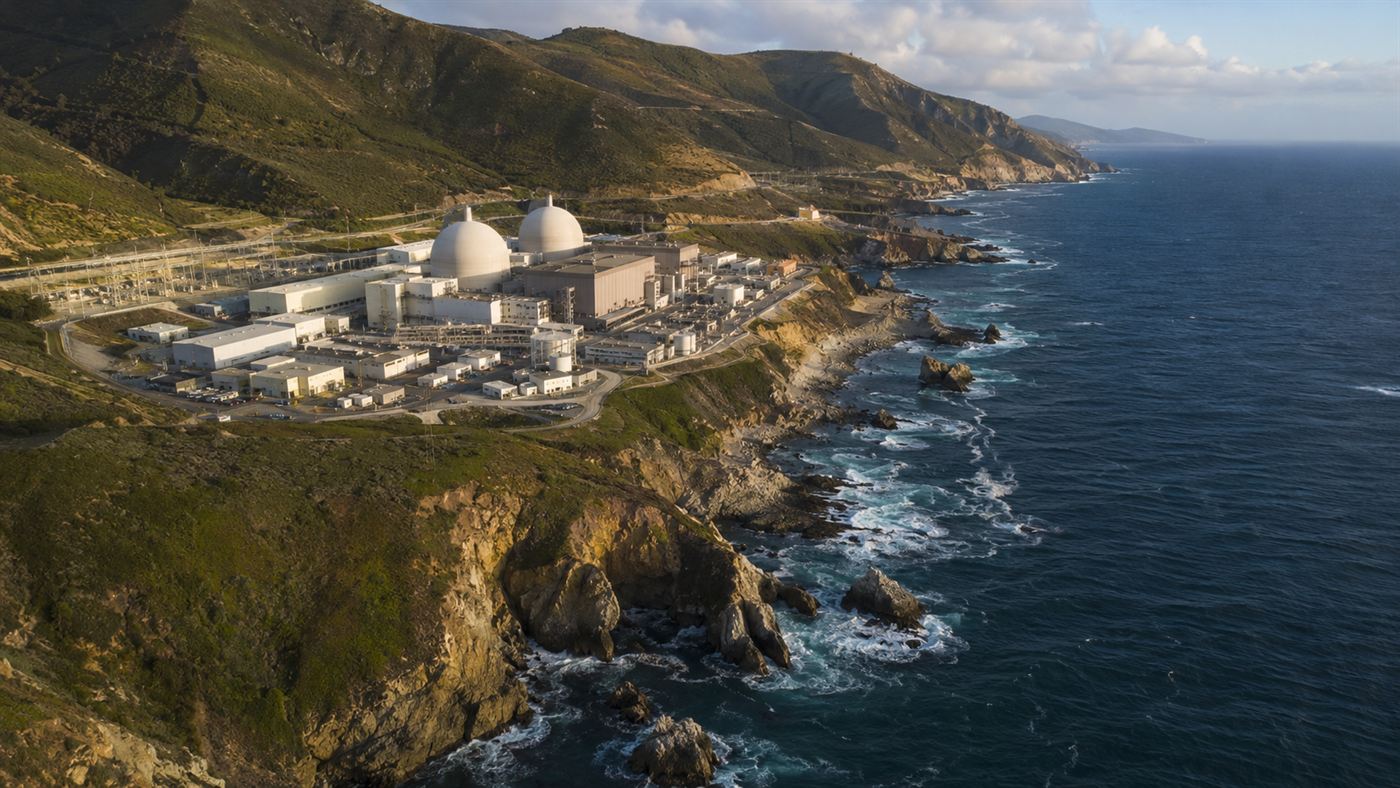
Keeping Diablo Canyon open is not a clean win, and the objections are serious. The plant sits near several earthquake faults, and seismic risk has been the central worry about it for decades. It is also aging, and to let it keep running during relicensing, federal regulators granted exemptions that critics say skip past the kind of full safety review a plant this old should face. Its once-through cooling system, which draws in and heats huge volumes of seawater, has long troubled marine biologists.
There is also the matter of an unfinished argument. Groups like Friends of the Earth, which helped broker the 2016 closure, view the extension as a costly, risky reversal rather than a triumph, and the 2030 cap means the fight can reopen at any time. Diablo Canyon is best understood not as a problem solved but as a hard trade-off California has chosen for now: real seismic and environmental risks accepted in exchange for a big block of steady, carbon-free power it was not ready to lose.
A state that led the charge against nuclear power decided, in the end, that it could not afford to lose its last reactor. Was California right to keep its last reactor running for the climate, or is an aging plant on an earthquake coast a risk not worth taking? Tell us what you think in the comments.
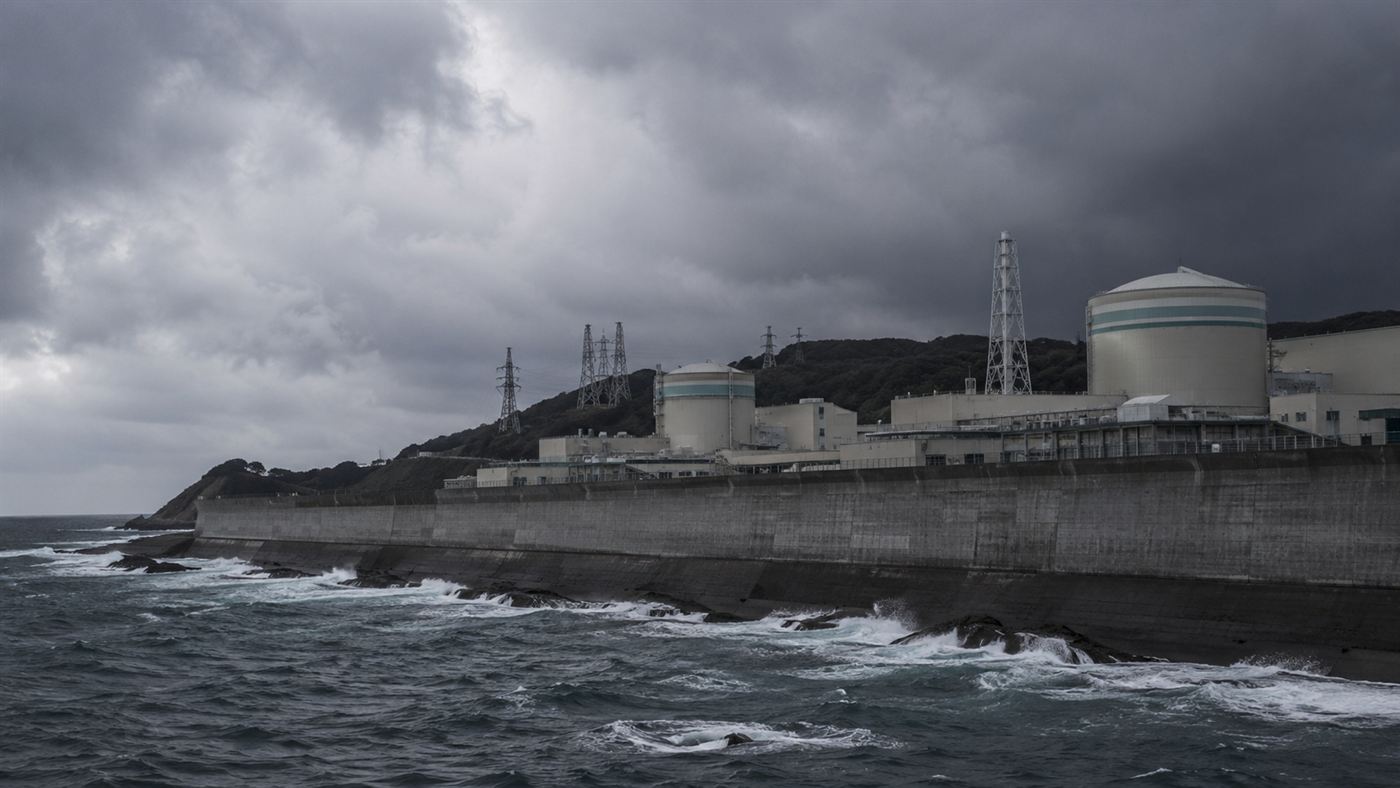
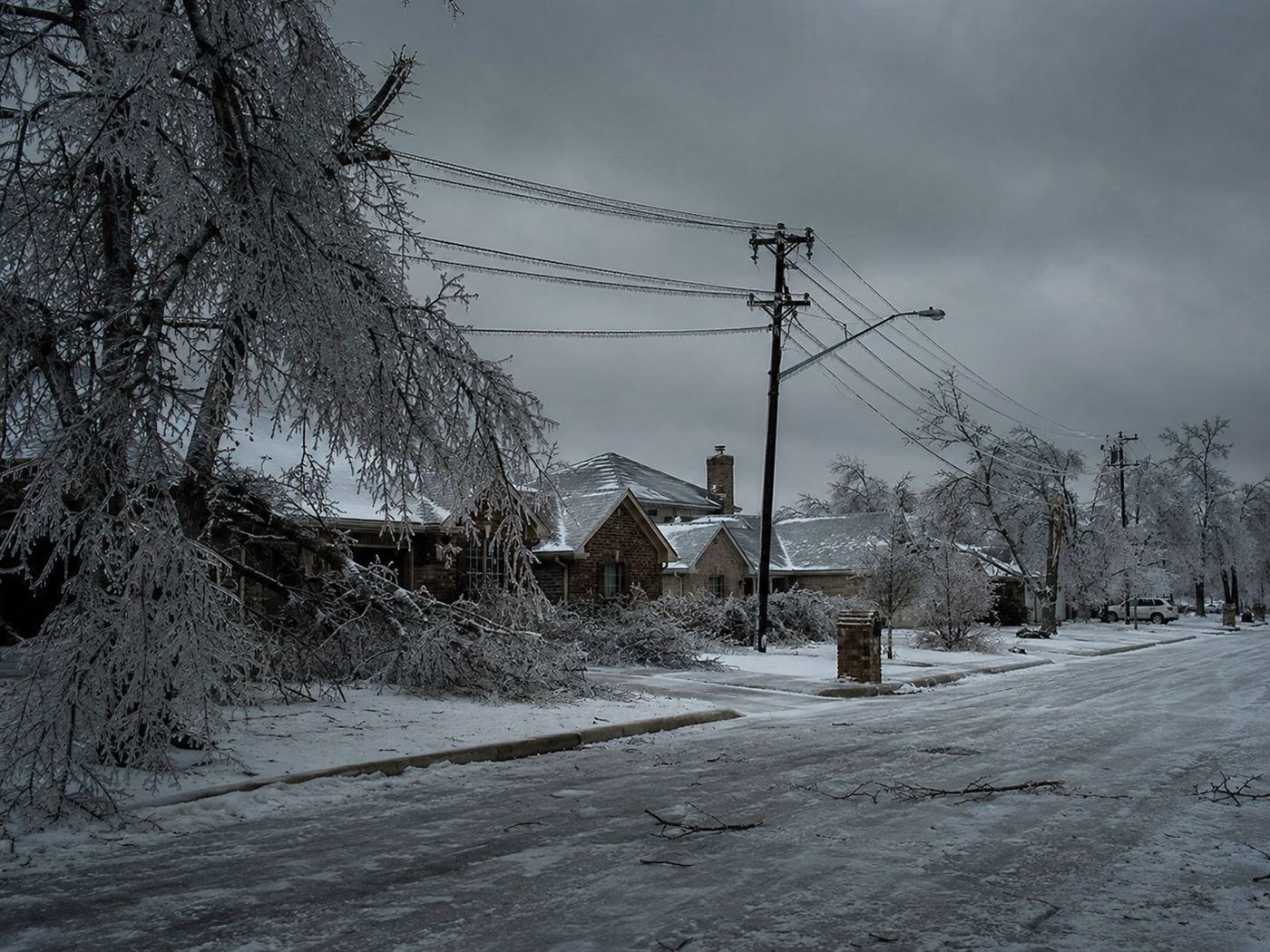
Related reading: how a Japanese nuclear plant survived the 2011 tsunami that doomed Fukushima, and why a Texas grid collapse in 2021 showed how fragile the power supply can be.