California built a giant battery at Moss Landing to prove clean power was safe, then it caught fire, emptied a town, and rained heavy metals on a wildlife estuary
The Moss Landing battery fire was supposed to be impossible. This was one of the largest lithium batteries on Earth, a flagship of California's clean-energy future sitting on the Monterey coast. On January 16, 2025, it burned for days, drove 1,200 people from their homes, and left scientists finding heavy metals in the marsh next door.
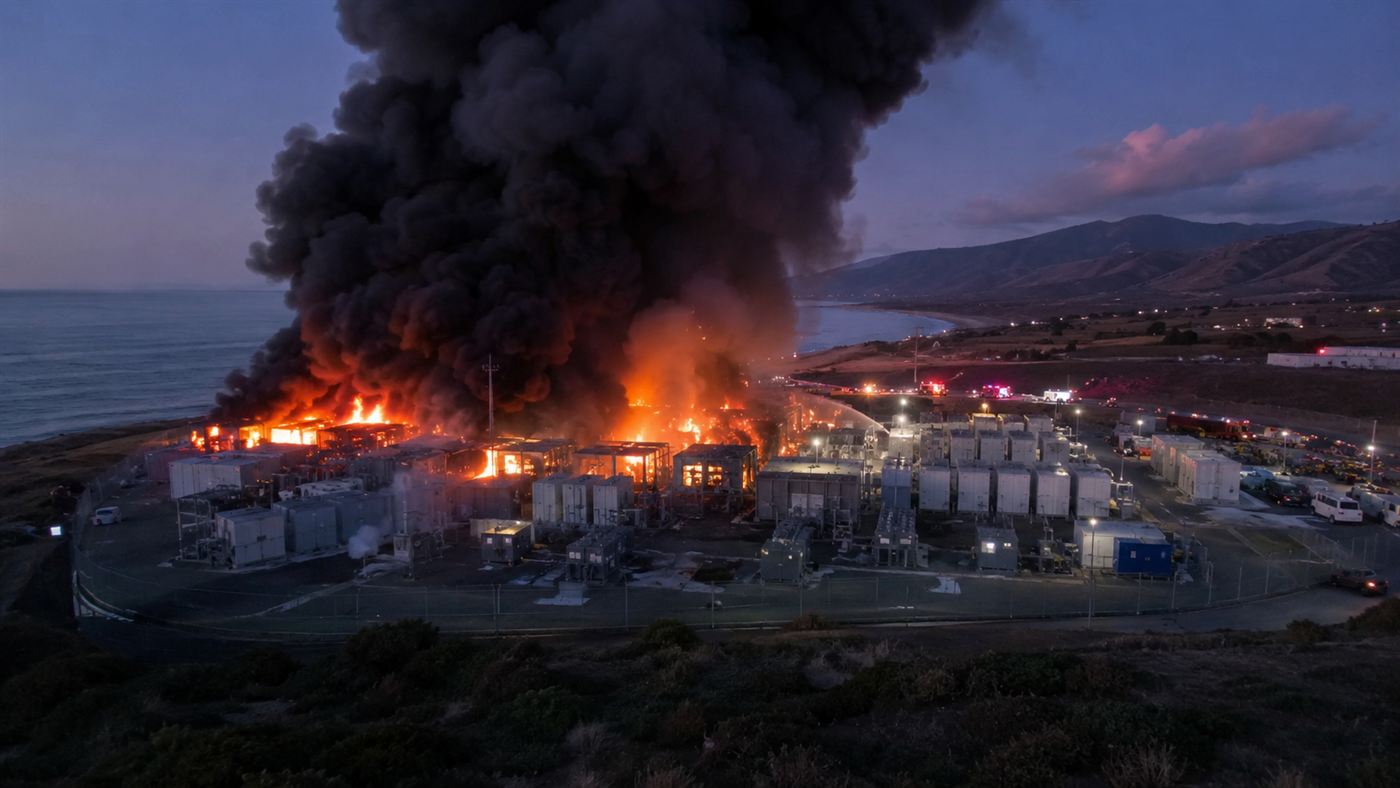
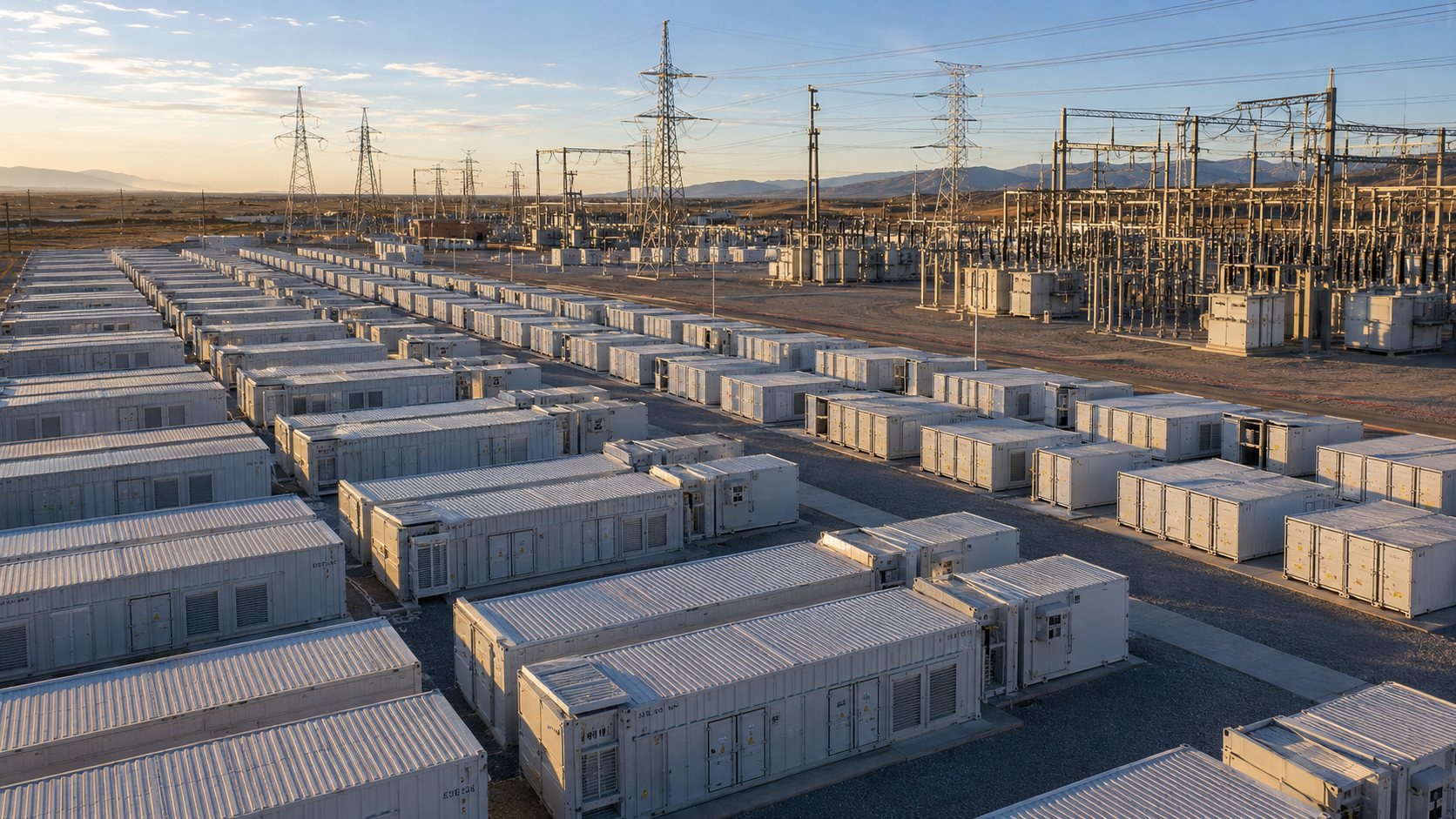
A flagship of the clean-energy grid, burning. The Moss Landing fire drove 1,200 people out. Illustration: Watts & Wild.
The Moss Landing battery fire started on a Thursday afternoon and turned one of the proudest symbols of California's energy transition into a column of black smoke visible for miles. Just after 3 p.m. on January 16, 2025, lithium-ion cells inside Vistra Energy's storage plant on the Monterey Bay coast ignited, and the fire tore through the building faster than crews could contain it.
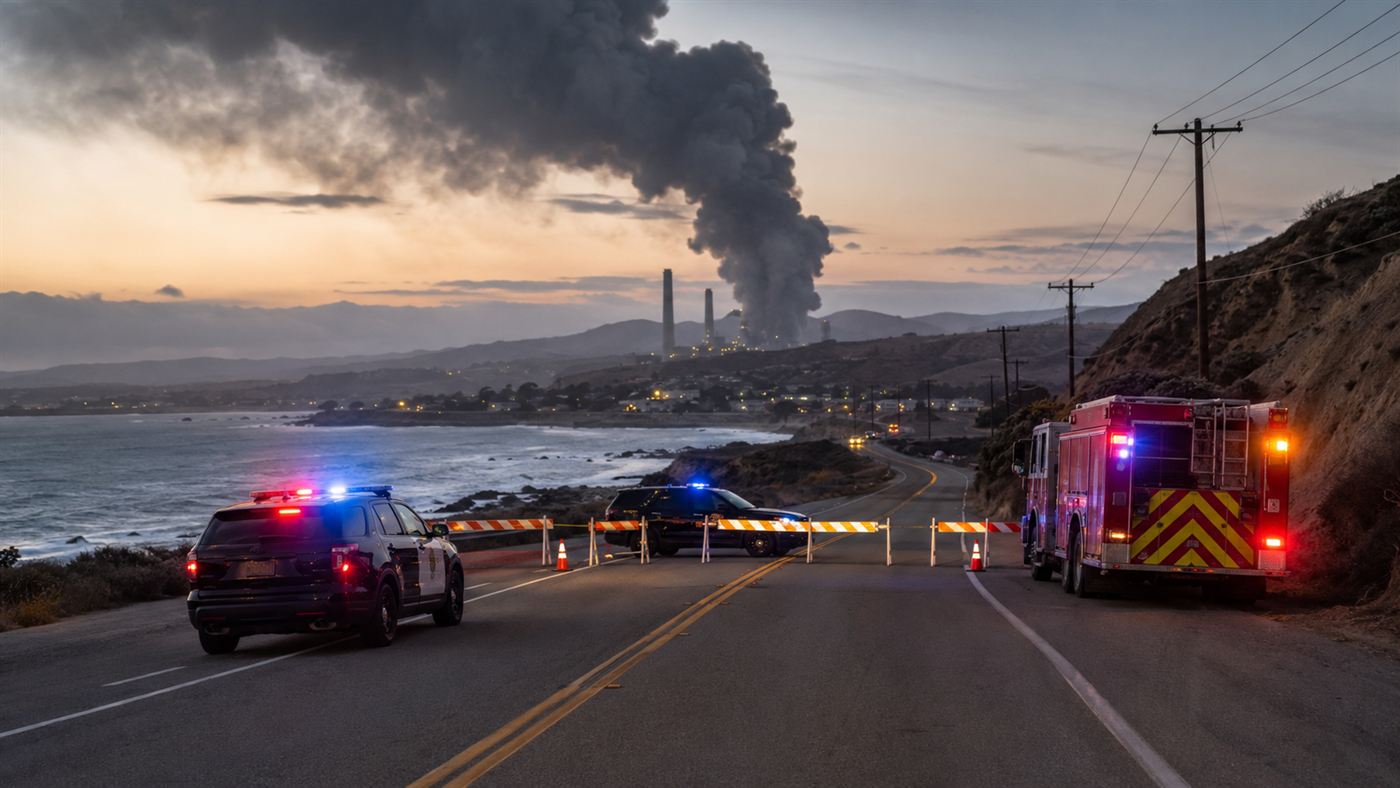
As Utility Dive reported, the blaze destroyed most of a 300 megawatt array inside the larger 750 megawatt facility, a section packed with roughly 100,000 lithium-ion cells that had been running since 2020. Sheriff's deputies ordered about 1,200 people within a mile to leave, and Highway 1, the coastal artery between Santa Cruz and the Bay Area, was shut down. Nobody was hurt. The damage would show up later, and quietly.
The short version: On January 16, 2025, a 300 MW section of Vistra's Moss Landing battery plant, one of the world's largest, caught fire. Around 1,200 residents were evacuated and Highway 1 closed. Months later, an independent study found heavy metals from the fire in the soil of the Elkhorn Slough estuary, raising hard questions about where we put giant batteries.
What happened at Moss Landing on January 16, 2025
Moss Landing is a small fishing village wrapped around a harbor, with a power plant that has loomed over it for generations. The old gas-fired station's twin smokestacks are a landmark. In recent years Vistra had filled the site's turbine hall with tens of thousands of battery racks, turning a fossil relic into a showcase for storing solar and wind power. That is what was burning.
Lithium fires are notoriously stubborn. Once one cell overheats and fails, it can heat its neighbors until they fail too, a chain reaction called thermal runaway that firefighters cannot simply hose out. At Moss Landing the safest move was often to let it burn under watch. The evacuation orders lifted by Friday evening, but the plume had already drifted inland over farm fields and homes, and residents came back to a town coated in worry about what had fallen on it.
Why the plant mattered, and why that made it worse
To understand the shock, you have to see what Moss Landing represented. Grid-scale batteries are the missing piece of a renewable grid, the thing that lets solar power run the lights after sunset. California had leaned hard into them, and this site was among the biggest anywhere. It was meant to be proof that a clean grid could be reliable and safe.
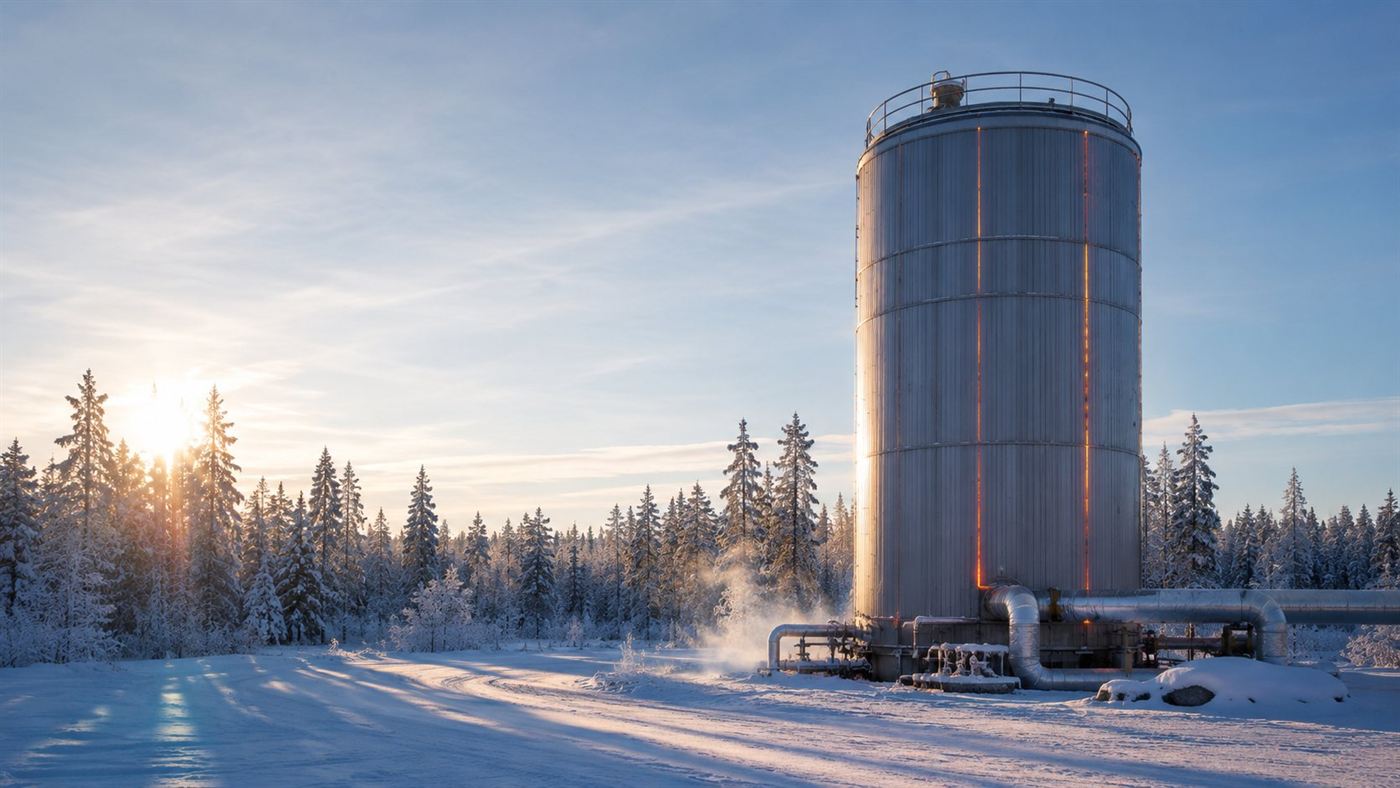
So when it caught fire, the story was not just a local emergency. It was the flagship failing in public, handing every opponent of battery storage a vivid image. The lithium-ion battery boom had been sold on being clean, and here was one of its giants throwing toxic smoke over a beloved stretch of coast. There are calmer chemistries built to never burn, like a vanadium flow battery that stores its energy in fireproof liquid, but the grid ran on lithium, and lithium was what failed.
What caused the Moss Landing battery fire?
The immediate cause points to the plant's own defenses. North County Fire Protection District Chief Joel Mendoza said a fire suppression system built into one of the battery racks had failed, letting a single fault cascade instead of snuffing it out. In a room where 100,000 energy-dense cells sit shoulder to shoulder, that is the nightmare, because there is no firebreak between them.
It was not the site's first scare. There had been four fire or overheating incidents at the Moss Landing property since 2020, though Vistra disputed the tally, arguing that two were overheating events rather than true fires. Either way, the pattern fed a growing debate about battery storage safety and whether older, densely packed designs like this one belonged so close to homes. Monterey County Supervisor Glenn Church called the fire a "worst-case scenario," and Assemblymember Dawn Addis demanded transparency and accountability from the industry.
The heavy metals in Elkhorn Slough
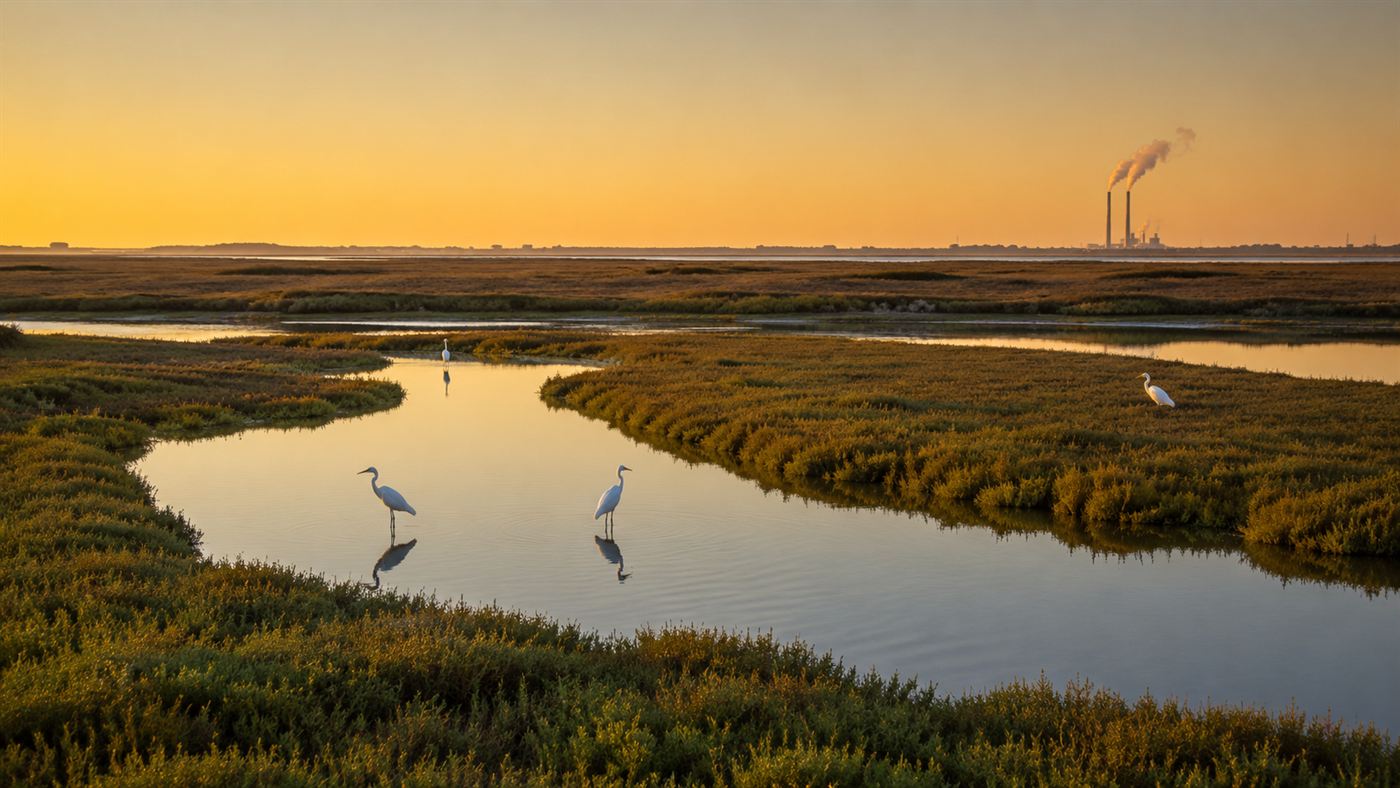
The lasting damage was invisible on the night of the fire. Just across the water sits Elkhorn Slough, one of California's most important estuaries, a tidal marsh that shelters sea otters, harbor seals, and hundreds of bird species. When the plume settled, scientists went to find out what it had left behind. A team from San Jose State University's Moss Landing Marine Laboratories, led by geological oceanography professor Ivano Aiello, found sharp spikes of heavy metals in the marsh soil.
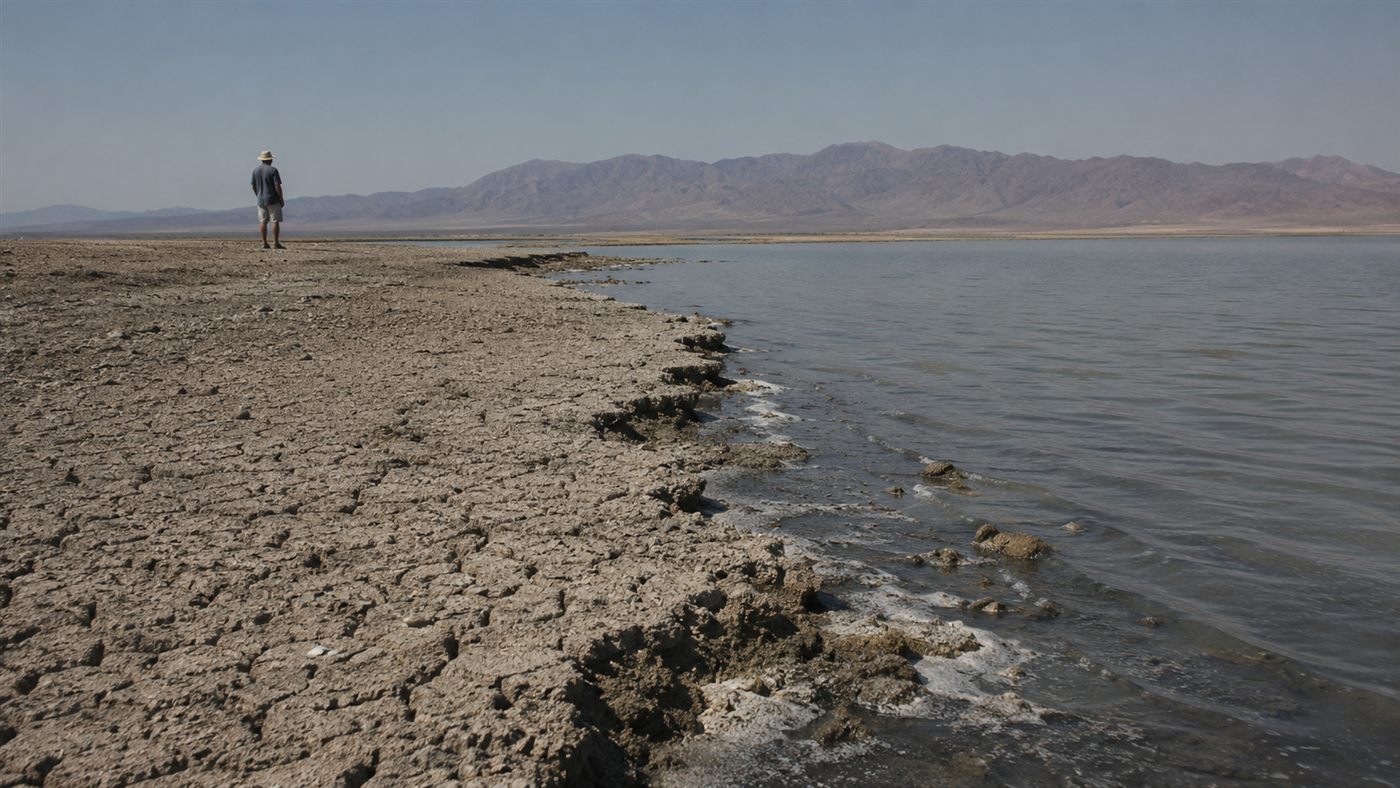
Their measurements were startling. Concentrations of nickel, manganese, and cobalt, the metals that make up lithium battery cathodes, jumped by a hundred to a thousand times over earlier readings. In the first independent, peer-reviewed study of the disaster, the team estimated that roughly 55,000 pounds of heavy metals had been deposited in soils near the slough. Those metals are toxic to aquatic life, and to people, and Aiello's group said they would keep monitoring the marsh for years. A clean-energy accident had spilled a mining-town's worth of metals into a wildlife refuge, an irony not lost on anyone who lives near California's other lithium flashpoint at the Salton Sea.
How dangerous are big batteries, really?
Here is where honesty cuts both ways. As frightening as Moss Landing looked, battery fires are genuinely rare. The American Clean Power Association pointed out that across all of the United States there had been only about 20 fire incidents at operational storage sites in the previous decade, even as the amount of installed storage exploded by roughly 25,000 percent since 2018. Measured per battery, the failure rate is very low, and modern plants are being built with safer chemistry and real gaps between units.
But averages are cold comfort when the rare event lands next to your estuary. Moss Landing was an early, dense, first-generation design, and it sat beside a town and a protected marsh. The lesson most engineers drew was not that storage is doomed, it is that where and how you build it matters enormously, the same siting fight that shadows every big energy project from California's flooded farmland to a wind farm on a bird migration route.
The honest catch
It would be easy to read Moss Landing as proof that batteries are a menace, and that would be the wrong lesson. The grid needs enormous amounts of storage to run on sun and wind, and lithium remains the workhorse that makes that possible today. Pulling back from storage would mean burning more gas, which does its own steady, invisible harm to the same air and water. The trade is real, not one-sided.
What Moss Landing exposed is narrower and more fixable. Cramming a hundred thousand aging cells into an old turbine hall a mile from families and a wildlife refuge was a choice, and a newer generation of plants is already being designed to fail more gracefully, with fireproof chemistries and space to contain a bad cell. The fire was a real disaster with a real toxic footprint. It was also a warning we can actually act on, if we treat these giants with the respect their scale demands.
One of the world's largest batteries burned, emptied a town, and salted a wildlife estuary with heavy metals, and yet the grid still needs storage like it more than ever. Would you accept a giant battery near your town if it helped kill fossil power, or is a site like Elkhorn Slough simply the wrong place? Tell us what you think in the comments.
Related reading: The grid battery that runs on rust and holds a charge for 100 hours instead of four.
More from Watts & Wild
More in Energy →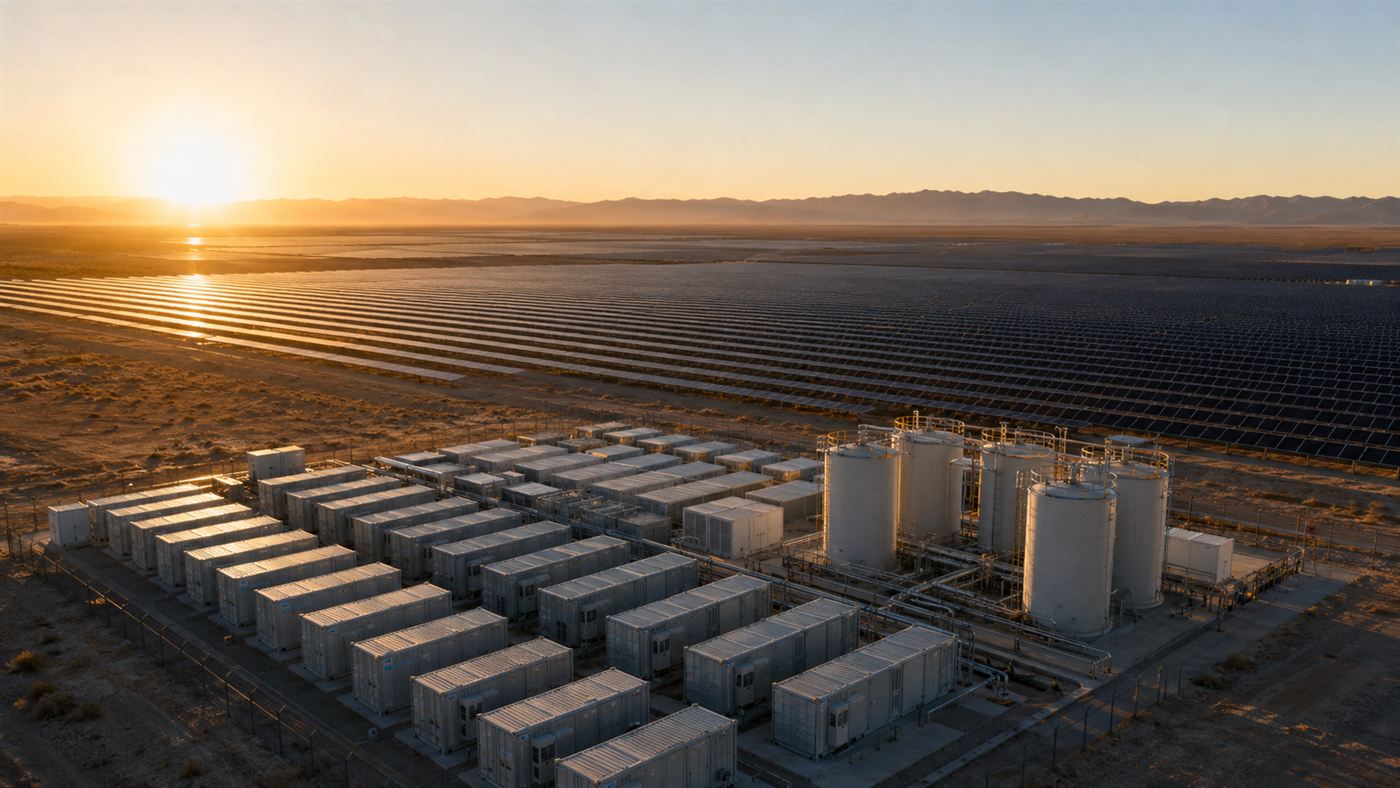


Bruno writes about energy history, industrial disasters, and the people who shaped the technologies we take for granted. He is based in Brazil.