People once thought it was a baby dragon, and it can go ten years without a meal
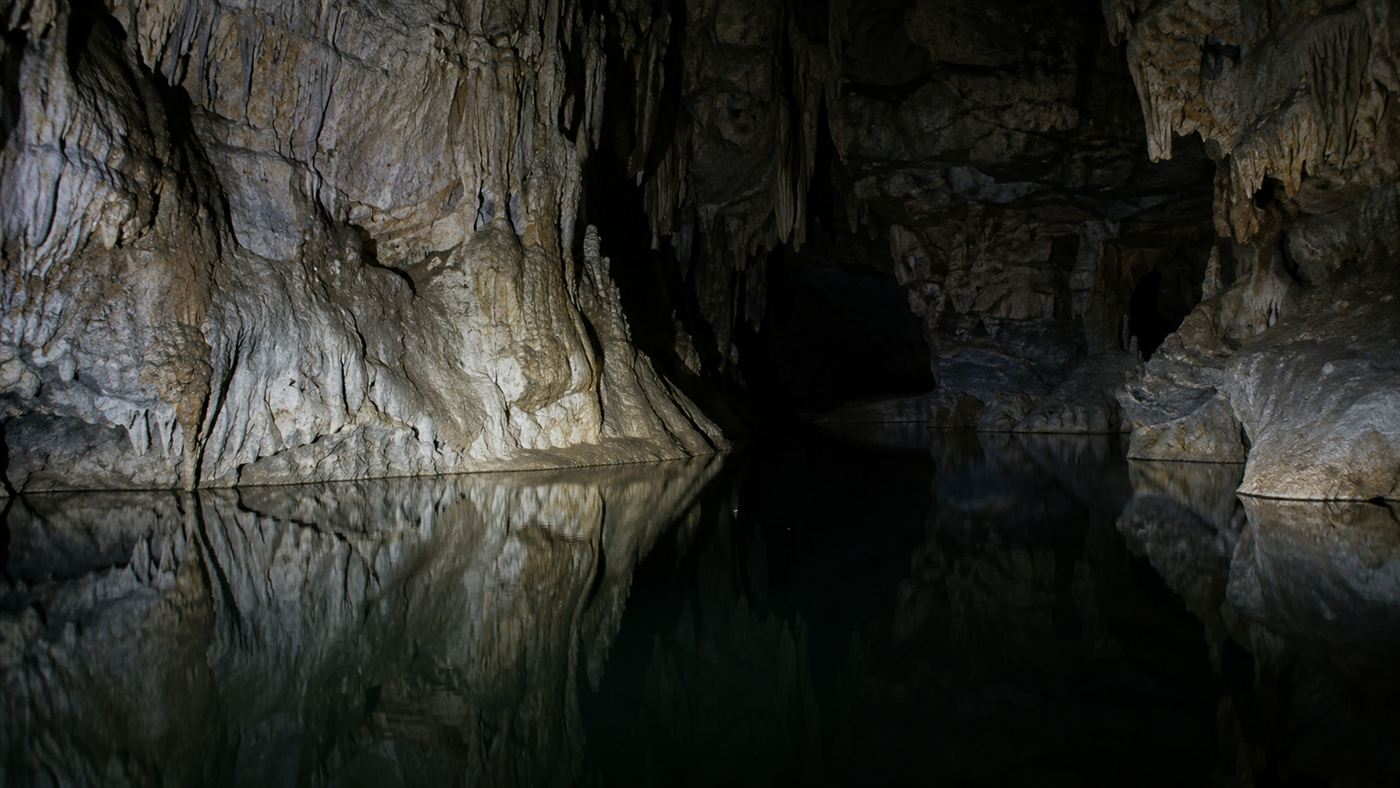
Deep in the flooded caves beneath Slovenia and Croatia lives a pale, eyeless creature that looks like something half finished, or half mythical. For centuries people who found one assumed they were holding a baby dragon. The olm is real, it can live for a hundred years in total darkness, and it survives by spending almost no energy at all.
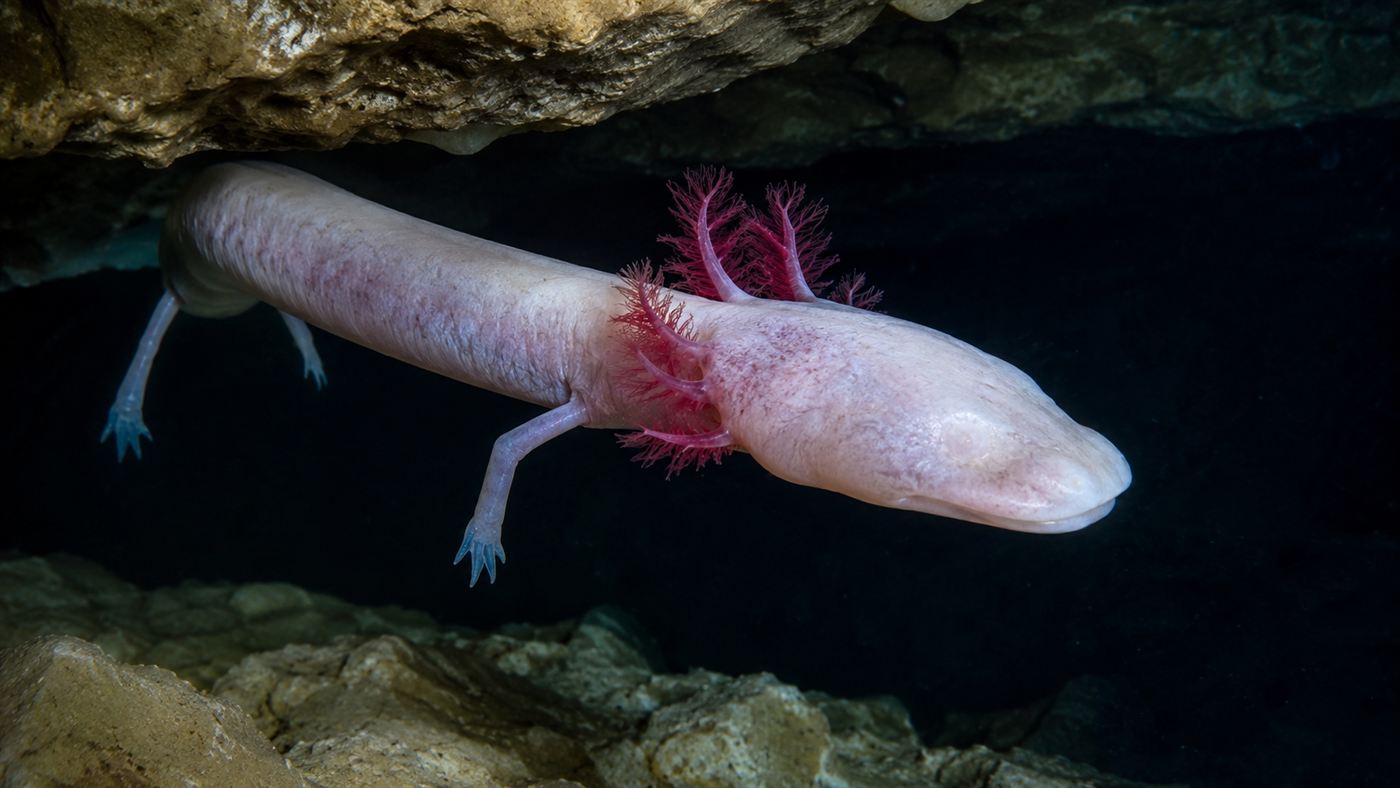
The olm, pale as candle wax, with feathery red gills, has lived in cave water since long before anyone thought to name it. Illustration: Watts & Wild.
Most animals fight a constant battle to find enough food. The olm took the opposite path. This blind cave salamander from the limestone karst of the Balkans has built its entire existence around needing as little as possible, and in doing so it has become one of the longest-lived and strangest amphibians on Earth.
It is the kind of creature that sounds invented, a snake-shaped animal the colour of skin, with frilly scarlet gills and eyes that have all but vanished. For once, the folklore that grew up around it was almost more reasonable than the truth.
The dragon that washed out of the caves
The karst country of Slovenia is riddled with caves and underground rivers, and after very heavy rain those hidden waters can burst to the surface. Sometimes they carried olms out with them. To people who had never seen one, a pale, wriggling, limbed creature flushed out of the rock looked exactly like the offspring of a dragon hiding deep underground.
The legend stuck so firmly that the olm is still affectionately called a baby dragon today. Its other old name, the human fish, comes from its strange pinkish-white skin, which can look unsettlingly like pale human flesh. Either way, it was treated as a marvel long before scientists worked out what it actually was.
How the olm survives a decade without food
Here is where the real wonder begins. The deep caves the olm lives in are cold, dark and almost empty of food. So the animal evolved to run on the thinnest possible energy budget. An olm can survive for up to ten years without eating a single thing, living off stored reserves and a metabolism turned down almost to nothing.
When food does drift past, usually tiny cave shrimp or insects, the olm eats and stores what it can. Between meals it simply waits, its heart and body ticking over so slowly that years can pass with barely any cost. In a world obsessed with speed and consumption, the olm is a small, patient argument for the power of doing almost nothing.
A life lived almost without moving
That low-energy strategy goes further than anyone expected. When researchers tracked individual olms in a cave in Bosnia, they found the animals barely moved at all. One olm appears to have stayed in essentially the same spot for around seven years, travelling only a few metres in all that time.
For most animals, sitting still is dangerous, since it means missing food and mates. For the olm, stillness is the whole point. Moving burns energy and attracts the little attention there is in a cave, so the safest, cheapest thing to do is almost nothing, for years on end. It reproduces only rarely, with long gaps between clutches of eggs.
Eyes it gave up, senses it gained
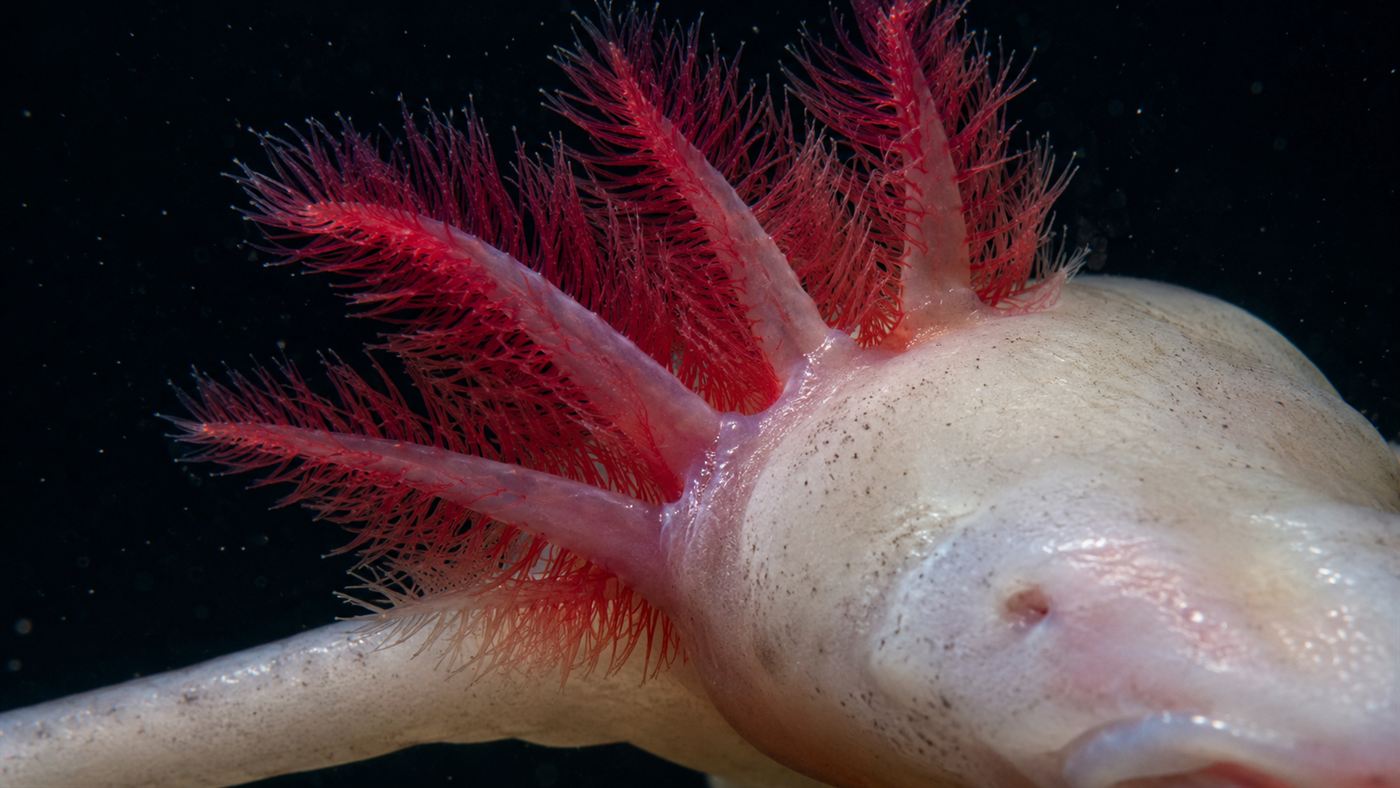
Living in permanent darkness, the olm has quietly let its eyes fade away. They are still there, tiny and hidden under the skin, but they no longer form proper images. In total blackness, sight is just another expense the animal could not justify. In place of vision it relies on a sharp sense of smell, sensitivity to tiny chemical traces in the water, and the ability to detect weak electric fields given off by living things.
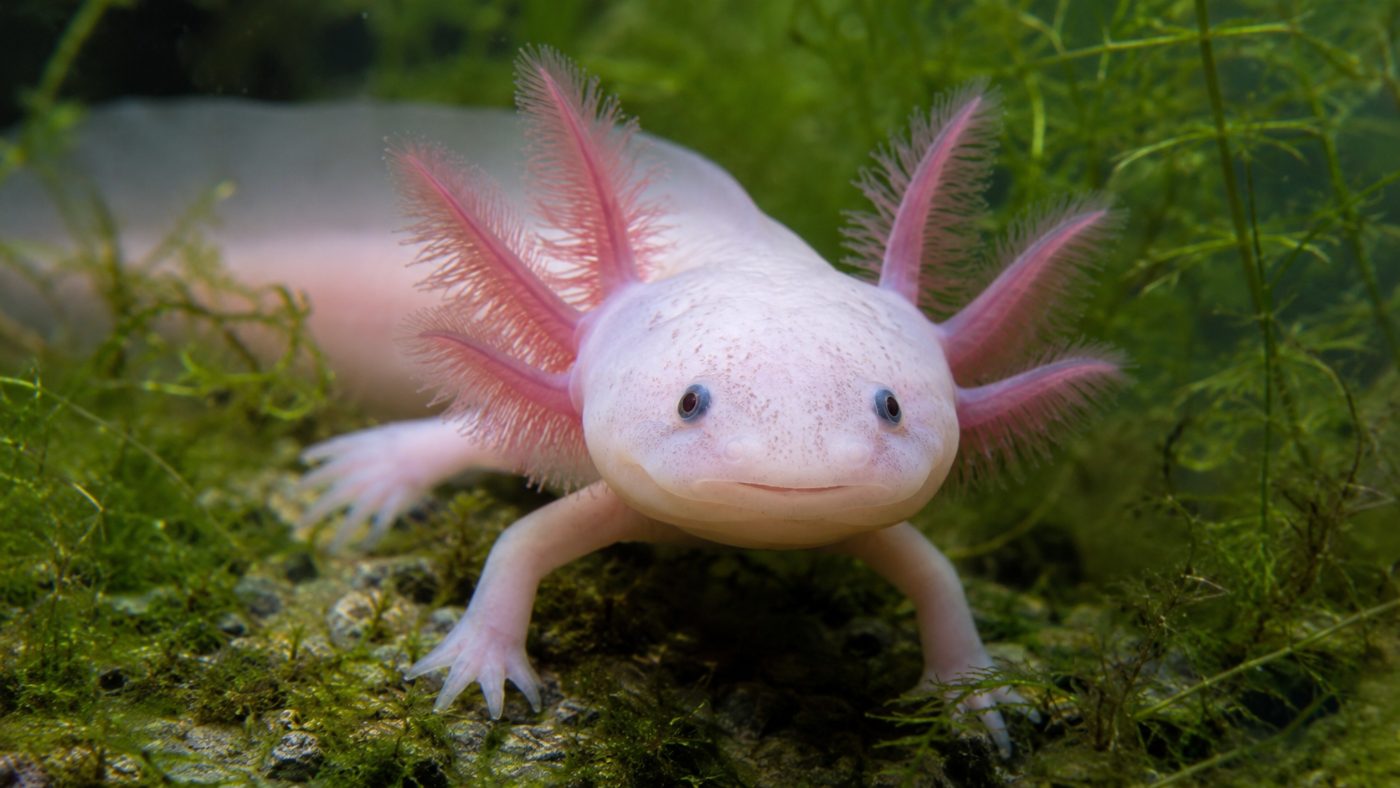
It also keeps the feathery external gills and slim body of a larval salamander for its entire life, never fully growing up in the way most amphibians do. Like the axolotl, it stays forever young in form, a permanent juvenile that just happens to live for decades.
Is the olm really a baby dragon?
To be clear, the olm is no dragon, and not even a reptile. It is an amphibian, a true salamander, cousin to newts and the axolotl. The dragon story was a perfectly understandable mistake for people who only ever saw the animal when floodwater spat it out of the ground, with no idea of the dark river world it came from.
The honest truth is stranger than the legend: an eyeless, near-motionless animal that can outlive the humans who study it, simply by wanting almost nothing. Knowing what it really is takes nothing away from the magic. If anything, a salamander that can fast for a decade in the dark is more impressive than any dragon.
How long can an olm live?
Olms are among the longest-lived amphibians ever recorded. Careful study of captive populations suggests an average lifespan of around 68 years, with the possibility that some individuals reach or pass 100. Scientists are genuinely interested in how a small animal pulls this off, because the olm seems to dodge the usual link between body size and short life.
The leading explanation keeps coming back to energy. A cold home, a crawling metabolism, very little movement and rare reproduction all add up to an animal that ages with astonishing slowness. The olm may be the closest thing the natural world has to a creature that simply refuses to be in a hurry.
A pale animal in a dark cave figured out the trick that humans keep chasing: live long by spending little. Would you trade a fast, full life for a hundred slow years in the quiet dark, the way the olm does? Tell us what you think in the comments.
Related reading: the axolotl, the other salamander that never grows up and can regrow almost anything. See also how an enslaved explorer mapped Mammoth Cave, the longest cave on Earth and home to its own eyeless creatures.