A hidden ocean of ancient water beneath the Great Plains turned a near-desert into America's breadbasket, and now the country is pumping it dry faster than the rain can ever refill it
Under the flat farmland of the American heartland lies one of the largest freshwater stores on the planet. For seventy years it has fed the world, quietly, from deep underground. The catch is that most of that water is tens of thousands of years old, and once it is gone it is, for all practical purposes, gone for good.
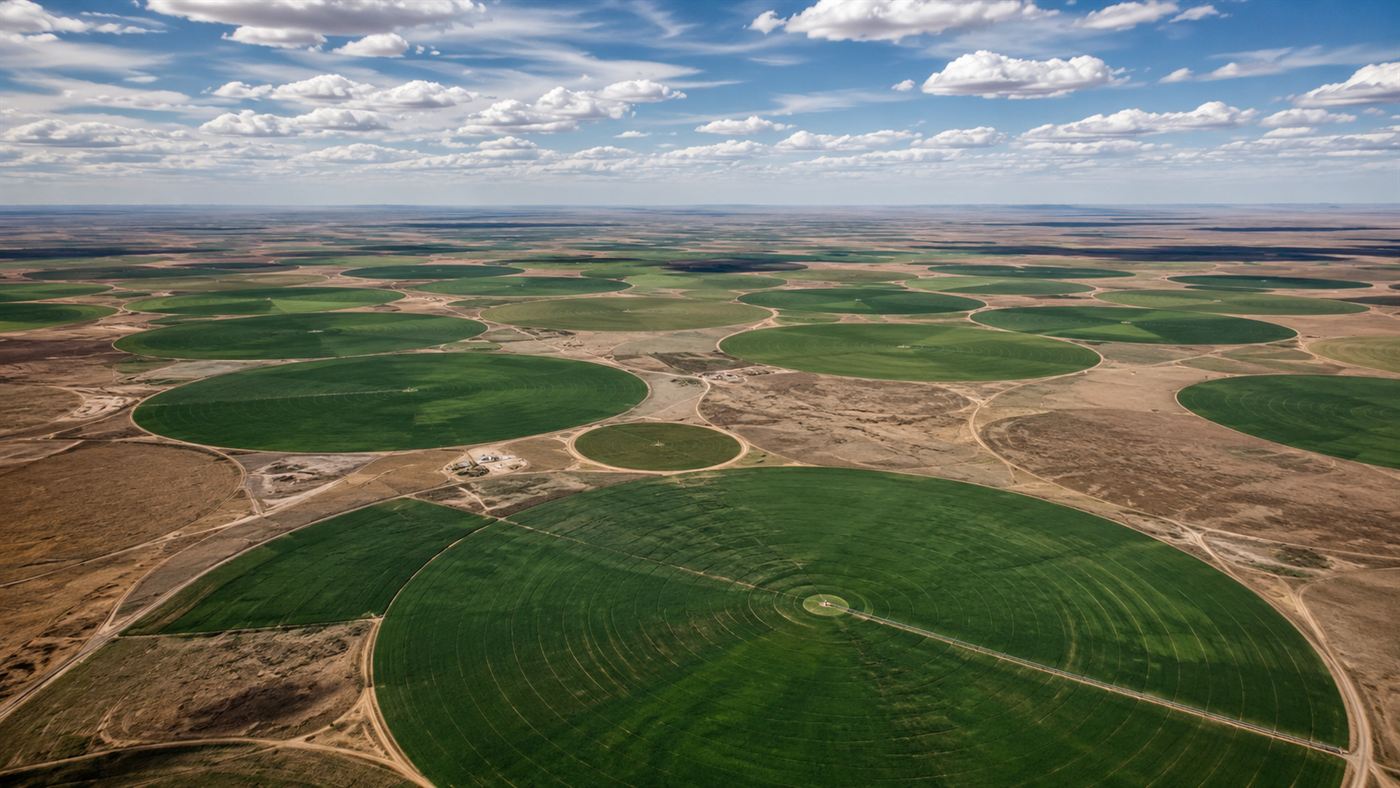
Green circles of irrigated crops mark where the aquifer is pumped to the surface. Illustration: Watts & Wild.
Stretching beneath about eight states, from South Dakota down to Texas, sits the Ogallala Aquifer, a colossal layer of water-soaked sand and gravel that is one of the greatest underground reservoirs on Earth. Most people who benefit from it will never see a drop, yet it helps put food on tables across the country and around the world.
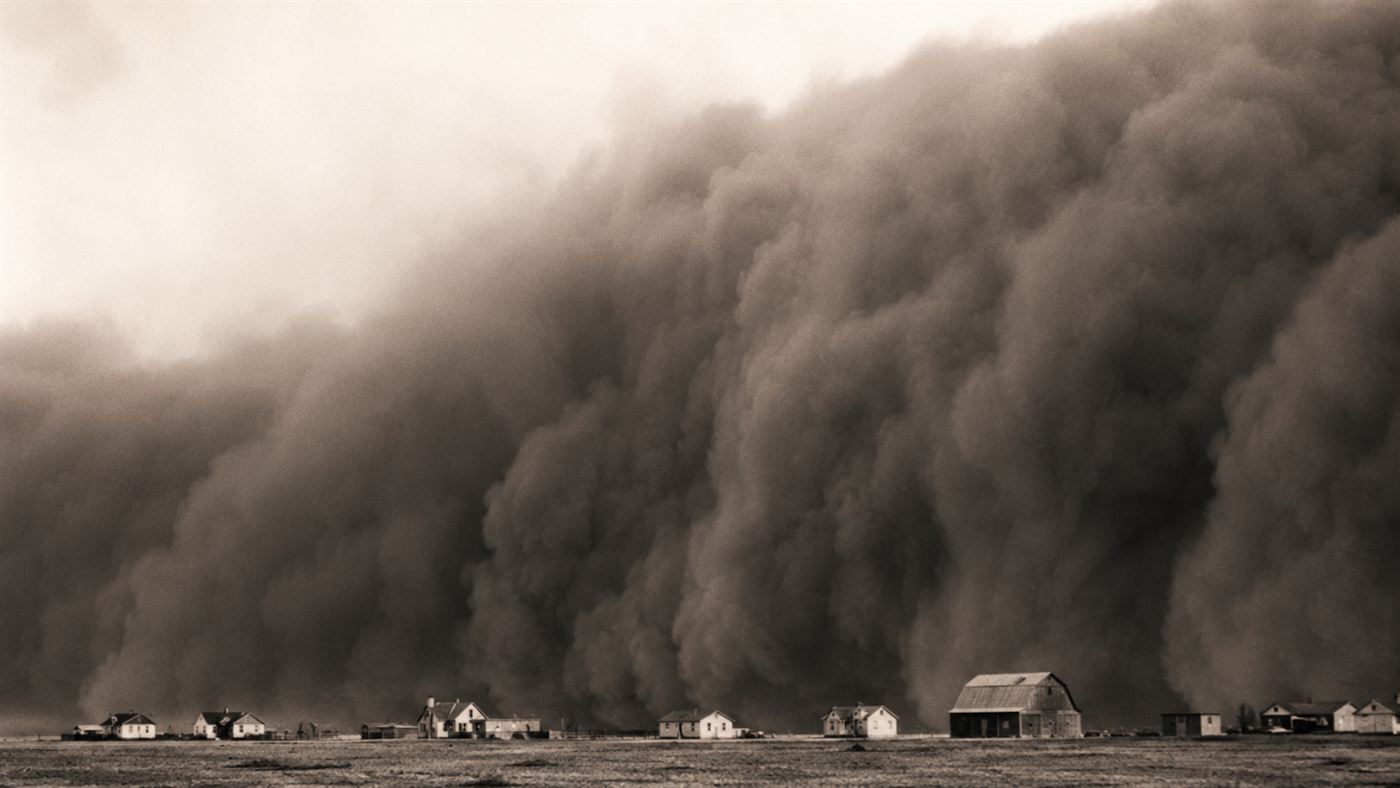
The land above it is the High Plains, a semi-arid country that gets little rain and once formed part of the Dust Bowl. What transformed it into some of the most productive farmland anywhere was not the sky but the water below, tapped by pumps and sprayed across the fields in enormous green circles.
The short version is a slow-motion drama. A near-desert was turned into a breadbasket by draining an ancient sea of groundwater, and that sea is now being emptied far faster than nature can ever fill it back up.
The water that took an ice age to gather
The crucial thing about the Ogallala Aquifer is where its water came from. Most of it seeped underground over many thousands of years, much of it during and after the last ice age, and it has been sitting there ever since. Water like that, laid down long ago and barely renewed, is often called fossil water.
In this dry country, rain and snow add only a trickle back each year, sometimes just a fraction of an inch soaking down to the water table. That means the Ogallala Aquifer is not really a savings account that refills; for the fastest-pumped areas it behaves more like a one-time inheritance of fossil water, a fortune that can be spent but not easily earned again.
How a dry plain became a breadbasket
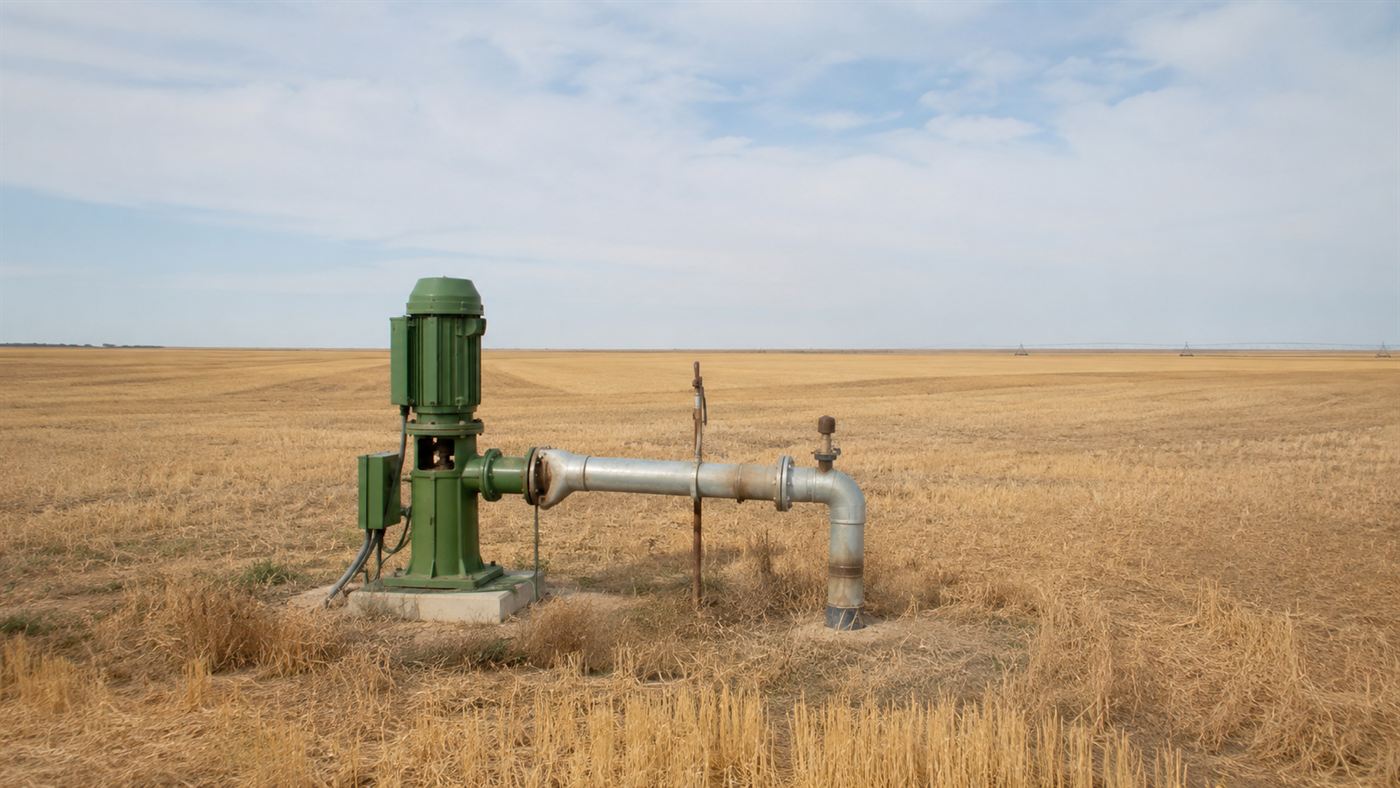
For a long time that buried water sat out of reach. Then, in the middle of the twentieth century, cheap powered pumps and a clever machine changed everything. The center-pivot irrigation system, a long arm of sprinklers that sweeps in a circle around a central well, let farmers lift groundwater and rain it evenly over huge circular fields.
The effect was staggering. Land that had blown away as dust a generation earlier now grew corn, wheat and cotton and fattened vast herds of cattle, and the High Plains became responsible for a remarkable share of American agriculture. Seen from above, the plains bloomed into thousands of green circles, each one a well reaching down into the ancient water.
Why the Ogallala Aquifer is running low
The trouble is simple arithmetic. For decades, water has been pumped out of the ground much faster than the thin desert rains put it back, and the level of the Ogallala Aquifer has been dropping steadily as a result. In the hardest-hit places, the water table has fallen by well over a hundred feet since the pumps first switched on.
As the water sinks lower, wells have to reach deeper and pumping costs more, and in some spots the wells have simply run dry, forcing land back out of irrigation. The center-pivot irrigation circles that look so permanent from the air are, in the worst-hit districts, drawing on a supply that everyone can see shrinking beneath their feet.
How long until it runs dry?
There is no single answer, because the aquifer is really a patchwork. In the southern High Plains, across parts of Texas and Kansas, the water is thinnest and is being drained fastest, and studies warn that large areas there could be effectively used up within a few decades. Some communities are already living that decline.
Further north, in Nebraska, the story is very different. There the aquifer is far thicker, gets more recharge, and in places has held steady or even risen. So the honest picture is not one clock ticking down to zero, but many local clocks running at wildly different speeds, some with plenty of time and some nearly out.
The honest catch
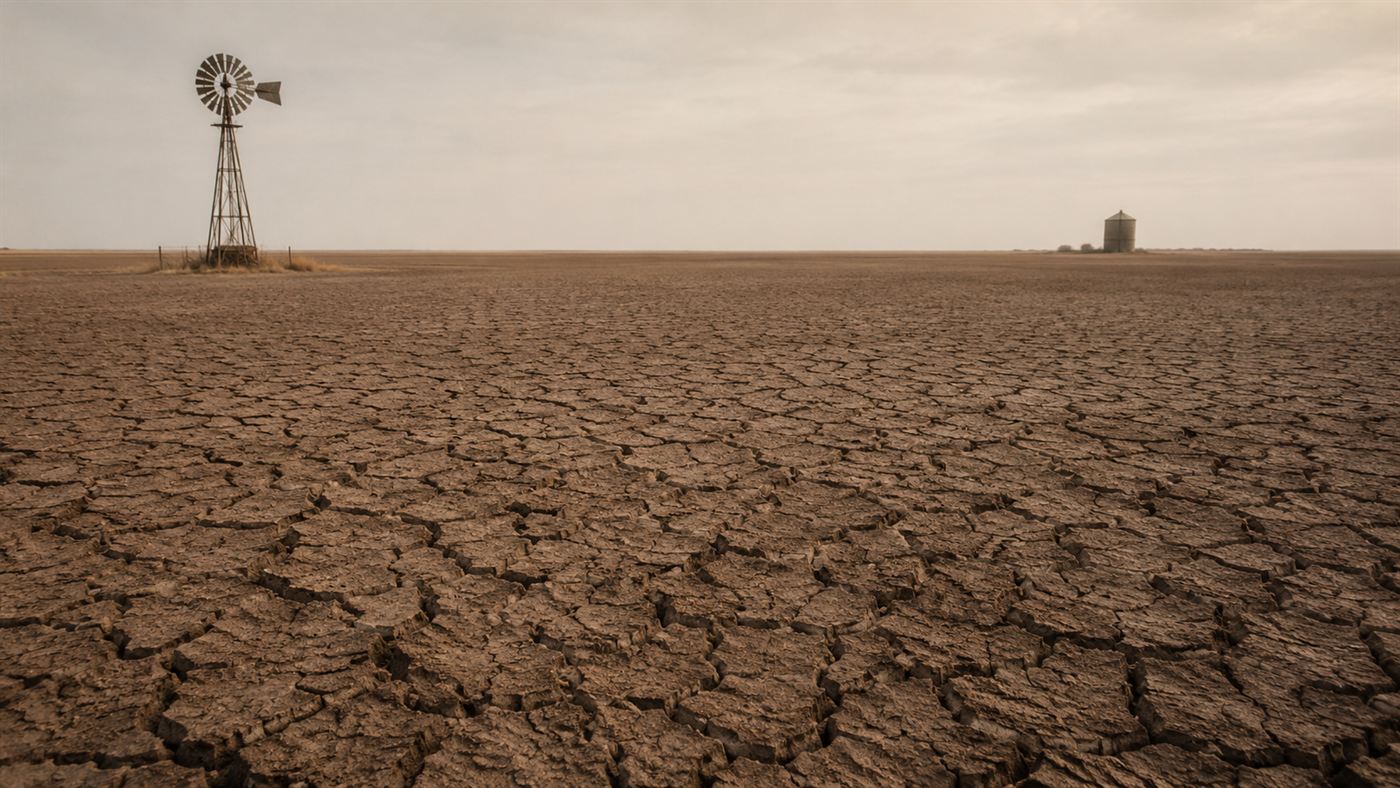
It is easy to reach for doom, and easy to overstate it, so a little balance helps. The Ogallala Aquifer is genuinely being mined in much of its range, and no realistic amount of rain will refill the depleted southern portions on any human timescale. That part of the worry is real and serious.
But running dry is not a fixed fate everywhere. Smarter, thriftier irrigation, different crops, and firm limits on pumping have already slowed the decline in some districts, and the well-watered north could last for a very long time. The future of the aquifer is less a countdown than a choice, about whether a hidden inheritance is spent all at once or stretched to feed generations still to come.
A buried ocean older than farming itself feeds a fifth of the nation's crops, and in much of its range we are spending it like money we can never earn back. Should water this ancient be used up to grow today's harvests, or guarded for the generations who will need it more? Tell us what you think in the comments.
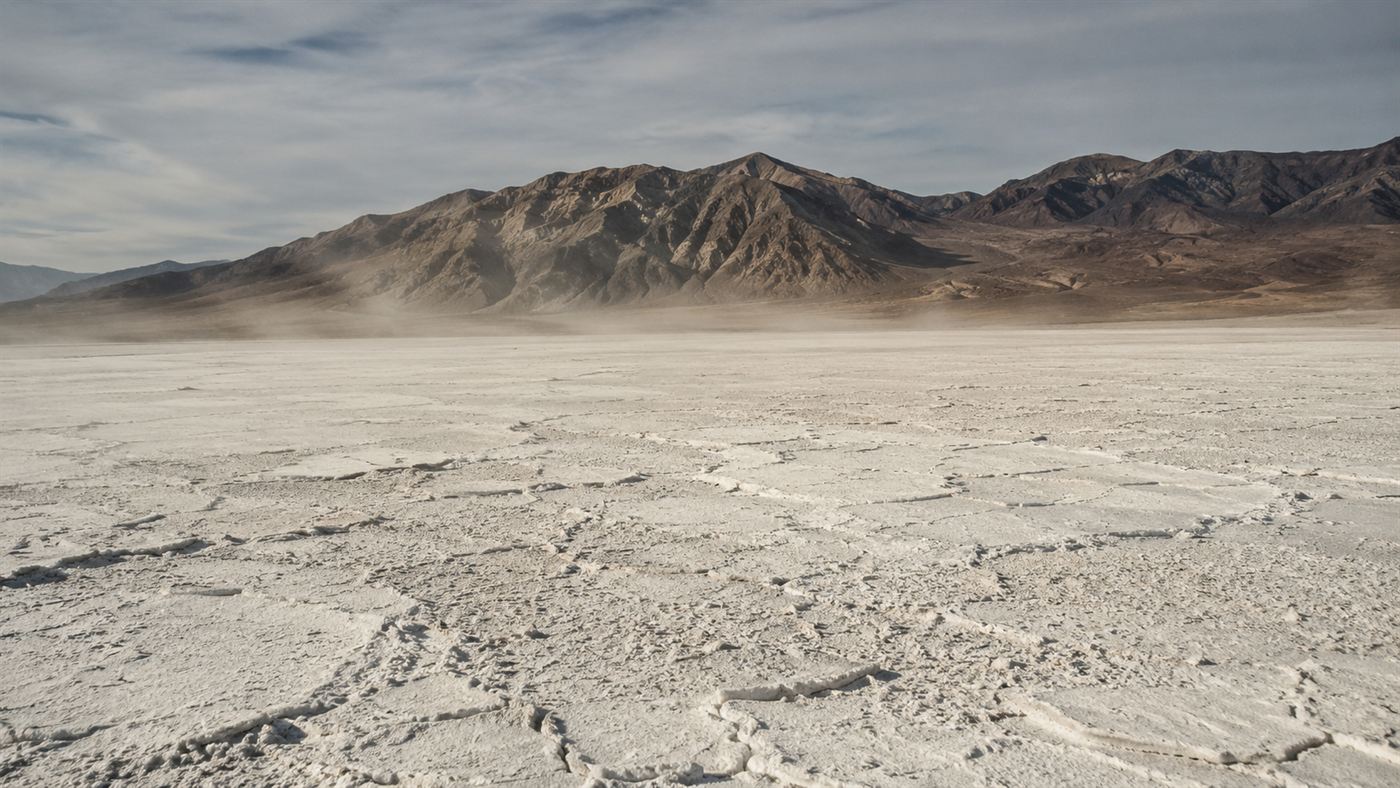
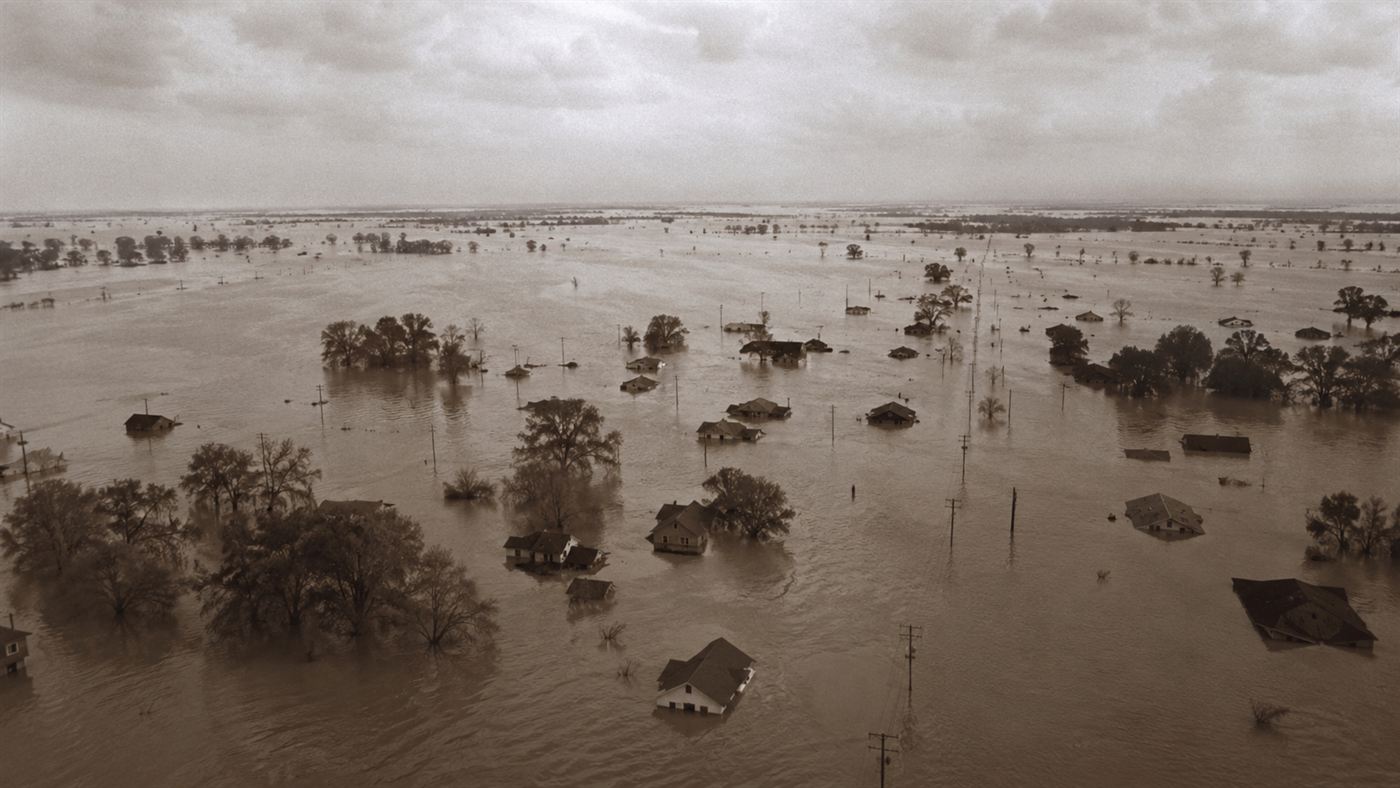
Related reading: the Dust Bowl that once turned this same region to blowing dirt. See also how Los Angeles drained a whole lake for its water, and the Great Mississippi Flood, when there was far too much water instead. See also the Great Salt Lake, drying into arsenic dust beside its own city.