In 1927 the Mississippi River smashed through its levees in 145 places, drowned an area the size of New England, and set in motion changes that reshaped American politics for a generation
It is the greatest river disaster in American history, and yet most people have never heard of it. For months in 1927, the Mississippi swallowed towns, farms and whole counties across seven states, and when the water finally went down it left behind not just ruin but a country quietly changed forever.
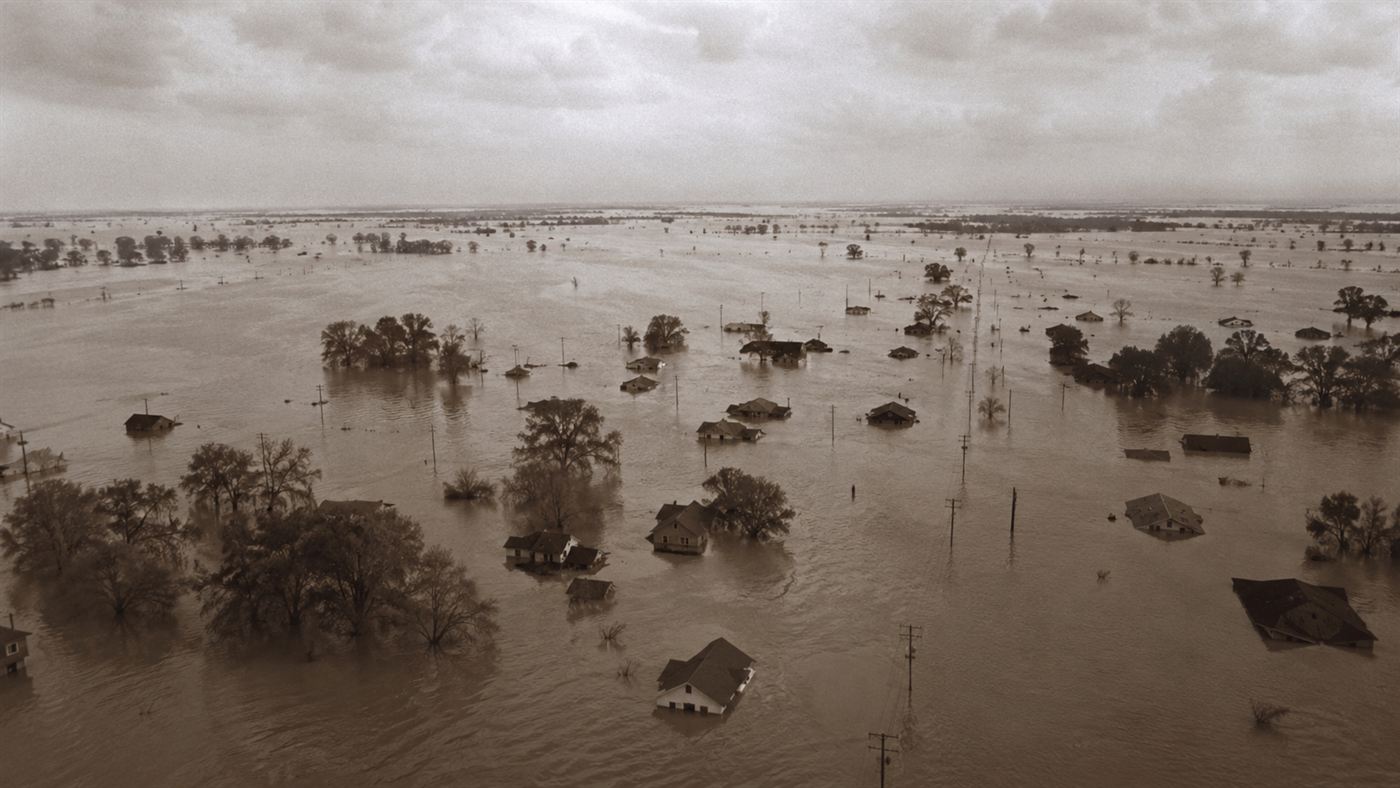
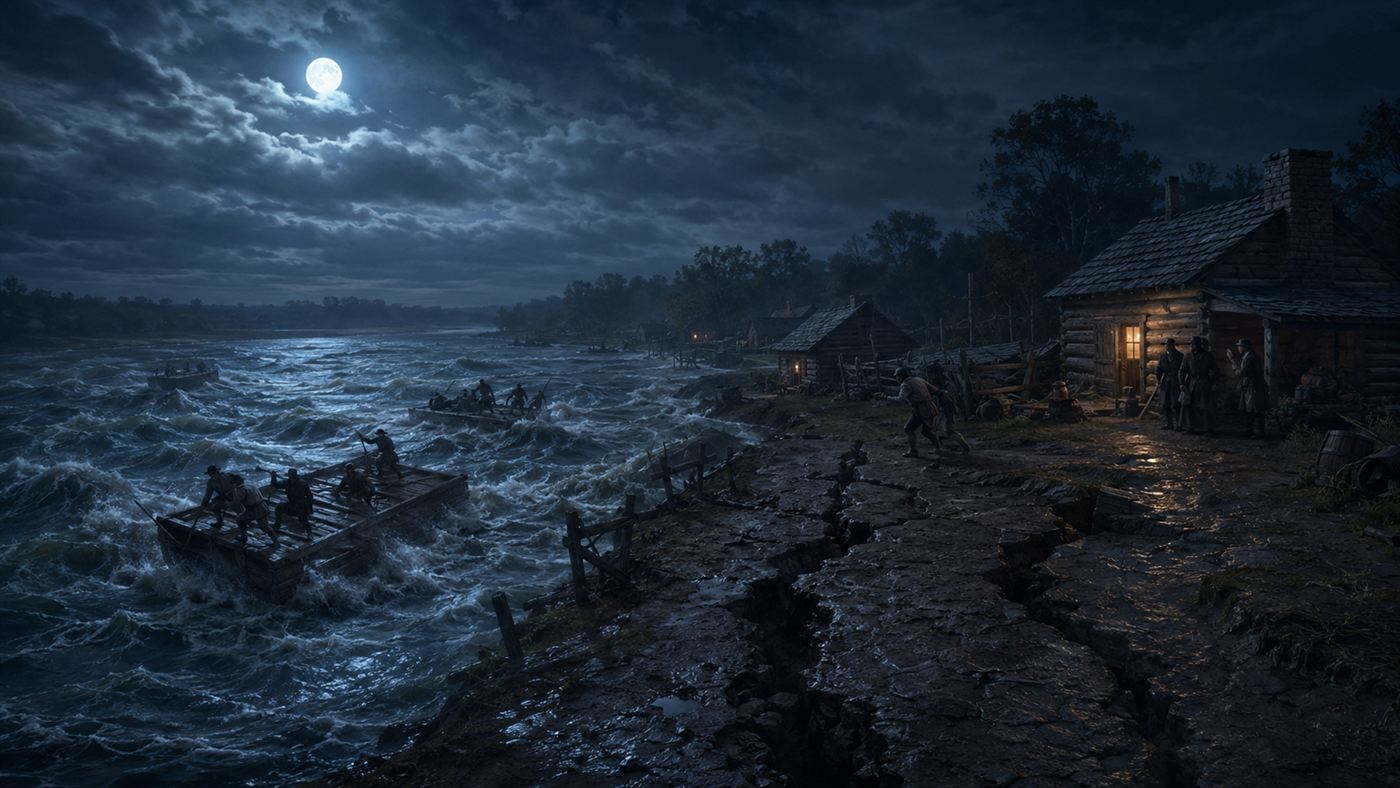
An inland sea where farmland had been days before. Illustration: Watts & Wild.
The rains began in the middle of 1926 and simply would not stop. By the spring of 1927, the Mississippi River and its tributaries were carrying more water than anyone had ever recorded, straining against the earthen walls built to hold them. Those walls were about to lose, and the Great Mississippi Flood was about to begin.
What followed was the Great Mississippi Flood, the most destructive river flood the United States has ever seen. It was a natural catastrophe of staggering scale, but it was also a human one, and the way the country responded to it exposed truths about America that still echo today.
The short version: the river overwhelmed a flood-control system that had trusted walls alone, broke through in around 145 places, and drowned an area the size of New England. The Great Mississippi Flood displaced hundreds of thousands, reshaped national politics, and helped push a whole generation to leave the South.
The walls that were never going to hold
For decades, the official strategy for taming the lower Mississippi had a name: levees only. Engineers had bet that tall earthen walls alone, with no relief outlets or spillways, could pen the river in no matter how high it rose. It was a doctrine built on confidence, and the flood of 1927 destroyed it.
When the water came, those walls failed catastrophically, breaking open in around 145 places along the river. At the Mounds Landing break in Mississippi, the collapsing wall unleashed a wall of water with the force of a waterfall, and in place after place the barriers that were supposed to save people became the reason the Great Mississippi Flood was so sudden and so deadly.
An inland sea the size of a region
The numbers are almost impossible to picture. The flood eventually covered around 27,000 square miles, an area roughly the size of all of New England, spreading across parts of seven states. In some places the water stood as much as 30 feet deep, deep enough to swallow a two-storey house whole.
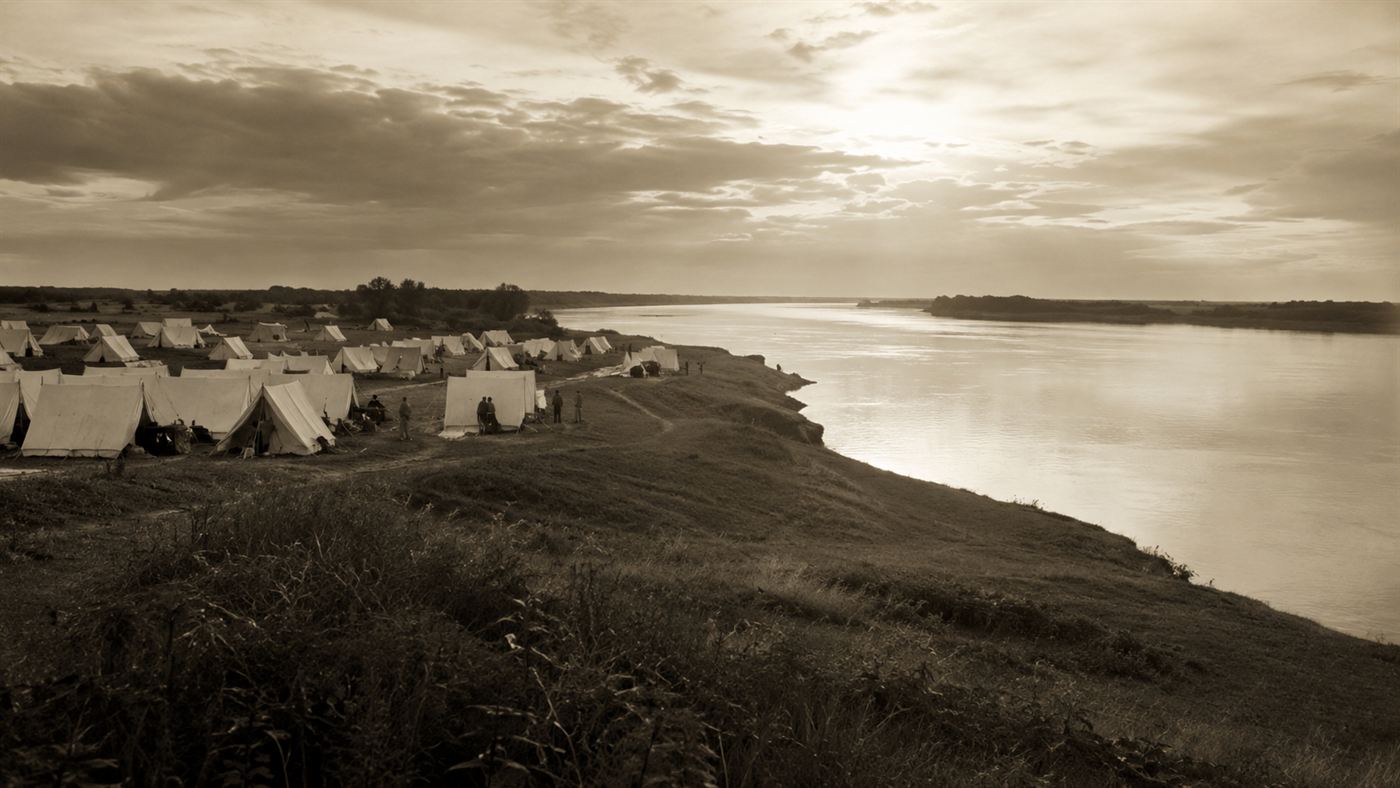
About 630,000 people were driven from their homes into tent cities and refugee camps, and hundreds died, though the true toll among the poorest victims was almost certainly never fully counted. For a time, a huge slice of the American South simply ceased to be land at all and became a muddy, endless sea.
The people the flood was allowed to hit hardest
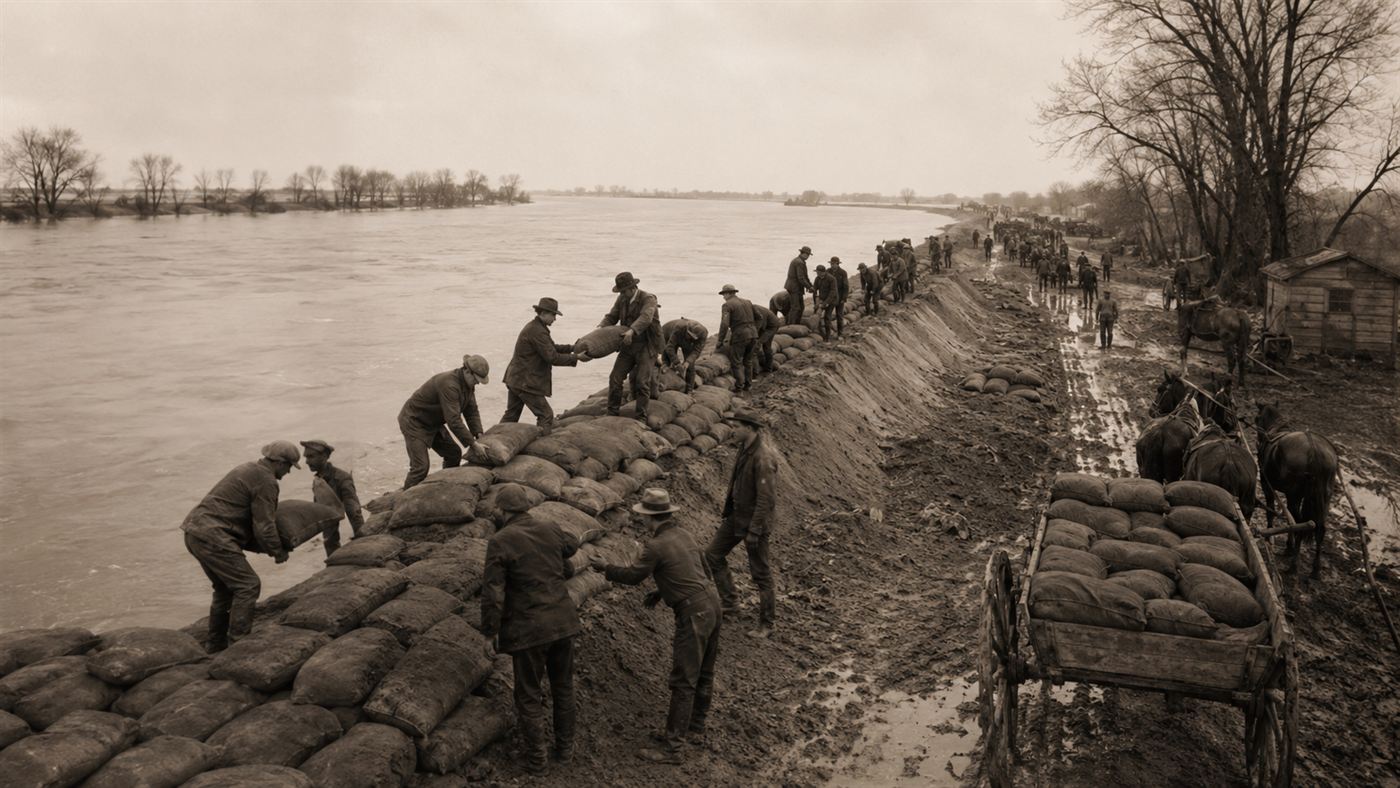
Here the story turns dark. The burden of the disaster fell most heavily on Black sharecroppers of the Delta, who were often forced at gunpoint to pile sandbags on the failing walls, and some drowned when those barriers gave way beneath them. When the water rose, many were herded into segregated refugee camps.
In those camps, Black flood victims were frequently held under armed guard, given worse rations, and in places prevented from leaving, because the landowners who employed the sharecroppers did not want to lose their labor force. The people with the least were made to carry the most, a pattern the flood laid bare for the whole nation to see.
Why did they blow up a levee on purpose?
As the water bore down on New Orleans, the city's powerful bankers and officials grew desperate. To relieve the pressure, they persuaded the authorities to dynamite a levee downstream at Caernarvon, deliberately flooding the poorer, rural parishes of St. Bernard and Plaquemines to lower the river before it could reach the city.
The residents there were promised compensation for the homes and livelihoods sacrificed to save New Orleans. Most of that money never truly came. And in a final bitter irony, later analysis suggested the city was probably never in as much danger as feared, meaning a community may have been drowned to calm a panic rather than to prevent a genuine catastrophe.
The honest catch
It is tempting to file 1927 away as simply a terrible act of nature, but that lets too much off the hook. The rain and the river were real and immense, yet the scale of the human tragedy was shaped by human choices: a rigid levees-only policy, the forced labor of the vulnerable, and the deliberate sacrifice of the powerless to protect the powerful.
None of that diminishes the raw power of the water. But the honest lesson of the Great Mississippi Flood is that a disaster is never only the weather. Who drowns, who is saved, and who is made to pay are decided as much in offices and levee boards as they are by the rain.
How the Great Mississippi Flood changed the country
The waters receded, but the consequences did not. The man who ran the relief effort, Commerce Secretary Herbert Hoover, became a national hero, and Herbert Hoover rode that fame into the presidency the very next year. Yet his broken promises to Black flood victims helped begin a historic shift of Black voters away from the party of Lincoln.
The flood also gave fresh momentum to the Great Migration, as hundreds of thousands of Black southerners, having seen exactly where they stood, left the Delta for the cities of the North. And it forced Washington to accept, at last, that controlling the Mississippi was a national job, ushering in the era of federal flood control we still rely on today.
A river broke its walls in 1927 and, in doing so, quietly redrew the map of American power, migration and politics for decades. Why do you think a disaster this enormous and this consequential slipped so far out of the country's memory? Tell us what you think in the comments.
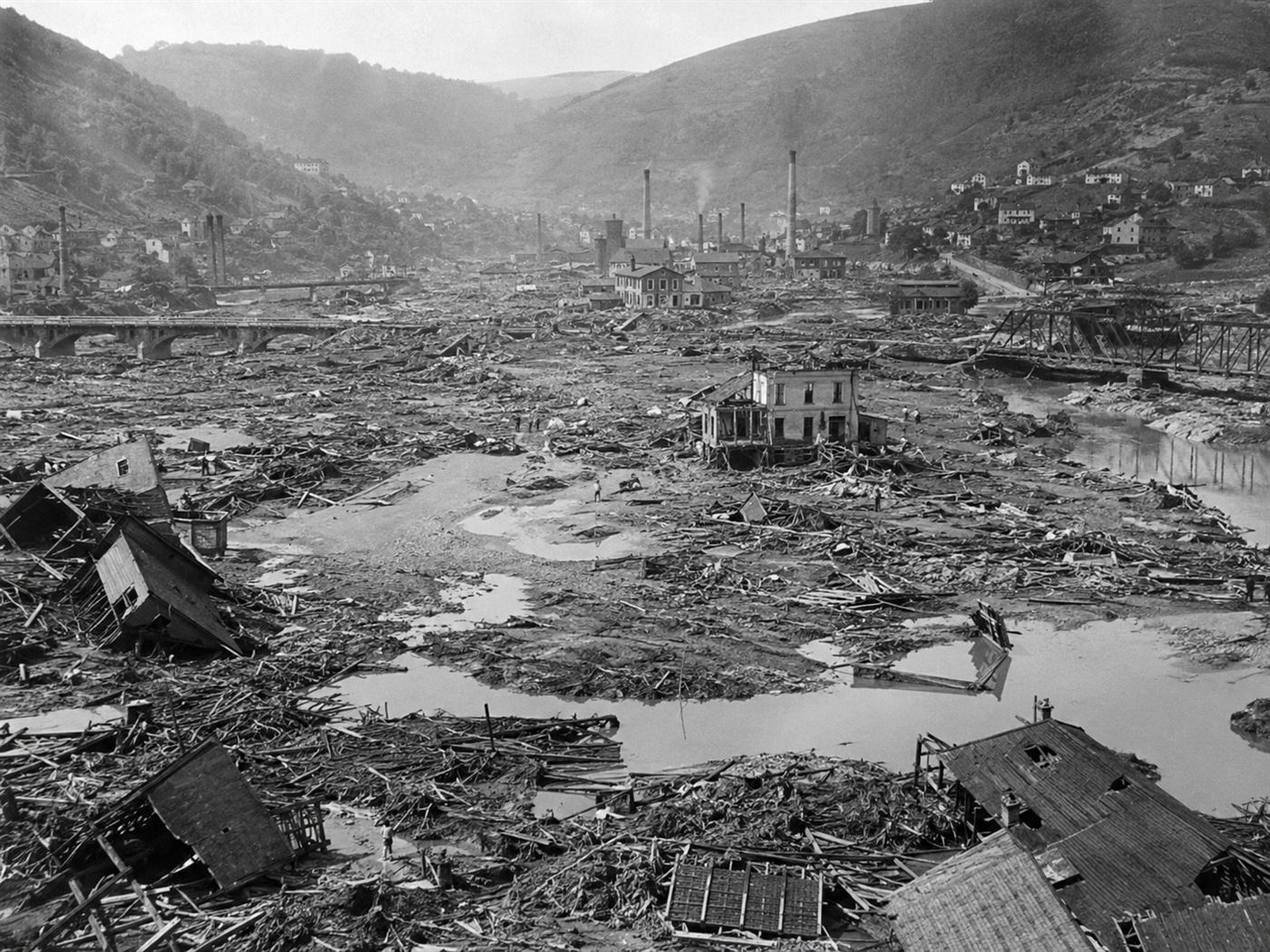
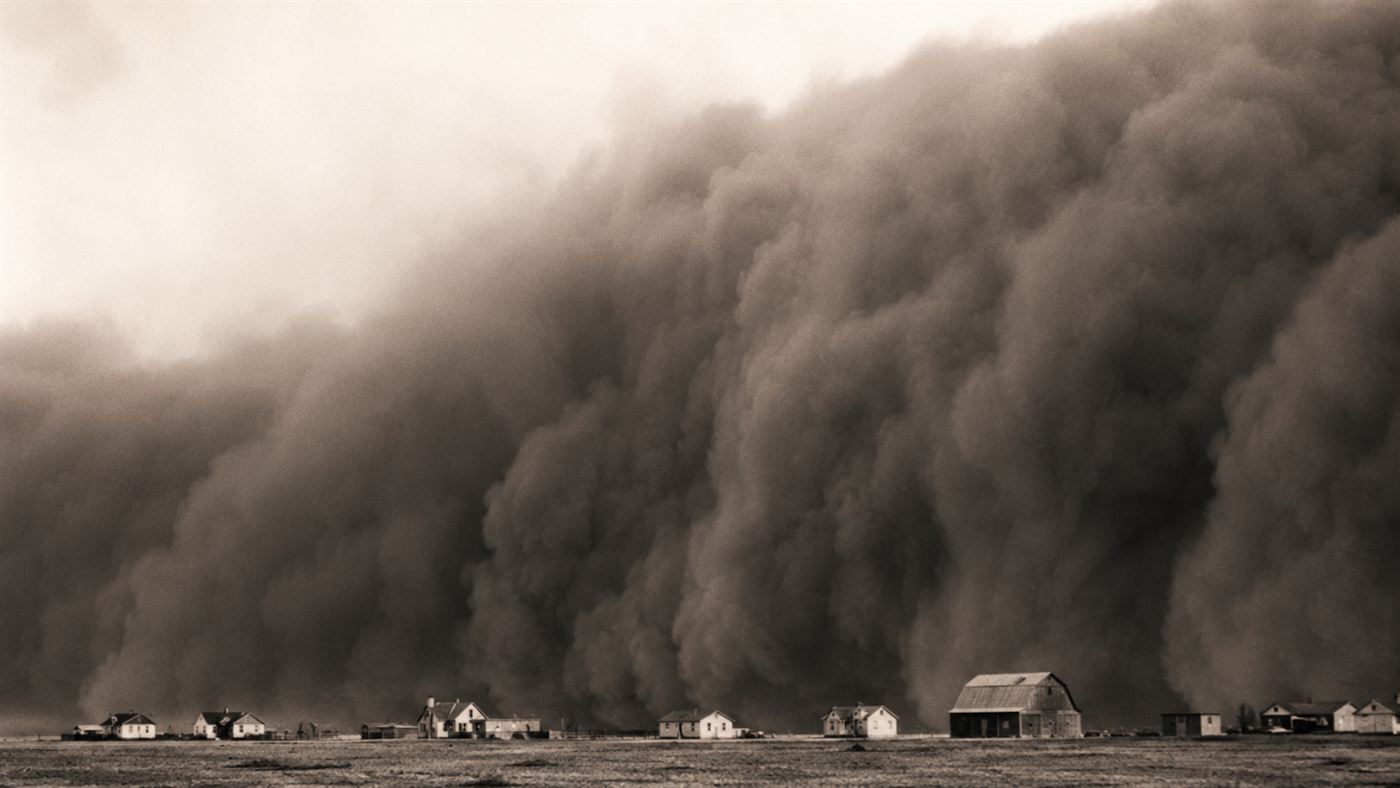
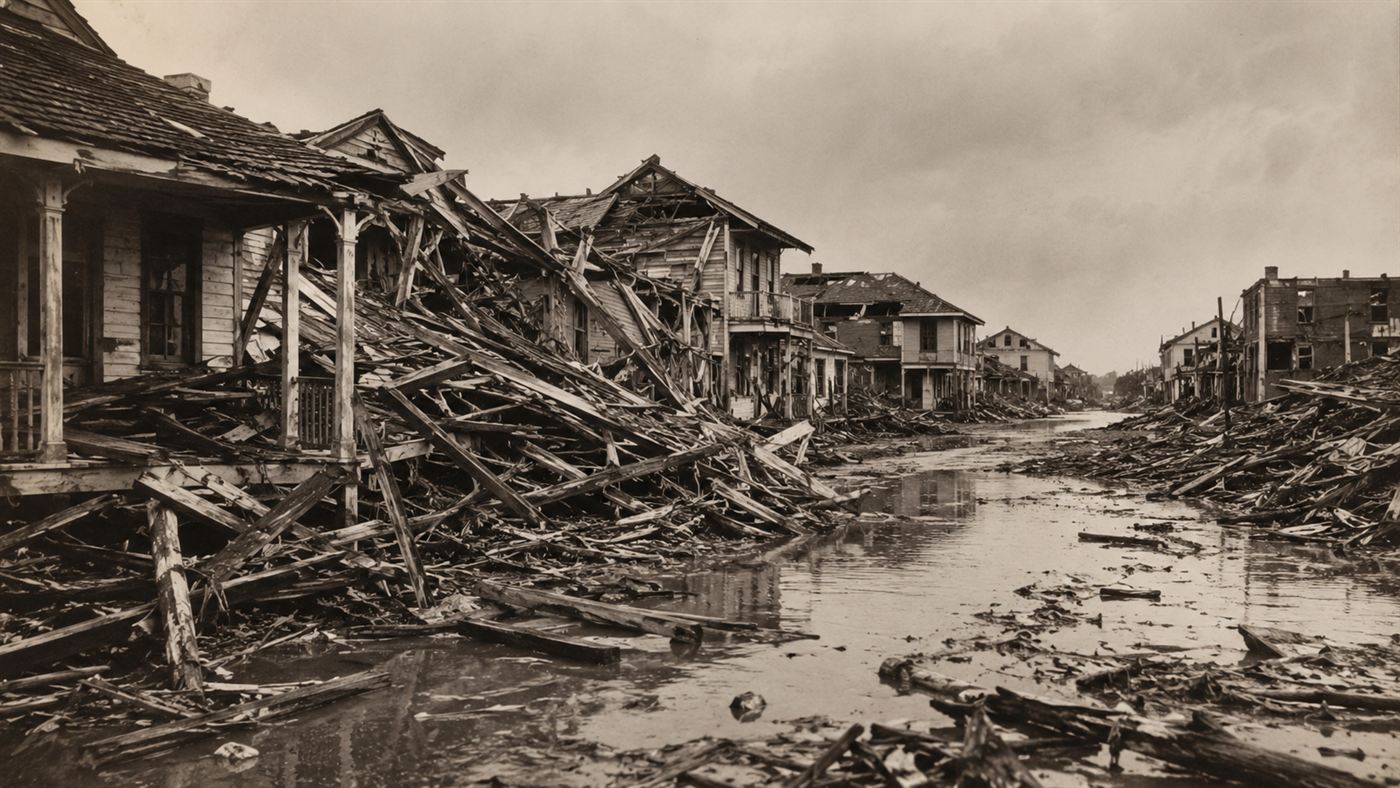
Related reading: the private dam whose failure sent a wall of water through a Pennsylvania town. See also the Dust Bowl that drove another great migration off the land, and the hurricane that drowned Galveston and made it lift itself out of the sea.