Los Angeles built a 233-mile aqueduct in 1913 and quietly drained an entire valley, turning a huge lake into the worst dust hazard in America, and it is still paying billions to hold the dust down
A little over a century ago, a booming desert city looked hundreds of miles north to a green valley with a broad blue lake, and decided to take its water. What Los Angeles built to do it was an engineering marvel. What it left behind was a dead lake and a poison dust storm that the city is still fighting today.
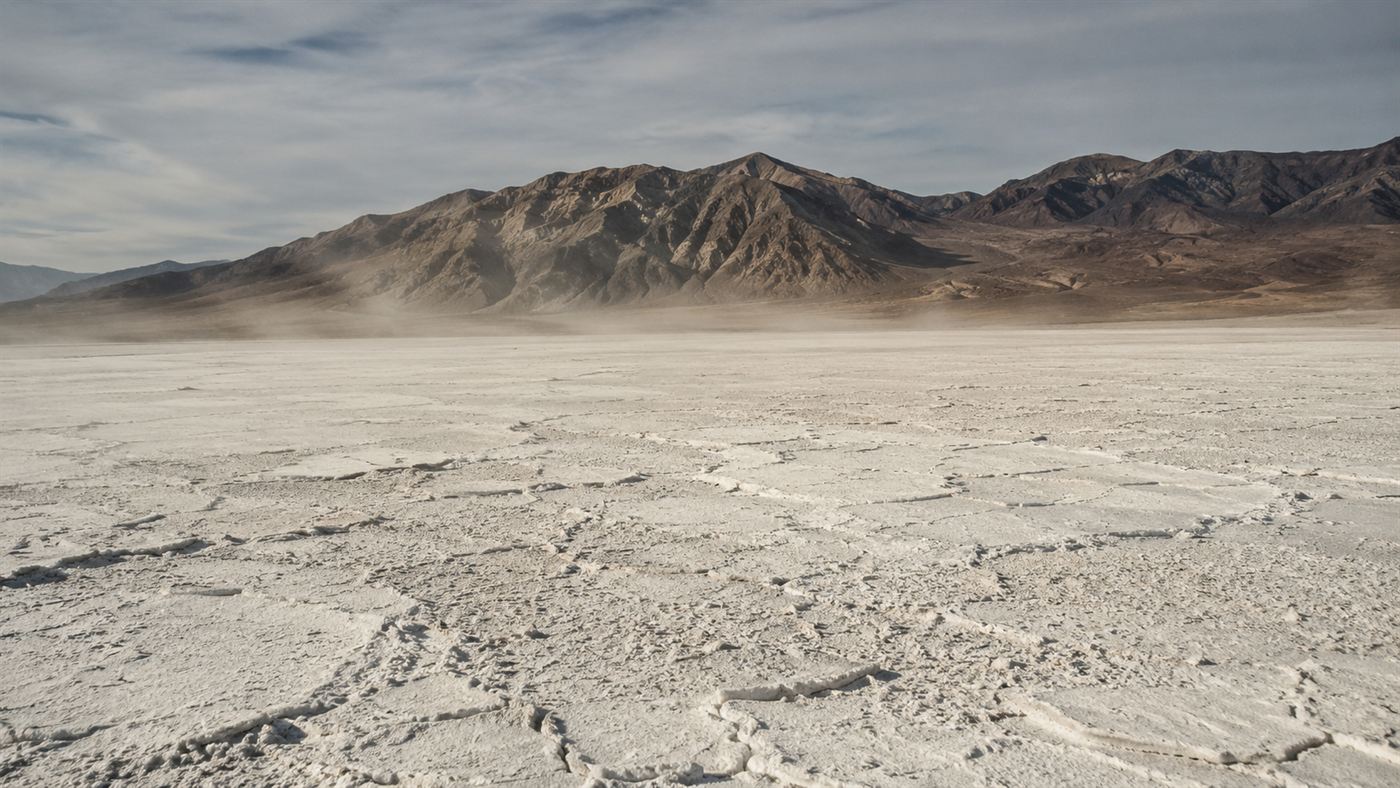
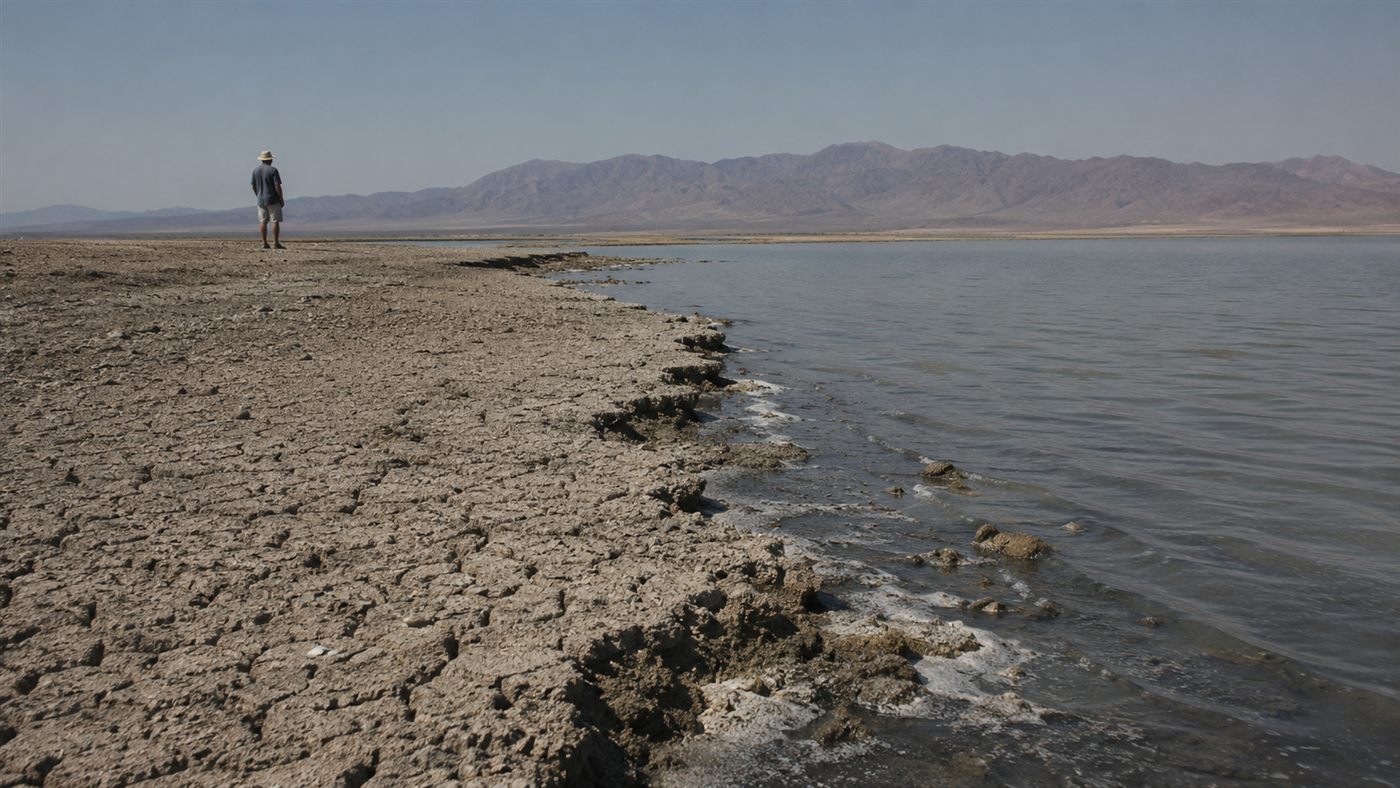
Where a lake once shone, a vast salt flat throws dust into the wind. Illustration: Watts & Wild.
In the early 1900s, Los Angeles was growing faster than its local water could support, and its leaders knew the city would choke without a new supply. Their answer lay in the Owens Valley, on the dry eastern side of the Sierra Nevada, where snowmelt fed the Owens River into a wide lake nearly 200 miles away.
So the city reached out and took it. The result was one of the boldest and most controversial pieces of infrastructure in American history, and it turned Owens Lake from a shimmering body of water into a cracked, toxic plain. The story is a stark lesson in what it really costs to move a river.
The short version: Los Angeles quietly bought up the water rights of a distant valley, built a huge aqueduct to carry the water south, and drained Owens Lake dry within about a decade. The empty lakebed became a public health nightmare, and undoing that damage has cost more than the aqueduct itself.
The river a city decided to take
The mastermind was William Mulholland, the self-taught engineer who ran the city's water department. Working with a former mayor, he helped Los Angeles quietly acquire land and water rights up and down the Owens Valley, often before locals understood what was really happening or who was ultimately buying.
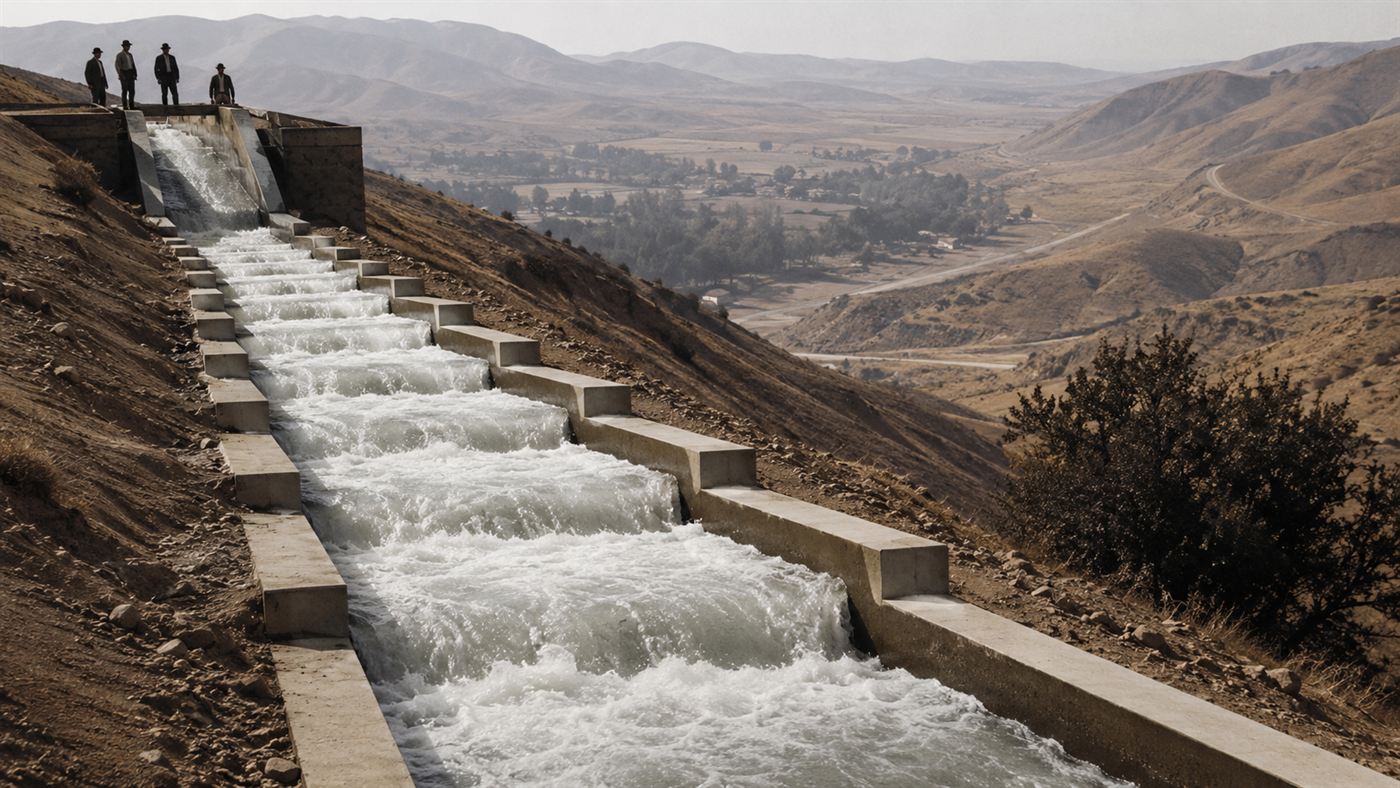
Then came the construction. Completed in 1913, the Los Angeles Aqueduct ran an astonishing 233 miles from the valley to the city, carried entirely by gravity, with no pumps needed. At its opening, as the water tumbled down into the San Fernando Valley, William Mulholland reportedly told the waiting crowd just five words: there it is, take it.
How Los Angeles drained Owens Lake
With the Owens River now feeding the Los Angeles Aqueduct instead of the valley, the lake that had drunk from it for thousands of years began to shrink. Deprived of its inflow, Owens Lake dropped year after year through the 1910s and 1920s until, by the middle of that decade, it was essentially gone, reduced to a crust of salt and mud.
In its place lay something close to 100 square miles of bare, alkaline lakebed. The disappearance of Owens Lake was not a slow natural drought but a deliberate diversion, and it left behind one of the largest human-made dry lakebeds on the continent, sitting exposed to the relentless valley wind.
Why did Owens Lake turn to poison dust?
An empty salt flat in a windy valley is not a quiet thing. When the wind picked up, it lifted enormous clouds of fine toxic dust off the lakebed, laced with salts and traces of harmful metals including arsenic. For decades, Owens Lake was the single largest source of this kind of dust pollution in the entire United States.
For the people still living in the valley, that meant choking storms of toxic dust rolling through their towns, a health burden imposed on them so a faraway city could fill its swimming pools and lawns. The lake had not just vanished, it had turned into a weapon that the wind fired back at the people left behind.
The water wars and the dynamite
The valley did not take it quietly. As their farms withered and their economy collapsed, furious Owens Valley residents fought back, and in the 1920s the conflict turned violent. Ranchers and townspeople repeatedly dynamited the aqueduct, trying to blow holes in the pipeline that was draining their home.
These clashes became known as the California Water Wars, and their bitterness seeped deep into the state's identity, later inspiring the plot of the classic film about water and corruption in Los Angeles. In the end, though, the city had the money, the lawyers and the water rights, and the valley lost.
The honest catch
It is easy to cast this purely as a tale of theft, and the film version has hardened that into legend, but the reality is messier. Many of the land purchases were legal, if ruthless, and plenty of Owens Valley sellers took the city's money willingly. The aqueduct was also a genuine engineering triumph that made modern Los Angeles possible.
None of that erases the harm. But it means the honest verdict is not simply villains versus victims, it is a hard trade in which a great city was built and a valley was sacrificed, with the true price hidden for decades in dust and drained wells. Understanding it as a trade-off, not a cartoon, is the only way to learn anything from it.
The billion-dollar cleanup that never ends
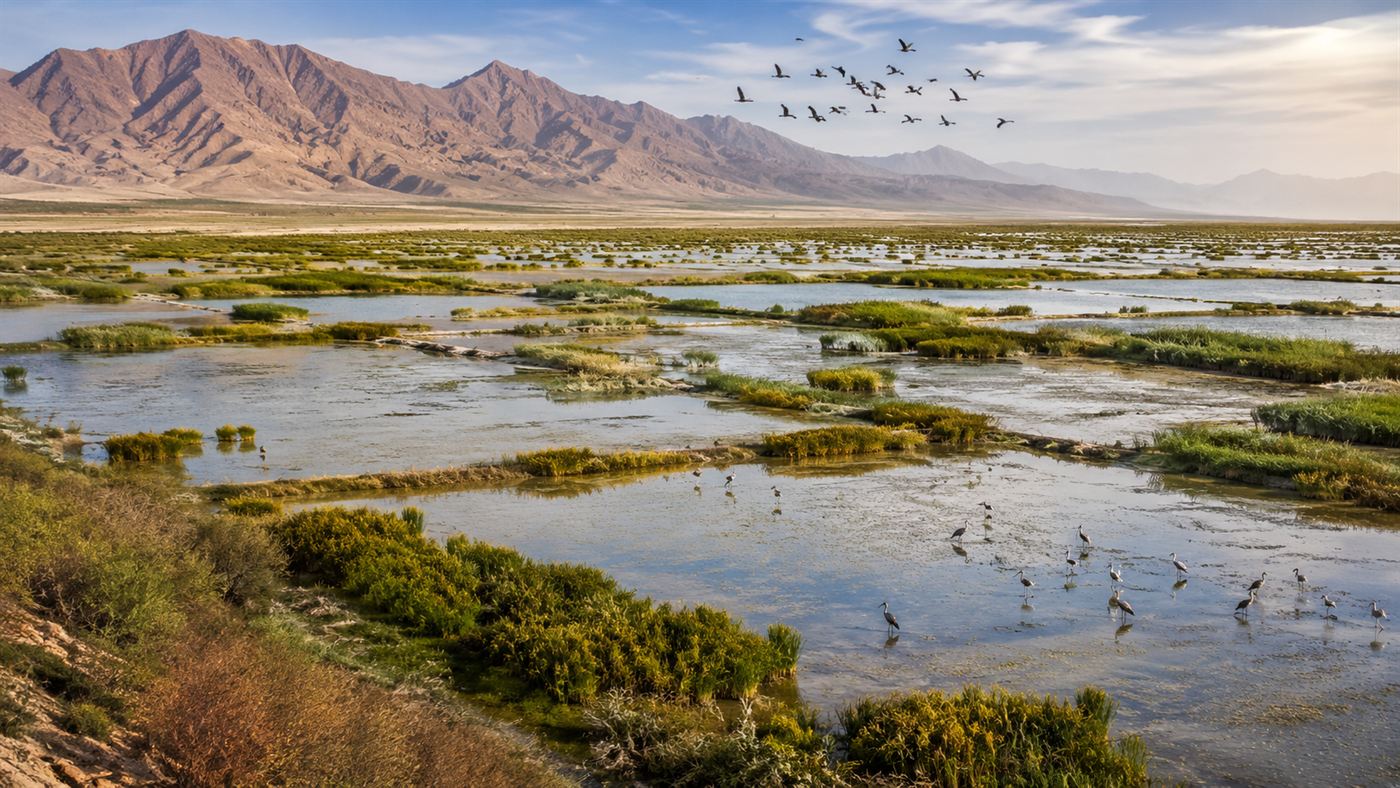
Decades of lawsuits eventually forced Los Angeles to answer for the dust, and the bill has been staggering. Under orders from air-quality regulators, the city has spent well over a billion dollars spreading shallow water, gravel and plants across the lakebed to pin the dust down, a project with no real end date.
There is a strange irony in the fix. To stop the dust, Los Angeles has had to put water back onto the very lakebed it worked so hard to drain, and those shallow ponds have drawn back tens of thousands of migrating birds. The city that emptied Owens Lake is now, at enormous cost, gently and permanently re-wetting a piece of it.
A city drank a valley dry to grow, and a century later it is spending a fortune to undo the worst of the damage it caused. When a booming city needs water it does not have, is it ever fair to take it from somewhere else, no matter how well the pipeline is built? Tell us what you think in the comments.
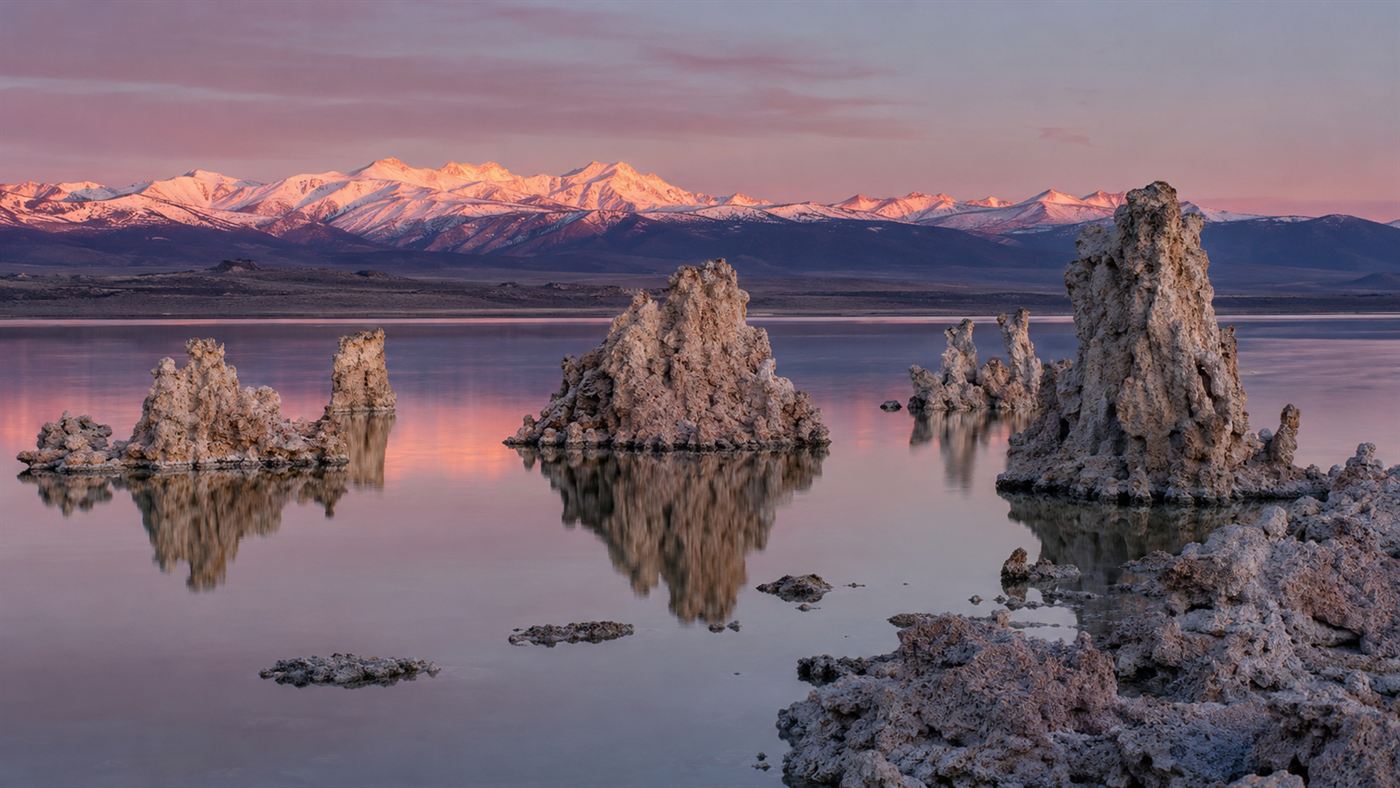
Related reading: Mono Lake, another California water source Los Angeles tapped and later had to help save. See also the Salton Sea, a shrinking lake trading dust for a lithium boom, and the towns deliberately drowned to slake a distant city's thirst.