A great inland sea is disappearing next to a major city, and the lakebed it leaves behind is laced with arsenic that can blow back over two million people
For thousands of years a vast salt sea has shimmered beside the mountains of Utah, feeding clouds of birds and softening the desert air. Now it is shrinking fast, and the cracked ground it uncovers hides a poison that could turn the lake's slow death into a public health emergency.
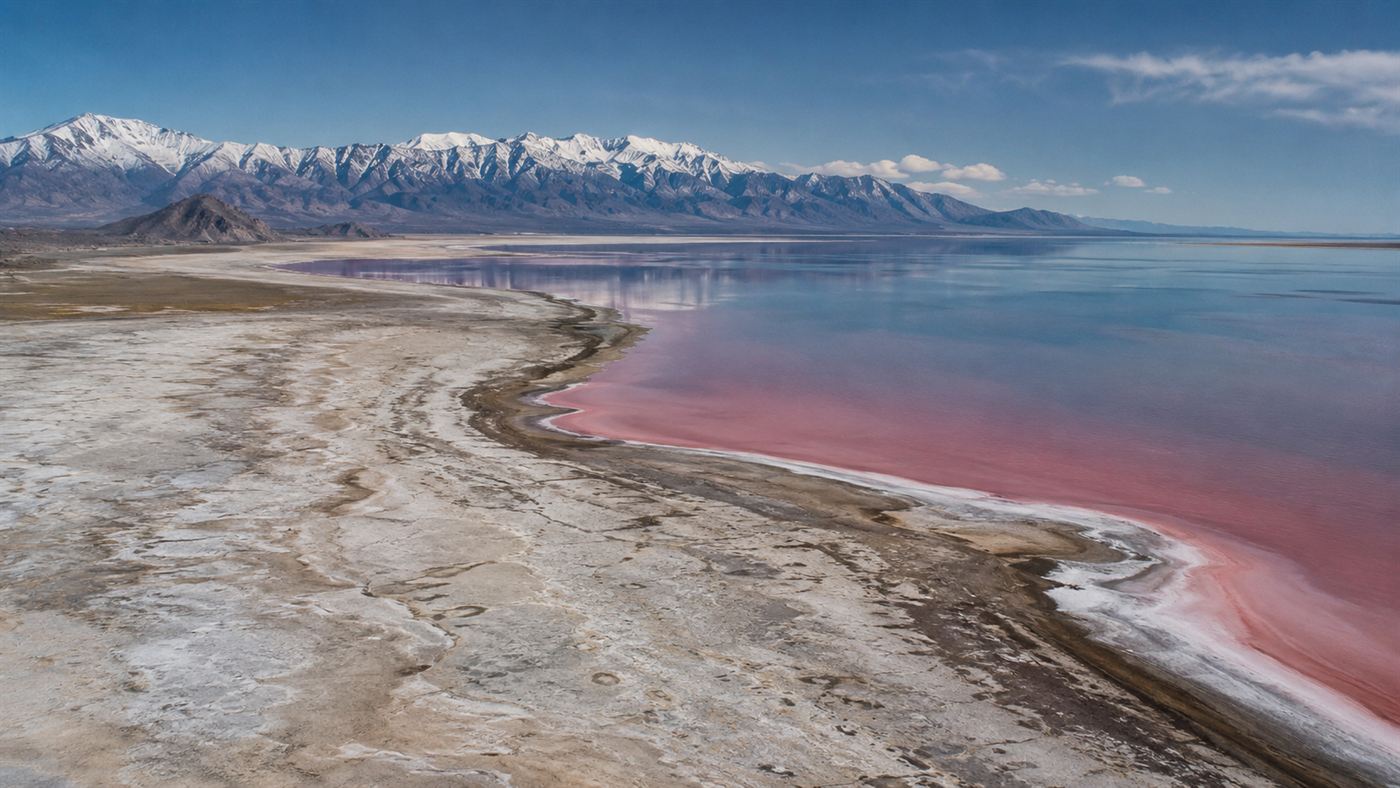
The Great Salt Lake has fallen to record lows, baring huge stretches of its bed. Illustration: Watts & Wild.
Just beyond Salt Lake City, in the dry heart of Utah, lies the largest saltwater lake in the Western Hemisphere. The Great Salt Lake is a leftover of a far bigger prehistoric sea, a shining sheet of briny water that has shaped the region's weather, wildlife and identity for as long as anyone can remember.
In recent years, though, its shoreline has been retreating in a way that alarms almost everyone who studies it. The water has fallen to the lowest levels ever recorded, marooning old marinas on dry land and stranding boats far from any shore. What worries scientists is not only the water that has gone, but what its absence leaves exposed.
The short version is that this is not a simple story of drought. The lake is being drained by the very civilisation that grew up around it, and the ground it bares as it shrinks could poison the people who live there.
Why the Great Salt Lake keeps falling
The key to understanding the crisis is a piece of geography. The Great Salt Lake is a terminal lake, which means the rivers flow in but nothing flows out. Water leaves only by evaporating into the desert sky, so the lake's level is a running tally of how much river water actually reaches it each year.
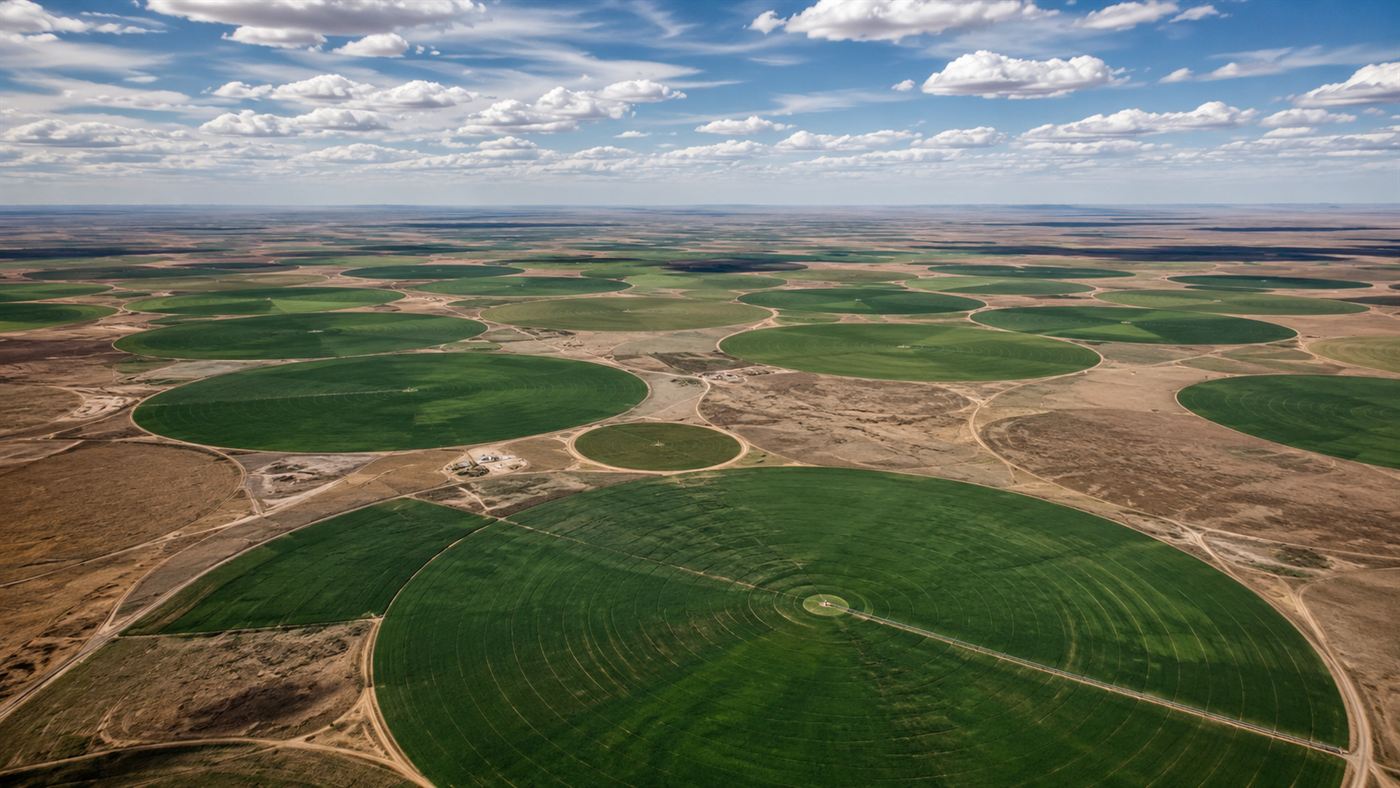
That makes it painfully sensitive to what people do upstream. For over a century, farms and growing cities have pulled water out of the rivers that feed it, and a long stretch of drought has taken more. A terminal lake cannot flush or refill from somewhere else, so every gallon diverted before it arrives is simply a gallon the lake never gets back.
The poison in the lakebed
What lies on the dry bed is the frightening part. Over ages, the water has concentrated natural minerals and the runoff of a century of mining and industry, so the sediment now holds arsenic along with other heavy metals. While it stays under water, it stays put and harmless.
Once it dries and the wind gets at it, that changes. Gusts can lift the fine particles into the air as a toxic dust, carrying arsenic off the exposed flats and out over the surrounding land. The cruel twist is the direction that land lies in, because the prevailing winds run straight toward the cities.
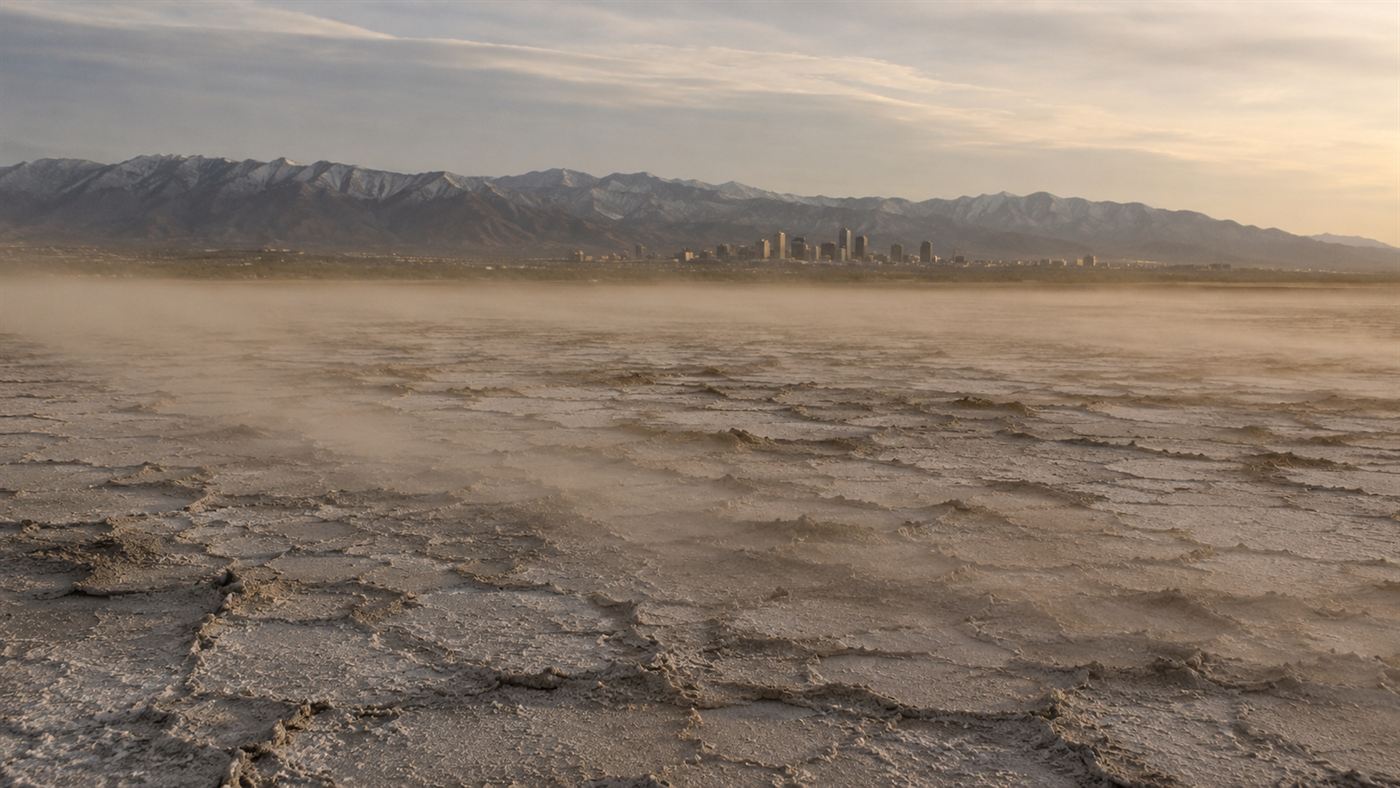
Two million people downwind
The Wasatch Front, the strip of cities running along the mountains that includes Salt Lake City, is home to well over two million people, and it sits directly in the path of that dust. Researchers worry about a slow rise in the amount of arsenic and other toxins people breathe, the kind of exposure whose damage shows up over years rather than days.
It is a grim inversion of the usual bargain. The water pulled from the lake helped these communities on the Wasatch Front grow into what they are, and now the drying bed left behind threatens to hand them the bill in the form of tainted air.
What happens to the birds and the brine shrimp?
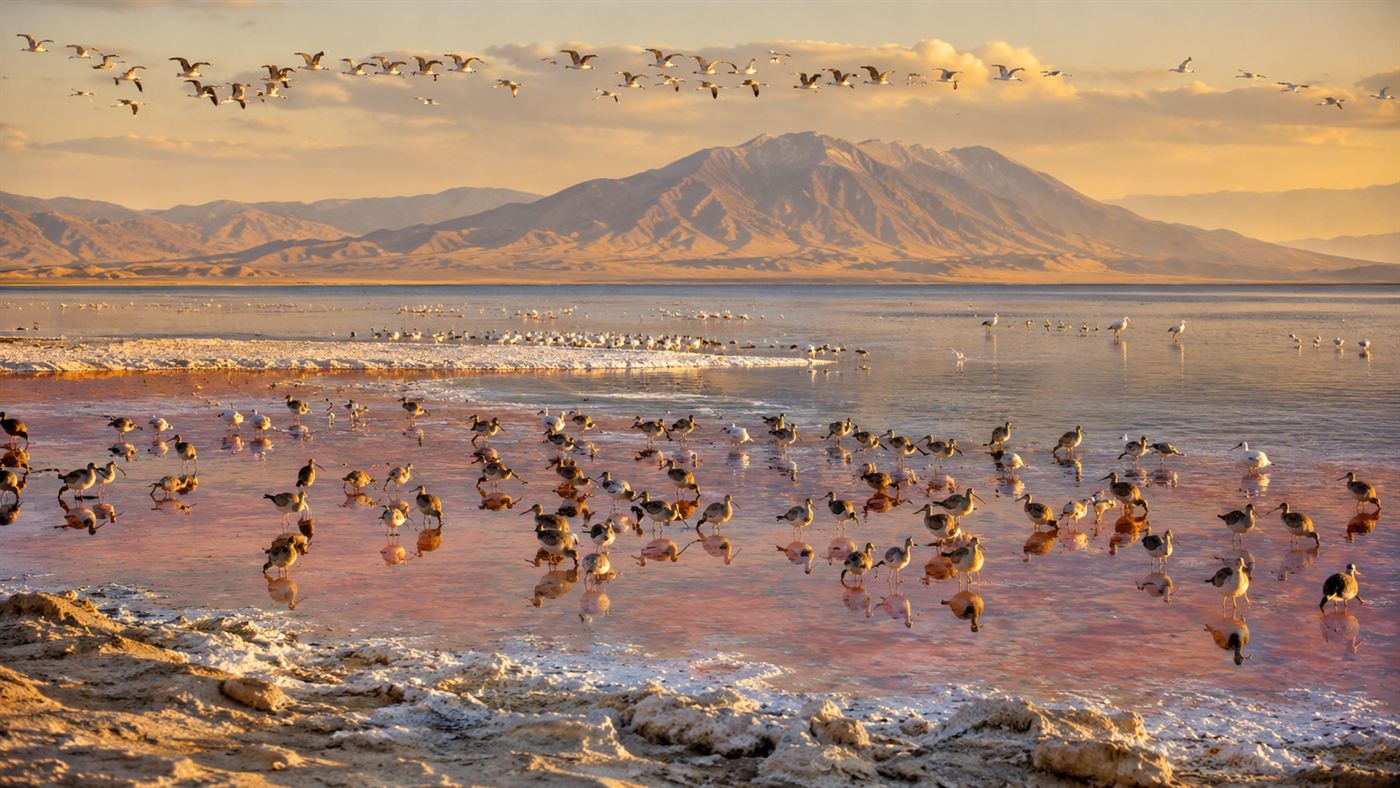
The lake is also a living engine that most visitors never notice. Its salty water teems with tiny brine shrimp and brine flies, and those in turn feed staggering numbers of migratory birds, millions of them, that stop here to rest and refuel on journeys across the continent.
As the water shrinks it grows saltier, and beyond a certain point even the hardy brine shrimp cannot survive the concentration. If that base of the food web collapses, the birds lose one of the most important refuelling stops on their entire route, a loss that would ripple far beyond Utah.
The honest catch
It is tempting to blame the sky and wait for the rain to fix everything, and here the honesty has to bite. Drought made things worse, but the deeper cause is us: the majority of the missing water was diverted by people upstream, not simply lost to a dry spell. That is a harder truth, because it means the cure is not weather but sacrifice, and someone has to use less water on purpose.
The other half of the honesty runs the other way. The scariest headlines sometimes talk as if the lake will vanish within a few short years or bury the cities in arsenic tomorrow, and the science is more uncertain than that. The exact health risk of the toxic dust is still being measured, and wet years can buy time. None of that makes the danger fake. It just means the Great Salt Lake is not a sudden disaster to gawp at, but a slow one we are choosing, gallon by gallon, and could still choose to stop.
A city drank down the sea beside it, and the empty bed may hand back poison on the wind. Would people give up water they already use to refill a lake before it turns to dust? Tell us what you think in the comments.
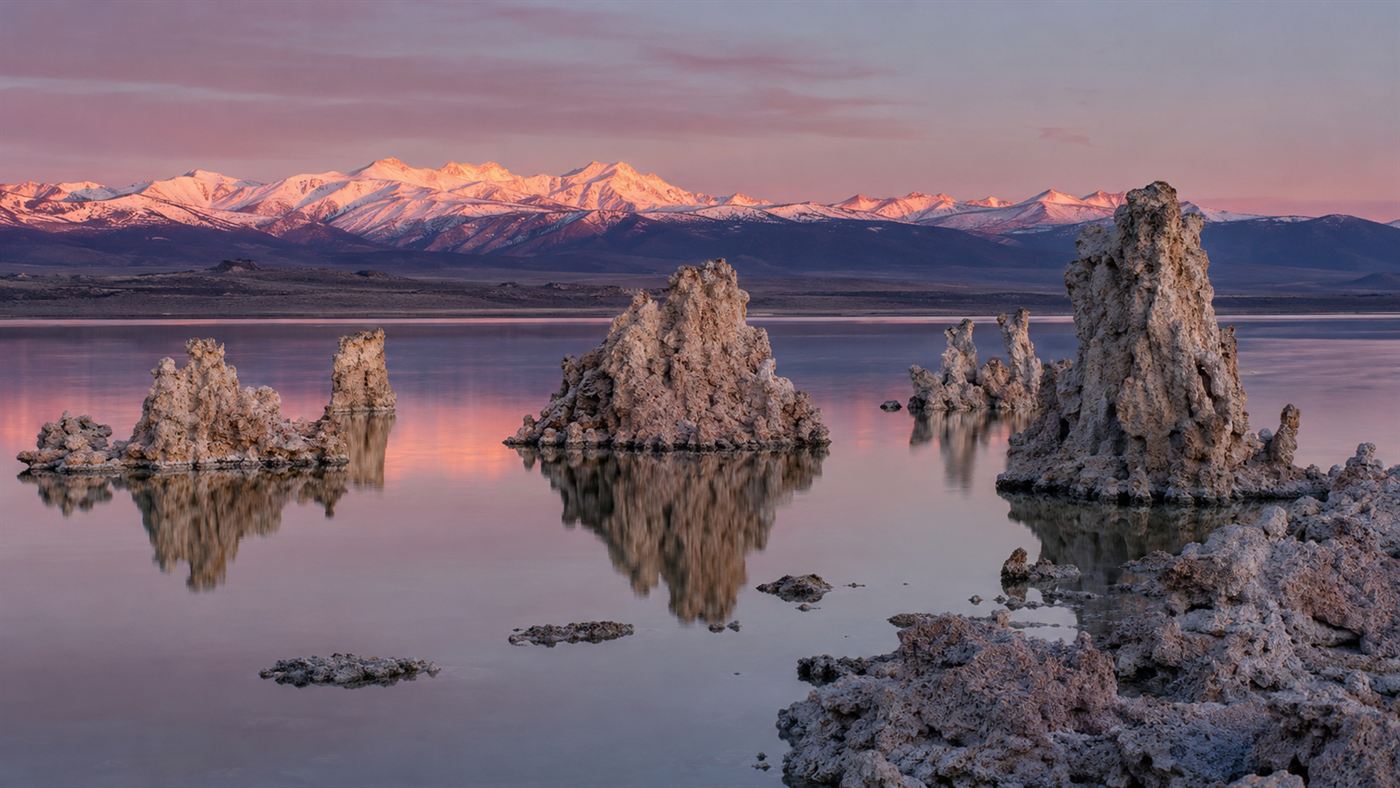
Related reading: the Ogallala Aquifer, another hidden water source we are draining faster than it can refill. See also Mono Lake, saved from the same fate by a long legal fight, and the canyon whose beauty and danger are the same water. See also the ghost forests, whole coastal woods killed where they stand by the rising sea.