Scientists in Bristol found a way to turn the most stubborn kind of nuclear waste into a tiny diamond battery that powers itself, safely, for thousands of years
A diamond battery sounds like science fiction: a gem made from radioactive waste that quietly generates electricity for thousands of years and shields its own radiation. In December 2024, British scientists built the first one from carbon-14, turning a disposal nightmare into a power source that may outlast civilisation.
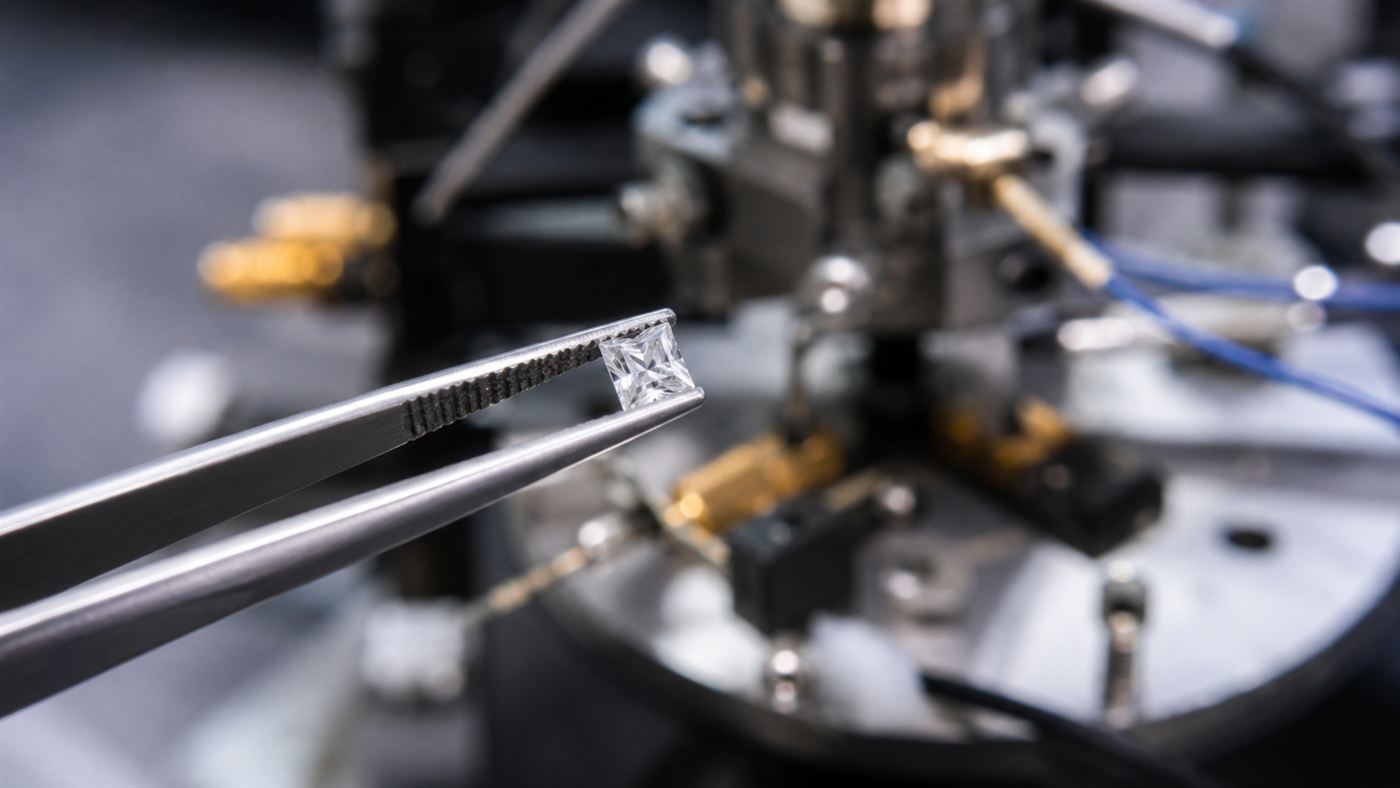
A diamond battery: a man-made gem that turns nuclear waste into a trickle of power. Illustration: Watts & Wild.
The diamond battery is one of those ideas that sounds too neat to be real. Take carbon-14, a radioactive form of carbon that is one of the more troublesome leftovers of the nuclear age, and lock it inside a man-made diamond. The diamond does two jobs at once: it safely traps the radiation, which cannot escape the gem, and it harvests the energy that radiation gives off, producing a faint but endless trickle of electricity.
In December 2024, researchers at the University of Bristol and the UK Atomic Energy Authority announced they had built the first working carbon-14 diamond battery. As the university described it, this was a genuine world first, and while the device is small and produces only a tiny amount of power, the carbon-14 inside it takes around 5,700 years just to lose half its radioactivity. A battery built around it could keep working, in principle, for thousands of years without ever being charged.
What is a diamond battery? A diamond battery is a betavoltaic cell that turns radioactive carbon-14, recovered from nuclear waste, into electricity. The carbon-14 is sealed inside a lab-grown diamond that both blocks the radiation and converts it to a small, steady current. It can keep generating power for thousands of years.
How does a diamond battery work?
The trick is a process called betavoltaics, which is a bit like a solar cell that runs on radiation instead of light. carbon-14 is unstable, and as it decays it spits out fast-moving electrons, the particles known as beta radiation. Place that carbon-14 inside a diamond, which is a form of carbon and a capable semiconductor, and those flying electrons knock charge loose as they pass through, which can be collected as a small electric current.
The elegance is that the same diamond that generates the power also makes it safe. Beta particles from carbon-14 are weak and travel only a tiny distance, so the diamond casing absorbs them completely; you could hold the cell in your hand without harm. The Bristol team grow their diamonds in the lab using a method called chemical vapour deposition, building the carbon-14 directly into the crystal so the fuel and the generator are one and the same object.
Turning nuclear waste into a battery
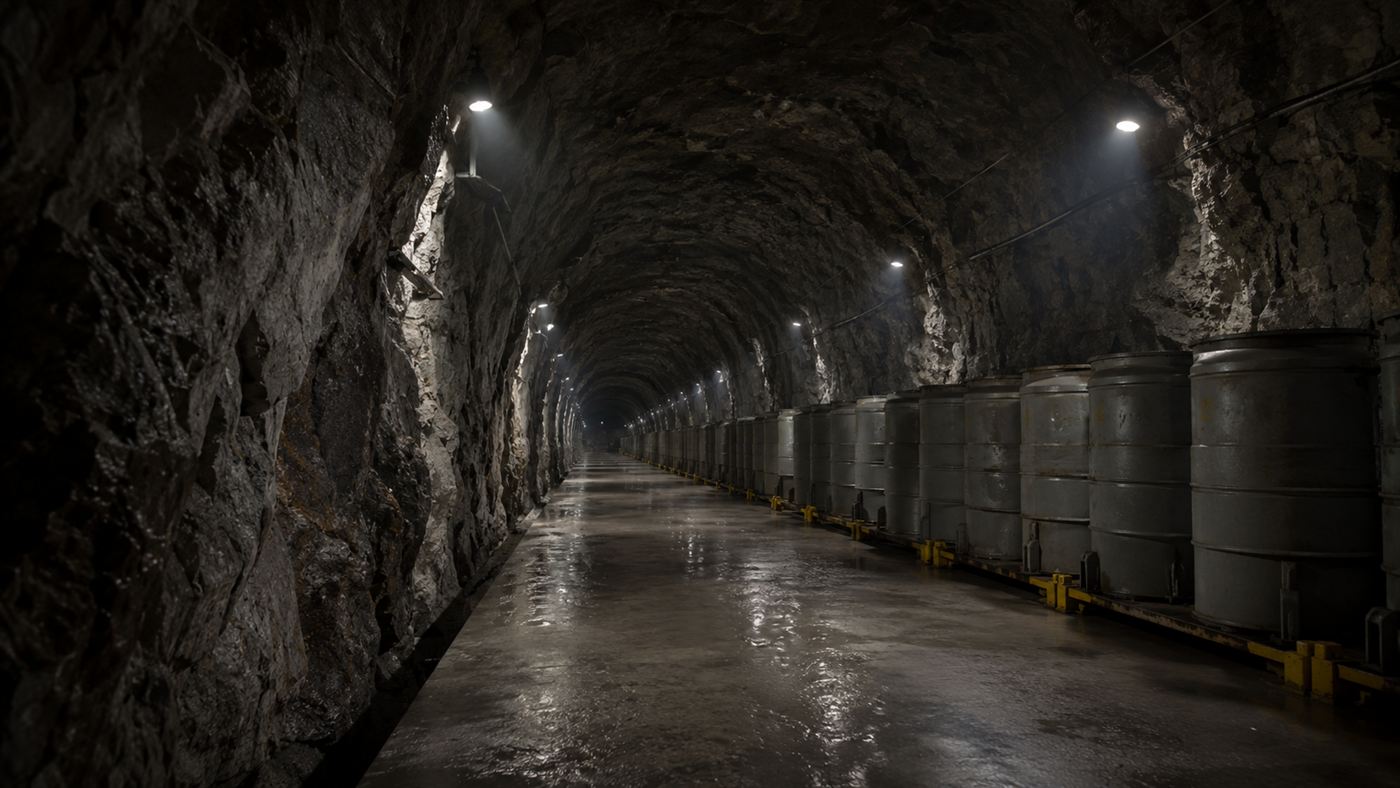
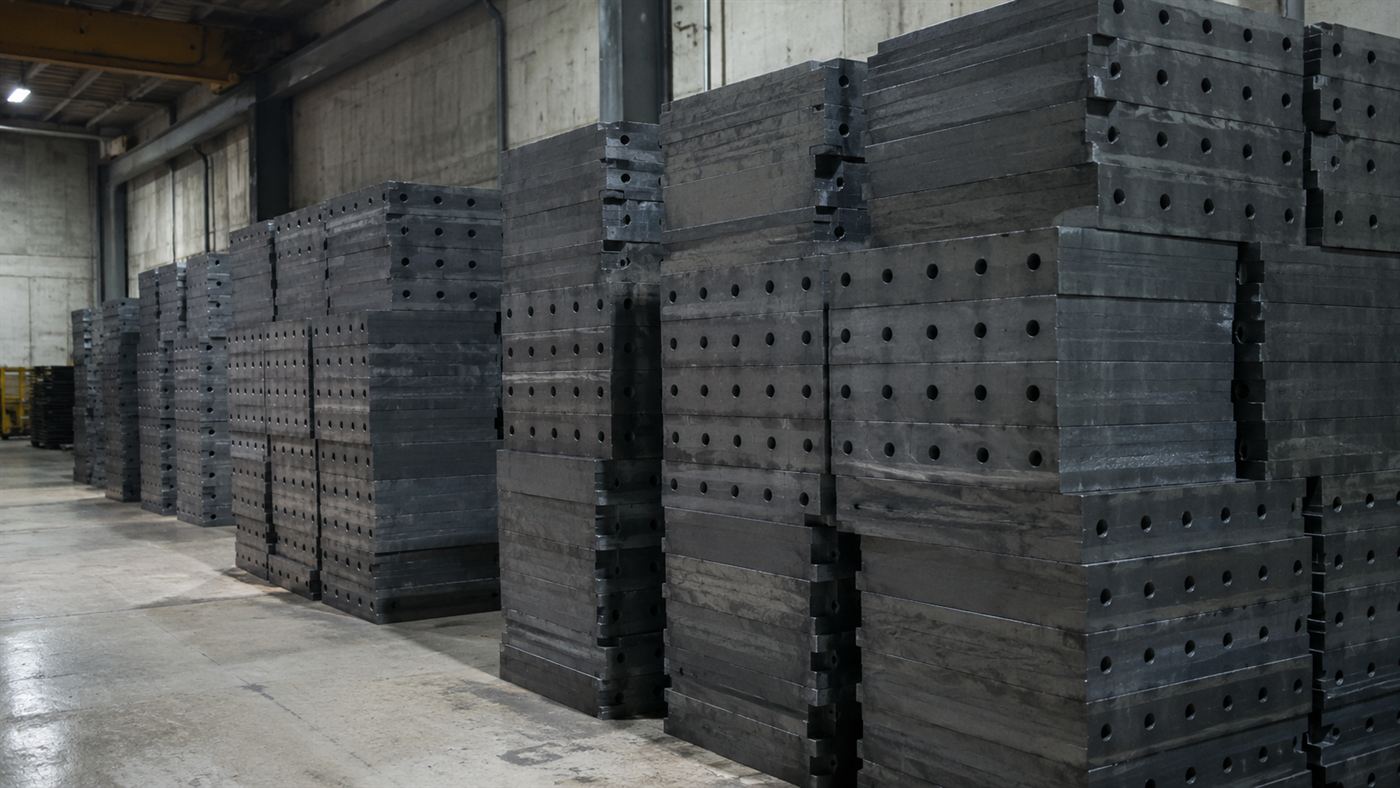
What makes the diamond battery more than a curiosity is where the carbon-14 comes from. Britain has a mountain of irradiated graphite, the blocks that sat inside its old nuclear reactors as moderators, and that graphite is laced with radioactive carbon-14. It is bulky, awkward and expensive to store, one of the less glamorous problems of the country's nuclear legacy, and there is a great deal of it.
Pulling the carbon-14 out of that graphite does two useful things at once. It makes the leftover graphite less radioactive and easier to dispose of, and it provides the raw material for the batteries. Instead of guarding the waste for millennia at sites like Finland's deep underground repository at Onkalo, this approach asks whether part of the problem could be quietly put to work generating power instead.
Thousands of years of power
The headline figure is the lifetime, and it is genuinely staggering. Because carbon-14 has a half-life of roughly 5,700 years, a cell built around it does not run flat the way a phone battery does over a day. The Bristol researchers describe their device as lasting on the order of 5,000 years, and a separate company has floated even larger claims of up to 28,000 years for very low-drain uses, numbers that make the word "rechargeable" meaningless.
To put that in perspective, the oldest pyramids are about 4,500 years old. A diamond battery switched on today could, in theory, still be delivering a faint current when whatever replaces our civilisation digs it up. No chemical battery comes within a thousandth of that. The catch, and there is always a catch, is hidden in how little power that long life actually delivers.
What it can and cannot power
This is not a battery for your phone, your car or your home. A diamond battery puts out only microwatts, millionths of a watt, a trickle so small it would take an absurd number of them to light a single bulb. Asking it to run anything power-hungry is hopeless, and no amount of clever engineering changes the fundamental physics of how slowly carbon-14 releases its energy.
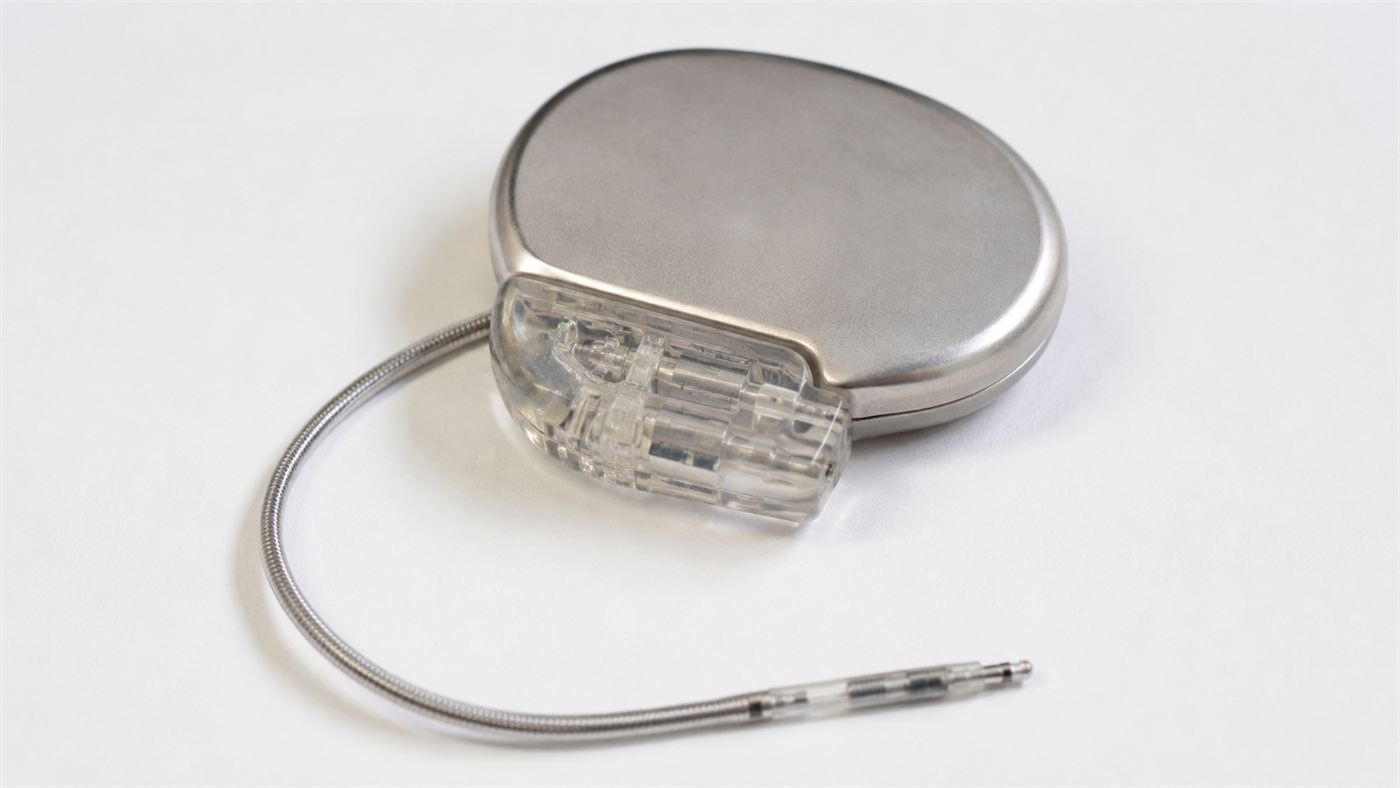
Where it shines is the opposite extreme: devices that need almost no power but must run untouched for a very long time. Think pacemakers and other medical implants that would no longer need surgery to swap a battery, sensors buried in remote or dangerous places, and instruments on deep-space probes far from the Sun, where solar panels are useless. In those niches, reliability matters far more than raw wattage, and a battery that simply never dies is worth more than a powerful one.
The people behind the diamond age
The work has been led at the University of Bristol by figures including Professor Tom Scott and Dr Neil Fox, who have spent years turning the idea from a 2016 proof of concept into the carbon-14 device unveiled in 2024. They talk, only half-jokingly, about a coming "diamond age" of power, and the appeal is easy to see: a technology that takes the most feared by-product of nuclear energy and reframes it as a resource rather than a hazard.
It is also a quietly hopeful piece of science. So much of the nuclear story is about danger, secrecy and waste that lasts uncomfortably long, and here is the same long-lived material doing something gentle and useful instead, sealed harmlessly inside a gem. The diamond battery will not power the world, but it changes how we are allowed to think about the leftovers of the atomic age.
The honest catch
A sense of proportion is essential here. The power output is minuscule, and the most eye-catching lifetimes, especially the 28,000-year figures, are theoretical projections for tiny loads rather than promises about a finished product. Growing diamonds with carbon-14 inside them, at any meaningful scale and acceptable cost, is a serious manufacturing challenge that is far from solved, and the first real-world uses are years away.
None of that is a reason to dismiss it. The diamond battery was never meant to be a rival to the grid or to lithium; it is a niche tool for the rare jobs where a battery has to last effectively forever in a place no one can reach. Judged against that narrow brief, taking dangerous waste and turning it into a safe, near-eternal power source is a genuinely clever piece of work, as long as nobody oversells it as the answer to the world's energy problems.
Scientists have taken some of the longest-lived, most feared nuclear waste on Earth and sealed it inside a diamond that quietly makes power and may keep doing so for 5,000 years. Is the diamond battery a brilliant use for nuclear waste, or a clever distraction from the bigger problem of storing it? Tell us what you think in the comments.
Related reading: Finland is burying its nuclear waste in a tomb designed to stay sealed for 100,000 years, or the Soviet nuclear lighthouses that ran on radioactive heat and were then abandoned in the Arctic.