A voracious air-breathing fish nicknamed the Frankenfish turned up in a Maryland pond in 2002, and no matter how much poison officials poured in, the northern snakehead kept coming back and spreading
It sounds like the plot of a cheap horror movie, and for a summer it more or less was. A strange predatory fish that could gulp air and refuse to die was breeding in a pond behind a Maryland strip mall. The nation gave it a monster's name and a monster's reputation. The truth was a little tamer, and a lot harder to stop.
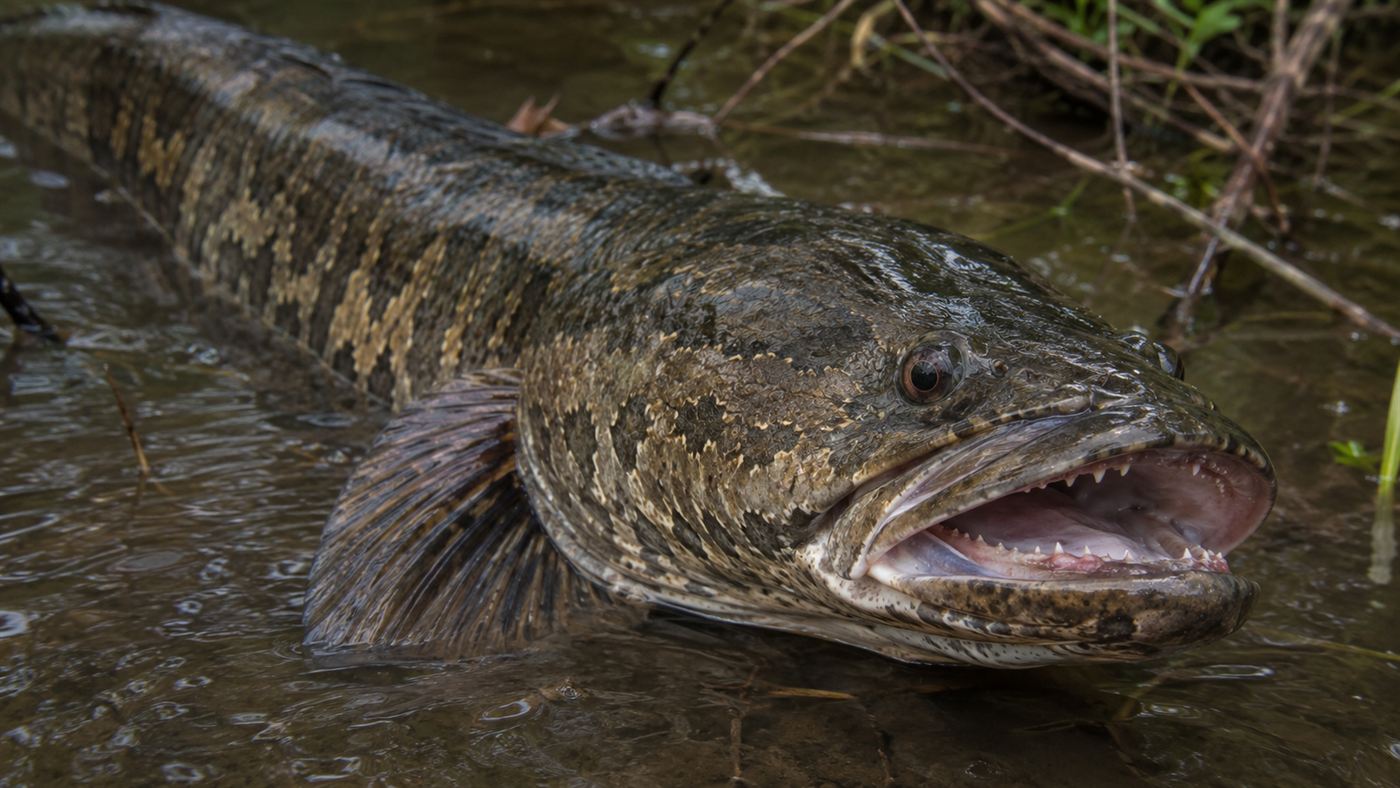
The northern snakehead is a hardy, hungry predator built to survive. Illustration: Watts & Wild.
In the summer of 2002, an angler fishing a pond in Crofton, Maryland, hooked something he did not recognize: a long, blotchy, snake-headed fish with a mouthful of teeth. It was a northern snakehead, a species from East Asia that had no business being in a suburban Maryland pond, and it was not alone. When biologists looked closer, they found the pond swarming with more than a thousand young ones.
What followed was part ecological emergency, part media circus. Headlines screamed about a "Frankenfish" that could walk across land and breathe air, hunting its way from pond to pond. The panic was overblown, but underneath it was a real and stubborn problem that officials are still fighting more than twenty years later.
The short version: in 2002 a northern snakehead and over a thousand young were found in a Maryland pond after someone released a few live fish. Officials poisoned the pond, but the fish reached the Potomac River anyway, where the air-breathing predator now numbers in the tens of thousands and cannot be removed.
How the fish got into the pond
The origin story is oddly human. According to the accounts that emerged, a man had bought a couple of live snakeheads at a market, intending to make a traditional soup for a relative who was ill. By the time he had them, they were no longer needed, and rather than kill them he dumped them in the Crofton pond around 2000. Two fish became a breeding population.
That is the quiet lesson hiding in almost every invasion like this. It rarely takes a grand accident, just one person making one careless, well-meaning choice with a living animal. A small act of squeamishness in a parking-lot pond set off a chain of events that reshaped a river.
Why the northern snakehead is so hard to kill
The snakehead is a genuinely formidable survivor. It is an aggressive predator that eats other fish, frogs and just about anything it can fit in its mouth, a big one can reach three feet long and weigh up to eighteen pounds. It breeds prolifically, and adults guard their young, which helps far more of them reach adulthood.
Its real superpower, though, is breathing. The snakehead has an organ that lets it gulp air at the surface, so it can survive in warm, stagnant, low-oxygen water that would suffocate most fish, and it can stay alive out of the water for a good while as long as it stays moist. You cannot simply wait for bad water to kill it. That is what makes it so maddening to control.
Poisoning the pond, and losing anyway
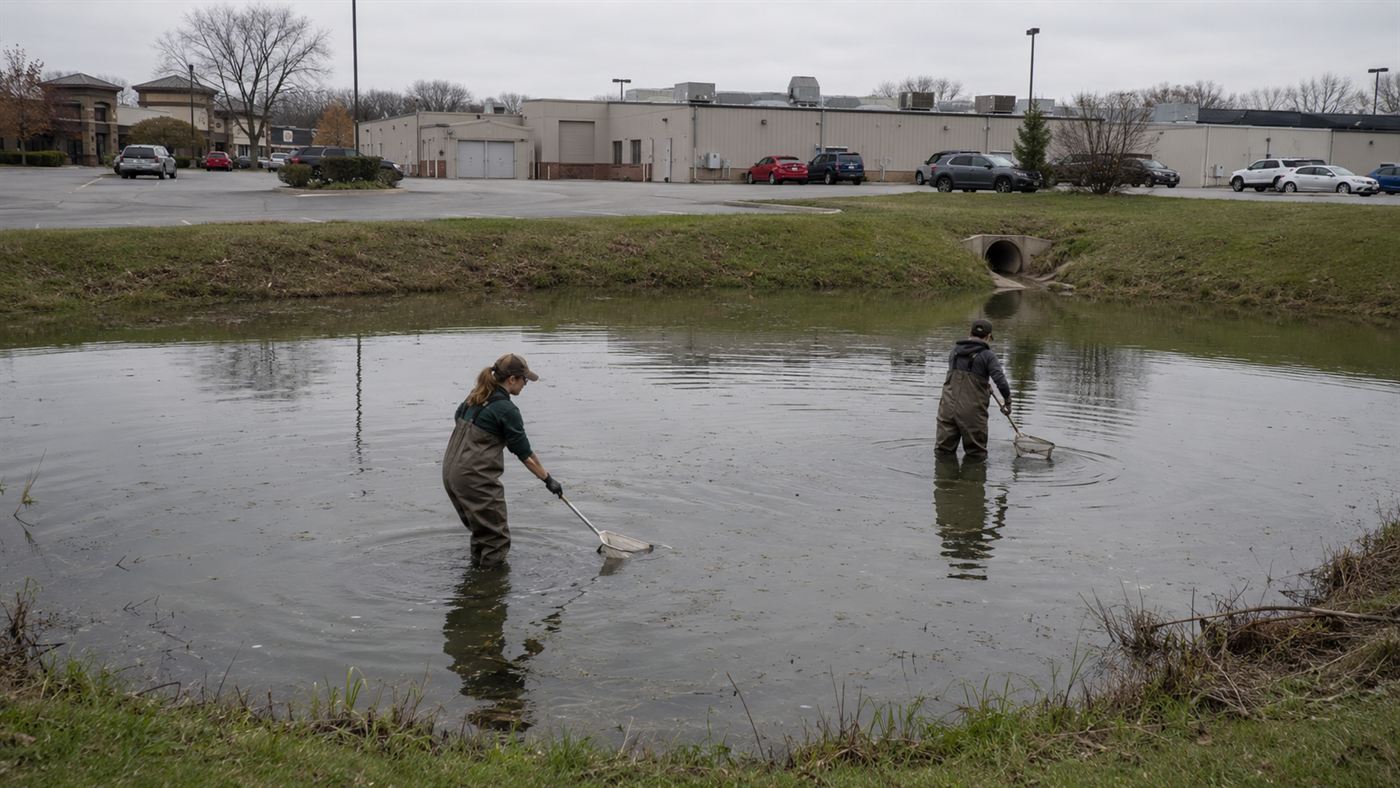
Maryland did not mess around. In September 2002, officials dosed the Crofton pond and two nearby ponds with rotenone, a poison that shuts down the gills of fish, followed by another chemical to neutralize it. The rotenone killed the snakeheads, six adults and well over a thousand juveniles, and for a moment it looked like a clean victory.
It was not. By 2004 snakeheads were turning up in the Potomac River, almost certainly from separate releases rather than the sealed Crofton pond. Once they were in a big, connected river system, poisoning the water was no longer an option, and there was nothing to stop them. The fish had escaped the one situation where humans could actually beat it.
Can you win by eating the invader?
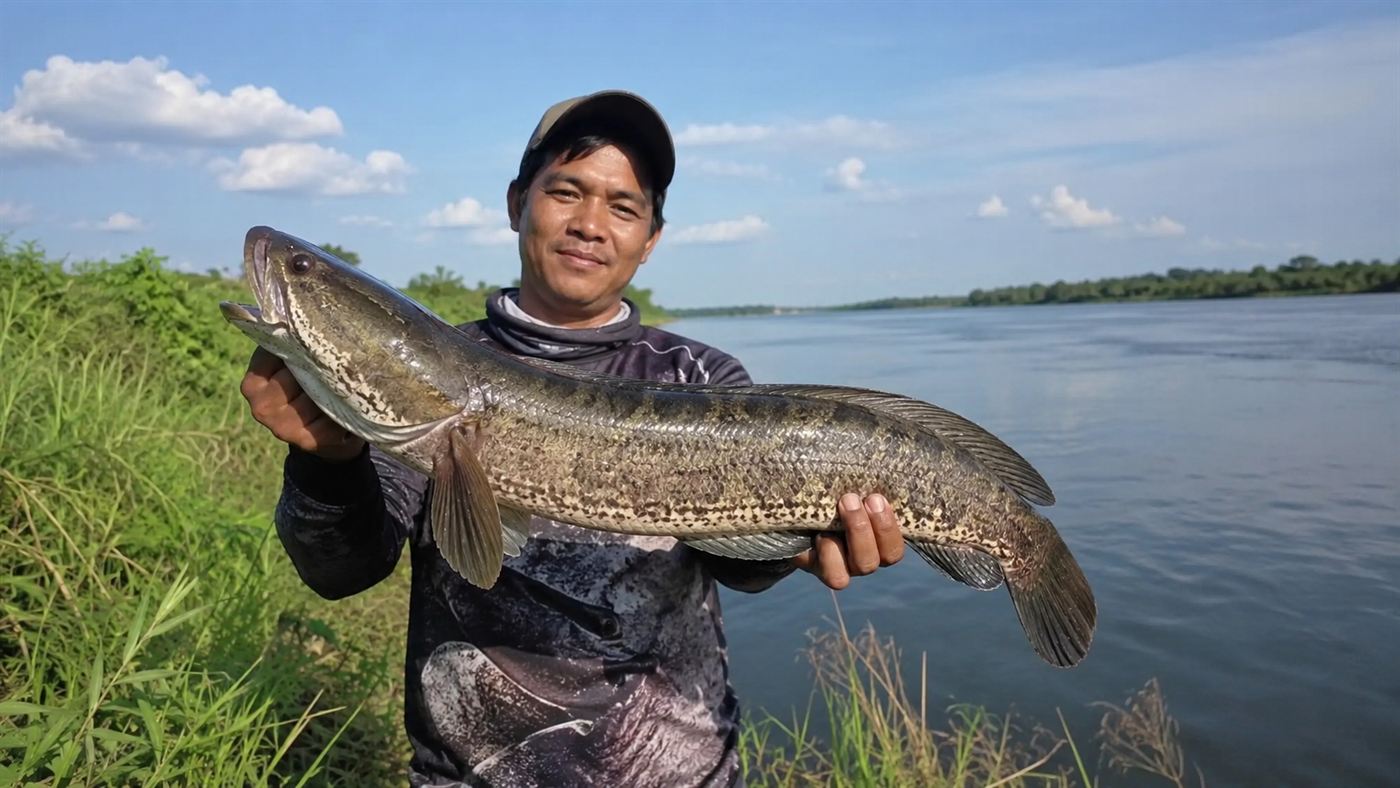
With eradication off the table, the strategy flipped. Since the northern snakehead cannot be removed, wildlife agencies now urge anglers to catch as many as possible and to never throw one back alive. In Potomac states the rule is blunt: if you catch a snakehead, kill it.
Happily, it turns out the Frankenfish is delicious. Chefs praise its firm, white, mild fillets, and "eat the enemy" campaigns have turned the villain into a sought-after dish, with some catches even going to feed food-insecure families. It will never wipe out the population, but it is a rare invasive-species fight where the public can genuinely help, one dinner at a time.
The honest catch
The scariest part of the legend is the least true. The northern snakehead in American waters does not go slithering across highways from lake to lake. Some of its tropical cousins can wriggle over wet ground, and the movies happily blurred the two, but the fish that invaded the Potomac is a swimmer, not a walker. The land-crawling monster was mostly in our heads.
What is true is arguably more sobering. This is a tough, air-breathing, fast-breeding predator that got a permanent foothold in a major American river because of one dumped bucket of fish, and no amount of poison or fishing will ever fully undo it. The real horror story is not a fish that walks. It is how cheap and irreversible an invasion can be.
A single dumped bucket of fish handed a hardy predator a permanent home in one of America's great rivers, and now the only weapon left is a frying pan. Would you order Frankenfish for dinner if it meant helping fight an invasion you can never truly win? Tell us in the comments.
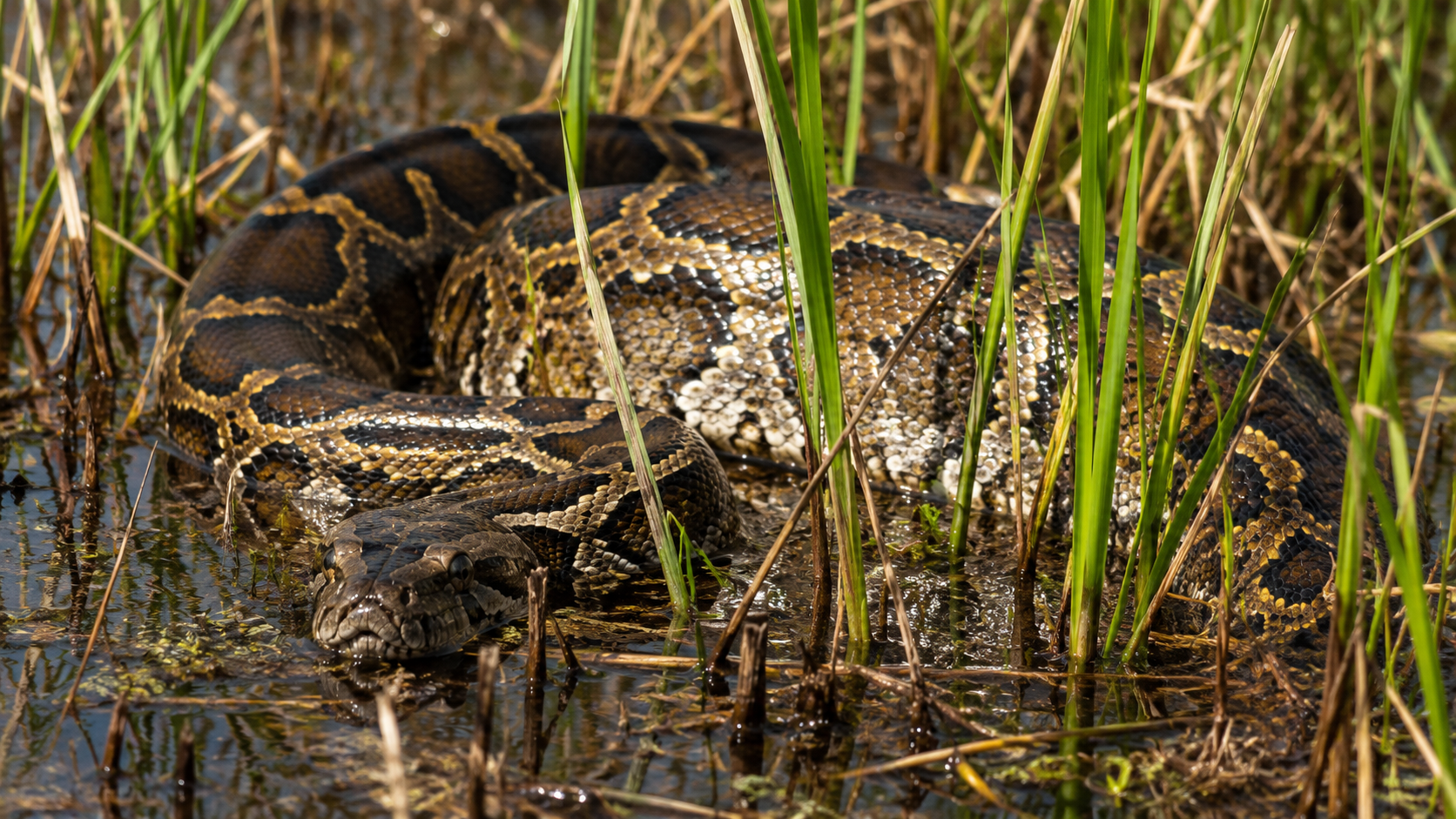
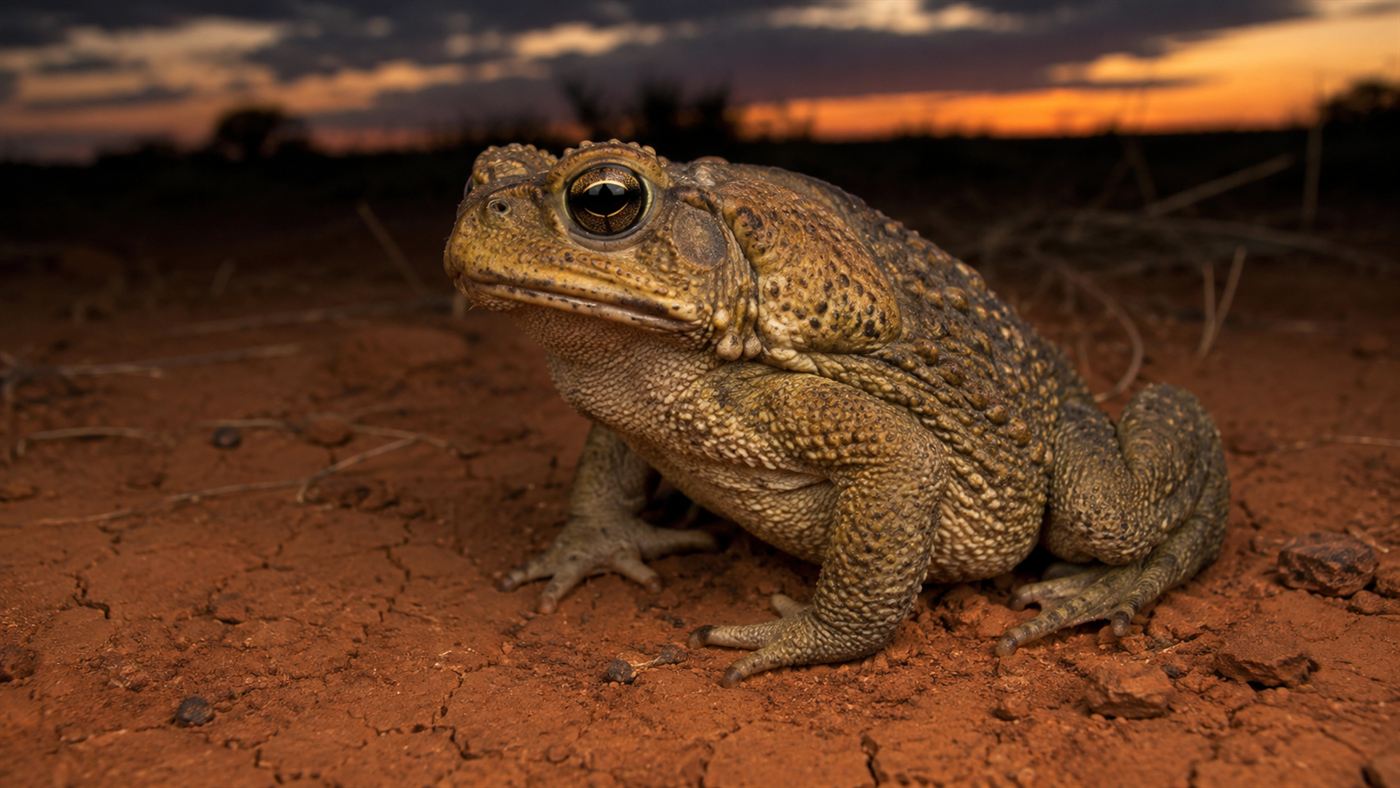
Related reading: the Burmese pythons that escaped into the Everglades and devoured its mammals. See also the cane toads Australia released on purpose and has regretted ever since, and the Asian carp that leap into boats and are besieging the Great Lakes.