A Cape Cod lobsterman pulled the rope out of the water to help save the 70 mothers left of the North Atlantic right whale, the rarest great whale in the Atlantic
The North Atlantic right whale is down to roughly 384 animals, and the rope from lobster and crab traps is one of the two things most likely to kill them. On Cape Cod, a lobsterman named Rob Martin decided to fish without any rope in the water at all.
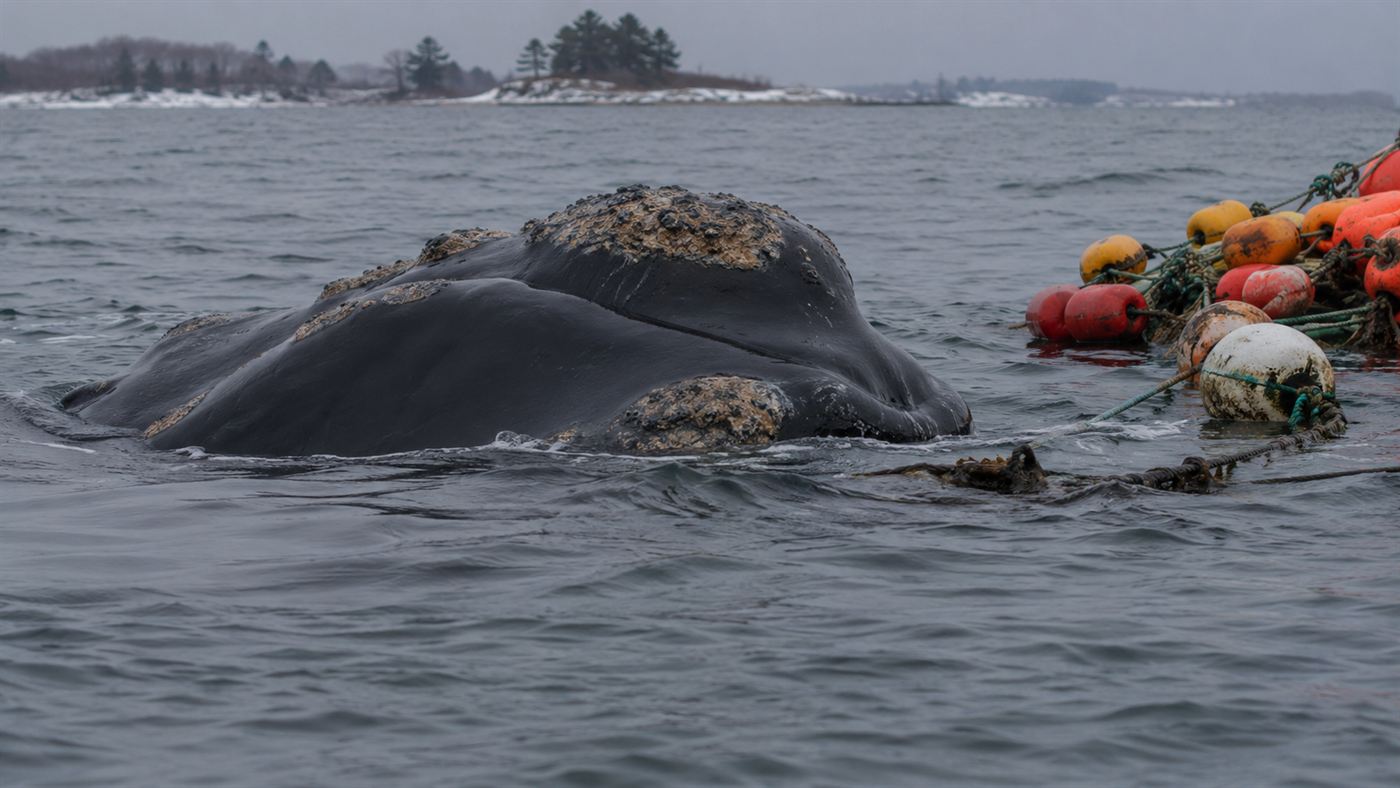
A right whale surfaces among the buoy lines that crowd New England waters. Illustration: Watts & Wild.
The North Atlantic right whale has been sliding toward extinction in slow motion for decades, and the most recent count, released by the New England Aquarium in October 2025, put the population at about 384 animals. Fewer than 70 of those are breeding females. For a creature that can live past seventy years and weigh as much as a loaded truck, that is a frighteningly thin margin, and the aquarium's scientists were only cautiously hopeful when the number ticked up by about two percent.
Most of those deaths are not old age. The two biggest killers are collisions with ships and entanglement in fishing rope, and according to NOAA Fisheries more than 85 percent of right whales have been caught in gear at least once in their lives. The vertical fishing lines that run from a buoy on the surface down to a trap on the seabed are, quietly, among the deadliest objects in the western Atlantic.
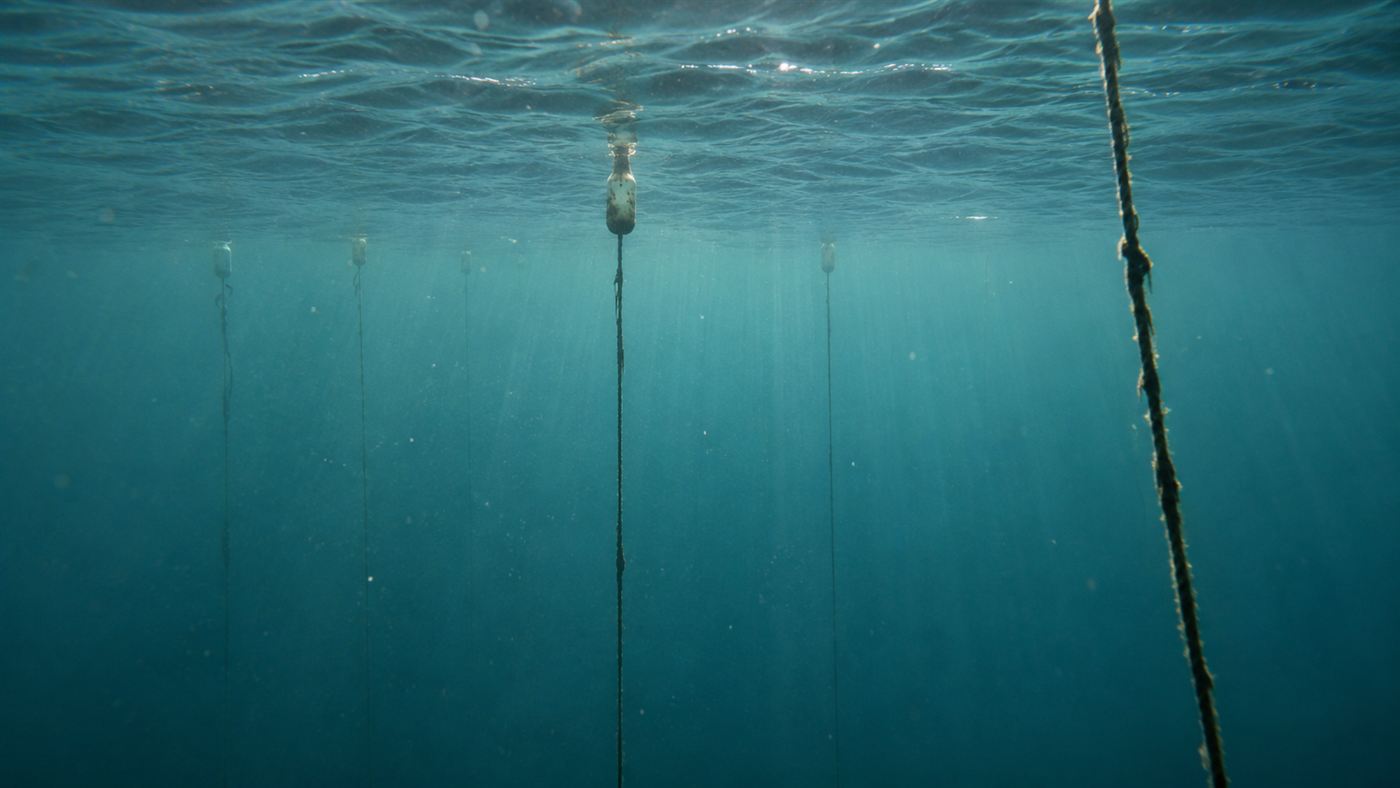
What is ropeless fishing gear? It is a lobster trap that carries no buoy line floating in the water. The trap and a coiled rope sit on the seabed until the fisherman sends an acoustic signal from the boat, and an inflatable bag fills and lifts the gear to the surface on demand. No standing rope means nothing for a whale to swim into.
Why is the North Atlantic right whale so close to the edge?
The North Atlantic right whale earned its grim name from whalers, who called it the "right" whale to hunt because it was slow, swam close to shore, and floated when dead. By 1900 they had been cut down to perhaps a few dozen, and the species never bounced back the way humpbacks did. It clawed its way to around 480 animals in 2010, then slid again through the 2010s as deaths outpaced births.
Part of the problem is that the whales keep moving. As the Gulf of Maine warms, the tiny copepods they filter by the ton have drifted north and into the Gulf of St. Lawrence, pulling the animals into shipping lanes and fishing grounds that were never set up to protect them. A single bad year can erase a decade of slow gains, which is why researchers count every calf. In the 2025 calving season only eleven were born, four of them to first-time mothers, far short of what a recovering population needs.
How does ropeless fishing gear work?
A traditional lobster string is simple and centuries old: a trap on the bottom, a rope rising straight up, a buoy on top so the fisherman can find it again. That standing rope is the whole problem. ropeless fishing gear, also called on-demand gear, deletes it. The trap and its rope wait on the seabed, and instead of a permanent buoy line the fisherman cruises to the spot, sends a coded acoustic ping, and a stowed bag or spool inflates and floats the gear up only when it is time to haul.
The systems are run from a phone or tablet app that holds the GPS location of each trap, since there is no longer a buoy to look for. Several designs exist, some using a lift bag, some a buoyant spool of rope, but they share one promise: for the hours and days the trap is soaking, there is no ropeless fishing gear hanging in the water column for a right whale to drag. It is a clean fix for the part of the danger that fishing actually controls.
The man who took the rope out of the water
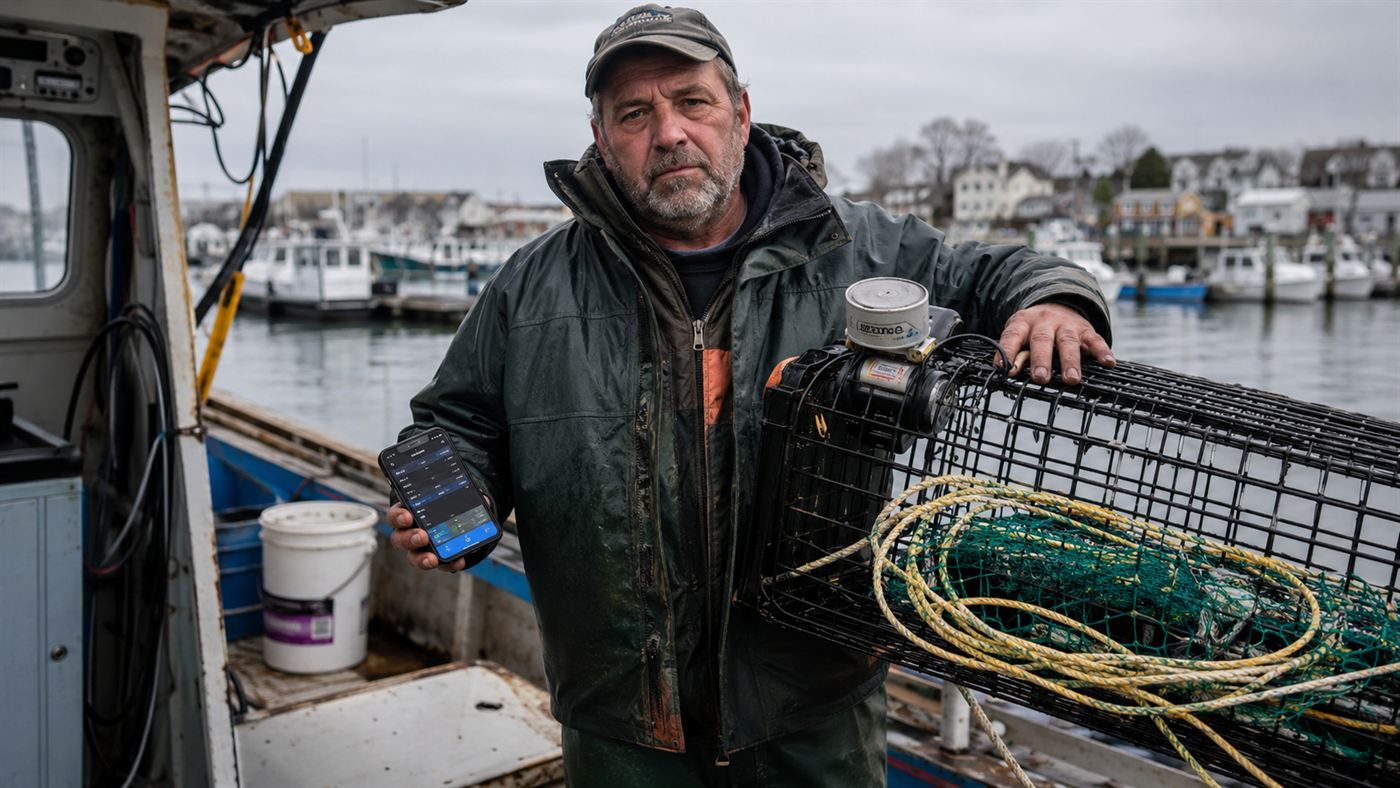
The person who turned that idea into a working boat is not an activist. He is Rob Martin, a commercial lobsterman out of Sandwich Marina on Cape Cod, who has fished these waters for most of his life. Over the past decade Martin handed his boat over to become a floating test bed, working alongside NOAA scientists, gear engineers, and his crewmate Marc Palombo, a former lobsterman, to make on-demand traps that actually survive a working day at sea.
Martin belongs to a small group of lobster fishermen who call themselves Pioneers for a Thoughtful Coexistence, fishing on-demand gear in Cape Cod Bay during the months when the bay is closed to ordinary trap fishing to protect migrating whales. As the Maine Morning Star reported from his deck, Martin sees the gear as the only way both the whale and the fishery survive the same century. His argument is plain: a dead fishery helps no one, and a fishery that kills the last right whales will not be allowed to keep fishing.
What whale entanglement actually does
It is easy to picture entanglement as a quick, clean accident. It is usually the opposite. When a right whale swims into a vertical line, the rope saws into a flipper, wraps the tail, or slices through the baleen and the corner of the mouth, and the animal often tears the gear loose from the seabed and keeps swimming, dragging traps and hundreds of feet of rope for months or even years. The result is a slow death by exhaustion, infection, or starvation, and it is the cruelest face of whale entanglement.
Even the survivors pay. Scientists studying chronic whale entanglement have found that the constant drag of trailing gear burns so much energy that females stop breeding, and that decades of these injuries have left today's right whales measurably shorter than their grandparents. With more than 85 percent of the population scarred by rope at least once, the damage is not a rare tragedy. It is the normal background condition of being a right whale, which is exactly what makes removing the rope so consequential.
$82 million and a fight among fishermen
Washington has started to put real money behind the idea. In 2023 the federal government committed more than $82 million to right whale recovery, with over a fifth of it aimed at perfecting on-demand gear so that lobster fishermen can keep working through the seasonal closures that now shut large areas during whale season. That same year, regulators for the first time let fishermen set ropeless gear inside zones otherwise closed to trap fishing, a quiet but real vote of confidence.
The harder fight is not with the whales but among the fishermen themselves. Many lobster fishermen distrust gear that costs thousands of dollars per trap, can be slow to haul, and leaves no buoy on the surface, which means a neighbor cannot see where your traps lie and may set right on top of them. The split is bitter enough that it has pitted lobsterman against lobsterman at public hearings. It is worth being honest that Martin's quiet boat is still the exception, not the rule, on a coastline that runs from New Jersey to the Canadian Maritimes.
The honest catch
Ropeless gear is not a magic wand, and it is fair to say so. It is expensive, the technology is still maturing, and scaling it across thousands of working boats would take years and a lot of public money. It also only touches one of the two big killers. Even a sea with zero fishing rope in it would still have ships, and vessel strikes alone could keep dragging the species down. Much of the danger also sits in Canadian waters and in snow crab gear, far outside the reach of one Cape Cod marina. Not every encounter between whales and boats runs this way, of course: off Gibraltar, it is the orcas that keep sinking the sailboats.
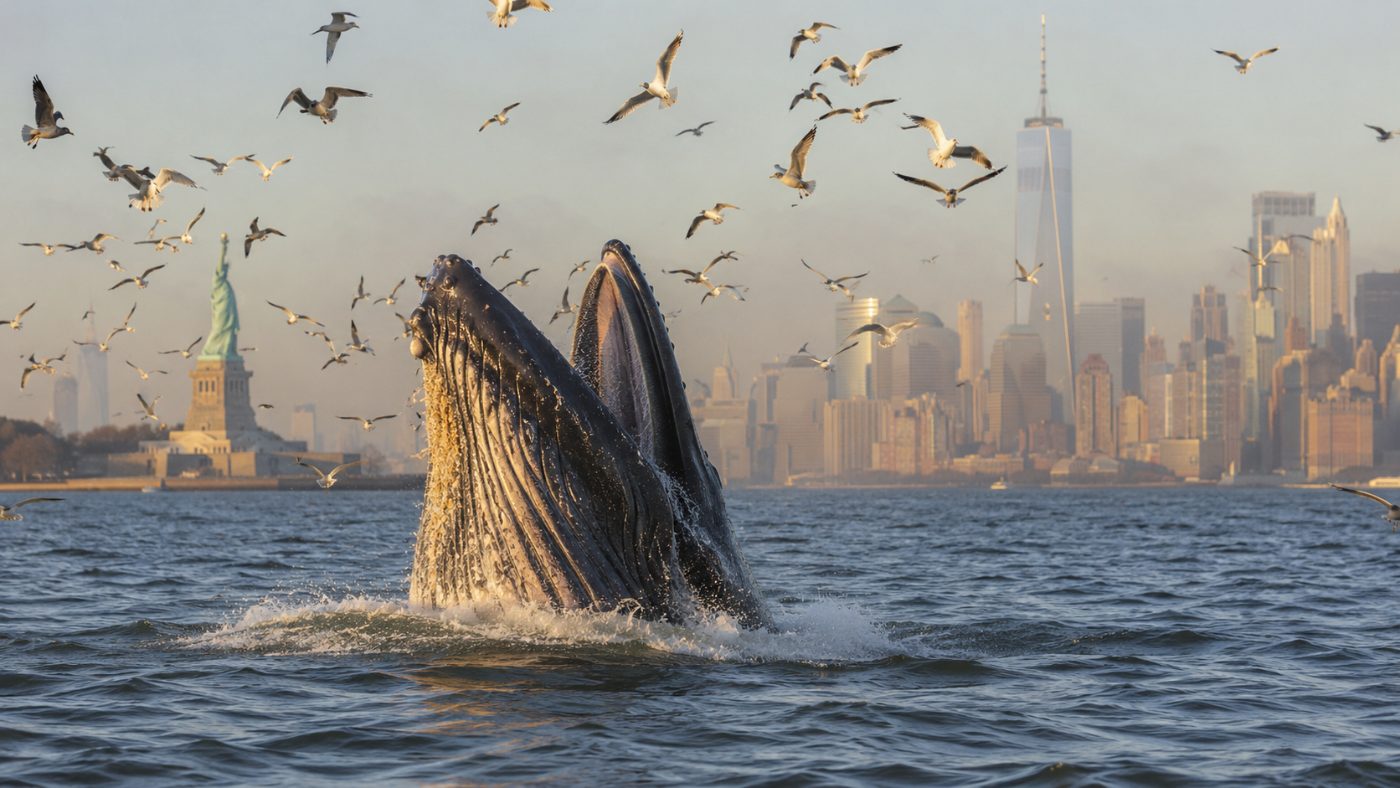
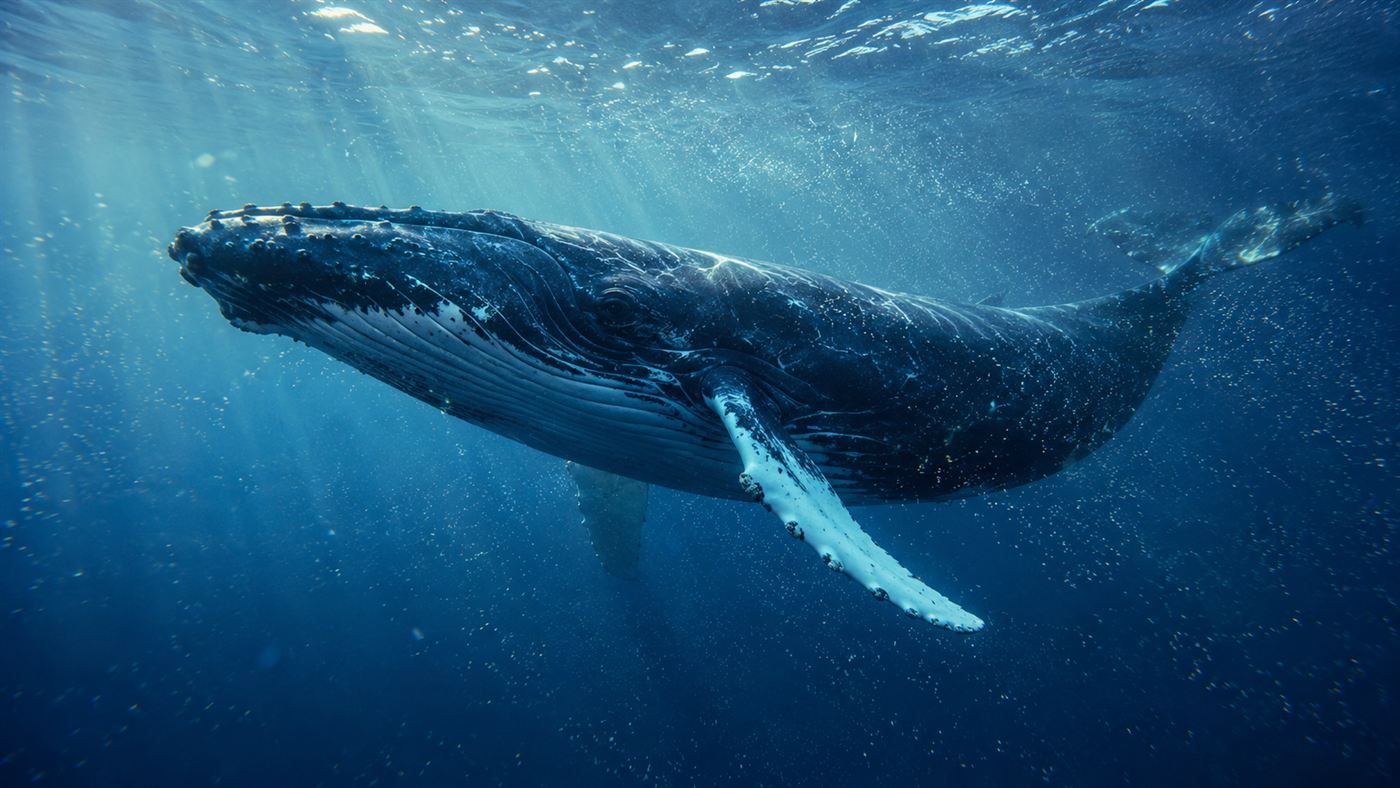
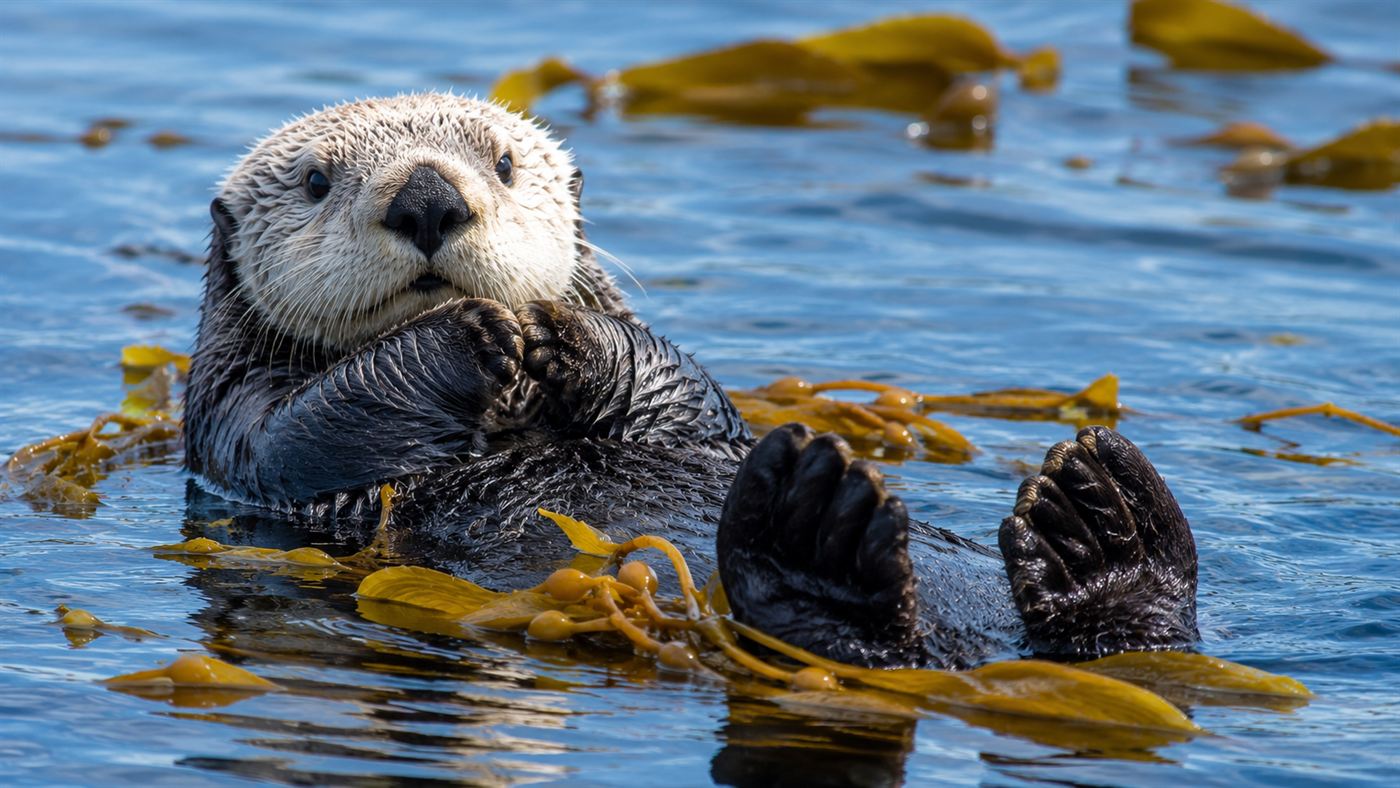
There is a thread of hope in the numbers, though. Through 2025, scientists logged no confirmed right whale deaths and only a single new entanglement injury with no gear attached, a quiet year that buys a little time. Whether that holds depends on choices being made right now in fishing co-ops and regulators' offices, the same kind of human decisions that, in other corners of the ocean, brought humpback whales back to the edge of New York Harbor and let sea otters rebuild the kelp forests that store carbon along the Pacific coast.
The rope that has fed fishing families for generations turns out to be the noose around the neck of the rarest great whale in the Atlantic, and a handful of fishermen are betting they can keep the catch and cut the rope at the same time. If saving the last right whales meant your seafood cost a little more, would you pay it? Tell us what you think in the comments.
Related reading: How a single cheap drug wiped out tens of millions of India's vultures in barely a decade.