A tropical butterfly that barely ages could hold clues to a longer, healthier old age
In June 2026, scientists reported something quietly astonishing about Heliconius butterflies: they live around three times longer than their closest relatives, and some barely seem to grow frail with age. Most butterflies are lucky to see a single month, yet a few of these can flutter on for the better part of a year.
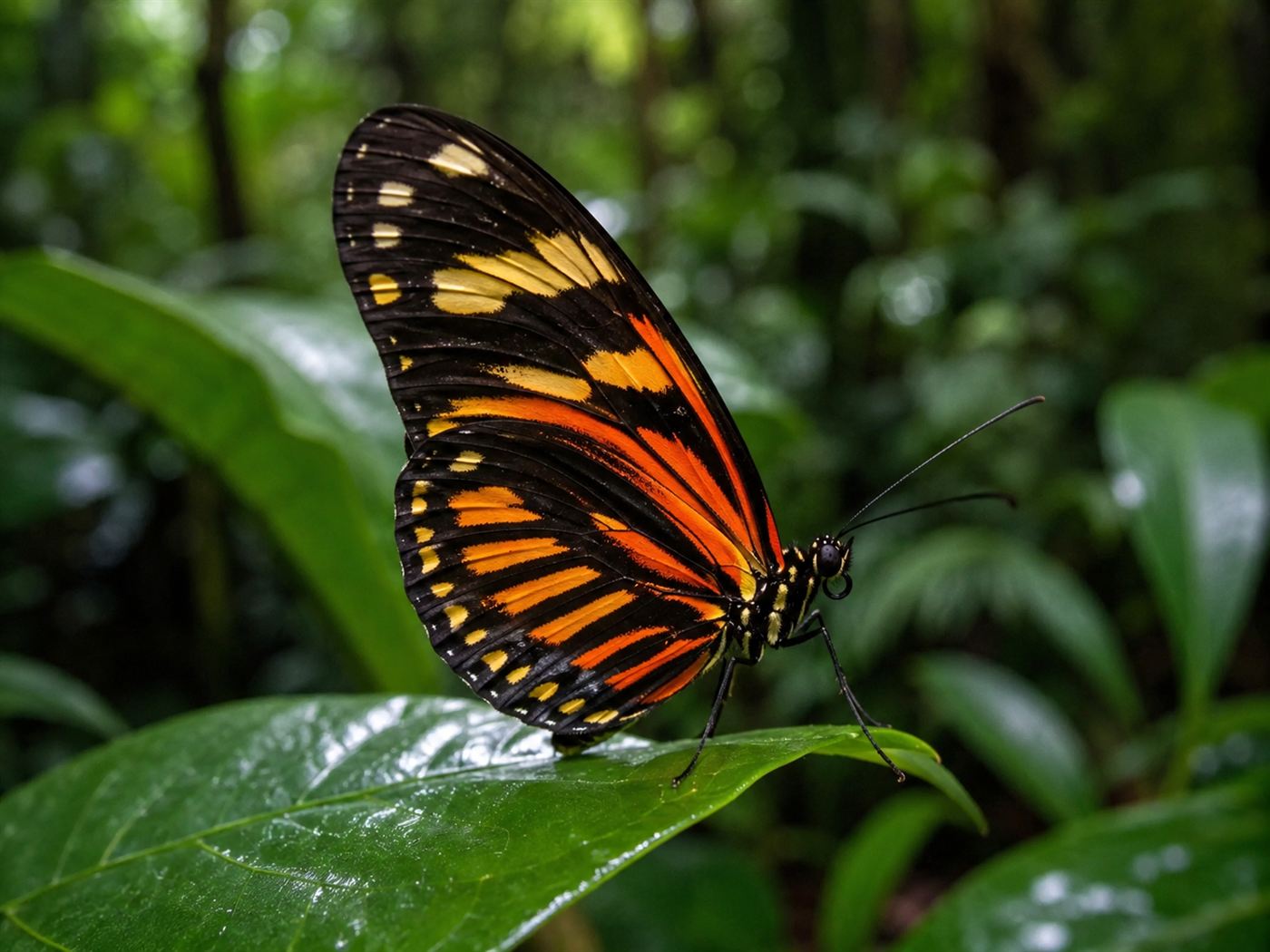
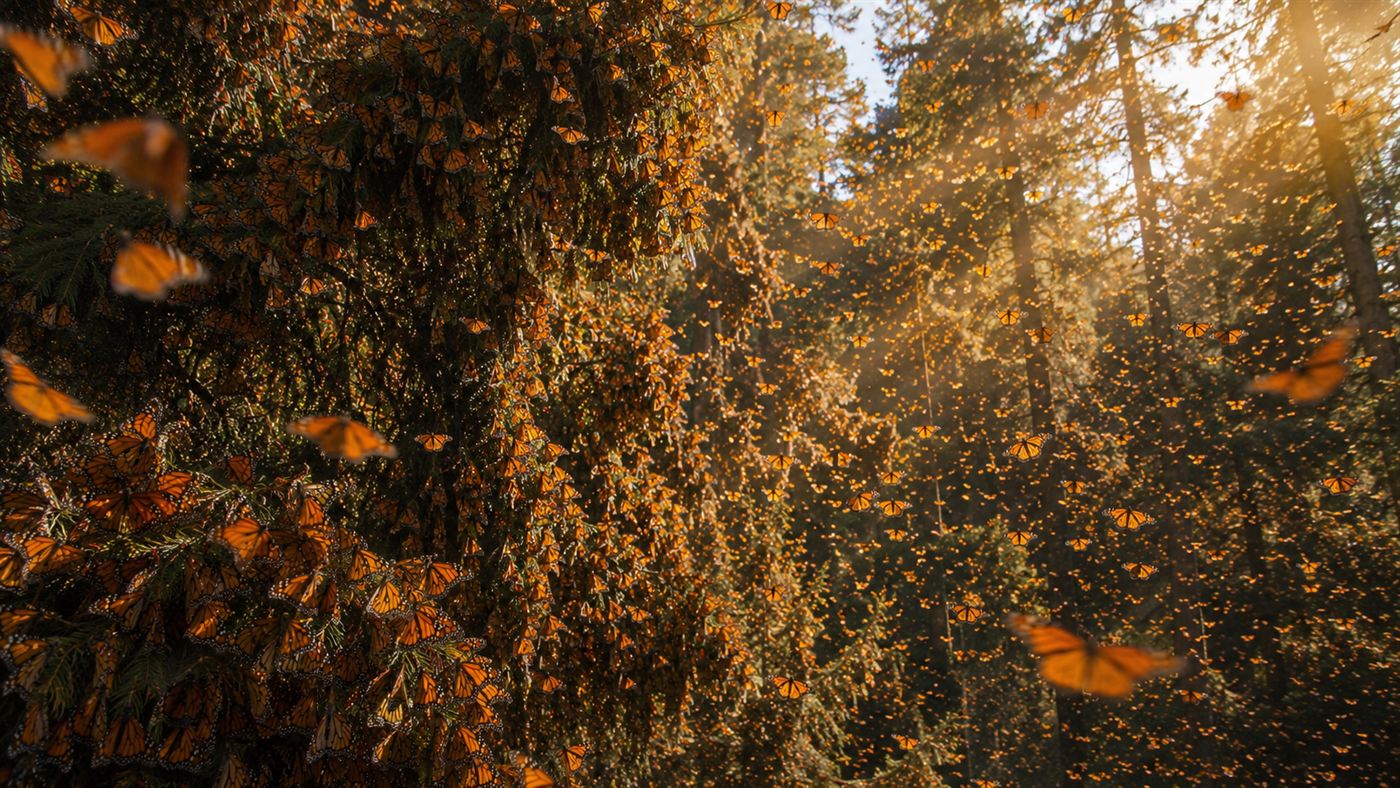
Small, bright and surprisingly durable, these tropical butterflies age far more slowly than their kin. Illustration: Watts & Wild.
On June 16, 2026, a team led by the University of Bristol, working with the Smithsonian Tropical Research Institute in Panama, published a study in the journal Nature Communications with a headline that sounds almost like a fairy tale. A group of small, showy jungle butterflies has evolved not just a longer lifespan than its relatives, but a slower kind of aging, holding onto its strength deep into what for an insect counts as advanced old age.
The numbers are startling. Most butterflies flit through the world for a few weeks and are gone. The species in this genus routinely last months, and in the most extreme comparison the researchers found one, Heliconius hewitsoni, living up to 348 days, against just 14 days for a related butterfly called Dione juno. That is a gap of roughly twenty-five to one between two cousins on the same family tree.
What makes the finding more than a curiosity is the second half of it. These butterflies do not just live longer, they seem to age better, and that is the part scientists find genuinely hard to explain.
What makes Heliconius butterflies special
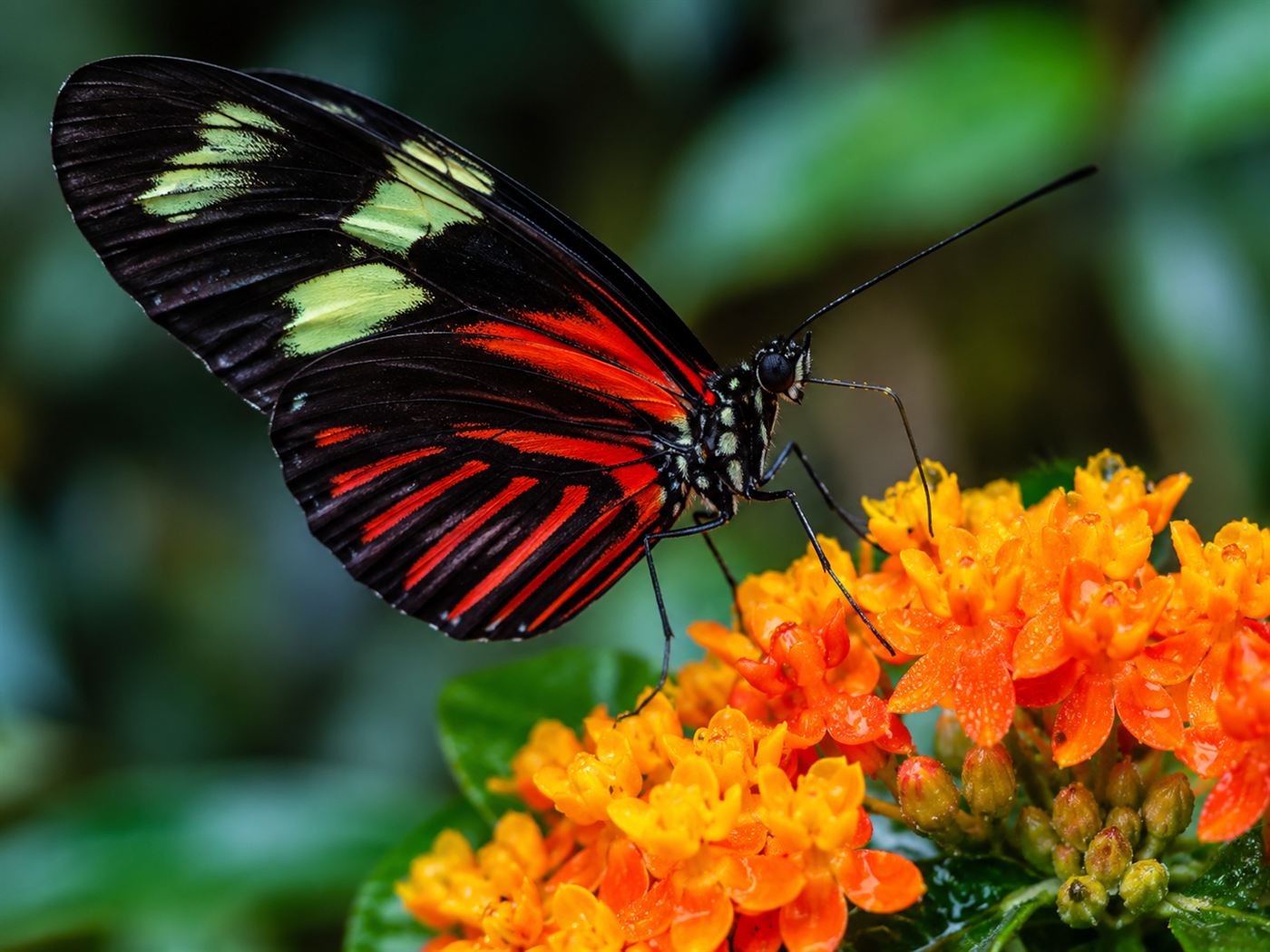
Heliconius are a genus of brightly coloured butterflies that live across the forests of Central and South America, famous among biologists for their bold warning patterns and their clever social behaviour. But their strangest trick is culinary. They are the only butterflies known to gather and digest pollen as adults, scraping it up from flowers and slowly dissolving it to release its nutrients.
That habit matters, because most adult butterflies live on sugary nectar alone, a quick hit of fuel with almost no protein. Pollen is different. It is rich in amino acids, the building blocks of protein, and a steady supply of it gives these insects a source of nourishment their nectar-only relatives simply do not have. For a long time, researchers assumed this pollen diet was the whole story behind their unusually long lifespan.
The grip test that surprised the scientists
To measure aging rather than just counting the days, the team needed a way to see whether an old butterfly was actually falling apart. They settled on something wonderfully simple: a grip-strength test, checking how firmly an insect could hold on as it got older, much as a doctor might test the grip of an elderly patient.
In one species, Heliconius hecale, the older individuals showed almost no decline at all. They kept a grip that never seemed to weaken, holding on as tightly in old age as in youth. A shorter-lived relative, Dryas iulia, told the opposite story, growing visibly weaker as it aged, exactly the pattern you would expect from an ordinary insect running down. Lead author Dr Jessica Foley described the animals as having evolved not only longer lives but slower aging, which is the rarer and more interesting feat.
It is a humbling image. An insect you could balance on a fingertip appears to be doing something with its body that humans, for all our medicine, still cannot: reaching old age without falling apart.
Is the secret really just pollen?
Here is where the study takes its most interesting turn. If the pollen diet were the whole explanation, then taking the pollen away should erase the advantage. So the researchers tried exactly that, raising Heliconius hecale without their usual pollen and watching what happened.
The butterflies still lived far longer than their short-lived cousins. Diet helped, but it was clearly not the entire answer. Something deeper, written into the genes and the biology of these insects, is keeping them going, and the pollen habit sits on top of that foundation rather than being the foundation itself. In other words, evolution seems to have rebuilt the animal from the inside, then handed it a better diet as a bonus.
So could a butterfly teach us about human aging?
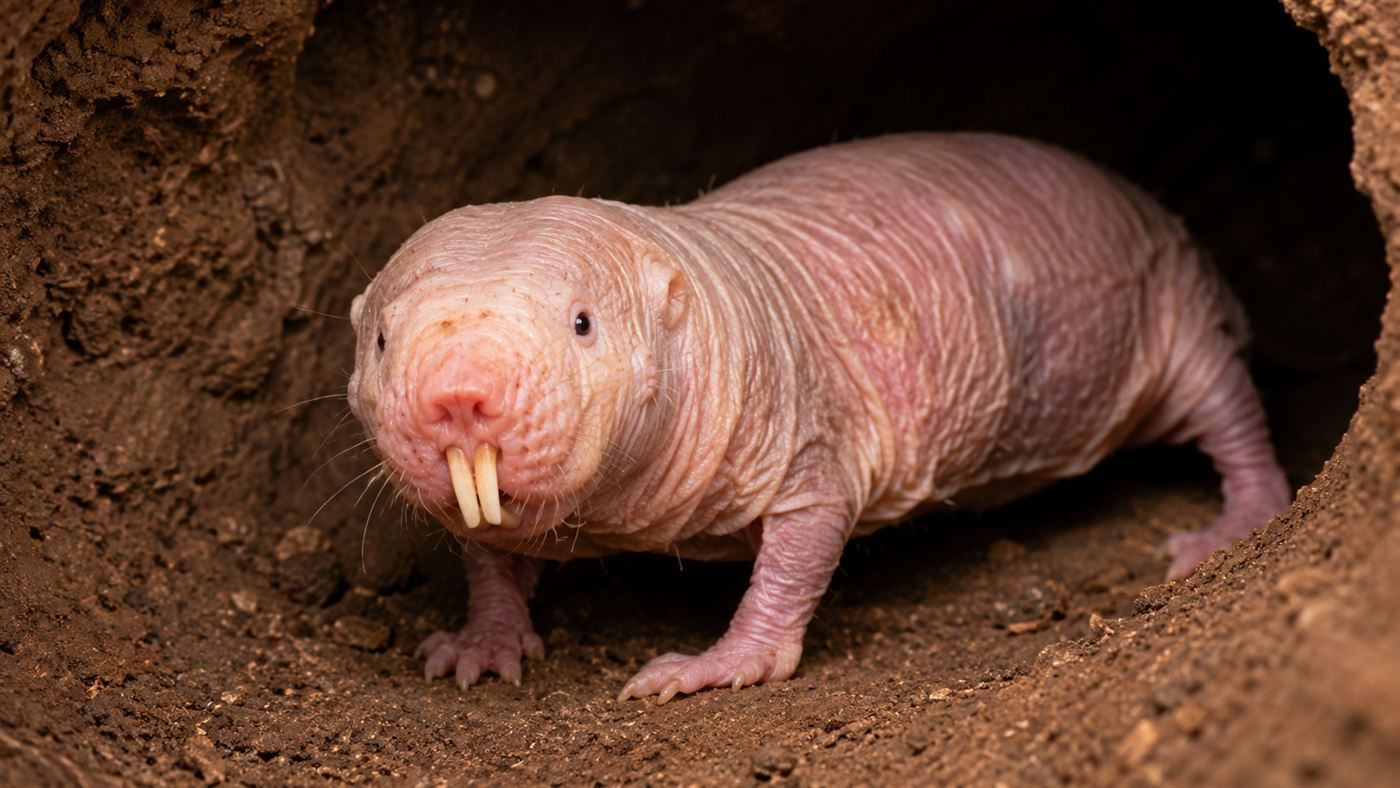
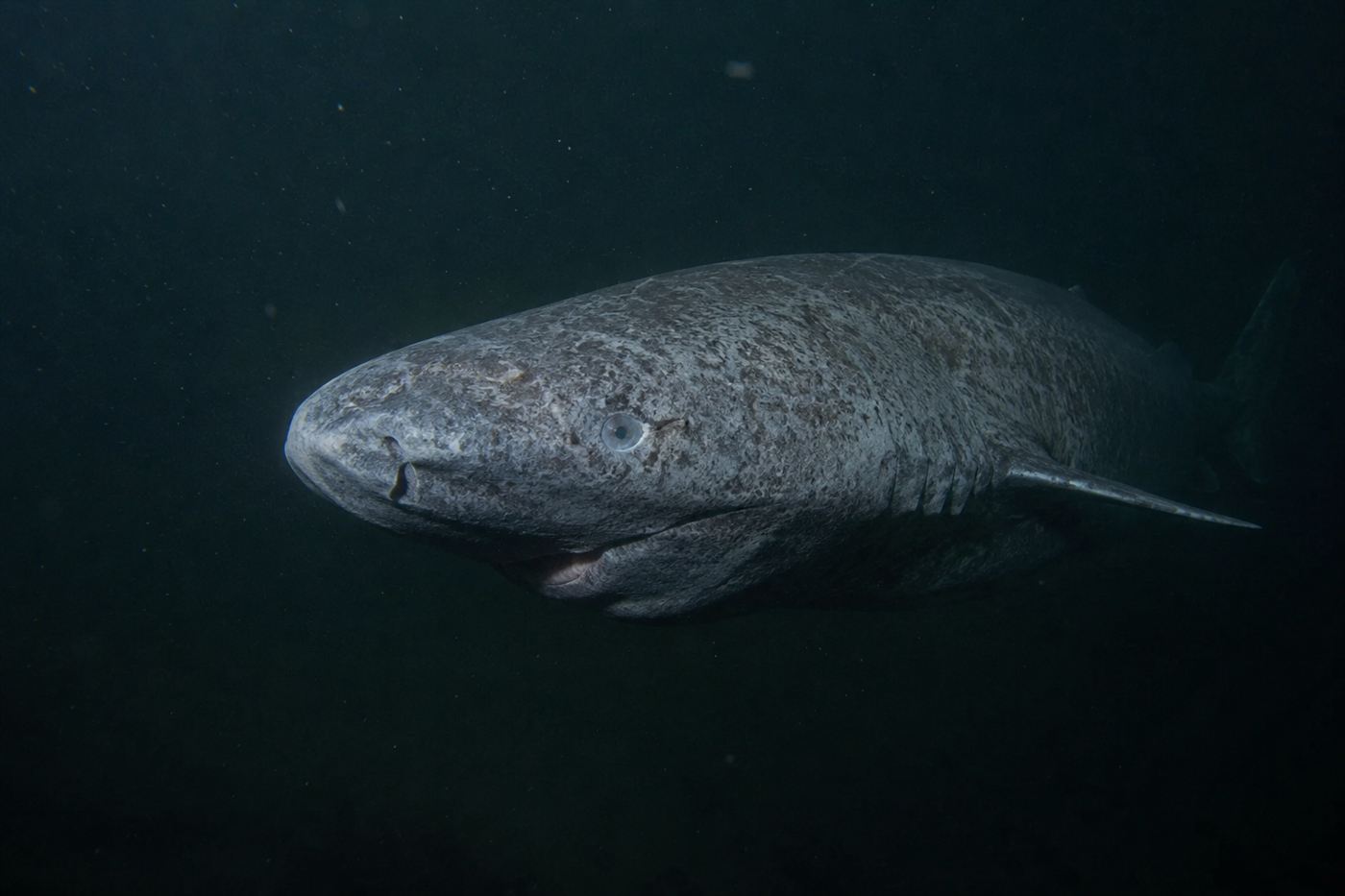
This is the question that makes the work travel far beyond entomology. The reason scientists chase long-lived animals at all, from the naked mole-rat to the Greenland shark, is that each one is a natural experiment in how to hold off the wear and tear that eventually grinds most bodies down. If evolution has found a way to keep a butterfly spry into old age, the machinery behind it might rhyme, faintly, with our own.
Insects and people are separated by hundreds of millions of years, so no one is suggesting a butterfly holds a pill for human longevity. But the genes that govern how cells repair themselves, handle stress and manage energy are ancient and widely shared. Studying a lineage that has quietly solved part of the aging problem could point researchers toward the biology that matters most, the same battered machinery that wears the rest of us down over a lifetime.
The honest catch
The tempting version of this story is the miracle-cure one: a jewel-bright butterfly that has beaten old age and might hand us the secret. It is worth slowing down before we get there. What the scientists actually showed is that one small group of insects lives long and stays strong, and that its diet is only part of the reason. That is a beautiful and real result, but it is a long way from a treatment.
The distance between a butterfly holding nearly a full year on the wing and a human being living better into their nineties is vast, and paved with biology we barely understand. The honest takeaway is gentler and, in its own way, more hopeful. Nature keeps stumbling onto ways to age slowly, and every creature that manages it is another clue. The butterfly has not solved old age for us. It has simply shown, once again, that the problem is not unsolvable.
Sources: Nature Communications study on Heliconius longevity, Phys.org, and Discover Magazine.
A butterfly the weight of a feather is quietly aging better than we do, and no one fully knows how. Would you volunteer to test a longevity idea drawn from an insect, if scientists ever found one? Tell us what you think in the comments.
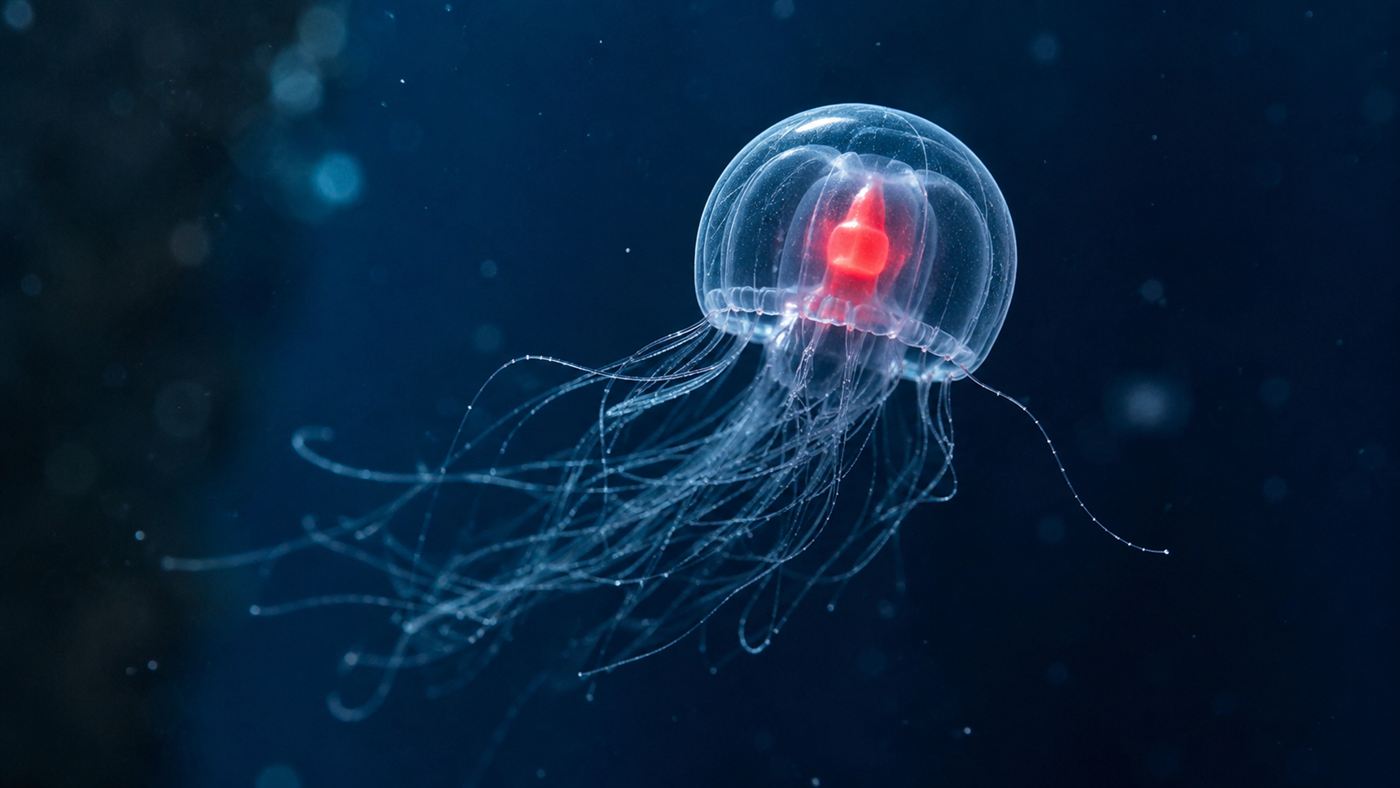
Related reading: the naked mole-rat, a wrinkled rodent that barely ages and rarely gets cancer. See also the jellyfish that can wind its own life cycle backward, and the Greenland shark, which may live for four centuries. See also why a 2026 study found that aging muscle slows its own healing on purpose.