A motorway bridge in Genoa stood for 51 years, then fell in seconds and killed 43 people in a rainstorm
For half a century, drivers crossed the Morandi Bridge in Genoa without a second thought, a great concrete giant carrying the motorway high over the city. On a stormy August morning in 2018, a whole section of it simply let go and fell into the valley below, taking cars, trucks, and 43 lives with it. The most frightening part is that people had been warning about it for years.
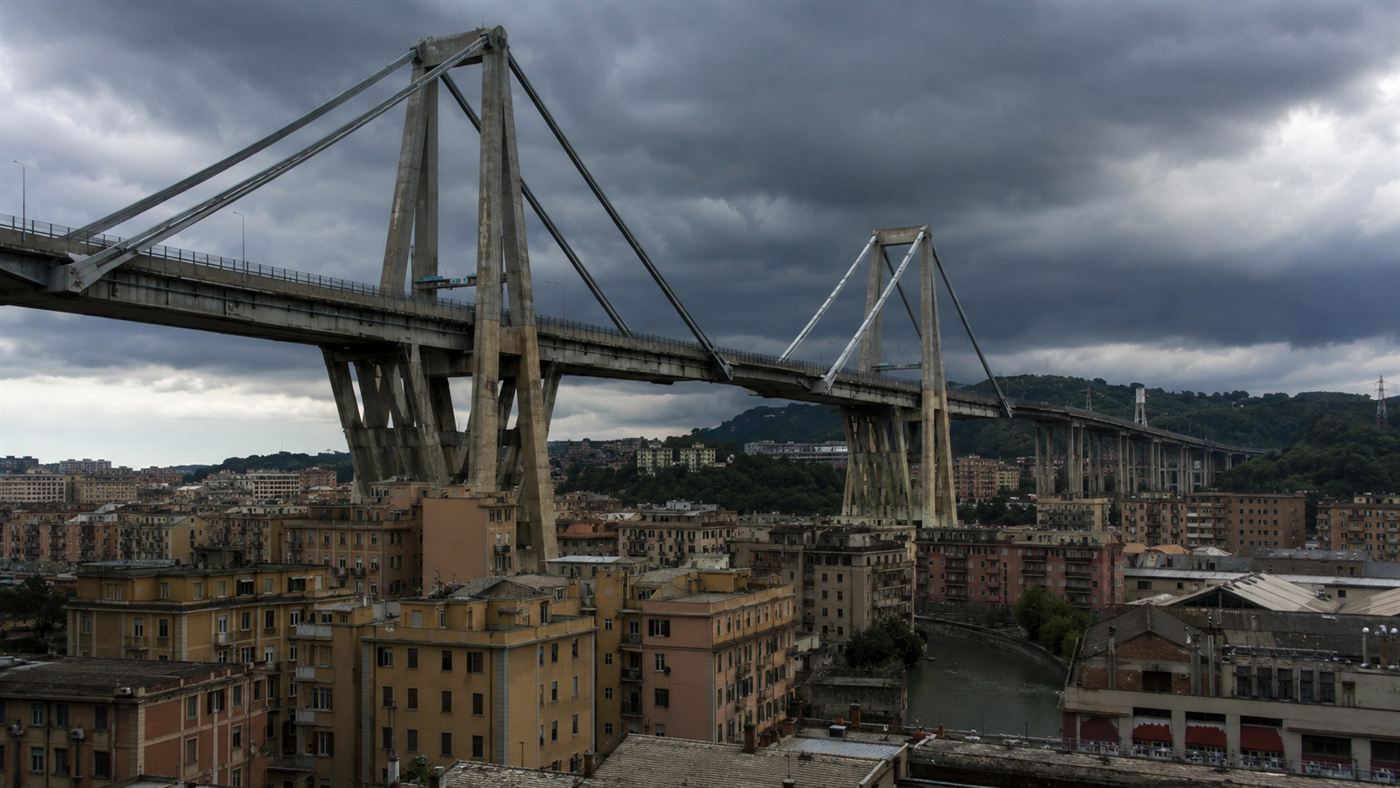
The Morandi Bridge towering over Genoa, a familiar sight for 51 years. Illustration: Watts & Wild.
The bridge officially carried the name of its designer, the Italian engineer Riccardo Morandi, who built it between 1963 and 1967. It was a bold, unusual design for its time, a cable-stayed bridge where the cables holding up the deck were wrapped in concrete rather than left as bare steel. That single choice, meant to protect the cables, would turn out to be its fatal flaw.
On 14 August 2018, in heavy rain, a roughly 210-meter stretch of the viaduct, including one of its towers, collapsed and fell around 45 meters into the riverbed and rail yards below. It happened in seconds. Thirty vehicles went down with the deck, and 43 people were killed. A city watched a piece of its everyday landscape become a graveyard.
Why the Morandi Bridge fell
The concrete that was supposed to shield the steel cables did the opposite. Over decades it cracked, and once water and salty coastal air reached the steel inside, the cables began to rust from within, hidden from view. Engineers could not easily see the damage, because the very thing eating the bridge was sealed inside the structure that was supposed to be holding it up.
What makes it worse is that this was not a total surprise. Morandi himself had written about the corrosion risk back in the 1980s, and in the years before the collapse there were repeated concerns about the bridge's condition and the cost of properly fixing it. The warnings existed; the decisive action did not arrive in time. After the disaster, dozens of people, including bridge operators and officials, were put on trial over what went wrong.
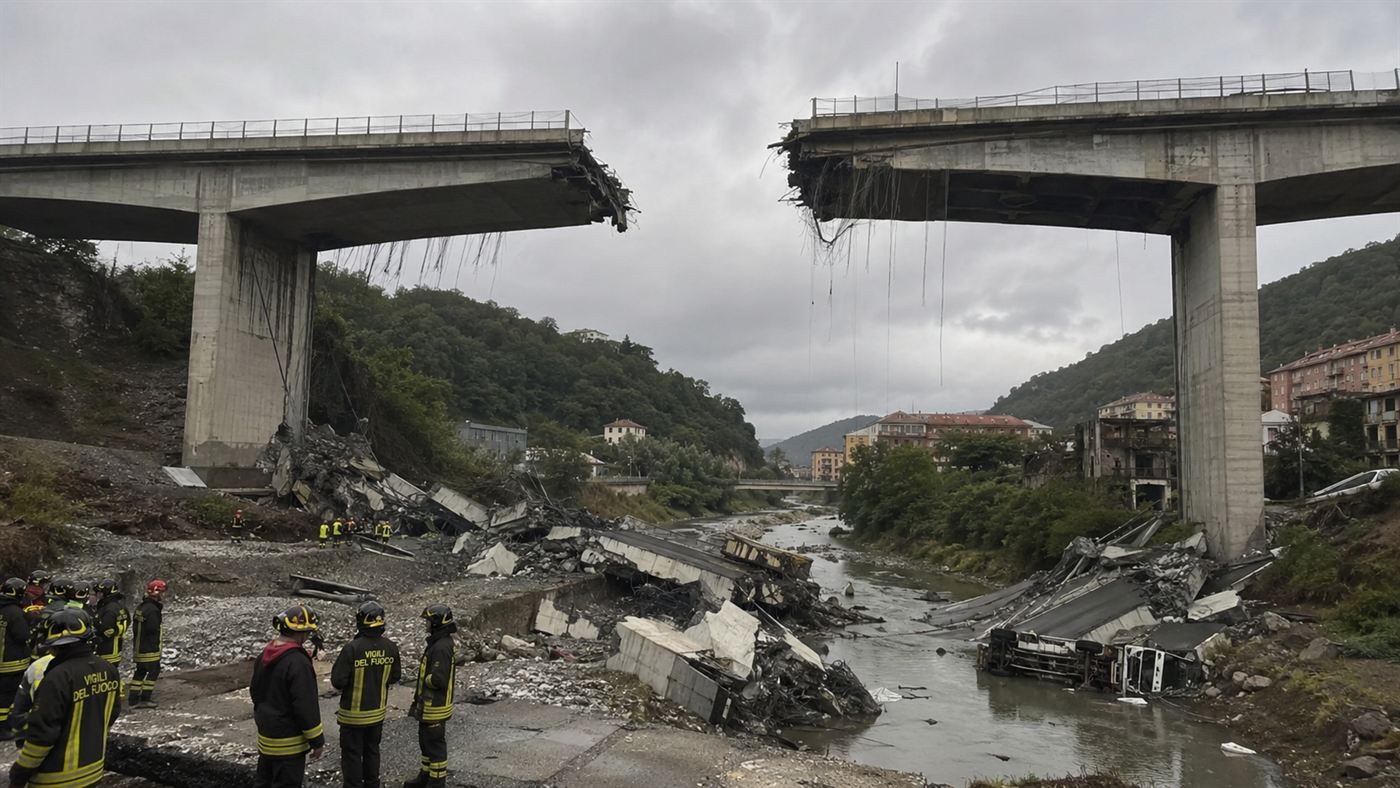
A wound through the middle of a city
Genoa is squeezed between mountains and sea, and the Morandi Bridge was not a scenic bypass, it was a vital artery threaded right through the built-up city. When it fell, it did not just kill the people on it. It severed one of the main routes through a major Italian port, split neighborhoods, and forced hundreds of residents living beneath the ruined spans to abandon their homes.
The grief was immediate and national. But so was a stubborn Italian determination that the hole in the city would not be allowed to stand as a monument to failure. Almost at once, the conversation turned from mourning to rebuilding, and to a question of pride: how fast, and how well, could Genoa answer this.
Renzo Piano's 420-day bridge
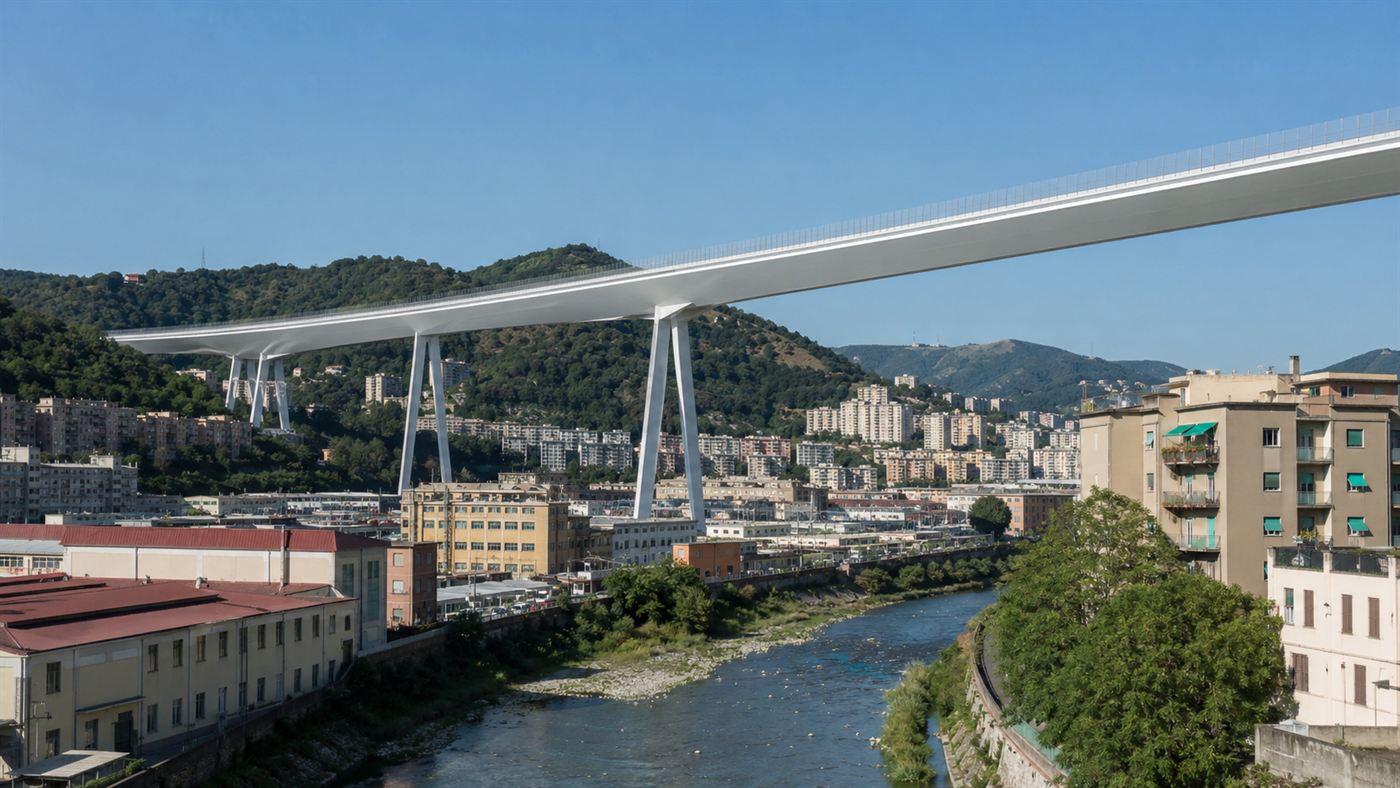
The answer came from the city's most famous son. Renzo Piano, the architect behind the Pompidou Centre in Paris and The Shard in London, was born in Genoa, and he offered his home city a design for a new bridge essentially as a gift. He drew something deliberately calm and plain after the trauma, a slender steel deck shaped, he said, like the hull of a ship, a nod to Genoa's life as a port.
Then came the truly astonishing part. Working around the clock, crews built the entire replacement, the Genoa-Saint George Bridge, in just 420 days from the first pier to completion, and it opened in August 2020, almost exactly two years after the collapse. Piano designed it to carry 43 lamps, one glowing for each person who died, so that the bridge itself would remember them every night.
The honest catch
It is tempting to wrap this up as a triumph, tragedy answered by a beautiful new bridge in record time. That is real, and Genoa earned it. But the speed also carries an uncomfortable question: if a nation can build a safe new bridge in 420 days when it truly decides to, why could it not find the will and money to properly repair the old one before it killed anyone?
That is the real lesson of the Morandi Bridge, and it reaches far beyond Italy. All over the world, aging concrete bridges built in the same postwar boom are quietly rusting, their damage often hidden from easy view. Genoa is the reminder that maintenance is not the boring part of engineering. It is the part that decides who comes home, and the warnings are usually there long before the collapse.
A bridge that stood for 51 years fell in seconds after decades of warnings, and its replacement rose in just 420 days. How many aging bridges near you are quietly rusting from the inside while everyone assumes they are fine? Tell us what you think in the comments.
Related reading: The suspension bridge that twisted itself apart in the wind, caught forever on film. See also how a blacked-out cargo ship dropped Baltimore's Key Bridge in seconds.
More from Watts & Wild
More in Industry & Mega-Builds →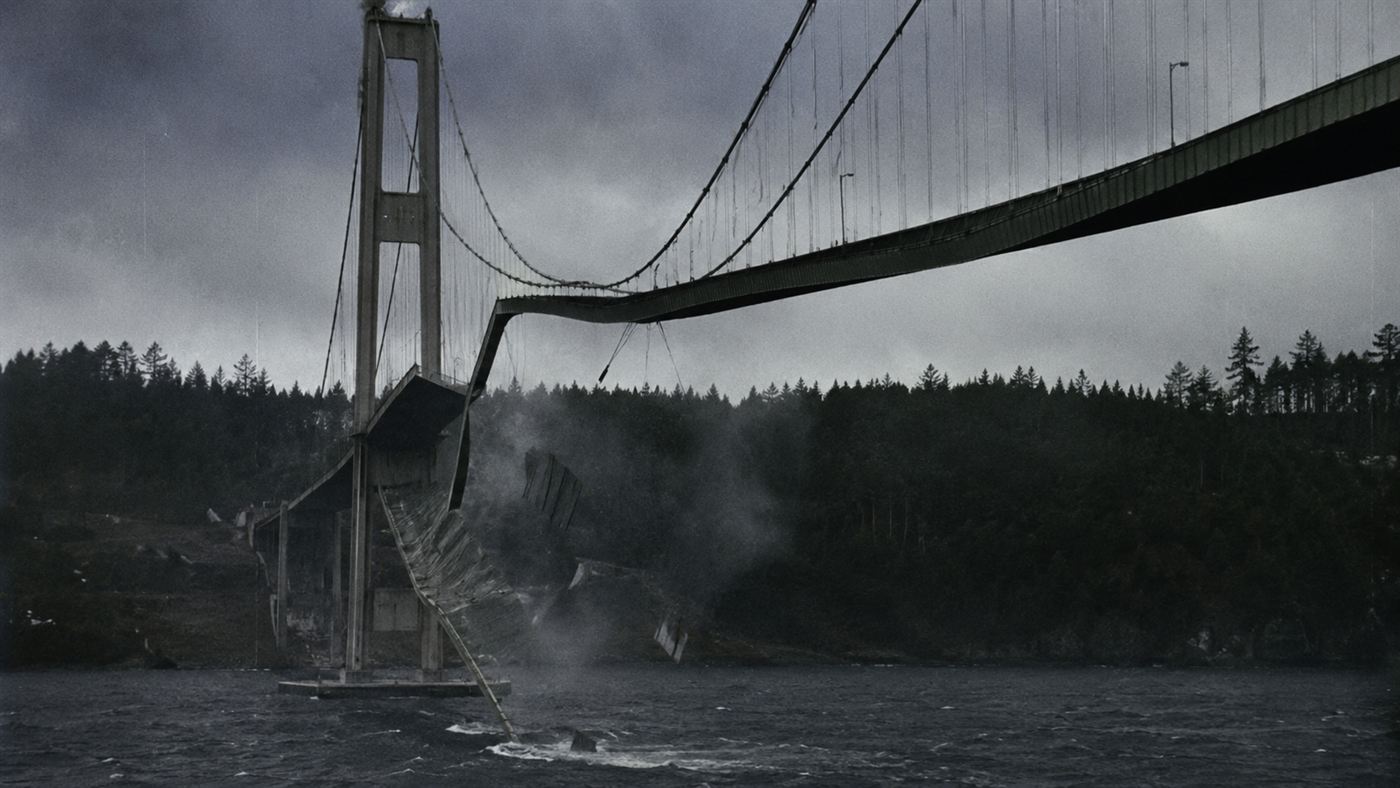

Maria Heloisa Barbosa Borges covers heavy industry, mega-builds, and the places where engineering meets the natural world for Watts & Wild.