They paid millions for condos in the sky, then watched their luxury tower sink 18 inches and lean toward the street
When it opened in 2009, the Millennium Tower was the address in San Francisco, a glass spire full of penthouses bought by tech money and at least one football legend. Then residents noticed marbles rolling across their floors and cracks creeping through the basement. Their brand-new luxury tower was quietly burrowing into the ground and tipping over the city.
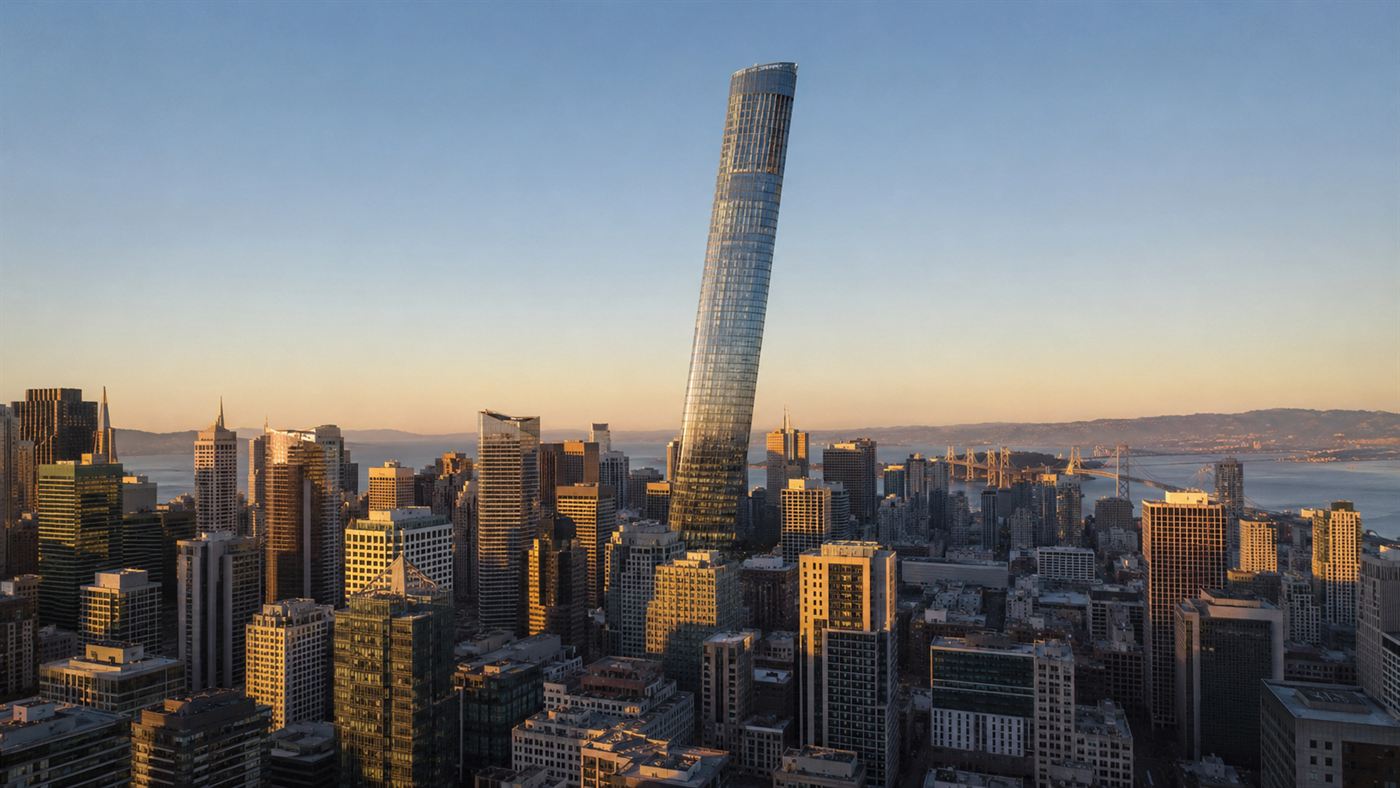
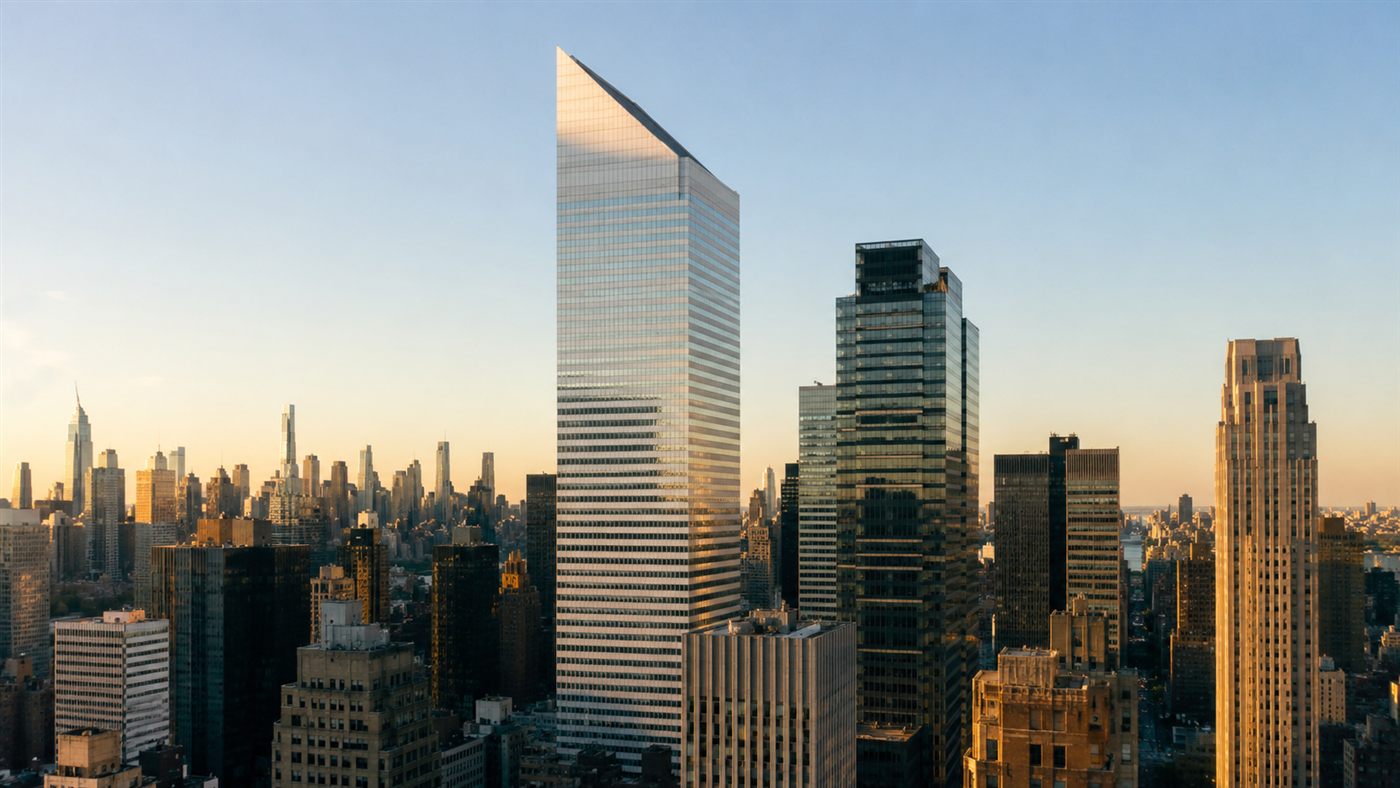
The Millennium Tower stands 58 stories over San Francisco, and it has been settling ever since it opened. Illustration: Watts & Wild.
The Millennium Tower is 58 stories and 645 feet of concrete and glass, and for a while it was the most glamorous residential building in the city. Joe Montana lived there. So did venture capitalists and executives who paid seven and eight figures for a view. What none of them were told, when they signed, was that the whole structure had already started to sink.
By 2016 the problem was impossible to ignore. Surveys showed the building had settled around 16 inches into the ground and was leaning several inches off vertical, with the tilt growing every year. For a skyscraper full of people, in an earthquake city, those are not numbers you shrug at. The question everyone wanted answered was simple and alarming: how does a brand-new tower start sinking?
Why the Millennium Tower started sinking
The answer is buried in the ground beneath it. Downtown San Francisco sits on a deep layer of soft mud and sand, and the truly solid bedrock is roughly 200 feet down. The tower was not anchored to it. Instead its foundation rested on a thick concrete slab held up by piles driven only about 60 to 90 feet into dense sand, a design the builders judged strong enough for the load.
It was not. The sheer weight of all that concrete slowly squeezed the ground underneath, and the building sank into it like a boot pressing into wet clay. Because the soil gave way unevenly, the tower did not drop straight down. It leaned, and the lean fed on itself, the heavy top drifting further off-center year after year until the corner had moved more than two feet.
The resident who would not let it go
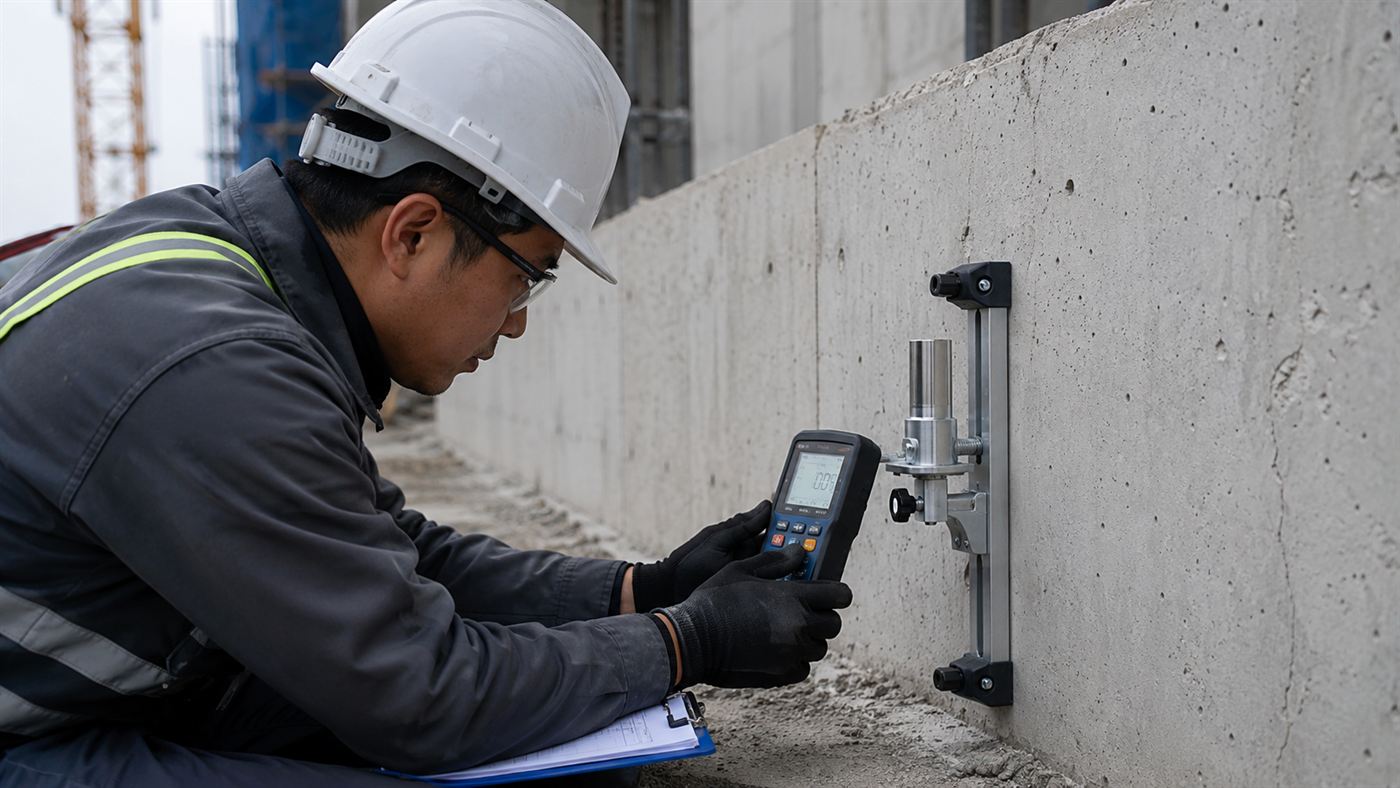
The story might have stayed buried in engineering reports if not for the people living inside it. One of them, a resident who happened to be trained as an engineer and a lawyer, turned himself into the tower's unofficial watchdog, tracking the tilt, pushing for answers, and refusing to accept the reassurances that everything was fine. The building's own owners became its most relentless investigators.
Their pressure turned a quiet technical embarrassment into a very loud, very expensive fight. Lawsuits flew between the homeowners, the developer, and the neighboring transit agency whose deep excavation next door was blamed by some for making the settling worse. In the end a global settlement worth more than 100 million dollars was assembled to pay for a fix, without anyone fully agreeing on whose fault it was.
The fix that made it worse before it helped
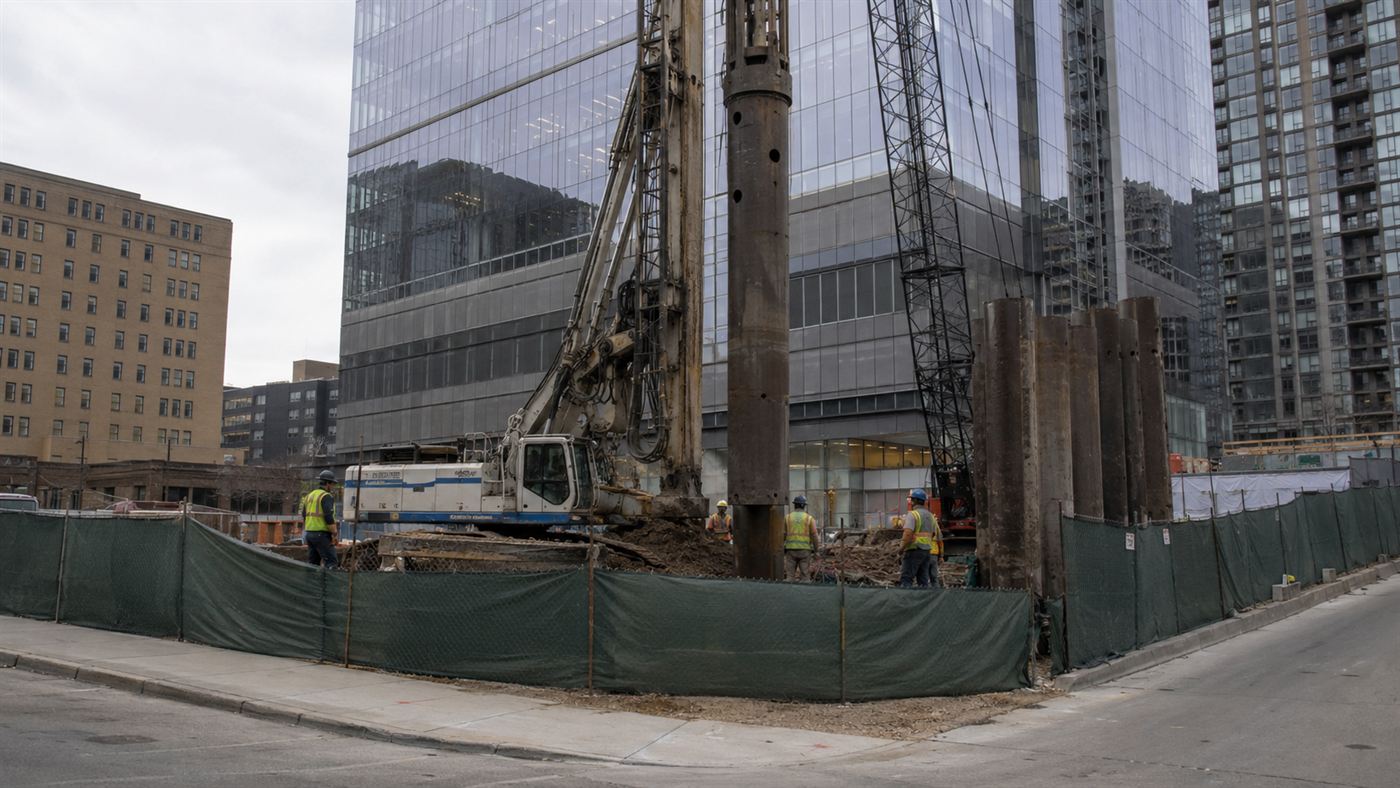
The repair had a plain name, the perimeter pile upgrade, and a nerve-racking execution. The plan, led by structural engineer Ron Hamburger, was to drill a row of new piles down to the real bedrock along the two sides where the tower leaned most, and let them take the load the sand never could. On paper it was elegant. In practice it went wrong at once.
When crews began drilling in 2021, the disturbance to the ground did the opposite of what everyone wanted: the tower started tilting faster, not slower, and the work was hastily paused. It was the nightmare scenario, a rescue that was accelerating the disaster. Engineers went back, redesigned the scheme around fewer piles, just 18 instead of the original 52, and restarted with far more caution.
Did the repair actually work?
The scaled-back version, finished in 2023, mostly did its job. It stopped the runaway lean at the corner and even pulled the tower back toward vertical by around an inch, the first time in the building's life that the tilt had ever gone the right way. After more than a decade of bad news, that inch felt like a genuine victory.
But it is not a fairy-tale ending. The building has straightened far less than the models predicted, only about a quarter of the hoped-for correction, and monitoring in 2024 suggested it may still be settling gently in the middle. The tower is stable and safe to live in, engineers insist, yet it will never stand perfectly straight again. It simply leans a little less than it used to.
The honest catch
It is easy to read this as a story about greed, rich owners in a vanity tower getting what they paid for. That misses the real lesson. The Millennium Tower was signed off by respected firms and city inspectors who all believed the foundation was adequate, and the ground proved them wrong by a margin no one had budgeted for. It was a failure of assumptions, not of villains.
That is exactly why it still matters. Cities everywhere are building taller on softer ground, from reclaimed waterfronts to old riverbeds, and the Millennium Tower is the expensive reminder of what happens when you trust the dirt too much. Sometimes the hardest part of a skyscraper is not the part you can see. It is the few hundred feet of mud and sand holding the whole thing up.
A gleaming luxury tower sank into the ground, leaned over the city, and only stopped after a fix that first made it worse. Would you buy a home near the top of a building that leans a little more every year? Tell us what you think in the comments.
Related reading: Japan built an airport on an artificial island, and it has been sinking into the sea ever since.
More from Watts & Wild
More in Industry & Mega-Builds →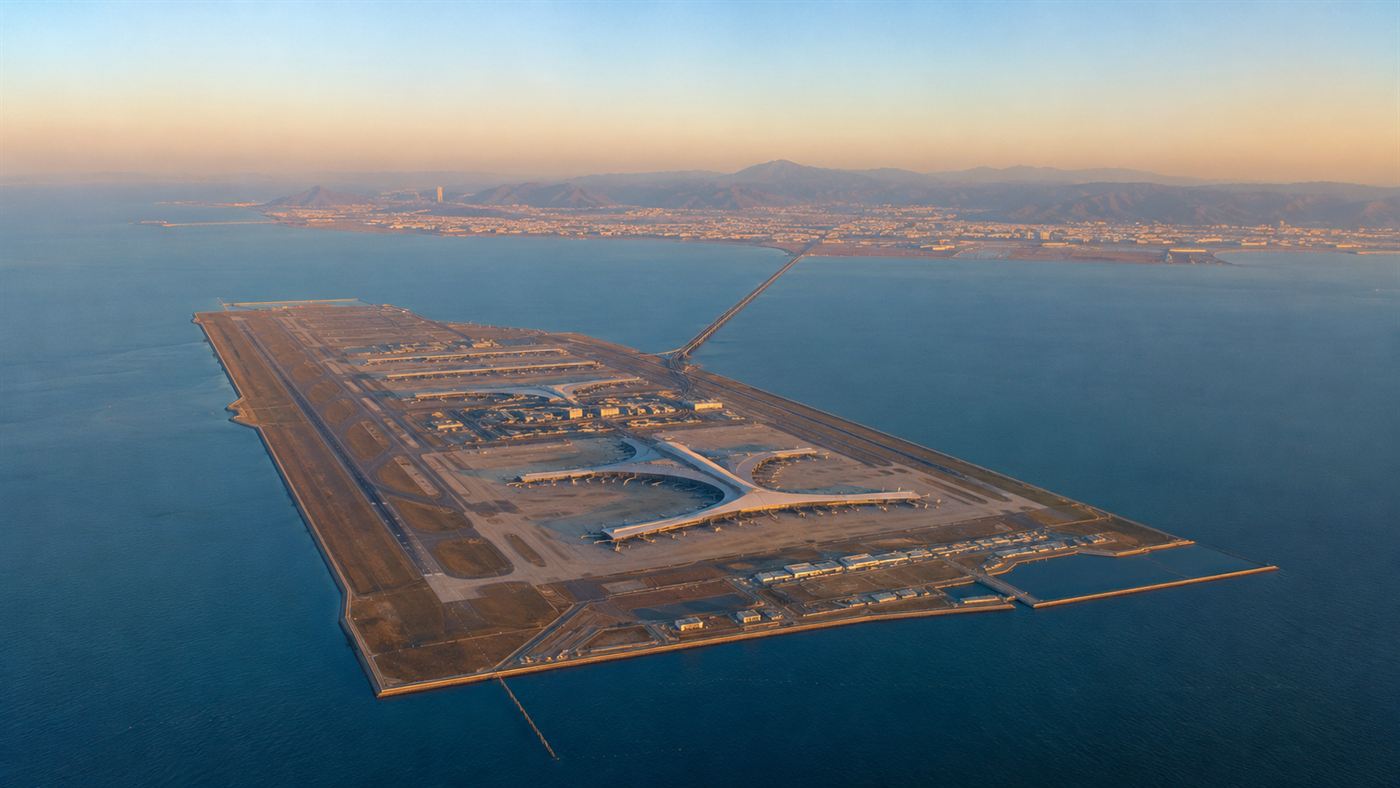

Bruno writes about energy history, industrial disasters, and the people who shaped the technologies we take for granted. He is based in Brazil.