A bomber flew straight into the Empire State Building in 1945, and the most astonishing thing is that the tower barely flinched and a woman survived a 75-floor fall
On a foggy Saturday near the end of the Second World War, a military plane slammed into the most famous skyscraper on Earth. Fourteen people died, fire poured down the upper floors, and yet the Empire State Building stood as if nothing much had happened. Stranger still, a 19-year-old elevator operator rode a falling lift 75 storeys to the basement and lived.
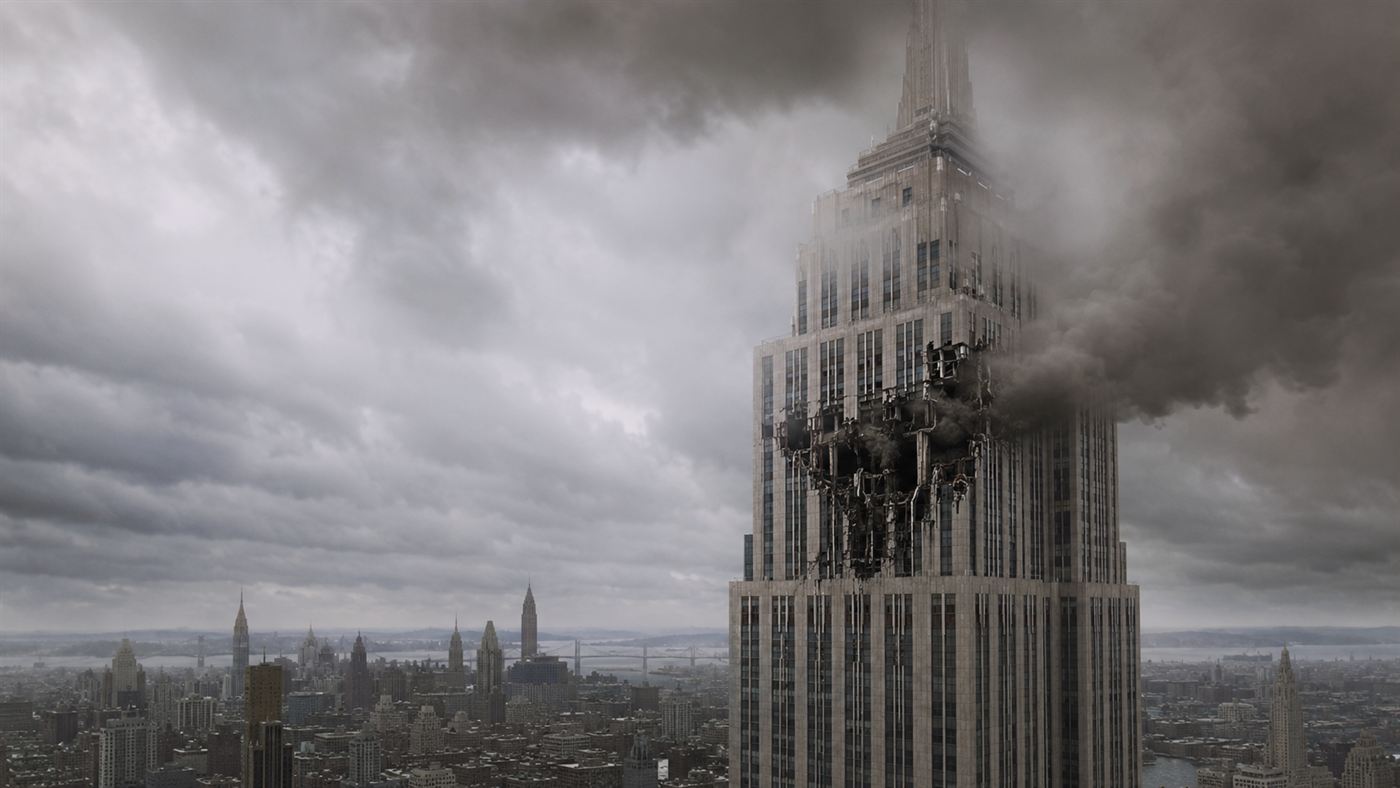
Smoke pours from the gash near the 79th floor after the 1945 collision. Illustration: Watts & Wild.
We tend to think of a plane hitting a skyscraper as a uniquely modern nightmare, but it happened once before, by accident, decades earlier. On 28 July 1945, with the war in Europe just over and Japan close to surrender, the Empire State Building took a direct hit from an aircraft and shrugged it off. The story is half disaster and half a quiet advertisement for how well the thing was built.
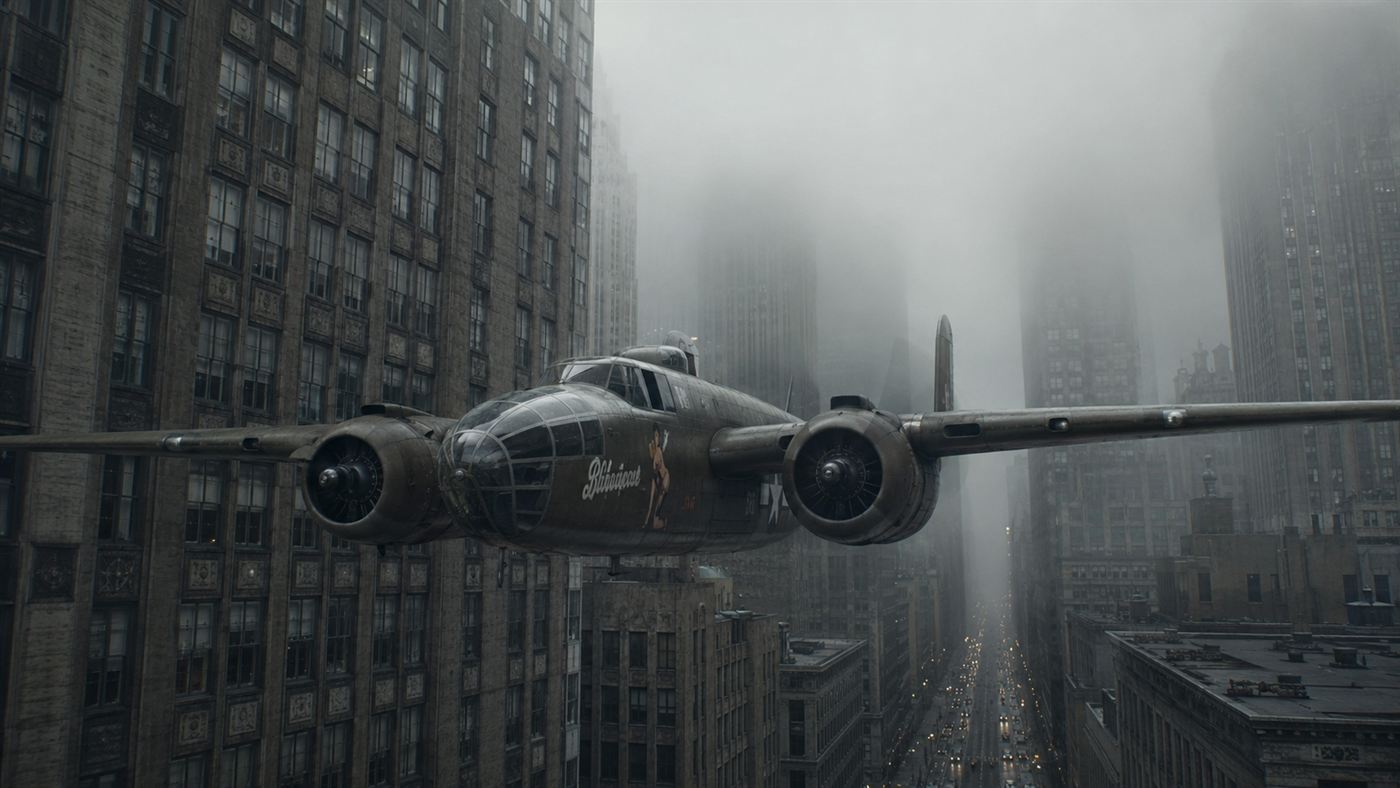
The aircraft was a B-25 Mitchell, a twin-engined US Army bomber being flown from Massachusetts to New York that morning. Lieutenant Colonel William Smith, an experienced pilot, ran into thick low cloud over Manhattan and found himself threading between skyscrapers he could barely see. Warned that visibility was dangerous, as History.com recounts, he pressed on toward Newark, and the fog made the decision fatal.
How a bomber hit the Empire State Building
Lost in the murk, Smith dropped low and suddenly found the city's towers looming around him. As Wikipedia records, the bomber flew straight into the north face of the Empire State Building, striking between the 78th and 80th floors at around 200 miles per hour. It was about a quarter to ten on a Saturday, which is the only reason the offices were not packed.
The impact tore a hole roughly five metres wide in the side of the tower and sent burning aviation fuel cascading through the upper floors. One engine ripped clean through the building and out the far side, falling onto a neighbouring roof, while the other plunged down an elevator shaft. Fourteen people were killed, the three men aboard the plane and eleven workers in the building, most of them in a Catholic war relief office that took the brunt of the fire.
The woman who fell 75 floors and lived
The most extraordinary thread of the day belongs to Betty Lou Oliver, a 19-year-old elevator operator. The crash threw her from her post and left her badly burned, and rescuers placed her in another lift to carry her down to safety. What no one realised was that the falling engine and the impact had weakened that elevator's cables.
As the car descended, the damaged cables gave way and it dropped down the shaft, plunging roughly 75 floors to the basement. By every expectation she should have died. Instead, a coil of severed cable piling up beneath the car and a cushion of air compressed in the shaft slowed the fall just enough. As Britannica notes, Oliver survived with a broken pelvis, back and neck, and her plunge is still recognised as the longest survived elevator fall on record.
Why the skyscraper barely noticed
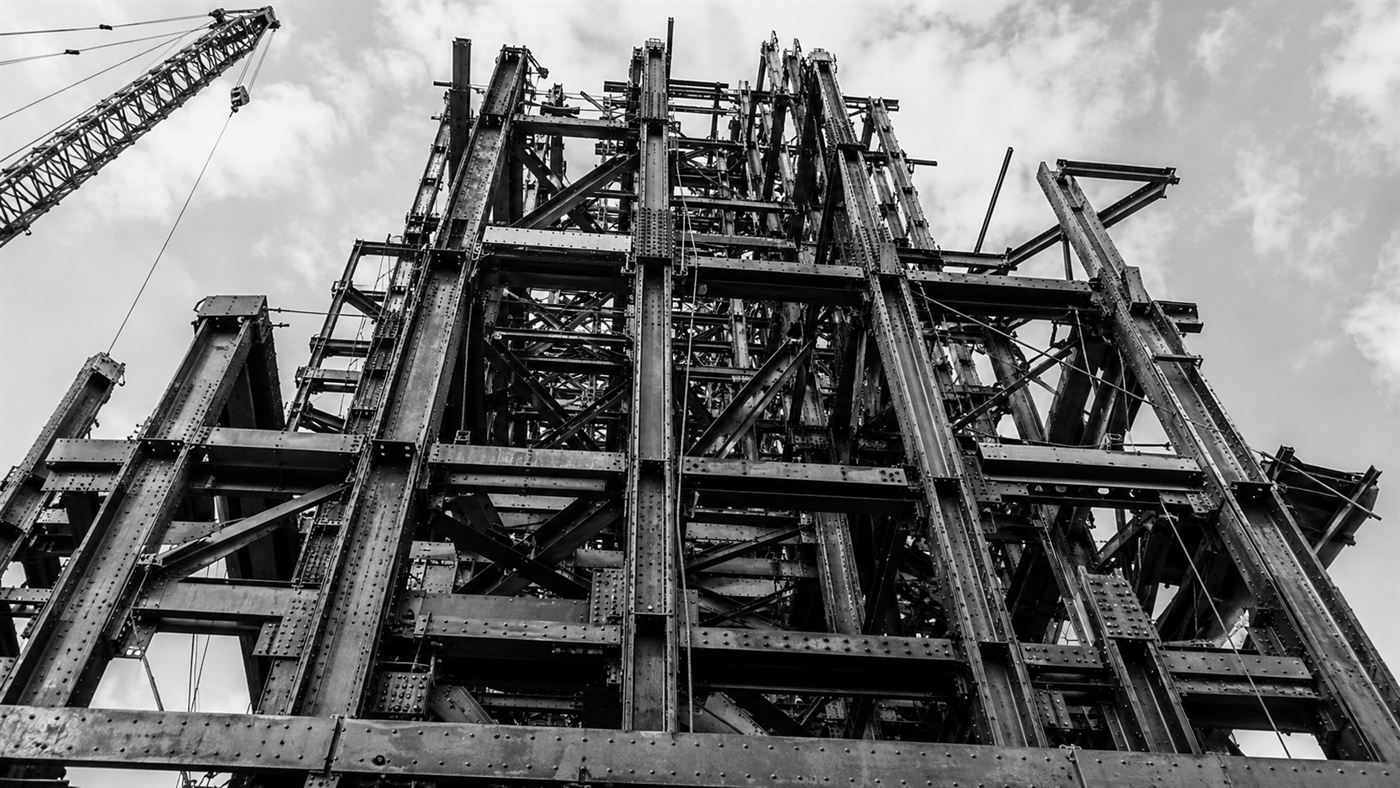
For all the horror, the building itself came through almost untouched in any structural sense. The steel frame absorbed the blow of a multi-tonne bomber without so much as a wobble in its core, and offices on most floors were open for business again the following Monday. For a skyscraper barely 14 years old, it was a brutal but convincing stress test.
That resilience was no accident. The Empire State Building had been designed with a dense steel skeleton and heavy safety margins, the kind of overbuilding that looks wasteful until the day something flies into you. The contrast with later events is what makes people uneasy, but engineers point out that a slow wartime bomber carries a fraction of the fuel and mass of a modern airliner, so the comparison only goes so far.
The honest catch
It would be wrong to wrap this up as a tidy tale of triumph, because fourteen people still died, several of them burned to death at their desks on an ordinary working morning. The survival of the building and of Betty Lou Oliver should not soften the fact that the crash was a preventable tragedy, caused by a pilot continuing into fog he had been warned about.
Oliver's survival, too, owed as much to luck as to engineering. The pile of cable and the trapped air in the shaft happened to break her fall, a fluke that no elevator was designed to provide. The accident did push regulators to tighten rules about flying over cities in bad weather, but the lesson people remember is the wrong one if it is only that skyscrapers are indestructible. They are not; this one was simply very well made and very fortunate in its timing.
Why a wartime accident still grips us
The 1945 crash sits in a strange corner of history, overshadowed at the time by the end of a world war and revived in memory by far worse events long after. Yet it remains one of the most remarkable survival stories of the century, a day when a bomber hit the tallest building in the world and the building, and one teenager, refused to fall.
It is a reminder that the structures we live and work inside are quietly engineered for catastrophes we hope never come. The Empire State Building has carried the scar lightly for eight decades, and most of the millions who visit it never know that a plane once flew into its side and lost.
A bomber flew into the world's tallest building, the tower barely noticed, and a teenager rode a broken elevator 75 floors down and lived. What grabs you more, the skyscraper that shrugged off a plane or the woman who survived the fall? Tell us in the comments.
Related reading: The Mohawk ironworkers who walked the high steel and built the New York skyline.