A Colorado farmer chopped the head off a rooster for dinner in 1945 and the bird simply refused to die, living another 18 months and touring the country as Mike the Headless Chicken
It sounds like a tall tale told at a county fair, and for a long time people assumed it was a hoax. It was not. A young rooster genuinely lost his head one afternoon and then went on living for a year and a half. He ate, he walked, he even tried to crow.
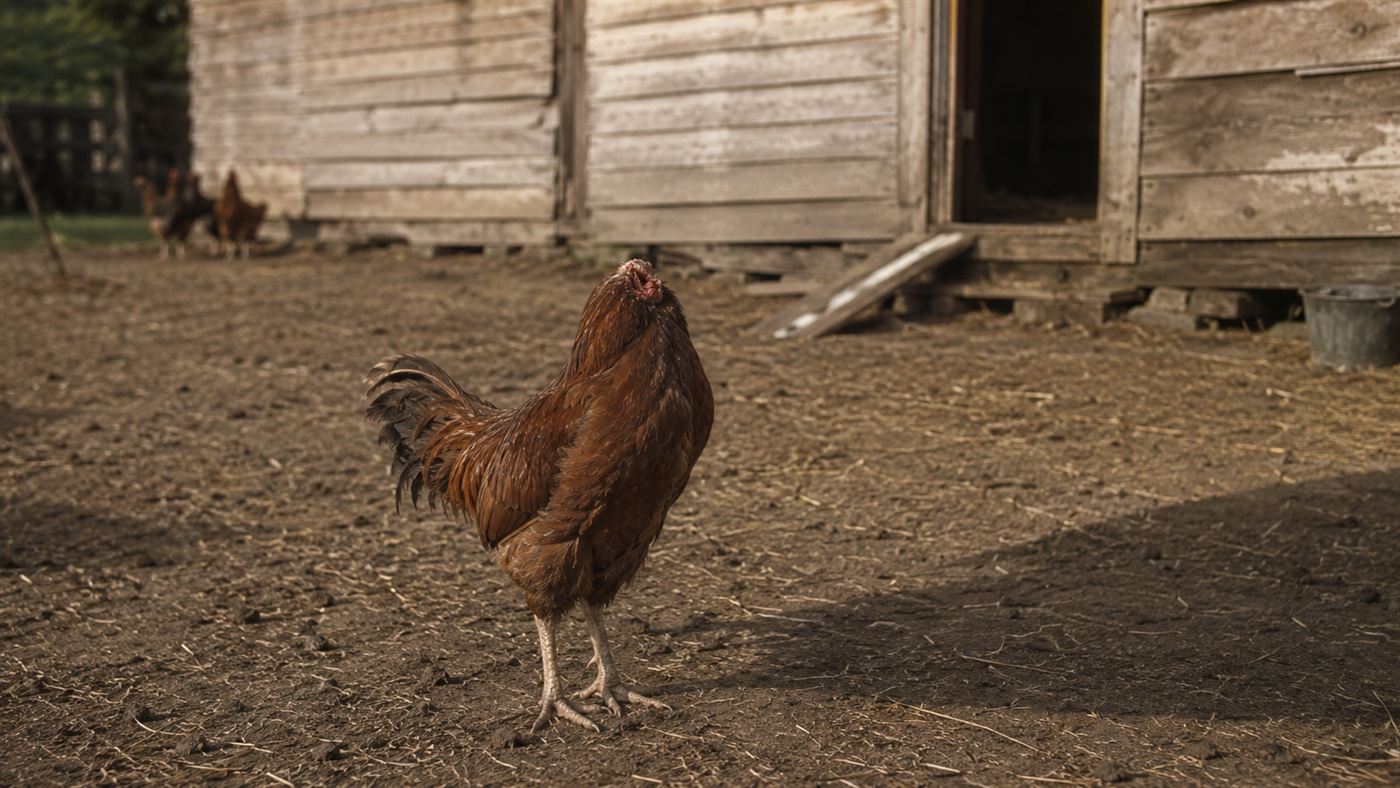
The bird kept standing, walking and preening with no head at all. Illustration: Watts & Wild.
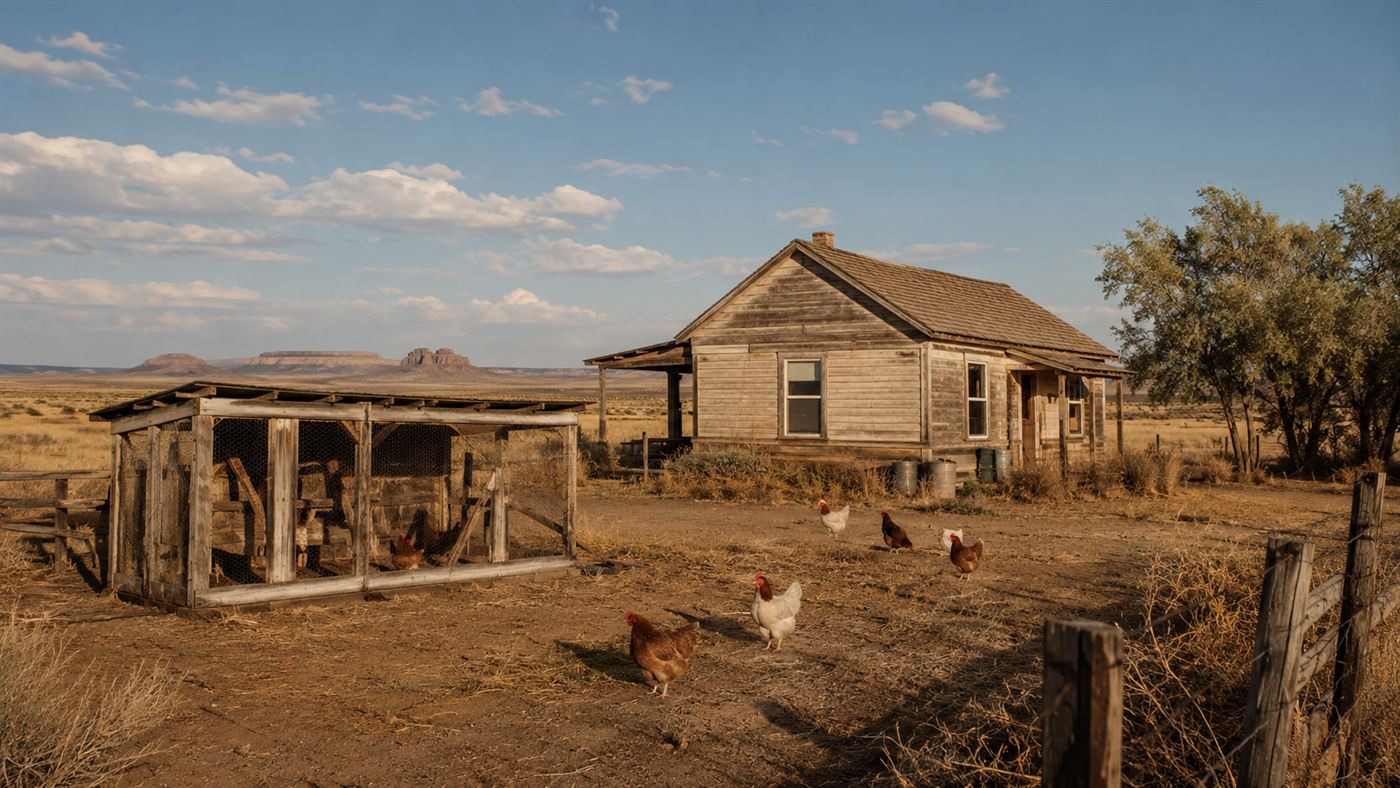
On September 10, 1945, a farmer named Lloyd Olsen in the small town of Fruita, Colorado, went out to kill a chicken for supper, exactly as he had done hundreds of times. He picked a five-and-a-half-month-old rooster, laid it on the block, and brought the axe down. The head came off. And the bird got up and walked away.
At first Olsen assumed the poor animal would simply drop dead. Instead the headless rooster kept balancing on its perch, tried to peck, and even attempted to preen with a neck that no longer had a beak. When it was still alive the next morning, Olsen decided that any bird that wanted to live that badly deserved the chance, and so began the strange career of Mike the Headless Chicken.
The short version: in 1945 a Colorado farmer beheaded a rooster that refused to die. The axe had left most of its brain stem intact and a blood clot stopped the bleeding, so Mike the Headless Chicken lived another 18 months, was fed by eyedropper, made the pages of Life magazine, and toured America as a paid attraction.
How Mike the Headless Chicken lived without a head
The secret is anatomy. A chicken does far more of its basic living with the brain stem than a human does, and the brain stem sits low, near the top of the spine. Lloyd Olsen's axe had come down at just the right angle to take the beak, face and most of the skull while leaving the brain stem, and one ear, still attached to the body.
The brain stem runs the machinery of staying alive: breathing, heart rate, and the reflexes that let the bird stand, walk and swallow. A second stroke of luck sealed the deal, as a blood clot formed and kept Mike from bleeding out. With the control center intact and the wound closed, the rooster's body simply carried on running.
Fed with an eyedropper
Keeping a headless chicken alive is not simple, and the Olsens became careful nurses. Since the bird had no mouth, they dribbled a mix of milk and water, along with small grains, straight down the open throat with an eyedropper, and used a syringe to clear away the mucus that would otherwise choke him.
Astonishingly, it worked, and Mike thrived. He actually gained weight over his months without a head, growing from a couple of pounds to nearly four. He would settle on a perch, shuffle around the yard, and go through the motions of grooming, a picture of an ordinary contented rooster missing only the obvious.
A national sideshow star
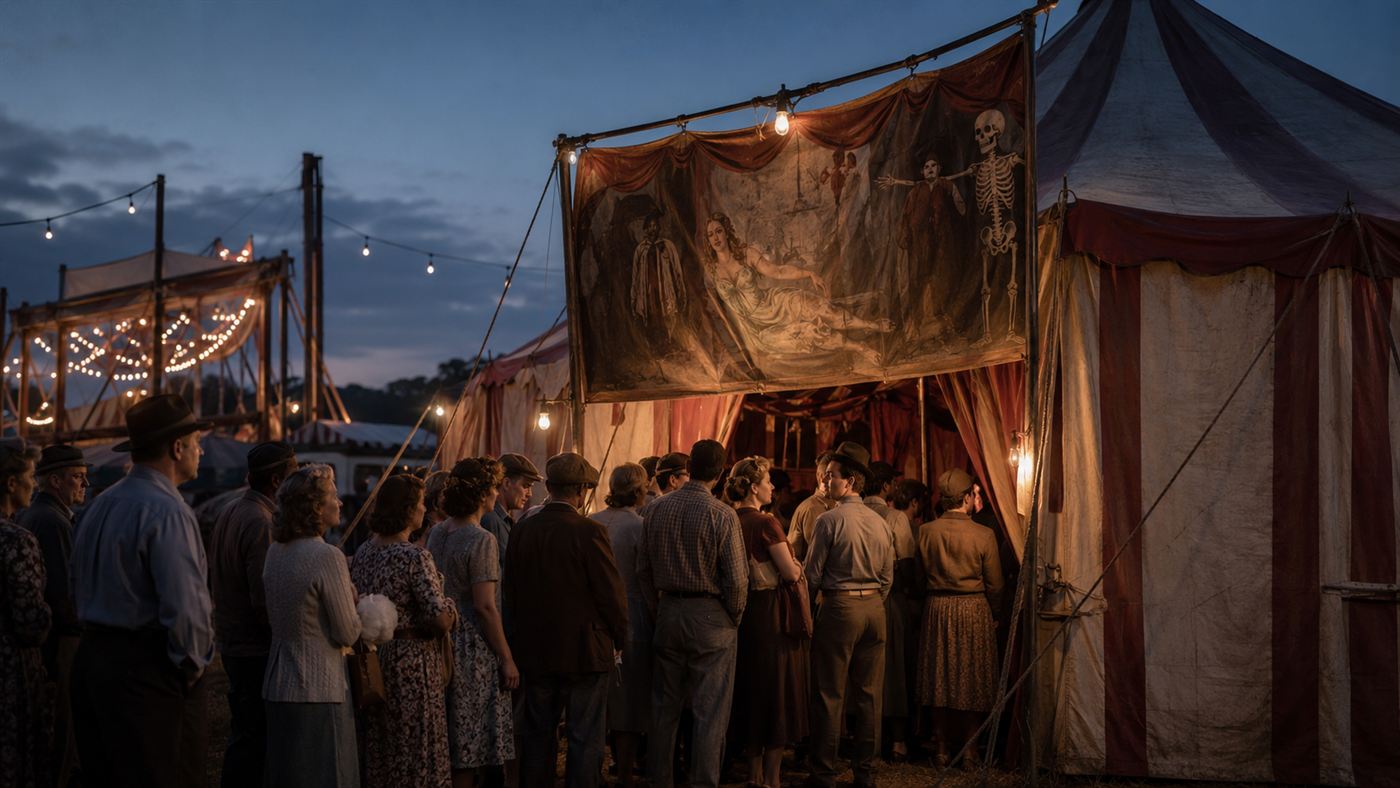
Word of the miracle bird spread fast in the excitable postwar press. Life magazine ran a feature on him, and a promoter saw a fortune walking around a Colorado farmyard. Soon Mike was on the road, exhibited up and down the country as a paid attraction, with curious crowds handing over a quarter apiece for a look.
At the height of the craze he was reportedly insured for a small fortune and drew long lines wherever he went, a genuine celebrity in an age hungry for something strange and cheerful. For a farm bird that should have been dinner, it was an improbable second act as an American star.
Why did the miracle finally end?
The end, when it came, was almost unbearably ironic. In 1947, while stopping overnight at a motel in Phoenix, Arizona on the way home from a tour, Mike began to choke on mucus in the dark. This had happened before and was always cleared with the syringe, but that night the Olsens had left their feeding kit behind at the previous show.
Without the tool that had kept him breathing for a year and a half, there was nothing they could do, and Mike choked to death. He was not killed by the axe that took his head, but by a simple missing syringe. The bird that had cheated death so spectacularly was undone by a piece of luggage left in the wrong town.
The honest catch
It is a wonderfully weird story, but it deserves an honest edge. Beneath the novelty is a genuinely uncomfortable question about whether it was right to keep an animal alive as a spectacle in that state, and reasonable people can disagree about the answer. Mike was a marvel of biology and also a moneymaking curiosity, and both of those are true.
What is not in doubt is that the science is real. A brain stem left intact really can keep a bird's body running, which is exactly why you may have heard the phrase about a chicken running around with its head cut off. Mike is simply the most extreme, best-documented example, celebrated to this day with an annual festival in his Colorado hometown that turns a grisly accident into a very strange kind of civic pride.
A rooster lost its head and lived a year and a half anyway, became a national celebrity, and is still honored with a festival in his name. Was keeping Mike alive a heartwarming wonder, or a spectacle that should never have been put on the road? Tell us in the comments.
Related reading: the Cardiff Giant, an American marvel that really was too good to be true. See also the Great Moon Hoax, when a newspaper convinced a nation of bat-men on the Moon, and how the Slinky was born from a spring that fell off an engineer's desk.