In 1835 a New York newspaper convinced the whole city that an astronomer had spotted forests, unicorns and flying bat-men living on the surface of the Moon, and it became the best-selling paper on Earth
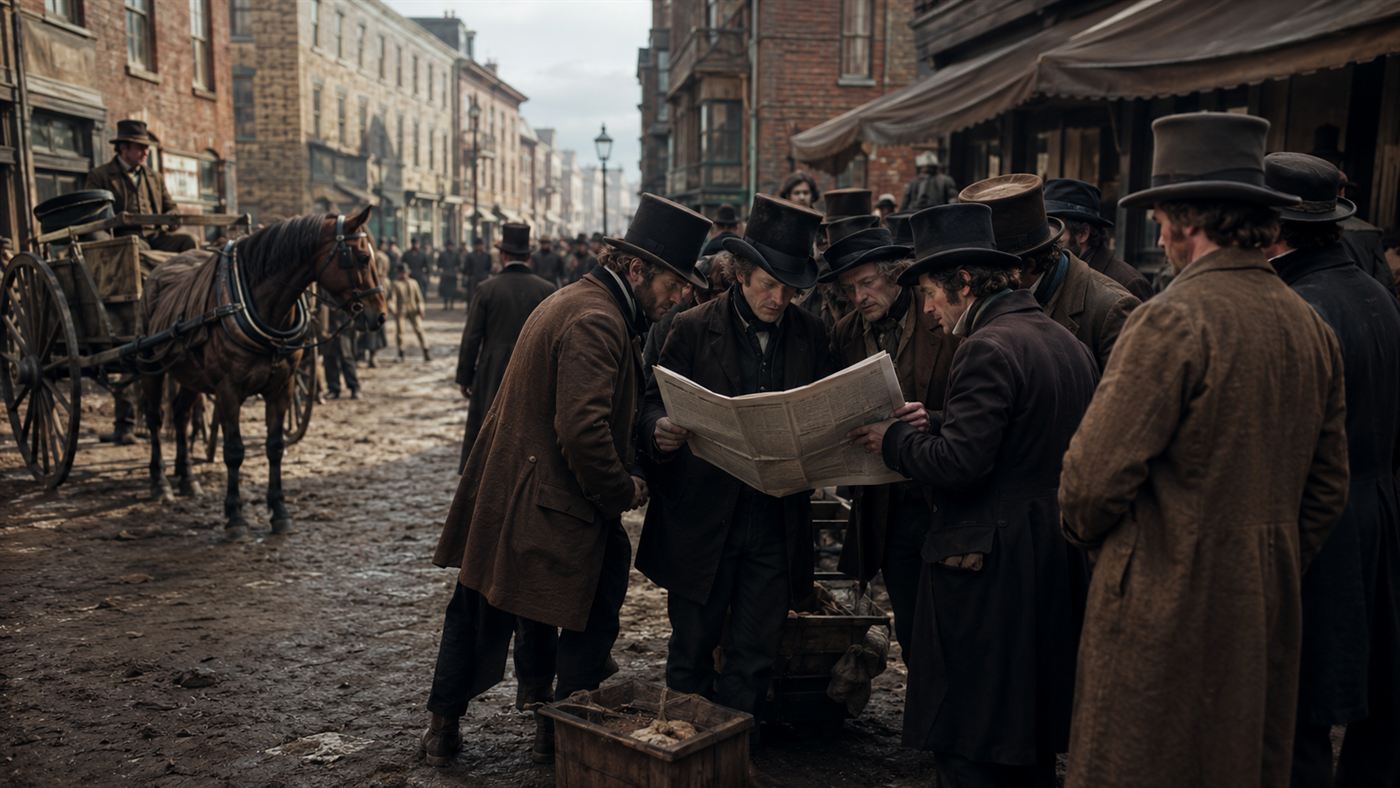
Long before the internet, before radio, before even the telephone, a newspaper ran the ultimate viral story. It said that mankind had, at last, seen the inhabitants of the Moon. People believed every word. The truth is a masterclass in how easily a good story can beat the facts.
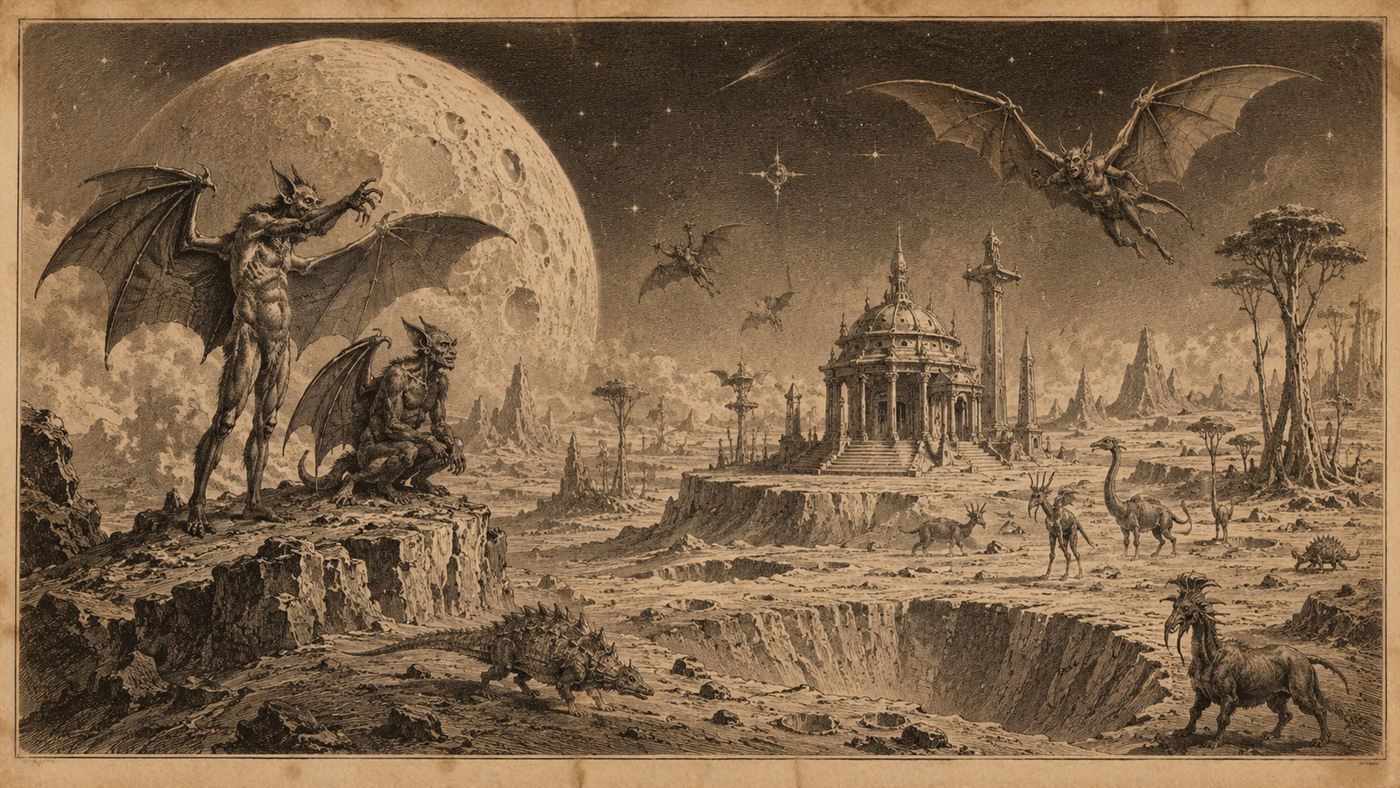
The Sun's readers were told winged bat-men lived on the Moon, and believed it. Illustration: Watts & Wild.
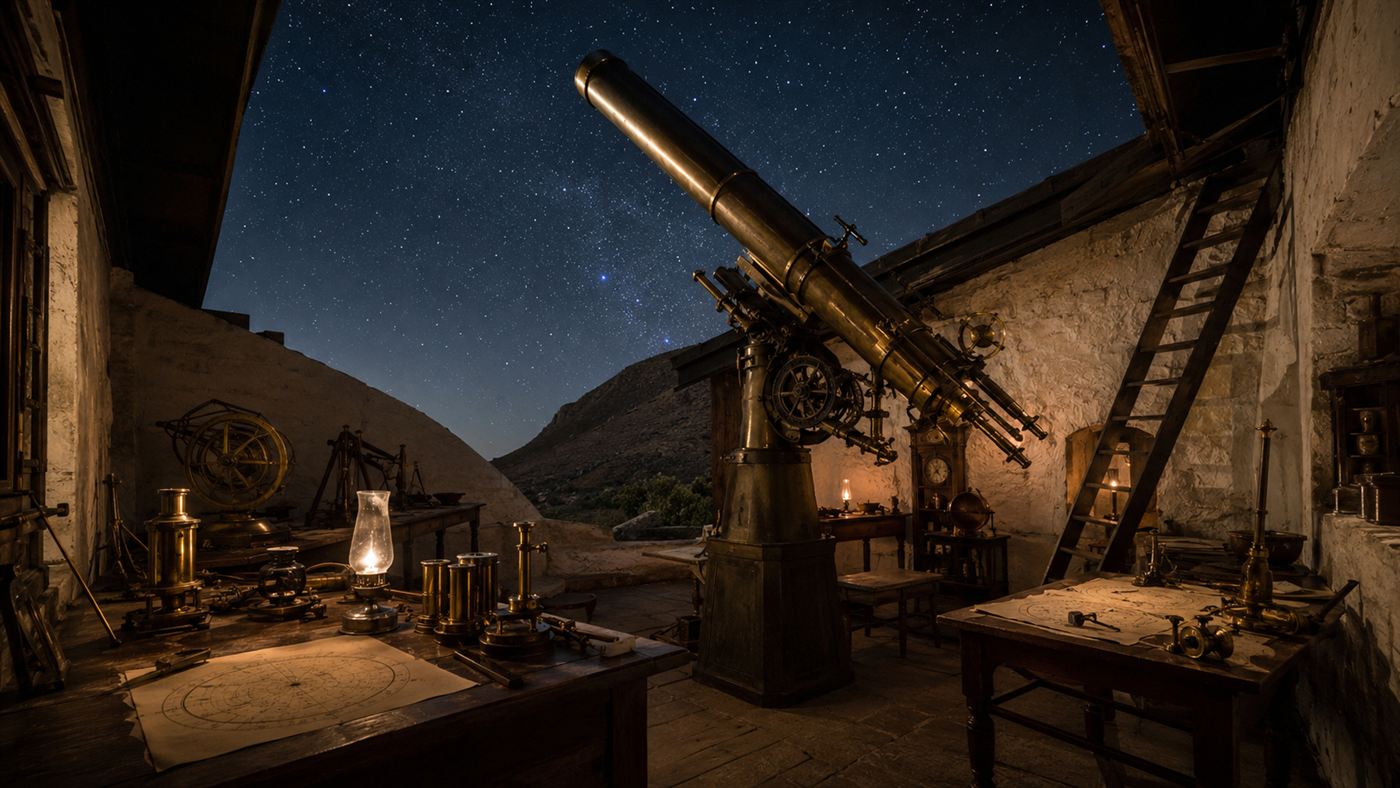
On August 25, 1835, a cheap New York newspaper, the New York Sun, began printing an extraordinary series of reports. According to the paper, the celebrated astronomer Sir John Herschel, using a giant new telescope at the Cape of Good Hope, had turned it on the Moon and discovered something that would change humanity forever: the Moon was alive.
Over six breathless installments, readers learned of lunar oceans and forests, of herds of bison, of blue unicorns and beavers that walked on two legs. And then came the showstopper: intelligent, four-foot-tall creatures with the faces of men and the leathery wings of bats, gliding through the lunar sky. This was the Great Moon Hoax, and for a few glorious weeks, New York fell for it completely.
The short version: in 1835 The New York Sun published six fake articles claiming the astronomer John Herschel had found forests, unicorns and winged bat-men on the Moon. Written as satire by the reporter Richard Adams Locke, the Great Moon Hoax was taken as real, and it made the little penny paper the best-selling newspaper in the world.
How the hoax worked so well
The genius of the deception was in its details. The articles did not simply assert that the Moon was inhabited; they wrapped the fantasy in a thick, convincing layer of scientific-sounding jargon, elaborate descriptions of the telescope's optics, and sober, matter-of-fact prose. It read exactly like a real dispatch of an astonishing discovery.
It also leaned on a real and respected name. Sir John Herschel genuinely was one of the greatest astronomers alive, and he really had taken a large telescope to South Africa. That kernel of truth made the wild claims plausible, and, crucially, it meant Herschel was on the far side of the world and would not hear about the stories in time to deny them.
How the Great Moon Hoax sold a newspaper
The effect on The Sun was electric. Circulation rocketed as everyone rushed to read the next installment, and the paper's print run swelled to more than nineteen thousand copies, said at the time to be the largest of any daily newspaper on the planet. A struggling penny press sheet had become a sensation on the backs of imaginary bat-men.
That was, in a sense, the whole point. The Sun was part of the new "penny press," cheap papers that lived or died on grabbing the attention of ordinary readers. A thrilling story could sell papers whether or not it happened to be true, a lesson the media has never entirely unlearned.
Was it meant to be a joke?
Here is the twist that makes the story sharper. The man behind it, a reporter named Richard Adams Locke, later said the articles were written as satire. He was mocking a genre of overheated speculation about life on other worlds, and in particular a popular writer who had confidently claimed the Moon held billions of inhabitants. The bat-men were supposed to be a parody so absurd that no one could take it seriously.
But almost everyone did. The satire sailed straight over the heads of readers who desperately wanted the marvel to be real, and the joke quietly became a genuine deception. It is one of the earliest and clearest lessons that a piece of satire, once it is loose in the world, is at the mercy of an audience that may not get the joke.
How the Moon hoax finally fell apart
The stories were never dramatically retracted. As weeks passed, rival papers grew suspicious, pressed for the original source, and found that the supposed scientific journal it was credited to had gone out of business years earlier. In mid-September 1835, The Sun quietly acknowledged that the whole thing had been made up.
What is startling is how little anyone seemed to mind. Readers were more amused than outraged, the paper kept its swollen circulation, and Herschel himself, once he learned of it, was at first entertained before growing tired of answering questions about his lunar bat-men. The hoax had cost The Sun nothing and made it everything.
The honest catch
It is tempting to feel superior to the New Yorkers of 1835, but that is the wrong lesson. They were not unusually gullible; they were reading a trusted-looking newspaper that mixed real science and a real scientist with pure invention, at a moment when genuine astronomical discoveries really were tumbling out one after another. The line between a wonder and a fraud was genuinely hard to see.
That is exactly why the Great Moon Hoax still matters nearly two centuries later. Every element of it, the authoritative tone, the borrowed credibility, the story too delightful to check, is alive and well in the era of viral posts and deepfakes. The bat-men are gone, but the machinery that put them on the Moon is running better than ever.
A newspaper put winged men on the Moon, sold a fortune in papers, and barely apologized when the truth came out. If a trusted source showed you something this wonderful today, dressed up in the right jargon, are you sure you would not believe it too? Tell us in the comments.
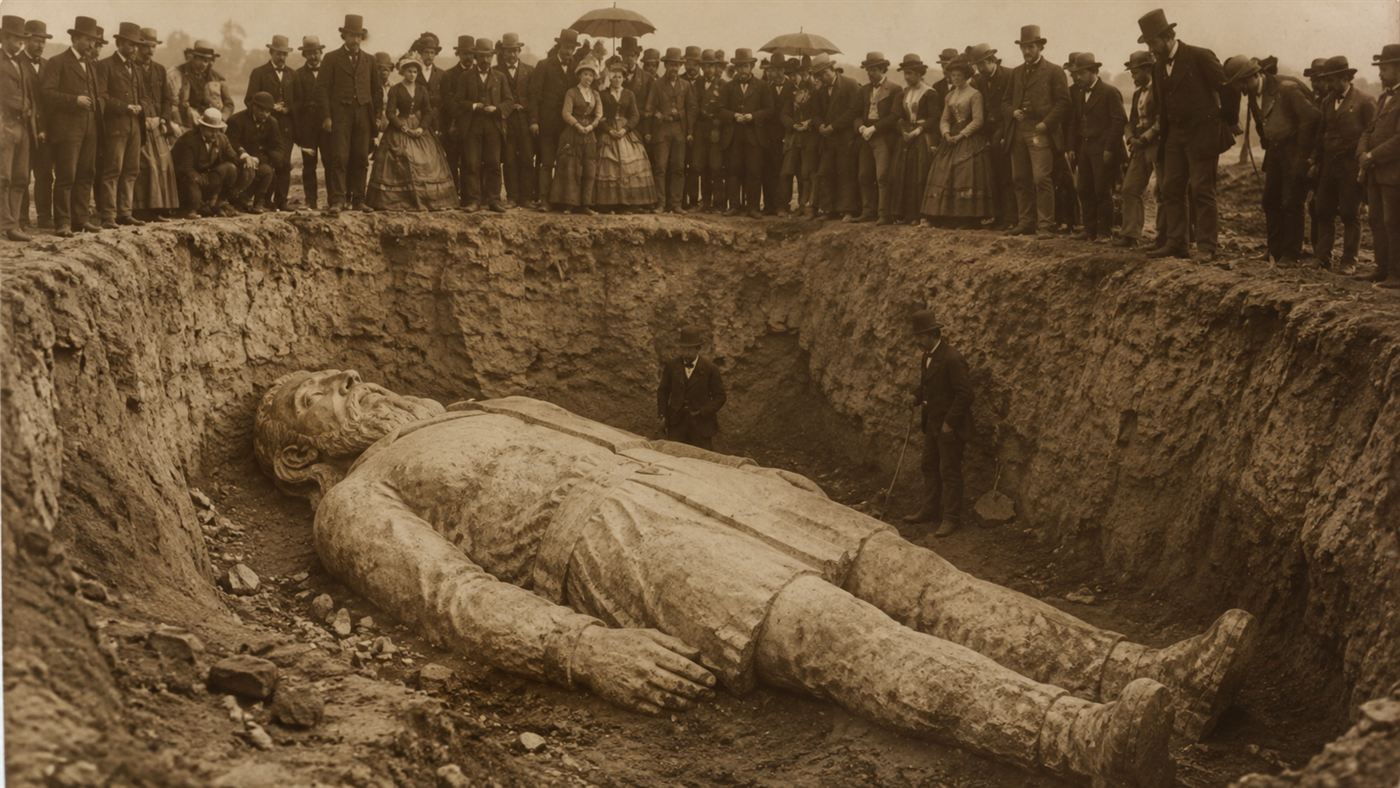
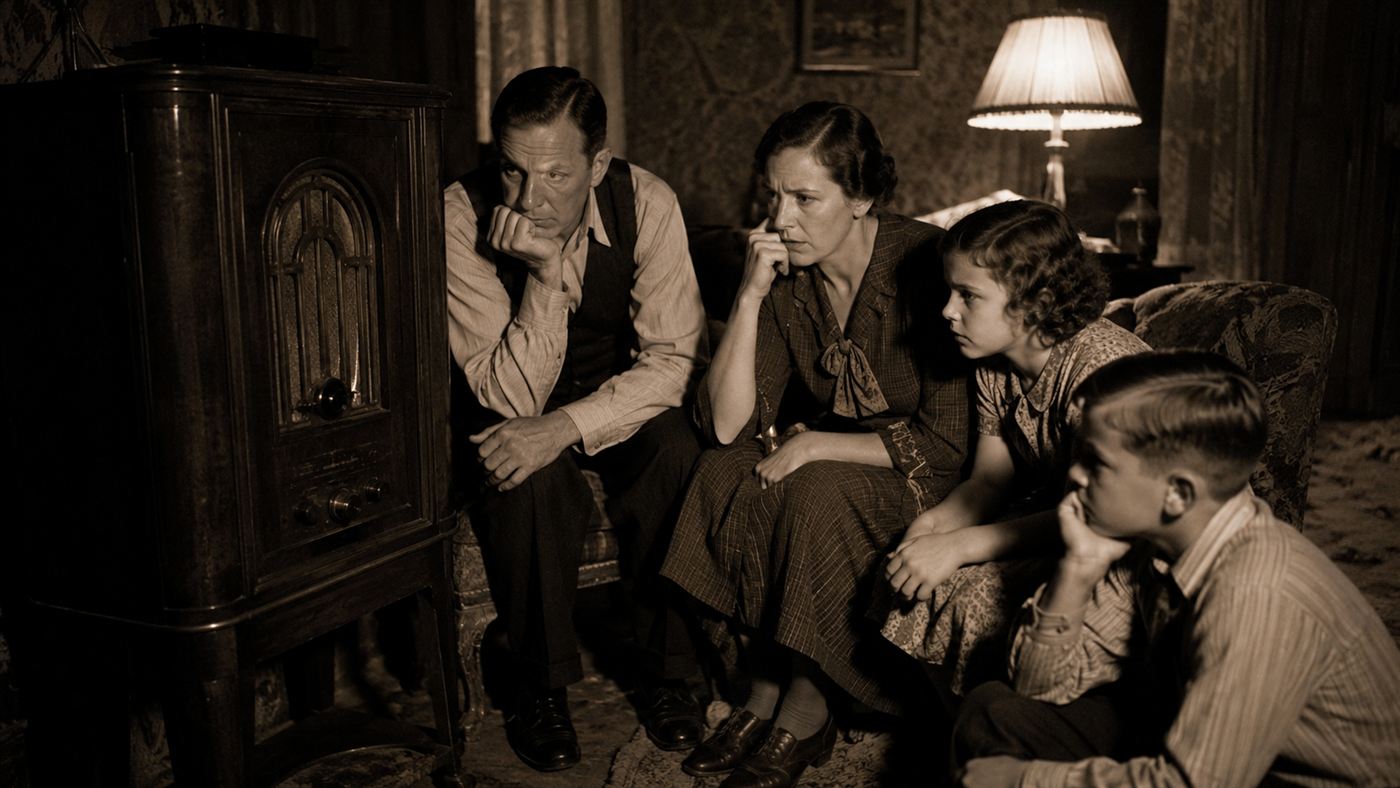
Related reading: the Cardiff Giant, the fake stone man that fooled America a generation later. See also the War of the Worlds broadcast, the alien invasion that supposedly panicked a nation, and the Kentucky Meat Shower, the day real meat fell from a clear sky.