In 1892 a Rhode Island farmer was pressured to dig up his dead daughter, burn her heart, and feed the ashes to his dying son to stop a vampire that was really tuberculosis
A whole family was dying, one by one, of a sickness nobody understood. Desperate neighbours became convinced that one of the dead was rising from the grave to feed on the living. What they did next, on a freezing March morning in a country churchyard, was horrifying and heartbreaking at once, and it was born entirely of fear and love.
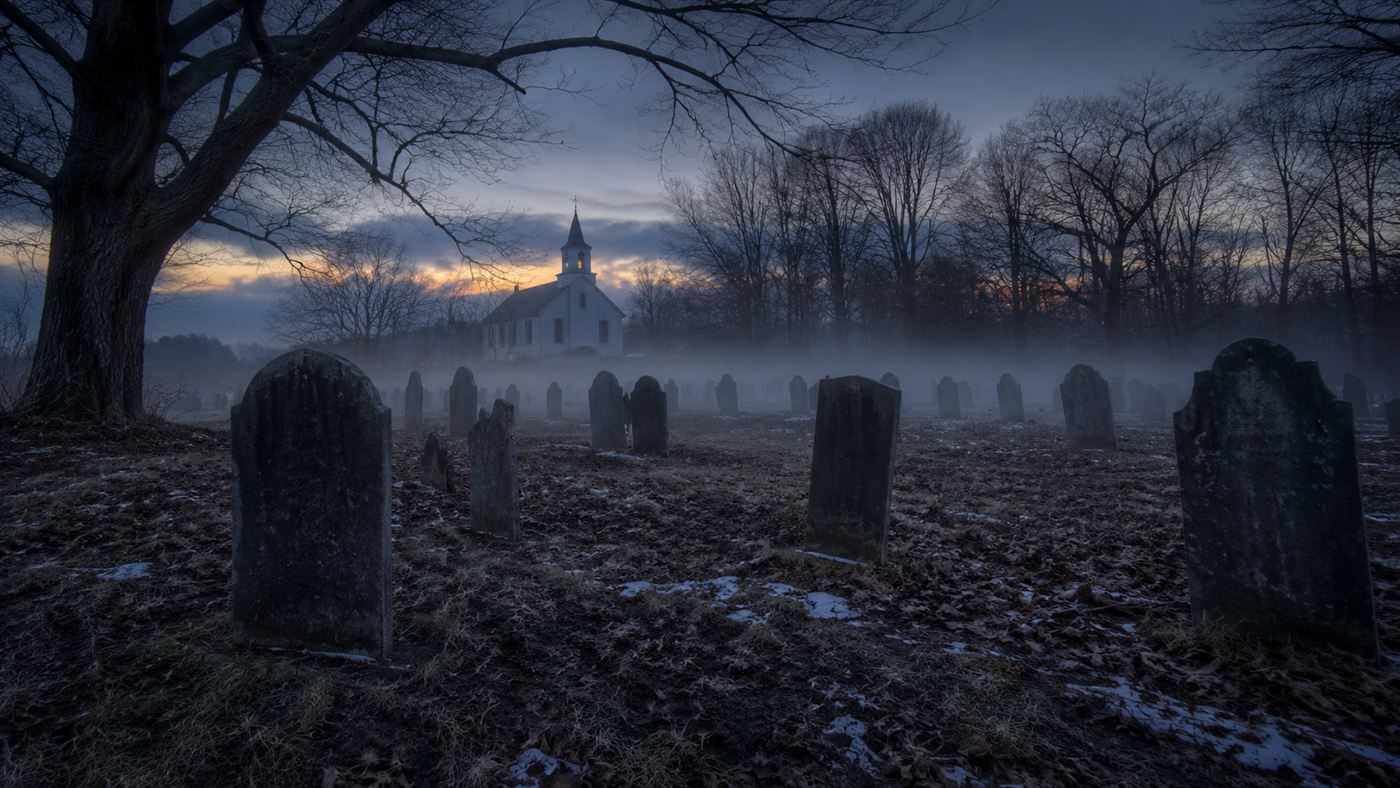
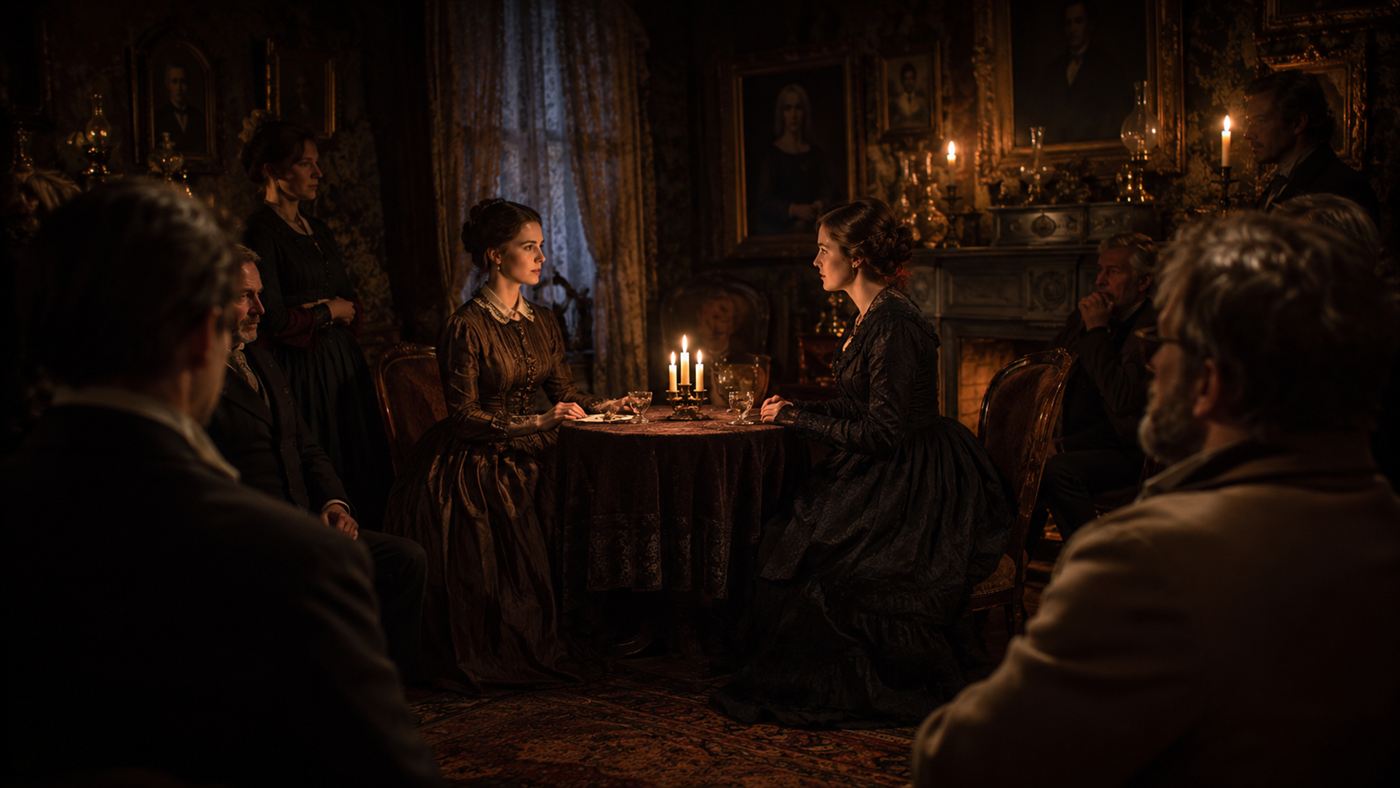
A quiet Rhode Island churchyard was the setting for America's last vampire panic. Illustration: Watts & Wild.
In the small farming town of Exeter, Rhode Island, in the winter of 1892, a grieving father was talked into doing something almost unimaginable. He agreed to let his neighbours open the graves of his wife and two daughters, so they could search the bodies for the marks of a monster.
The daughter at the centre of it was nineteen-year-old Mercy Lena Brown, dead only two months. Her family had been picked apart by a wasting illness that no doctor of the time could stop, and the community had settled on a terrible explanation. One of the dead Browns, they believed, was not resting at all, but rising to drain the life from those who remained.
The short version reads like folklore, and it is often told as a simple tale of backwoods superstition. But the true story of Mercy Brown is sadder, stranger and more human than that, and the real culprit was not undead at all. It was a disease, invisible and merciless, that science had only just begun to understand.
A family the sickness would not leave
The horror began years earlier and quietly. George Brown, a hard-working farmer, first lost his wife Mary Eliza in 1883, and then, only months later, his eldest daughter Mary Olive. Both had faded the same way, growing pale and thin, coughing, losing strength until they slipped away. Their neighbours called the disease consumption, because of the way it seemed to consume a person from within.
For a while the family was spared. Then, near the end of the 1880s, the son of the house, Edwin, began to sicken with the same symptoms, and soon his sister Mercy fell ill too. Mercy declined quickly and died in January 1892. Edwin, meanwhile, clung to life but kept getting worse, and to his frightened neighbours that pattern looked less like illness and more like something feeding.
Why the village dug up Mercy Brown
There was an old New England folk belief, passed down quietly for generations, that when consumption stalked a family it might be the work of one dead relative who had become a kind of vampire, leaving the grave at night to sap the living. The cure, according to the tradition, was to exhume the suspected body, and if it showed unnatural signs, to burn its heart.
George Brown did not believe it. But his son was dying, and his neighbours pressed him hard, insisting that opening the graves was the only hope left. Worn down and out of options, the father finally consented. On 17 March 1892 a group of townsmen, with the family doctor and a newspaper reporter present, gathered in the frozen churchyard to disinter the Brown women and put the story of Mercy Brown to the test.

The heart that had not decayed
The two women who had been dead for years were found as anyone would expect, little more than bone. But Mercy was different. She had died in the depths of winter and been kept in an above-ground stone vault while the ground was too hard to dig, and the New England cold had preserved her remarkably well. When the doctor examined her, he found liquid blood still in the heart.
To a modern pathologist that is ordinary for a body kept cold for two months. To the men in that churchyard it was the proof they had dreaded. Mercy's heart and liver were cut out and burned to ashes on a nearby rock. The ashes were then mixed with water and given to her brother Edwin to drink, in the belief that consuming the vampire's remains would break its hold. Edwin died anyway, less than two months later.
What was really killing the Browns
The true villain had a name that the wider world already knew. It was tuberculosis, a bacterial infection of the lungs, and it spreads from person to person through the air, which is exactly why it moved through the Brown household one member at a time. Every eerie clue the villagers saw, the slow wasting, the night sweats, the blood, the deaths in sequence, was the textbook course of the disease.
Science had, in fact, already caught up. The German doctor Robert Koch had identified the tuberculosis bacterium in 1882, a decade before Mercy died. But that knowledge had not reached, or not convinced, the isolated farming families of rural Rhode Island, where an old folk cure still felt more real than an invisible germ. Caught between a killer they could not see and a tradition they could act on, they chose the tradition.
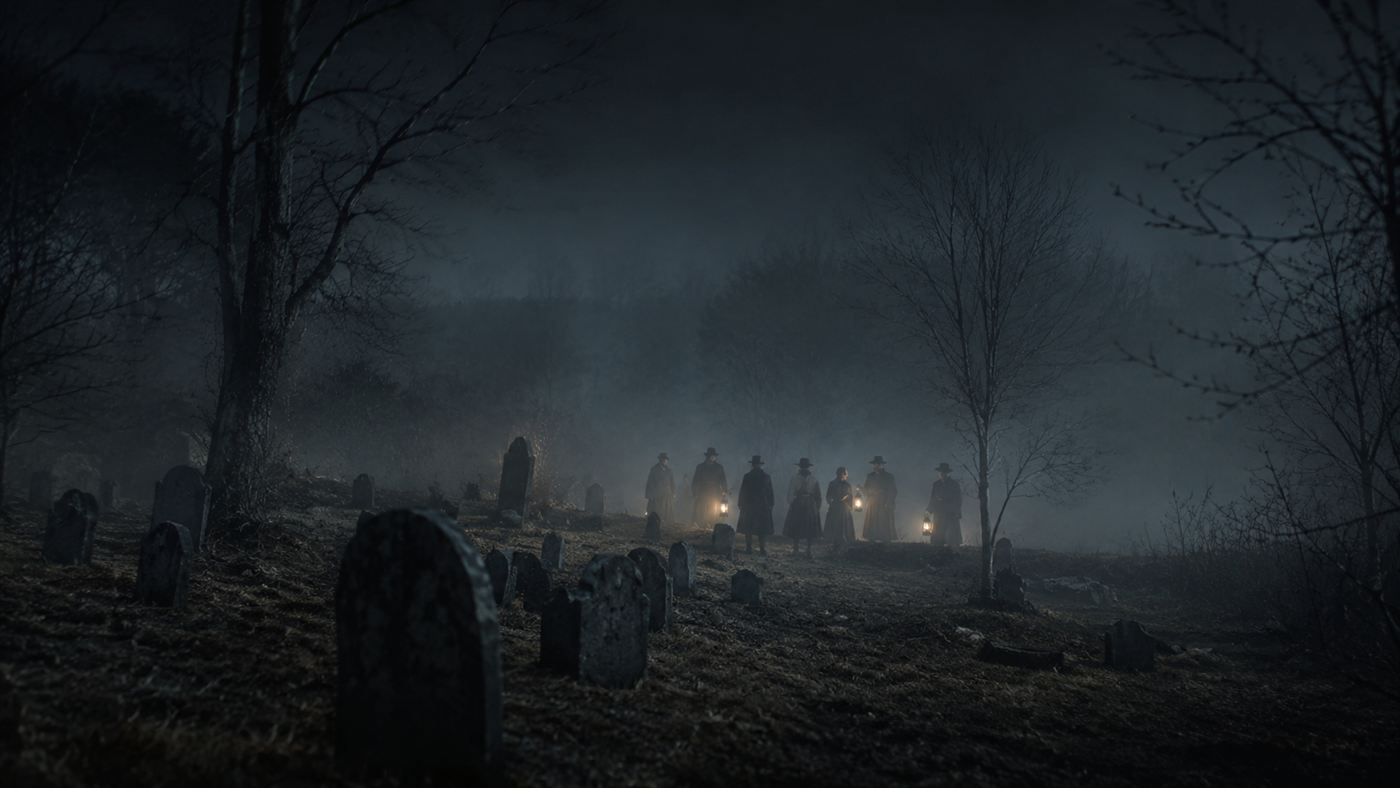
Did the Mercy Brown case inspire Dracula?
The Exeter exhumation caused a small newspaper sensation, and here the story takes a literary turn. When the papers of the author Bram Stoker were examined, a clipping about an American vampire case, thought to be the Mercy Brown story, was reportedly among them. Stoker published Dracula in 1897, just five years later, and some readers see echoes of the pale, blood-touched Mercy in his doomed character Lucy Westenra.
It is a tempting connection, and it may even be partly true, but it should be held loosely. Bram Stoker drew on a great many sources of vampire lore from across Europe, and no note in his hand ties Dracula directly to that Rhode Island churchyard. The link is a plausible thread, not a proven one.
The honest catch
It is easy to sneer at the people of Exeter, but that misses the real point. The word vampire was mostly ours, not theirs; the families involved rarely used it and would not have pictured a caped count. They were ordinary, frightened people watching their children die of a disease no one could cure, reaching for the only remedy their world offered. That is not stupidity but desperation.
And the tidy ending, that this was the last gasp of superstition before science won, is only half right. Tuberculosis kept killing on a huge scale for decades, and an effective cure did not arrive until antibiotics in the mid-twentieth century. The tragedy of Mercy Brown is not that her neighbours were fools, but that they were facing something genuinely terrifying and genuinely invisible, with almost nothing to fight it.
A father let his neighbours dig up his daughter and burn her heart, not out of cruelty but because he had already buried most of his family and would try anything to save his son. Does knowing the science behind it make the story of Mercy Brown less frightening, or somehow sadder? Tell us what you think in the comments.
Related reading: the two sisters whose cracking toe joints launched a religion of talking to the dead. See also the petrified giant that fooled a nation, and the radioactive tonic that a rich man drank until it killed him. See also Typhoid Mary, the healthy cook who spread a deadly disease.