On a quiet wooded hillside in Tennessee, scientists lay out donated human bodies to rot in the open air on purpose, and what they have learned has helped solve thousands of murders
Behind a hospital in Knoxville there is a fenced patch of forest that looks like nothing much at all. It is one of the most important and unsettling outdoor laboratories in the world, a place where the dead are studied as they return to the earth so that the living can learn to read a corpse like a clock.
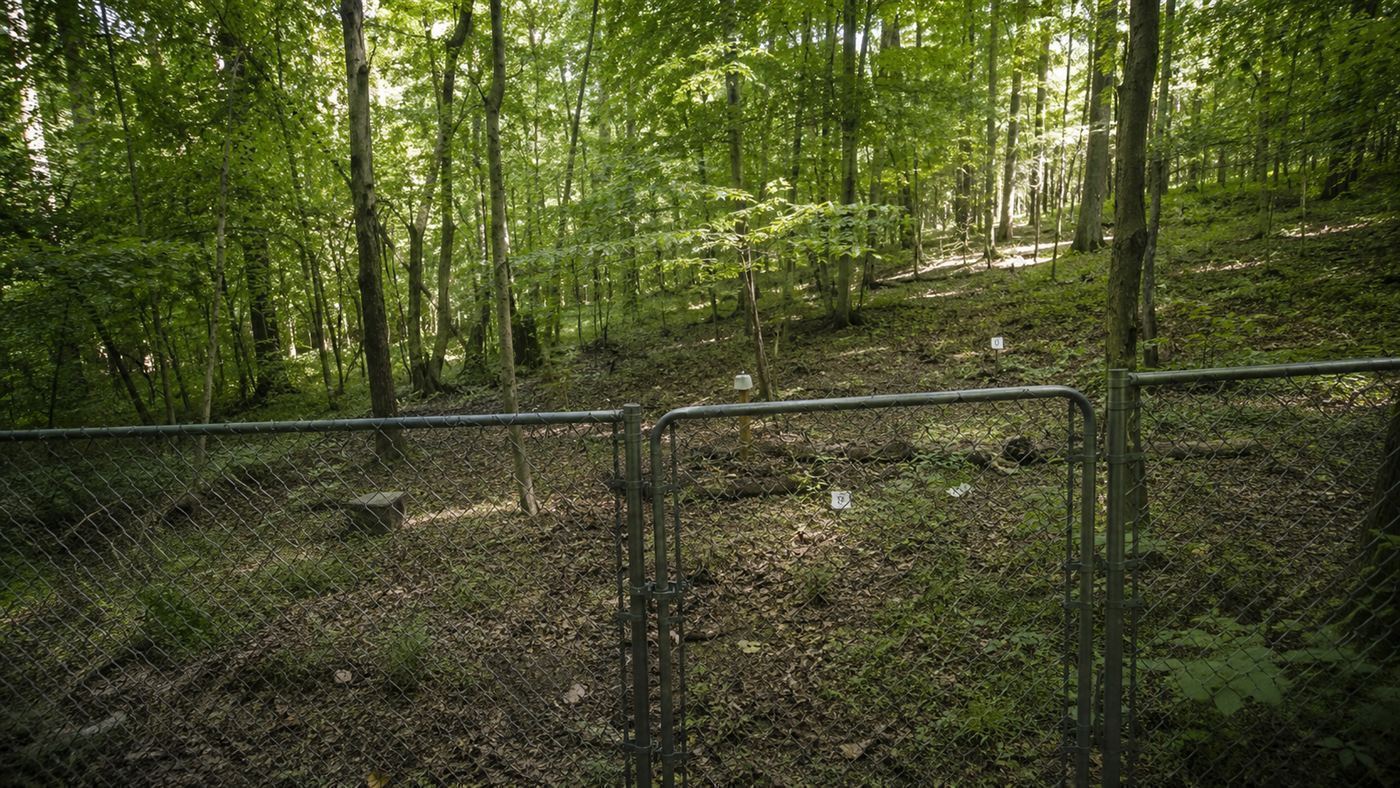
A quiet stretch of Tennessee forest doing extraordinary work. Illustration: Watts & Wild.
It is called, unofficially, the body farm, and the nickname has stuck so hard that most people never learn its real name. Officially it is the Anthropology Research Facility at the University of Tennessee, and since 1981 it has done something no one had ever done in a rigorous, scientific way before: watch, in detail, exactly how a human body decomposes.
The idea makes many people recoil, and that is understandable. But this small plot of woodland is the reason a modern detective can look at a corpse and make a solid guess about when its owner died, and that single ability has quietly transformed the way murders are solved.
The short version: a scientist realised nobody actually knew how human bodies decay, so he built a place to find out. The body farm turned death and decomposition into hard data, and gave police and courts a real science where before there had mostly been guesswork.
The mistake that started it all
The facility exists because of an embarrassing error. Its founder, the forensic anthropologist William Bass, was asked in the 1970s to examine a body found disturbed in a Tennessee grave. He confidently estimated the person had died within the past year or so. He was wrong by more than a century.
The remains turned out to belong to a Civil War officer, dead for over a hundred years, preserved in a way that fooled even an expert. The humbling lesson stuck with William Bass: nobody, himself included, truly understood how a human body changes over time after death, because nobody had ever properly studied it.
Turning decomposition into data
So in 1981 Bass persuaded his university to give him a scrap of land, and he began placing donated bodies on it under carefully recorded conditions. Some lie in the sun, some in shade, some in shallow graves, some in the trunks of cars or submerged in water, each one a controlled experiment in decomposition.
Researchers then record everything: the temperature, the insects that arrive and in what order, the changes day by day. Out of thousands of these grim observations came something genuinely new, a detailed, evidence-based map of how a body breaks down, which is the foundation of modern forensic anthropology.
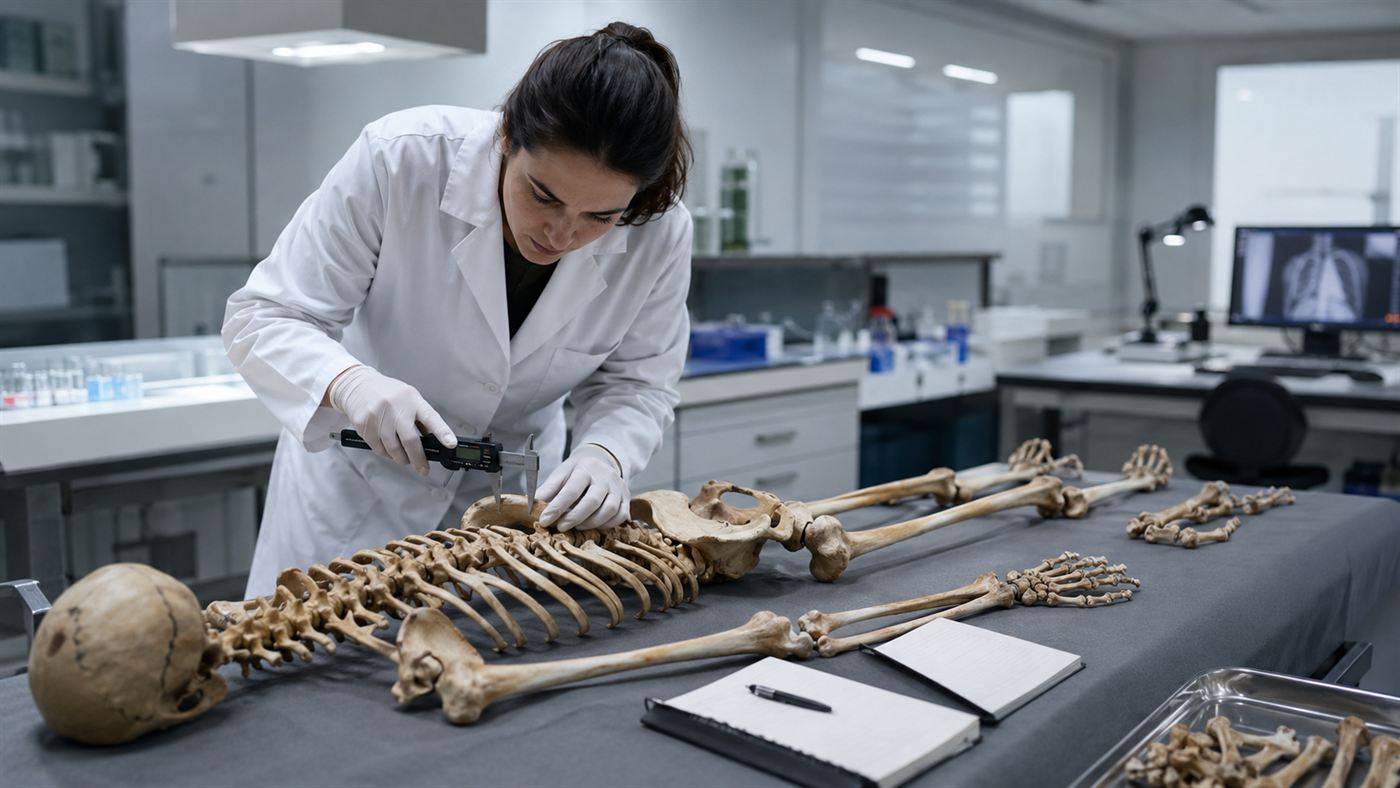
How the body farm reads time since death
The single most useful thing it produced is a way to estimate the time since death, what investigators call the post-mortem interval. When a body is found, knowing whether death happened two days or two months ago can make or break an alibi and point police toward the right suspect.
Much of that estimate comes from insects. Blowflies find a body within minutes and lay eggs, and different insects arrive in a predictable sequence, so counting and identifying them acts like a clock. Combined with temperature records and the stage of decay, the science built at the body farm lets an expert narrow down a death to a window that would once have been pure guesswork.
Who ends up on the body farm?
The bodies are all donated, and that surprises people most of all. Just as thousands of Americans leave their bodies to medical schools, many now choose to leave them to this kind of research instead, and their families give their consent. The people who study them treat the donated bodies with real care and gratitude.
Afterward, the cleaned skeletons usually join a vast research collection, where their bones keep teaching long after the soft tissue is gone. A single donation can help train forensic scientists and cadaver-detection dogs and inform criminal cases for decades, which is a strange and rather beautiful kind of afterlife.
The honest catch
It is tempting to imagine, from television, that this science can pinpoint a death to the minute. It cannot. The biggest single factor in how fast a body decays is temperature, and so many other variables come into play that even the best estimate is a range, not the exact hour a screenwriter would love.
It is also worth saying clearly that this is careful, respectful, consenting science, not a horror show. The remains are donated, handled ethically, and studied to help grieving families and wrongly accused suspects alike. The body farm looks ghoulish from the outside, but its whole purpose is to bring truth and dignity to the worst moments of people's lives.
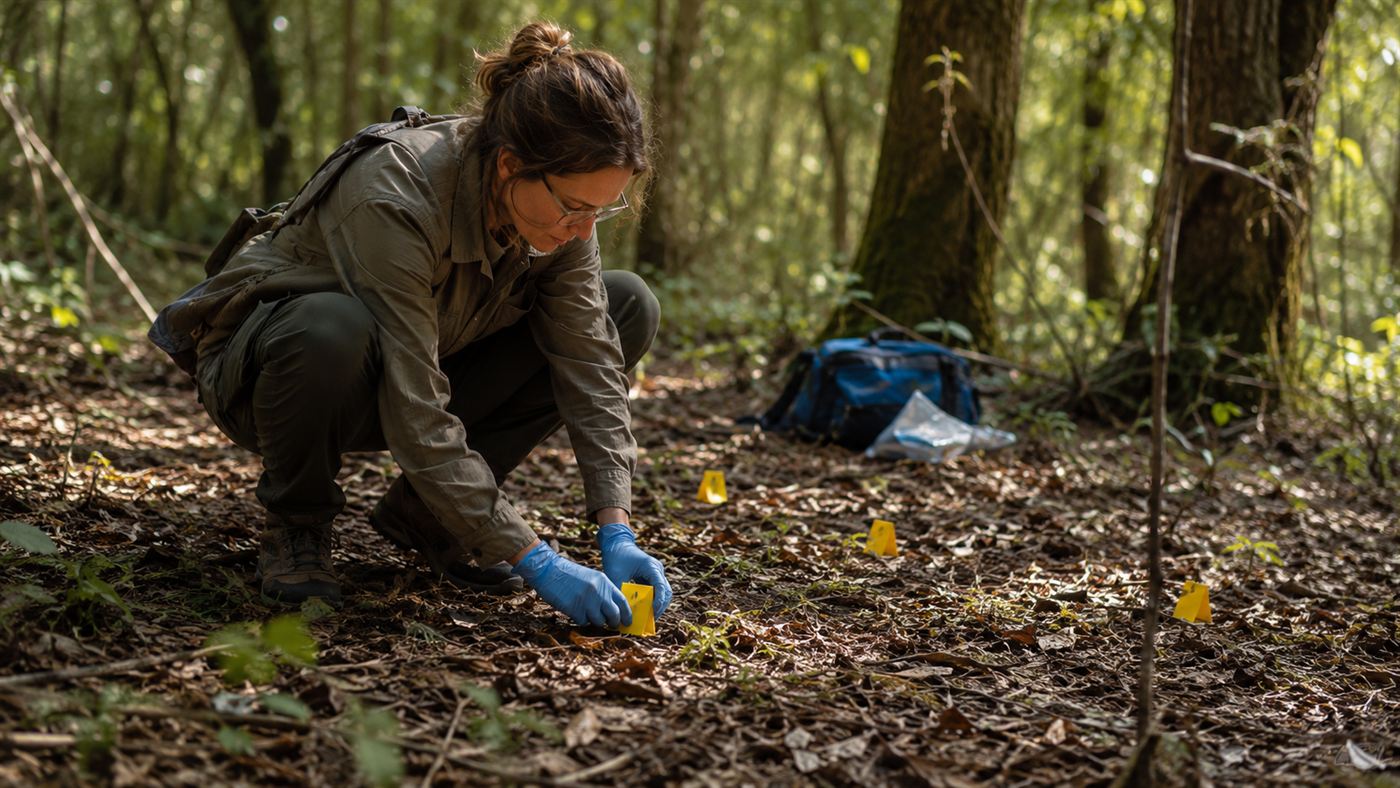
Why the idea spread across the country
The Tennessee facility worked so well that others followed. Because a body decays very differently in the dry heat of Texas than in the damp cold of the mountains, several more of these research sites have opened around the United States, each mapping decomposition in its own climate. Together they are filling in a national picture of how the dead return to the earth.
What began as one man's response to a humiliating mistake has become a whole field of forensic anthropology. The next time a crime drama has a scientist glance at a body and name the day it died, remember that the real knowledge behind that scene was earned, slowly and respectfully, on a quiet hillside full of the generous dead.
A patch of Tennessee forest quietly turned death into one of the most useful sciences we have, all thanks to people who chose to keep teaching after they were gone. Would you ever consider donating your own body to a place like this, knowing it might one day help catch a killer? Tell us what you think in the comments.
Related reading: the phantom serial killer who turned out to be a contaminated cotton swab. See also the man who survived an iron bar through his brain and rewrote neuroscience, and the factory women whose poisoning changed workplace safety forever.