She felt perfectly healthy, but the food she cooked kept killing people, and in the end America locked Typhoid Mary on an island for more than two decades
She never had a fever, never felt ill, never believed she was dangerous. Yet everywhere she cooked, people fell sick with typhoid and some of them died. Her case gave the world one of its most famous insults and one of its thorniest questions: what do you do with someone who is deadly through no fault of their own?
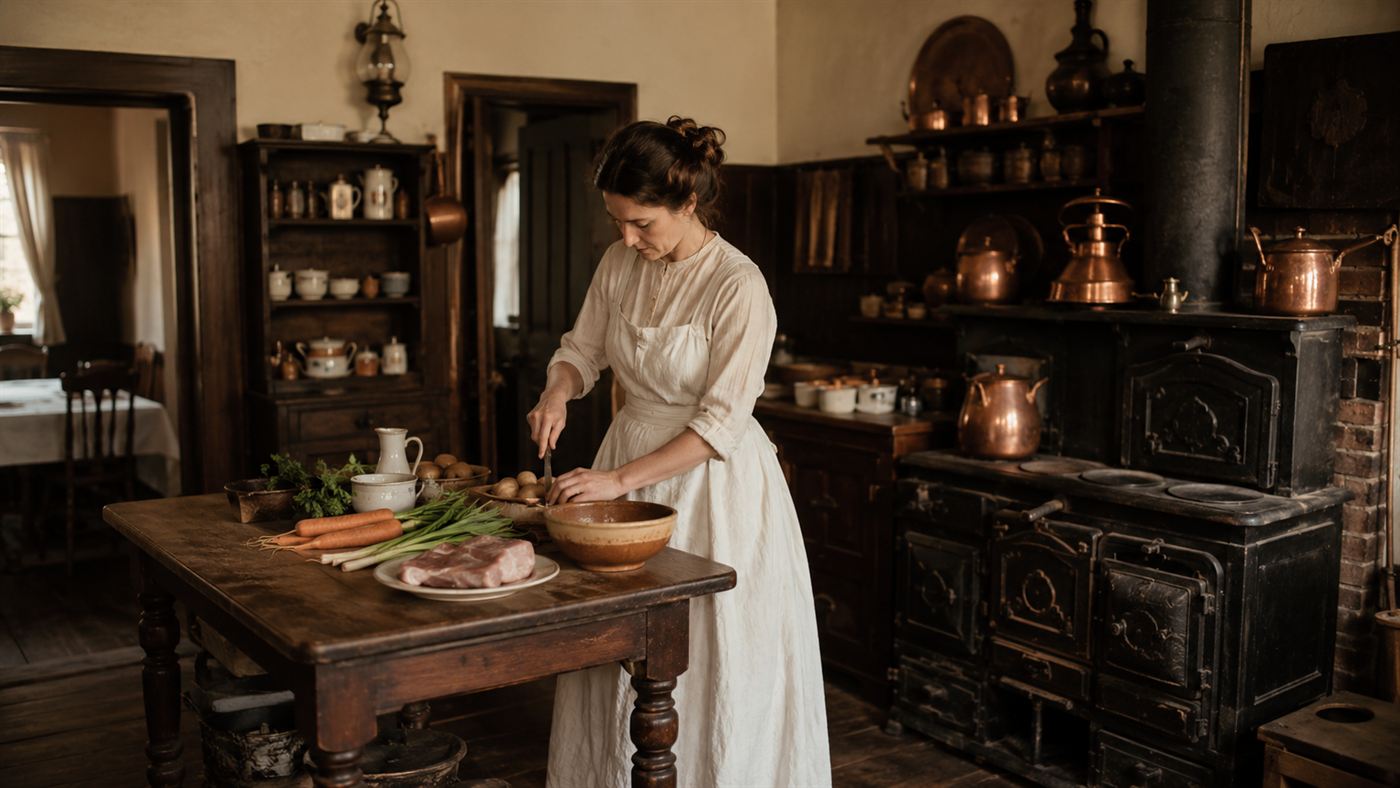
Mary Mallon cooked for wealthy New York families, and typhoid followed her. Illustration: Watts & Wild.
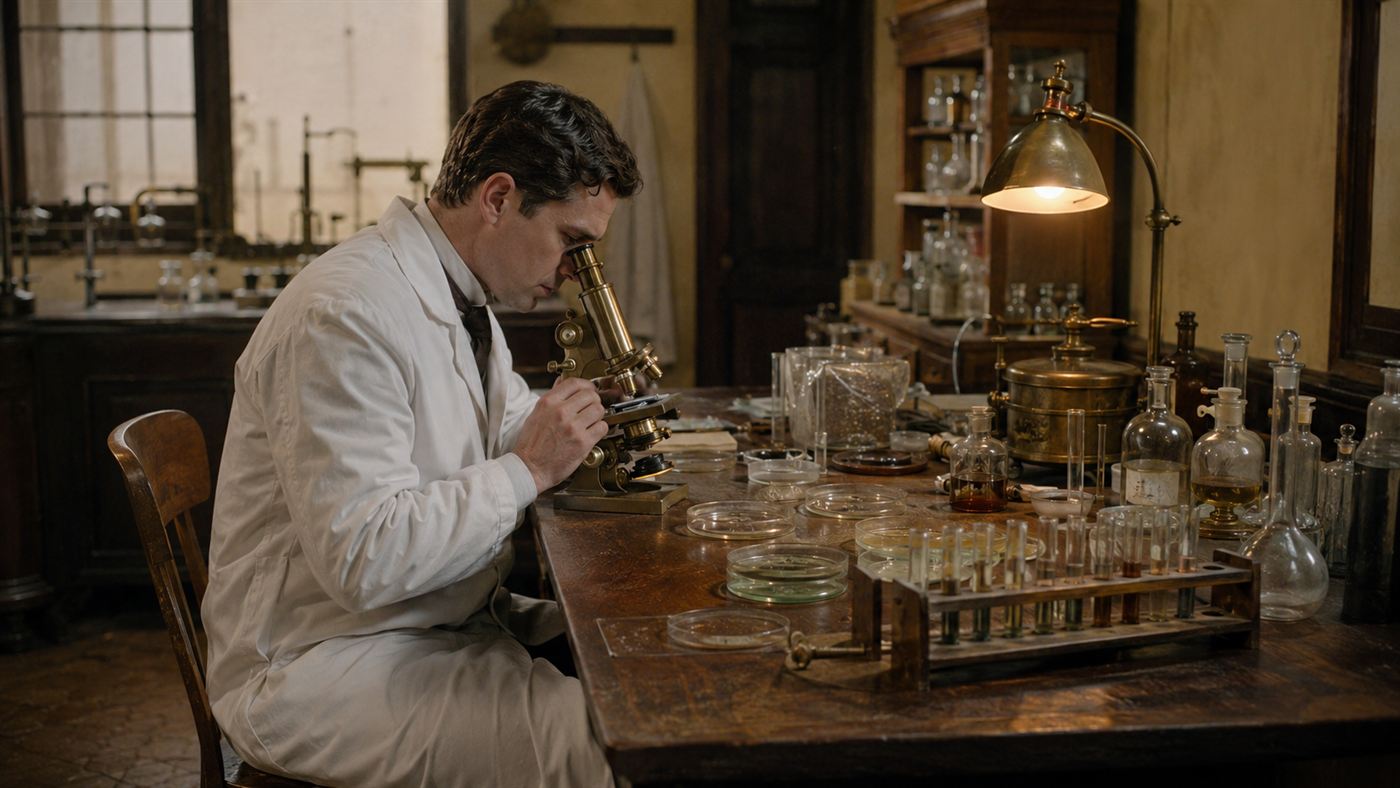
In the summer of 1906, a wealthy family renting a house on Long Island came down with typhoid fever, a serious and sometimes deadly infection usually blamed on dirty water. But the water here was clean, and the puzzled owners hired a sanitary engineer named George Soper to work out how the disease had crept into such a comfortable home.
Soper's trail led to the family's cook, an Irish immigrant named Mary Mallon, who had already moved on to another job. As he dug into her employment history, he found a chilling pattern: household after household where she had cooked, followed by outbreaks of typhoid. She herself was the picture of health.
The short version is that Mary Mallon was the first person in America proven to be a healthy carrier of a deadly disease, spreading it without ever feeling sick. That discovery made medical history, and it also condemned her to a life that raises hard questions we still argue about.
The cook who carried death
At the time, the idea of an asymptomatic carrier, a perfectly well person who is a walking source of infection, was brand new and deeply strange. Mary carried the typhoid bacteria in her body, most likely in her gallbladder, and passed them on through the food she handled. Her famous dish was a dessert of ice cream and fresh peaches, never cooked, which was a perfect way to deliver live germs straight to the table.
When George Soper first approached her and explained that her body might be killing people, Mary reacted with fury and disbelief. She felt fine, she had done nothing wrong, and this stranger was accusing her of spreading death. By some accounts she chased him off with a carving fork, and she flatly refused to give the samples that could prove his theory.
Why Typhoid Mary became a villain
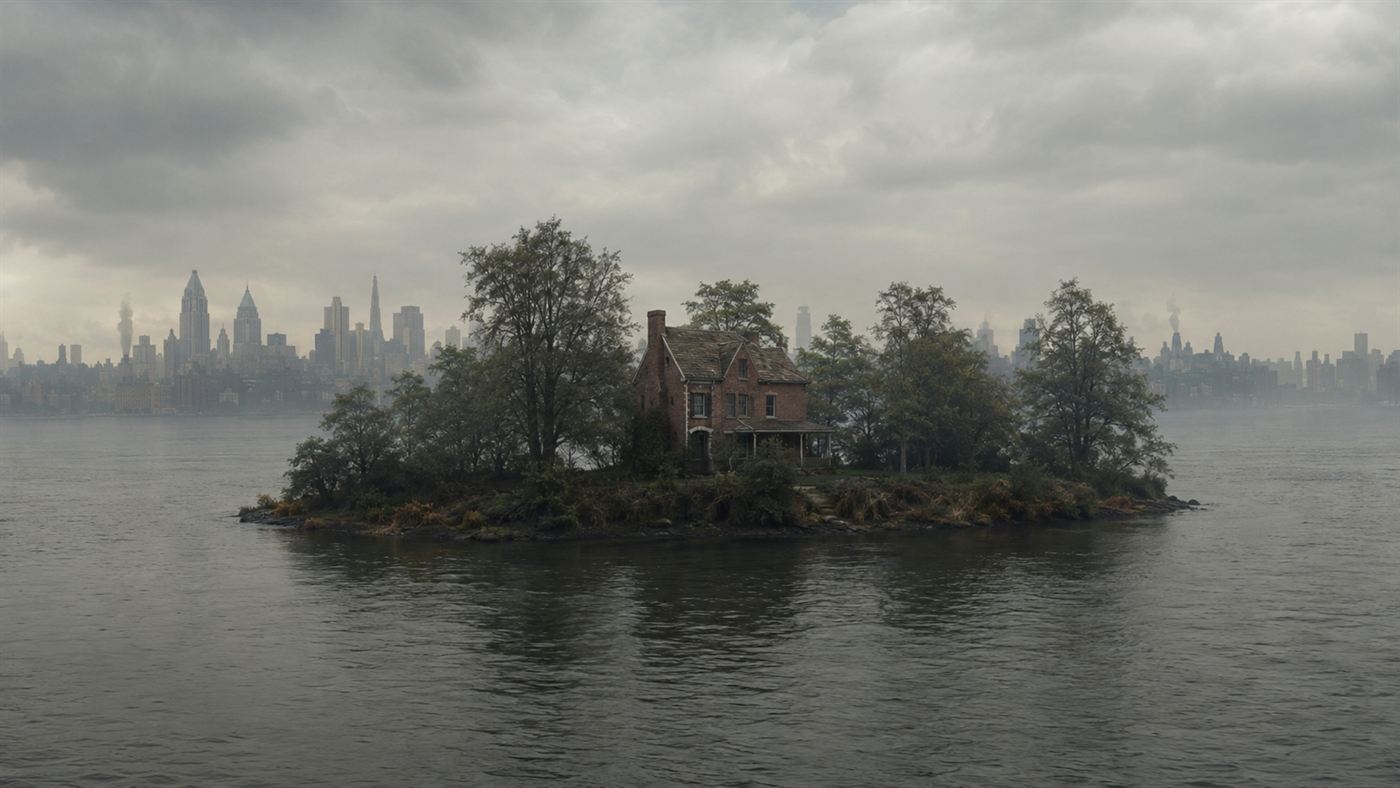
Public health officials eventually took her by force and tested her, confirming that she was teeming with typhoid. In 1907 they placed her in isolation in a small cottage on North Brother Island, a scrap of land in New York's East River used to quarantine the contagious, and the newspapers gleefully turned her into a monster called Typhoid Mary.
The name Typhoid Mary stuck because it was vivid and frightening, the notion of an ordinary cook secretly sowing disease wherever she went. But it flattened a complicated woman into a cartoon. Mary was not a poisoner with evil intent; she was a working-class immigrant caught in the gears of a science she had every reason to distrust, and the name would haunt her for the rest of her life.
A promise she could not keep
After nearly three years on the island, Mary was released in 1910 on one strict condition: she must never work as a cook again. It sounds reasonable, but it ignored a hard reality. Cooking was her trade and her livelihood, other work paid far less, and she still did not truly accept that she was dangerous.
So she changed her name to Mary Brown and quietly went back to the kitchens. For a few years she cooked in restaurants and hotels, and then, in 1915, typhoid swept through a Manhattan maternity hospital where she was working, sickening around 25 people and killing two. This time there would be no second chance.
Was it fair to lock her up for life?
After the hospital outbreak, Mary Mallon was sent back to North Brother Island, and this time she never left. She lived there, largely alone, for another 23 years, until a stroke and then pneumonia killed her in 1938. In all, Typhoid Mary spent about 26 years of her life in confinement for an infection she never chose to carry.
Here the story turns genuinely uncomfortable. By the time she died, health officials knew of dozens of other asymptomatic carriers of typhoid, some of whom had caused more illness than she had, and almost none of them were locked away for life. Mary, a poor single Irishwoman with a sharp temper, was treated far more harshly than carriers who were wealthier, male, or better connected.
The honest catch
It would be easy to swing all the way to the other side and cast Mary Mallon as a pure victim, but that is not quite right either. She was warned, in plain terms, that cooking could kill, and she chose to return to it under a false name, and people died because of that choice. Both things are true of Typhoid Mary at once, and the discomfort of holding them together is the real heart of the story.
What the tale of Typhoid Mary really exposes is not one wicked woman but a hard collision between public safety and personal freedom, sharpened by class and prejudice. She was genuinely dangerous, and she was genuinely wronged, singled out for a punishment others escaped. More than a century later, in a world that has lived through its own arguments about quarantine and contagion, her lonely island is not such a distant place after all.
A healthy woman spread a killer through her cooking, refused to believe it, and spent most of her life imprisoned on an island for a danger she never asked to carry. Faced with someone deadly through no fault of their own, where should the line fall between protecting the public and protecting a single life? Tell us what you think in the comments.
Related reading: the New England family that dug up a daughter, blaming a vampire for tuberculosis. See also the iron lung that breathed for polio patients, and the poisoning that put a safety seal on every bottle.