A brain operation that blunted people for life was called a miracle, won its inventor a Nobel Prize, and was carried across America with an ice pick
It is easy to file the lobotomy under old-fashioned barbarism, a crime of ignorant doctors we have safely left behind. The uncomfortable truth is that it was celebrated, mainstream, prize-winning medicine, praised in newspapers and performed on desperate families' loved ones by the thousand.
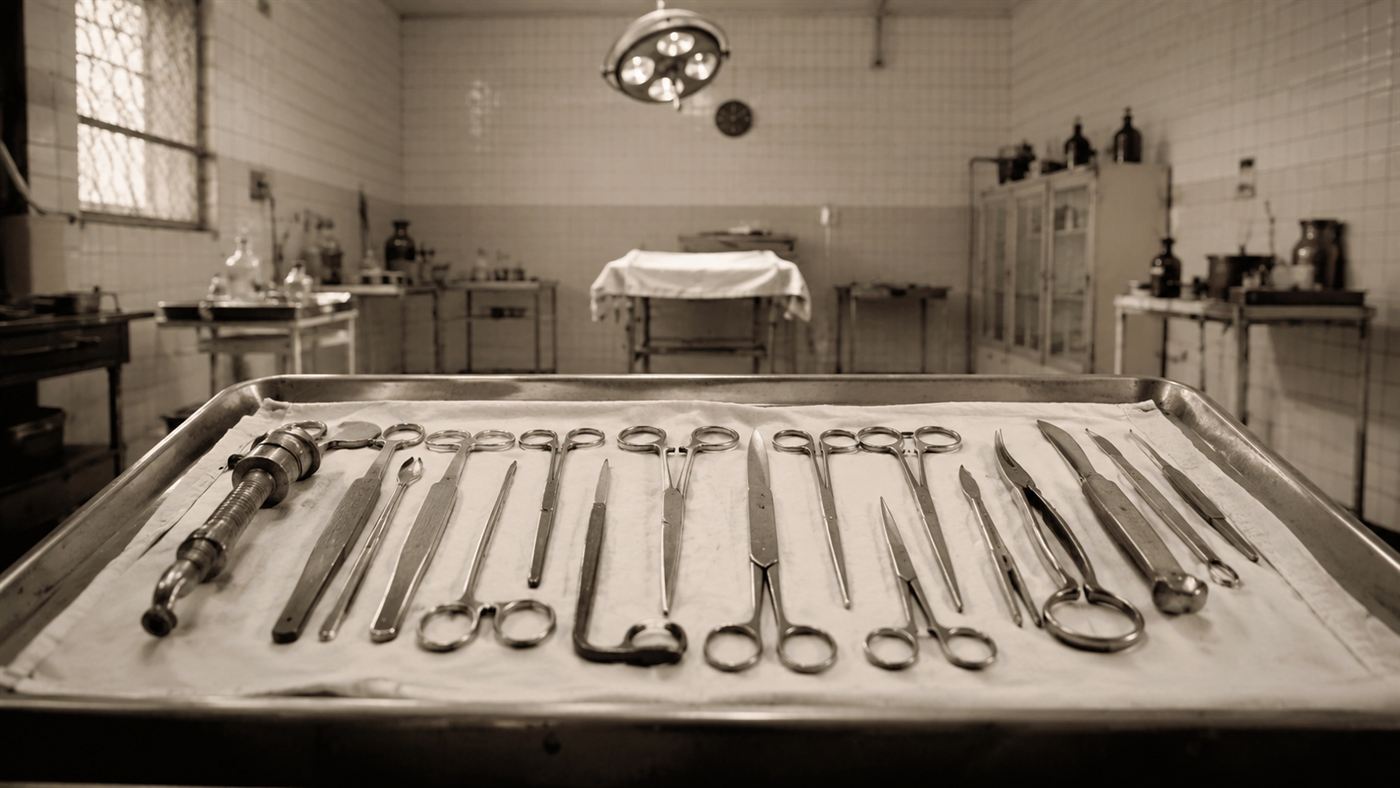
For two decades the lobotomy was treated as a genuine medical breakthrough. Illustration: Watts & Wild.
The lobotomy was a psychosurgery, an operation that deliberately cut the connections in the front of the brain, the region tied to personality, planning and feeling. The idea was that severing those links would calm a troubled mind, and in a narrow sense it often did, by dimming the person almost to nothing.
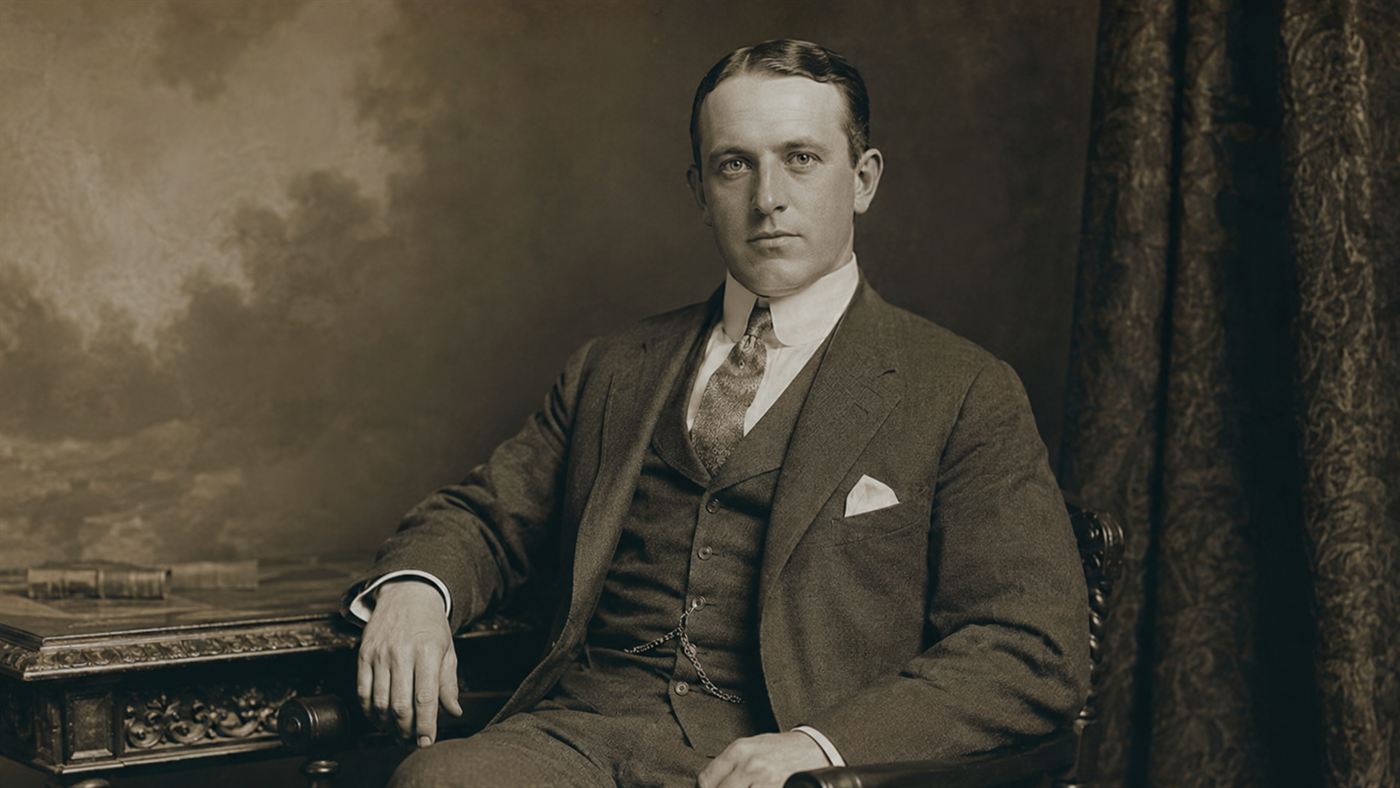
It began as respectable science. In the mid-1930s a Portuguese neurologist, Egas Moniz, developed the operation, and it spread quickly through a medical world that was desperate for anything that seemed to help. In 1949, Egas Moniz was awarded the Nobel Prize for it, the highest honour science can give.
The short version is that this was not fringe quackery but the medical establishment at its most confident, and understanding how that happened is far more disturbing, and more useful, than simply calling the doctors monsters.
Why the lobotomy seemed like a cure
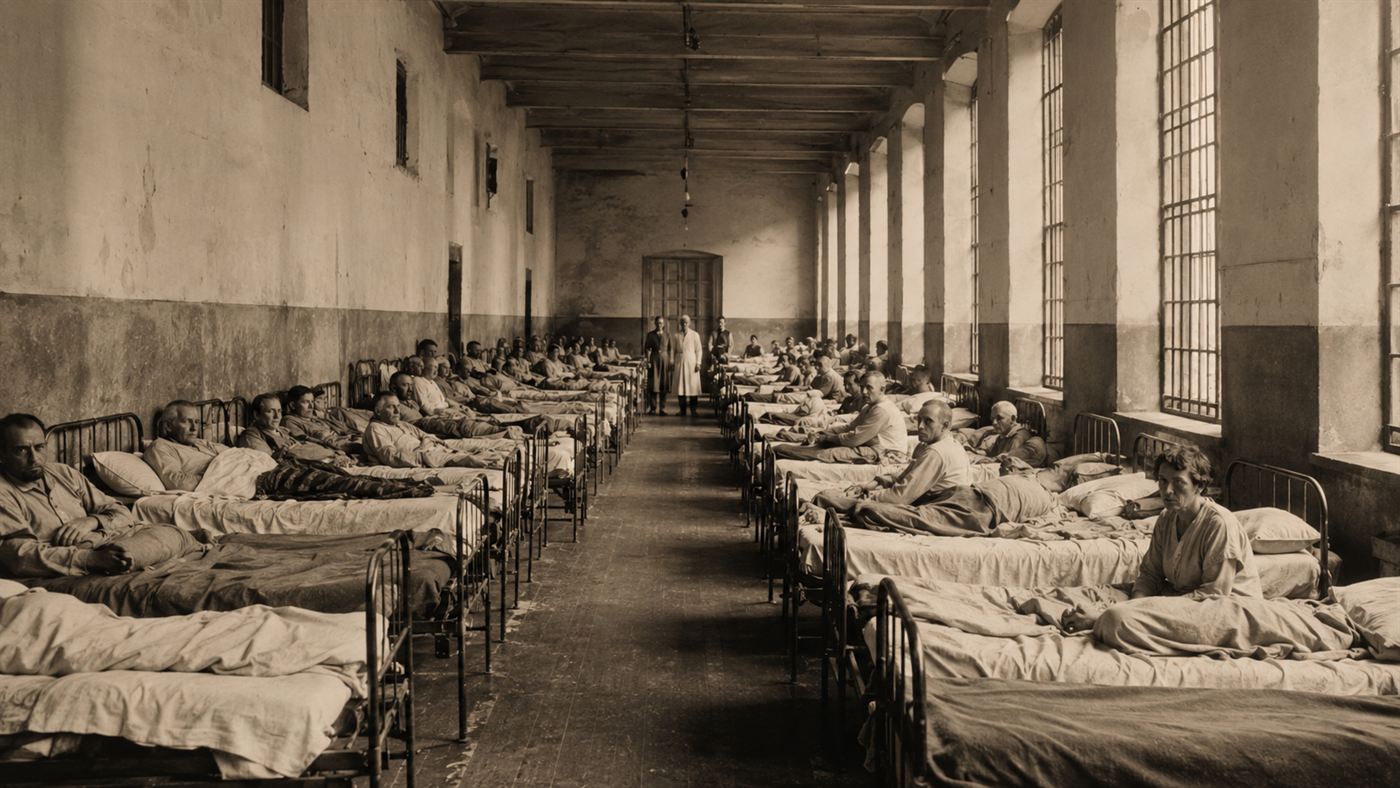
To see why sober physicians embraced it, you have to picture the asylums of the time. They were vast, overcrowded and often hopeless places, holding people with severe mental illness for whom there was essentially no effective treatment at all. Families watched loved ones suffer for decades with nothing to offer but confinement.
Into that despair came an operation that could make a violently distressed patient suddenly quiet and manageable. To exhausted staff and frightened relatives, that change could look like salvation, and the terrible cost, a person emptied of their former self, was easy to reframe as a patient finally at peace.
The doctor with the ice pick
The man who turned the lobotomy into an American phenomenon was Walter Freeman. Impatient with the slow, surgical version that needed an operating theatre, he devised a faster method that horrifies to this day: he would render the patient unconscious, drive a slim instrument like an ice pick through the thin bone at the top of the eye socket, and sweep it to cut the brain, all in a few minutes.
Because it needed no surgeon and no sterile theatre, Walter Freeman could perform it almost anywhere, and he did, travelling widely to demonstrate and carry out the procedure with a showman's zeal. Over his career he did thousands of them, sometimes many in a single day, treating a brain operation almost like a routine office visit.
What the operation really did
The results, seen clearly, were devastating. Some patients did become calmer, but enormous numbers were left blunted, apathetic and childlike, robbed of drive, judgement and feeling, and a portion were made worse or died. The damage could not be undone, because there was no putting back what the blade had cut.
Among the most famous victims was Rosemary Kennedy, sister of a future president, lobotomised as a young woman and left permanently unable to care for herself. Tens of thousands of less famous people met quieter versions of the same fate, their names lost, their futures cut short in a procedure the world was applauding.
Why did it finally stop?
Not, at first, because of a moral awakening, but because something better arrived. In the 1950s the first effective antipsychotic drugs reached the wards, offering a way to calm and treat patients without cutting into their brains, and the case for the lobotomy collapsed almost overnight.
Freeman himself kept going into the 1960s, long after the tide had turned, until a patient died under his hand and he was finally stopped. The operation faded into infamy, and its Nobel Prize, never rescinded, became one of the most awkward entries in the whole history of the award.
The honest catch
It is satisfying to make Walter Freeman the villain, and his recklessness, the ice pick, the showmanship, the operations on children, earns real blame. But if the story stops at one bad man, it misses the harder and more important point. The lobotomy was endorsed by the mainstream, blessed by the Nobel committee and welcomed by good, frightened families, which means the failure was not one rogue doctor but a whole system.
The real warning is about how medicine behaves under pressure. Faced with terrible suffering and no good options, doctors and desperate relatives reached for a drastic, irreversible fix on thin evidence, and hope drowned out doubt for two decades. The people it maimed were not statistics but individuals like Rosemary Kennedy, and the lesson is not that the past was uniquely cruel, but that the mix of desperation, confidence and weak proof that produced the lobotomy is always waiting to produce the next one.
A prize-winning miracle turned out to be a tragedy carried out on tens of thousands of people. How do we tell a real medical breakthrough from the next confident mistake before the damage is done? Tell us what you think in the comments.
Related reading: Radithor, the radioactive tonic sold as a cure that killed its fans. See also the prison built out of mercy that became a slow torture, and the Radium Girls, poisoned by a job that was sold as safe. See also the orphan trains, a rescue that scattered a quarter of a million children.