A prison was built to be kind by keeping every inmate in perfect silence and solitude, and the mercy turned out to be a slow torture of the mind
In 1829, reformers opened a prison meant to be gentler than anything before it. There would be no whips and no chains, only silence, a cell and time to think. They were certain they had found a humane path, and they had instead invented a machine for breaking the human mind.
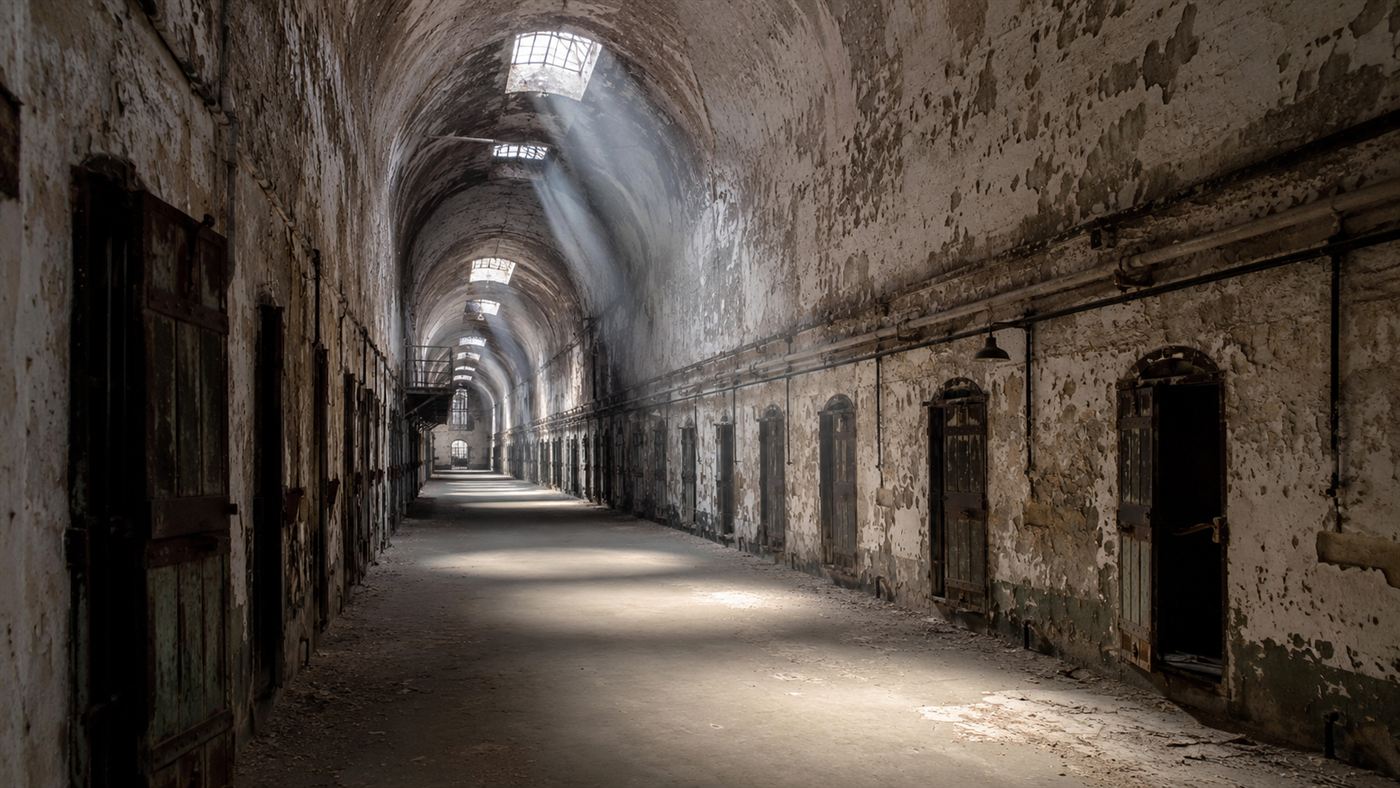
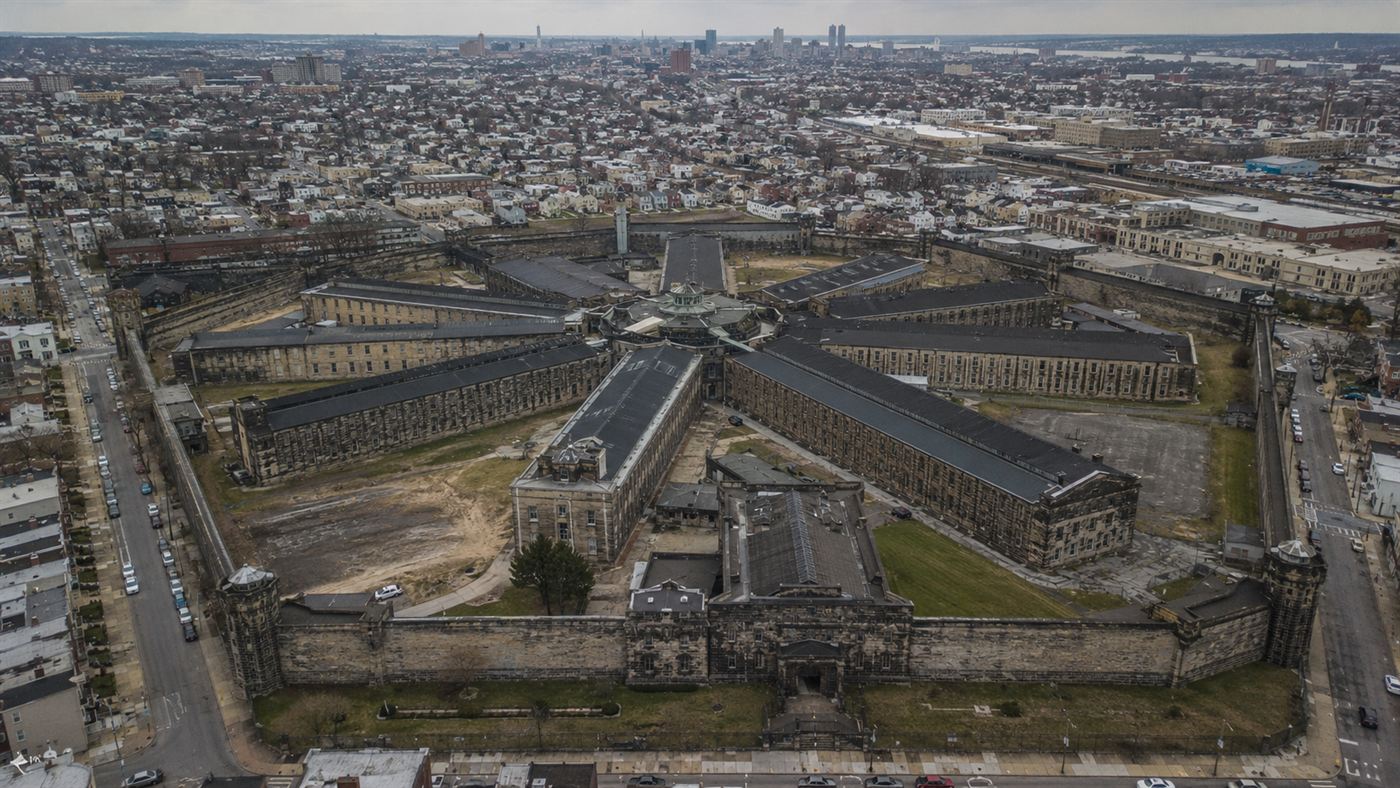
The vaulted cell blocks of Eastern State Penitentiary radiate from a central hub. Illustration: Watts & Wild.
On the edge of Philadelphia stands a strange stone fortress, and when it opened in 1829 as Eastern State Penitentiary, it was one of the most famous buildings in the world. Its very name announced its purpose. This was not just a prison; it was a place designed to produce penitence, a genuine change of heart in the people locked inside.
The prisons of the day were filthy, crowded pits where inmates were beaten, exploited and thrown together in misery. To the reformers behind Eastern State, many of them influenced by Quaker ideas, that was both cruel and useless, and they set out to build something they truly believed would be more humane.
The short version is that their kindness was sincere, their confidence total, and their result a catastrophe. What they built in the name of mercy became one of the most influential bad ideas in the history of punishment.
Life inside Eastern State Penitentiary
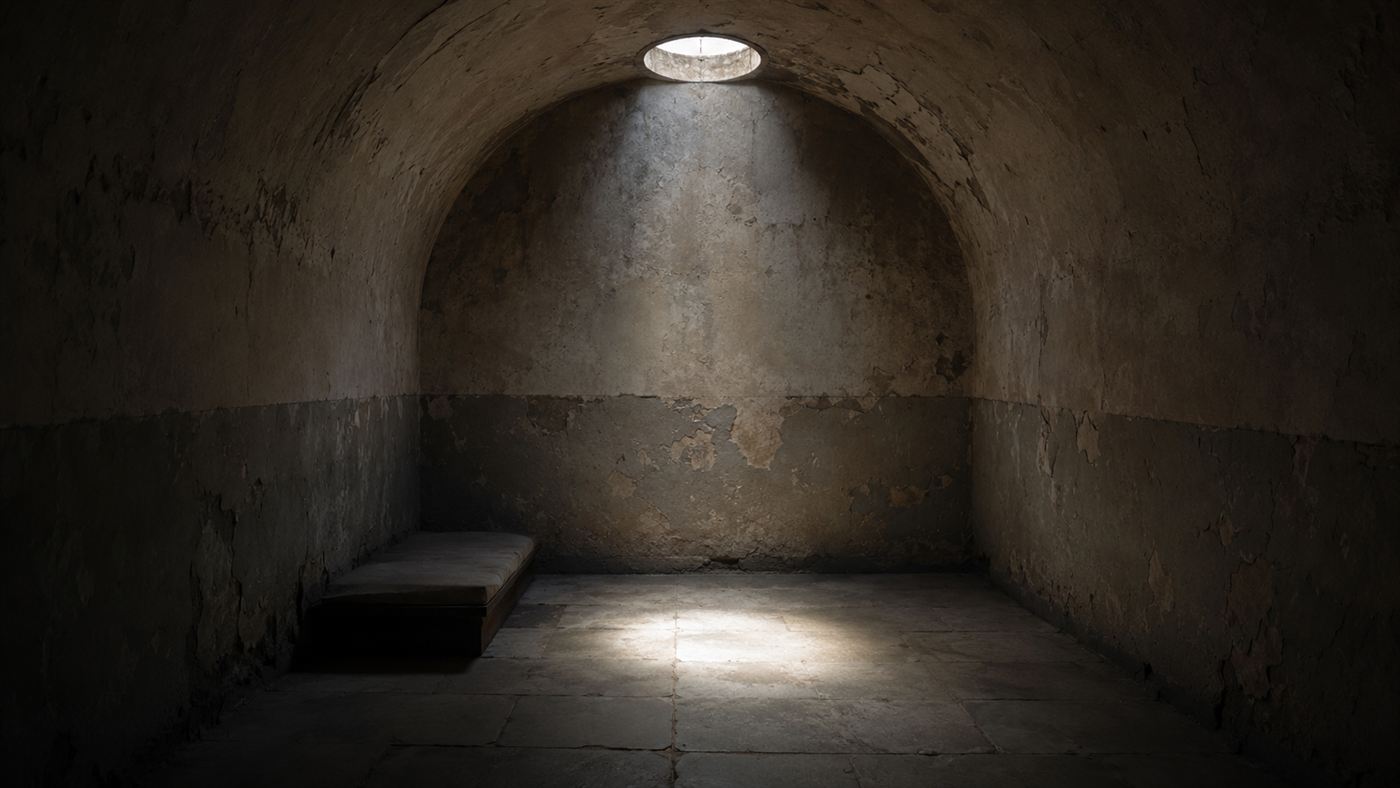
The rule was near-total isolation. Each prisoner lived alone in a single cell, ate alone, worked alone at a craft, and exercised alone in a small private yard, seeing almost no other human being. Above each cell was a single small skylight, sometimes called the Eye of God, meant to remind the inmate that only heaven was watching.
Silence was enforced with almost religious strictness. When a prisoner was moved through the building, a hood was placed over his head so he could not see or be seen, arriving and leaving as an anonymous figure. The idea was that, stripped of all distraction and company, a person would have no choice but to sit with his conscience and be remade by it.
The theory of healing through solitude
To modern ears this sounds like obvious cruelty, but that is not how its creators saw it. They imagined the cell as a kind of monastery, a quiet room where a guilty soul, given a Bible and honest labour, would reflect on its wrongs, find penitence and slowly heal. The whole penitentiary was, in their minds, a hospital for the conscience.
This was the Pennsylvania system, and it was radical and deeply earnest. The reformers were not sadists dressing up torture; they were idealists who had convinced themselves that solitude and silence were medicine. That sincerity is exactly what makes the story so unsettling.
What solitary confinement really did
The human mind, it turned out, does not heal in a silent box. Cut off from company, conversation and even the sight of other faces for months and years, many prisoners did not find peace; they came apart. Reports told of inmates sinking into despair, hallucination and madness under the weight of the silence.
What the reformers had built was one of the first great engines of solitary confinement, and it revealed, early and clearly, what such isolation does to people. The very feature meant to save the prisoner, his total separation from others, was the thing that hollowed him out.
Why did the world copy it anyway?
Despite the mounting evidence of harm, the Pennsylvania system and the prison that pioneered it, Eastern State Penitentiary, became one of the most imitated designs ever made. Its dramatic design, with cell blocks radiating like spokes from a central hub so a few guards could watch everything, was copied in hundreds of prisons around the globe.
The famous novelist Charles Dickens came to see it in 1842 and left horrified. Charles Dickens wrote that this slow, daily tampering with the mysteries of the brain was immeasurably worse than any torture of the body, precisely because the wounds it left could not be seen. Yet the model spread anyway, its handsome architecture and noble promises outrunning the quiet ruin it caused inside.
The honest catch
It is easy to look back and sneer at the people who built this place, but that is the wrong lesson, and an unfair one. They were not monsters; they were reformers trying to end real brutality, and they failed not through cruelty but through certainty, sure they knew what would heal a human being when they did not. The horror at Eastern State grew out of good intentions held far too tightly.
And the story is not safely over. Today the penitentiary is a crumbling museum, sold partly as a spooky Halloween attraction, which risks turning genuine, documented suffering into a bit of fun. Worse, the question it answered so painfully, whether long isolation reforms people or destroys them, is still live, because solitary confinement is used right now in prisons around the world. Eastern State showed us the answer almost two centuries ago. We simply have not agreed to believe it.
A prison built out of mercy became a lesson in how solitude can break a mind, and we are still arguing about it. If we already know what long isolation does to people, why do we keep using it? Tell us what you think in the comments.
Related reading: Pruitt-Igoe, another hopeful reform that had to be destroyed. See also the theatre sold as perfectly safe before disaster struck, and the Kensington Runestone, a stubborn American mystery. See also the lobotomy, a Nobel-winning cure that became a byword for horror.