After decades of hype, quantum computing is finally closing in on beating ordinary computers at something real
In 2026, a technology that has been promised for a generation took a concrete step toward proving itself. Quantum computing, a machine that works by the strange rules of the very small, is now closing in on the moment it can beat the world's best ordinary computers at a genuine task, a milestone the field has chased for decades.
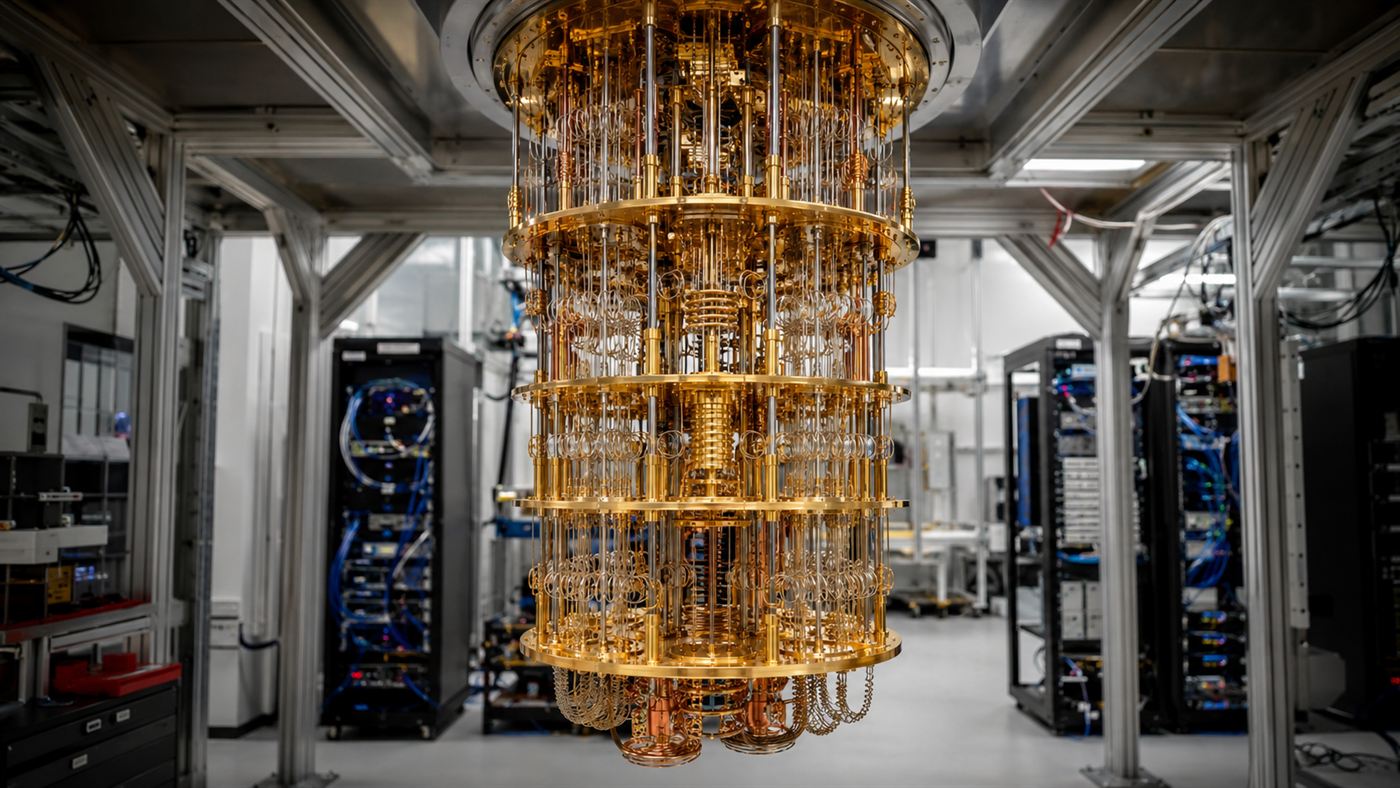
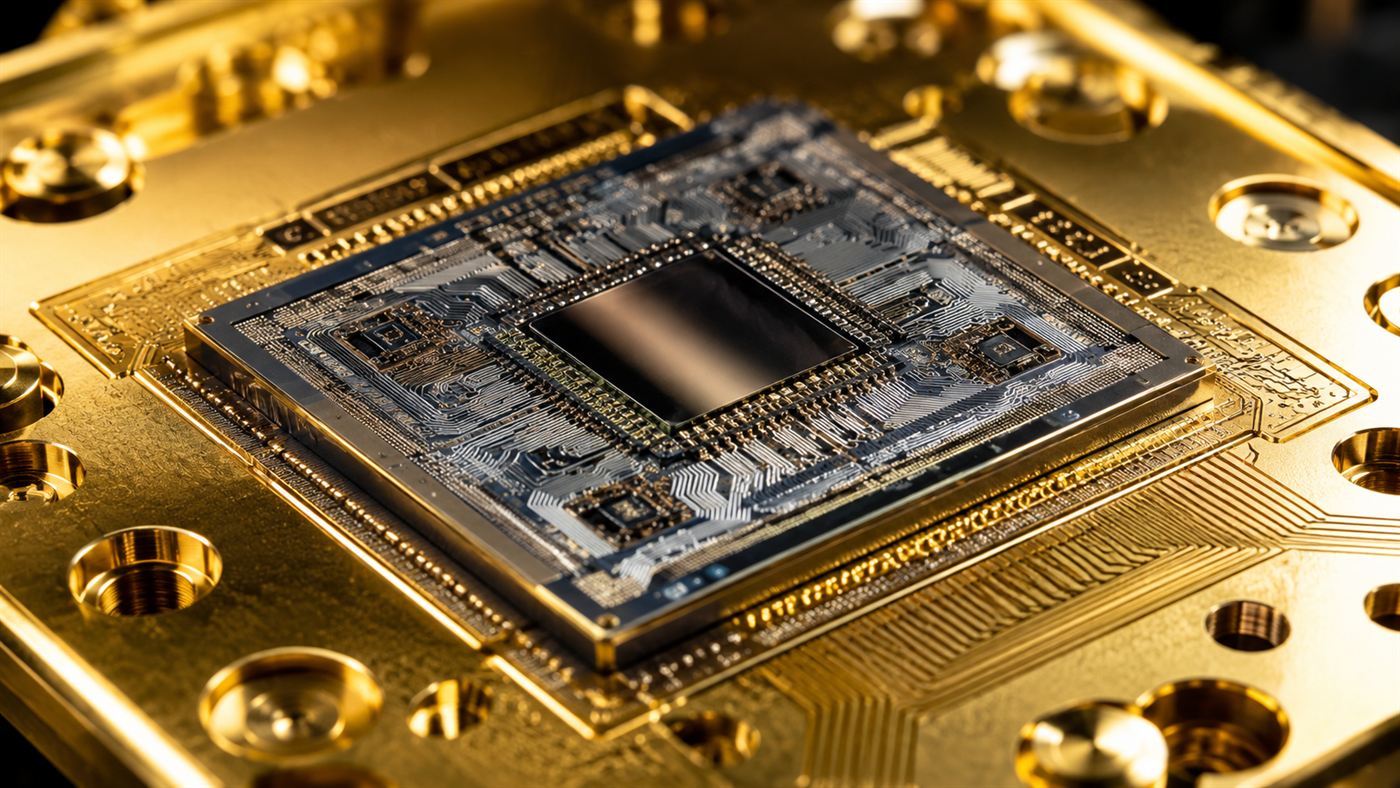
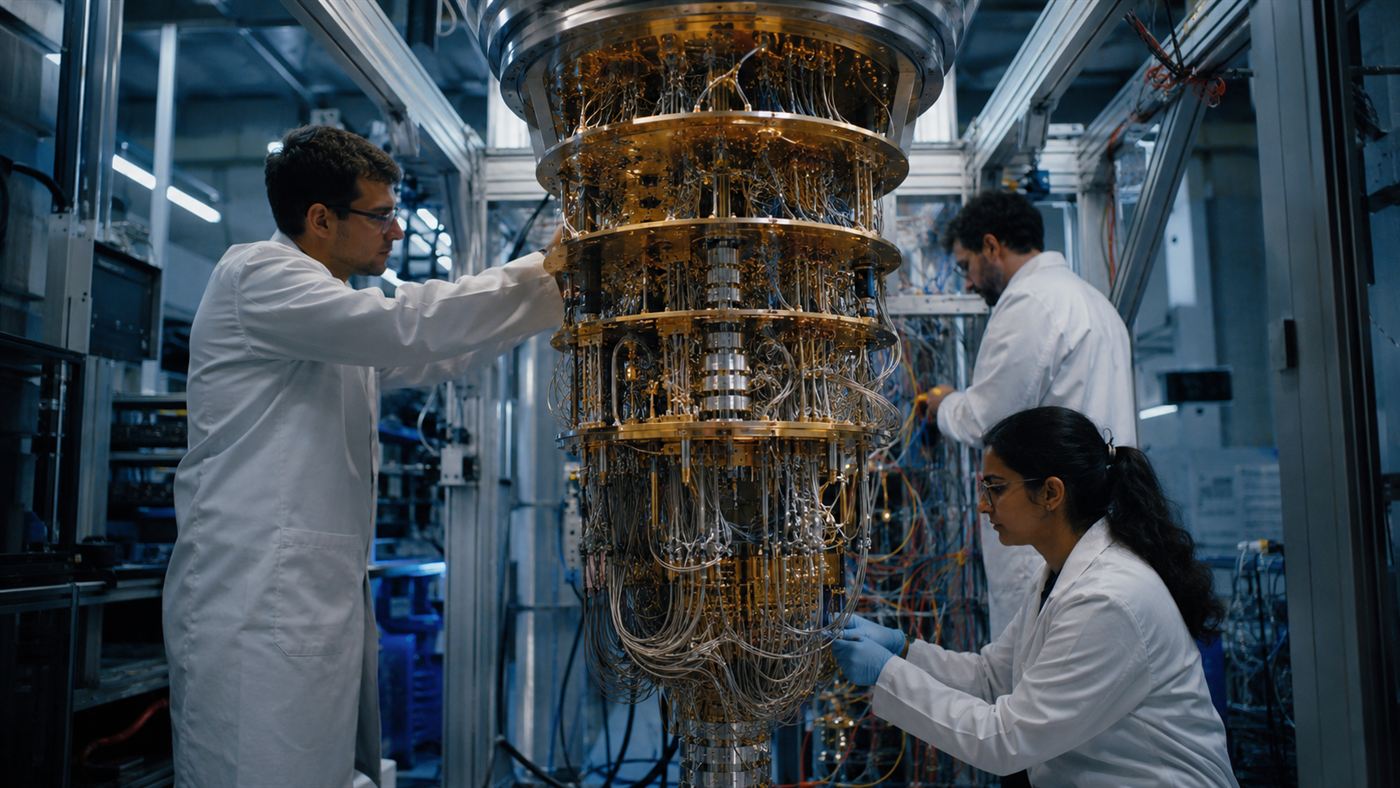
The gold tiers of a quantum computer are a cooling system that chills its heart near absolute zero. Illustration: Watts & Wild.
The clearest sign came from IBM, which unveiled a new processor called Nighthawk carrying 120 qubits, the quantum equivalent of the bits in a normal computer, wired together more richly than its earlier chips. The company says the design can run far more complex calculations while keeping mistakes in check, and it has set a bold public goal: the first verified quantum advantage, confirmed by outside scientists, by the end of 2026.
That phrase, quantum advantage, is the whole game. It means the point at which a quantum machine solves a specific problem faster than any ordinary computer on Earth possibly could. Rivals such as Google have been pushing hard on the same frontier, reporting big gains in error correction, the art of stopping fragile qubits from making mistakes, which is the true barrier to progress.
The short version is that quantum computing, for years a field of grand promises and modest results, is finally producing the kind of hardware that could soon do something no classical machine can match.
Why quantum computing is so hard to build
A quantum computer is not just a faster version of the laptop on your desk. It exploits the bizarre behaviour of particles at the tiniest scale, where a qubit can be both a 0 and a 1 at once and many qubits can be linked so their fates are intertwined. That lets the machine explore a vast number of possibilities together, which is powerful for a few special problems and useless for most everyday ones.
The catch is that this quantum state is agonisingly delicate. The faintest heat, vibration or stray signal collapses it and ruins the calculation, which is why the fragile heart of it must be chilled near absolute zero, colder than deep space, inside those glittering gold chandeliers. Keeping enough qubits stable and error-free at once has been the central struggle of the whole endeavour.
What error correction changed
The quiet hero of the recent progress is error correction. Because individual qubits are so unreliable, the plan has always been to gang many physical qubits together to form a single, sturdier logical one that can catch and fix its own mistakes. For years that overhead looked crushing, needing perhaps a thousand physical qubits to make one reliable logical qubit.
In the last couple of years, researchers have shown the errors falling as they add qubits rather than piling up, a threshold long thought essential, and driven the ratio down sharply. That shift is what moved the field from making noisy, unreliable toys toward a real path to fault-tolerant machines. IBM now talks of a clear road to a large, error-corrected computer by around 2029.
What could a quantum computer actually do?
The genuine promise is real and specific. A large, reliable quantum machine could simulate molecules and materials atom by atom, something classical computers do only crudely, which might speed the design of new medicines, batteries and fertilisers. It could also crack certain hard mathematical problems, including, eventually and worryingly, some of the encryption that guards the world's data.
But these are prizes for a machine far larger and cleaner than anything that exists today. The first advantage is expected on narrow, almost artificial problems chosen because they suit a quantum computer and stump a classical one, more a proof of principle than a useful tool. The distance from outracing the biggest supercomputers on a single hard sum to curing a disease is still enormous.
Is this real progress or more hype?
It is genuinely both, and telling them apart is the whole trick. The hardware gains are real, the error-correction results are real, and serious companies are staking billions and their reputations on timelines they now feel able to name. This is not the vague someday of a decade ago; it is a roadmap with dates on it.
Yet quantum computing has a long history of milestones that sounded like arrival and turned out to be foothills. For years it was ten years away, always, and even the coming quantum advantage, if it lands on schedule, will be a narrow and contested victory rather than a world-changing one. Real progress and real overselling are travelling together, as they so often do.
The honest catch
It is tempting to read this as the dawn of the quantum age, the moment everything changes, and there is real substance beneath the excitement. Crossing into verified advantage, if it happens, would be a historic marker, proof that these strange machines can genuinely do what no ordinary computer can, and the engineering behind it is extraordinary.
But the catch must be said plainly. Proving you are faster is not the same as being useful, and the leap from a contrived benchmark to a machine that designs a drug or breaks a code is measured in years and many more breakthroughs. Quantum computing in 2026 is a field finally delivering on its hardware, and still a long way from delivering on its dreams. The right response is neither to yawn nor to panic, but to watch closely and believe the demonstrations, not the press releases.
Sources: Tom's Hardware on IBM's Nighthawk processor, IBM Newsroom, and Forbes.
A machine that computes by the rules of the atom is edging up on the world's mightiest supercomputers, after a lifetime of being just out of reach. Are you excited for the quantum age, or wary of a technology that could one day crack today's encryption? Tell us what you think in the comments.
Related reading: the giant factory making the classical chips quantum machines aim to outrun. See also the LK-99 superconductor claim that gripped and then deflated the world, and the Mechanical Turk, a computing marvel that was really a trick.