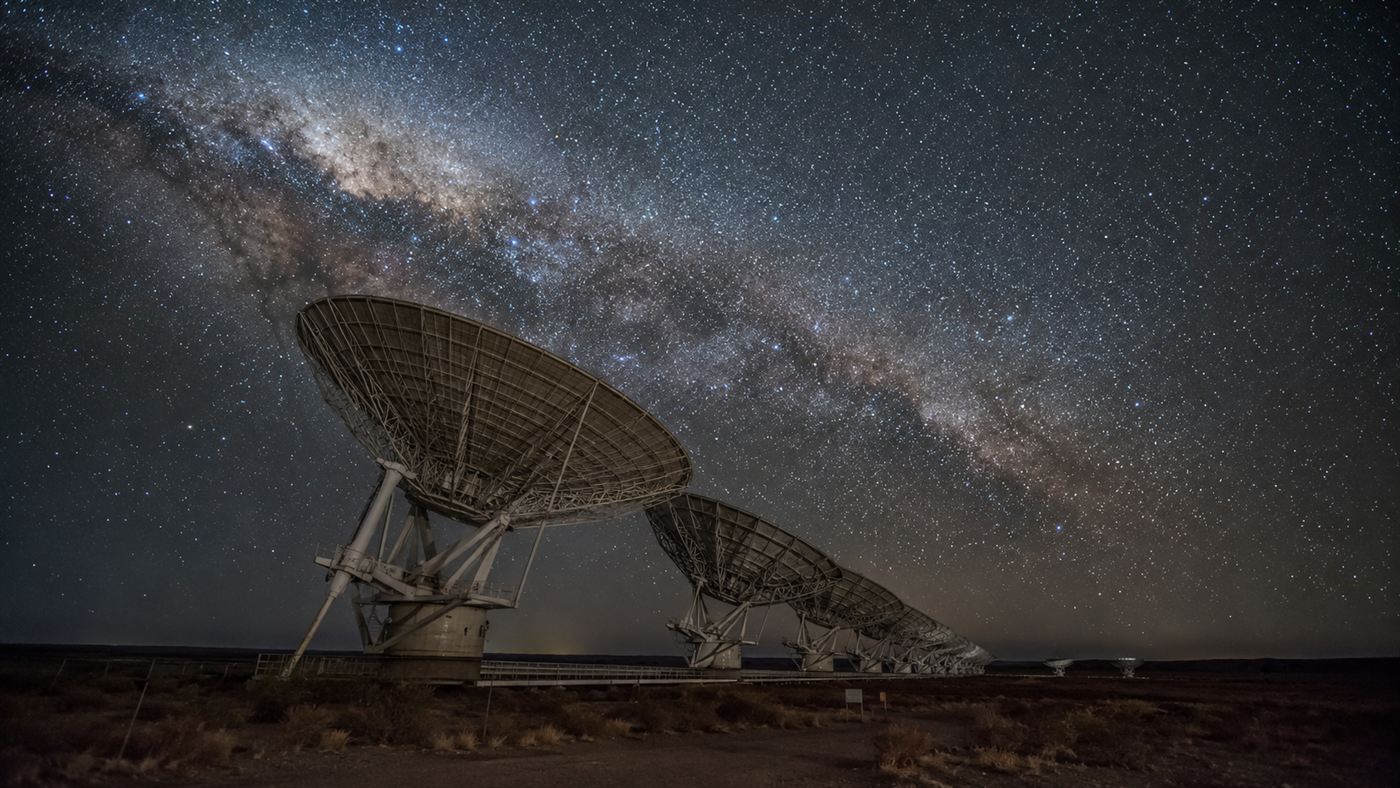
Two black holes collided 1.3 billion years ago, and in 2015 a machine on Earth felt the wobble it made, a shudder smaller than a proton
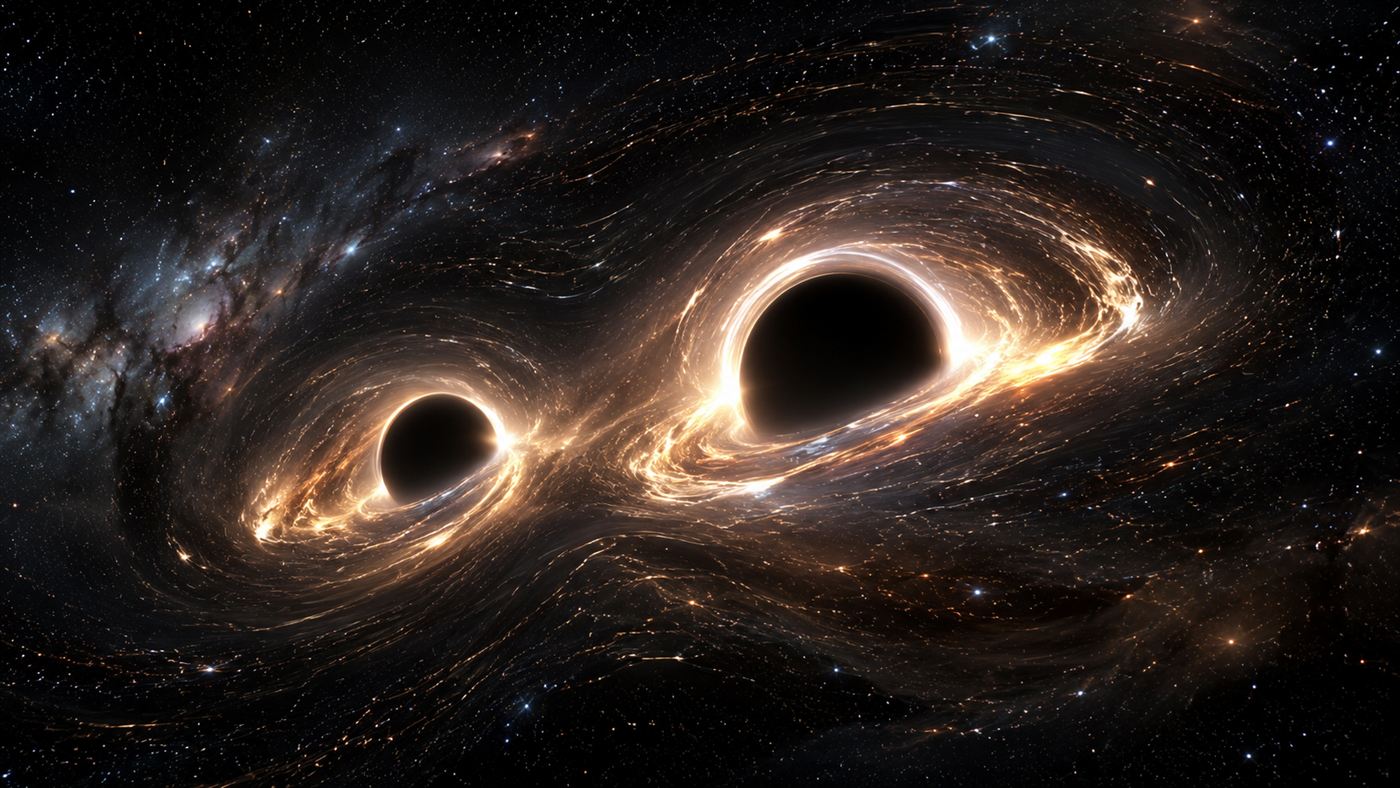
Far out in space, long before there were people, two black holes spiralled together and slammed into one another, and the violence shook the fabric of the universe itself. On 14 September 2015, that faint shiver finally washed over Earth, and for the first time a human-built machine felt it. The detection of LIGO gravitational waves proved Einstein right a century late and opened a brand new way to sense the cosmos.
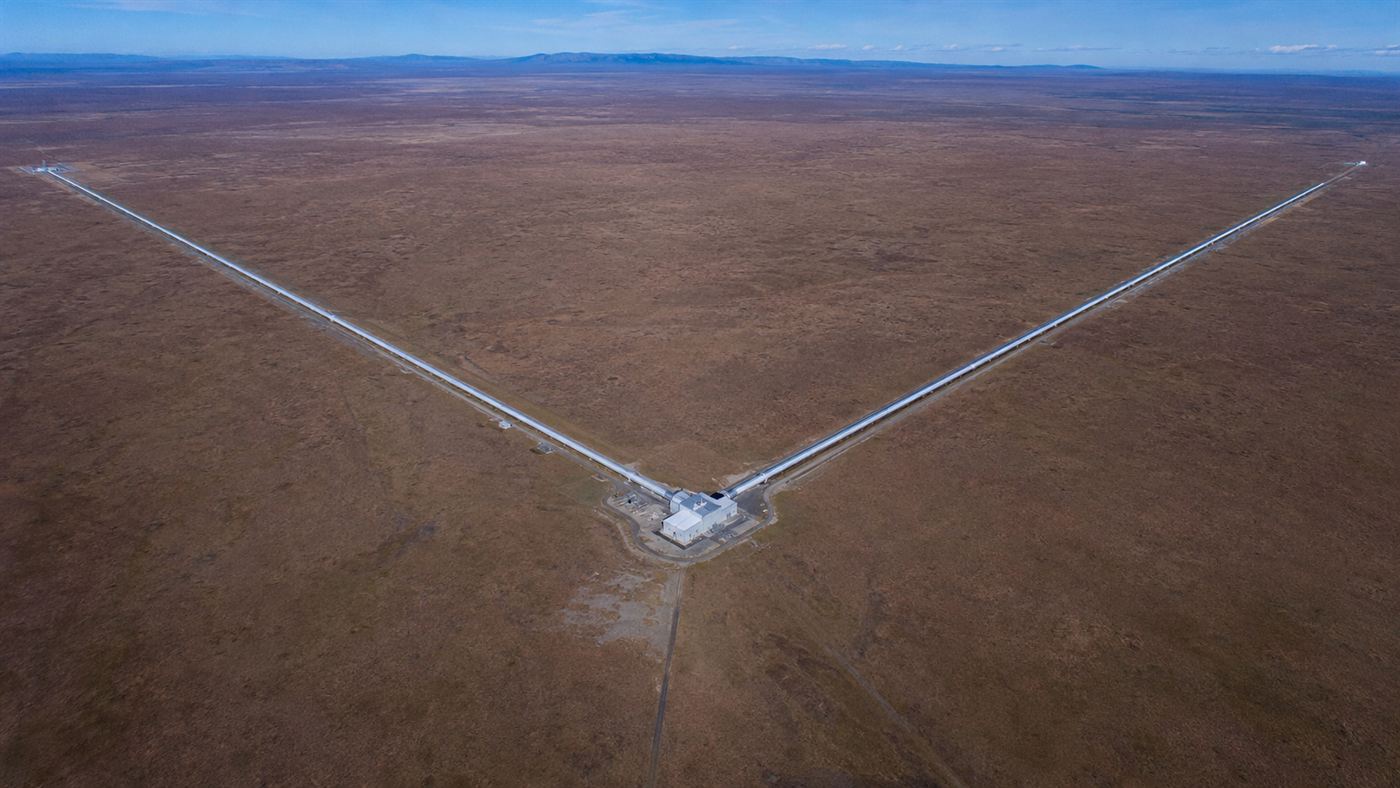
LIGO's L-shaped detector, with two 4-kilometre arms, listens for ripples in spacetime. Illustration: Watts & Wild.
Gravitational waves are not light or sound. They are ripples in spacetime, the very stuff that distances are made of, set off when enormous masses are violently accelerated. As Caltech's LIGO team describes, the 2015 signal came from two black holes, around 29 and 36 times the mass of the Sun, merging into one. In that final instant they converted about three entire Suns' worth of mass into pure energy, radiated away as gravitational waves.
Albert Einstein had predicted such waves back in 1916, as a consequence of his general theory of relativity. But he also suspected they would be so faint by the time they reached us that no instrument could ever hope to catch one. For a hundred years, he looked right about the doubt as much as the prediction.
How LIGO catches gravitational waves
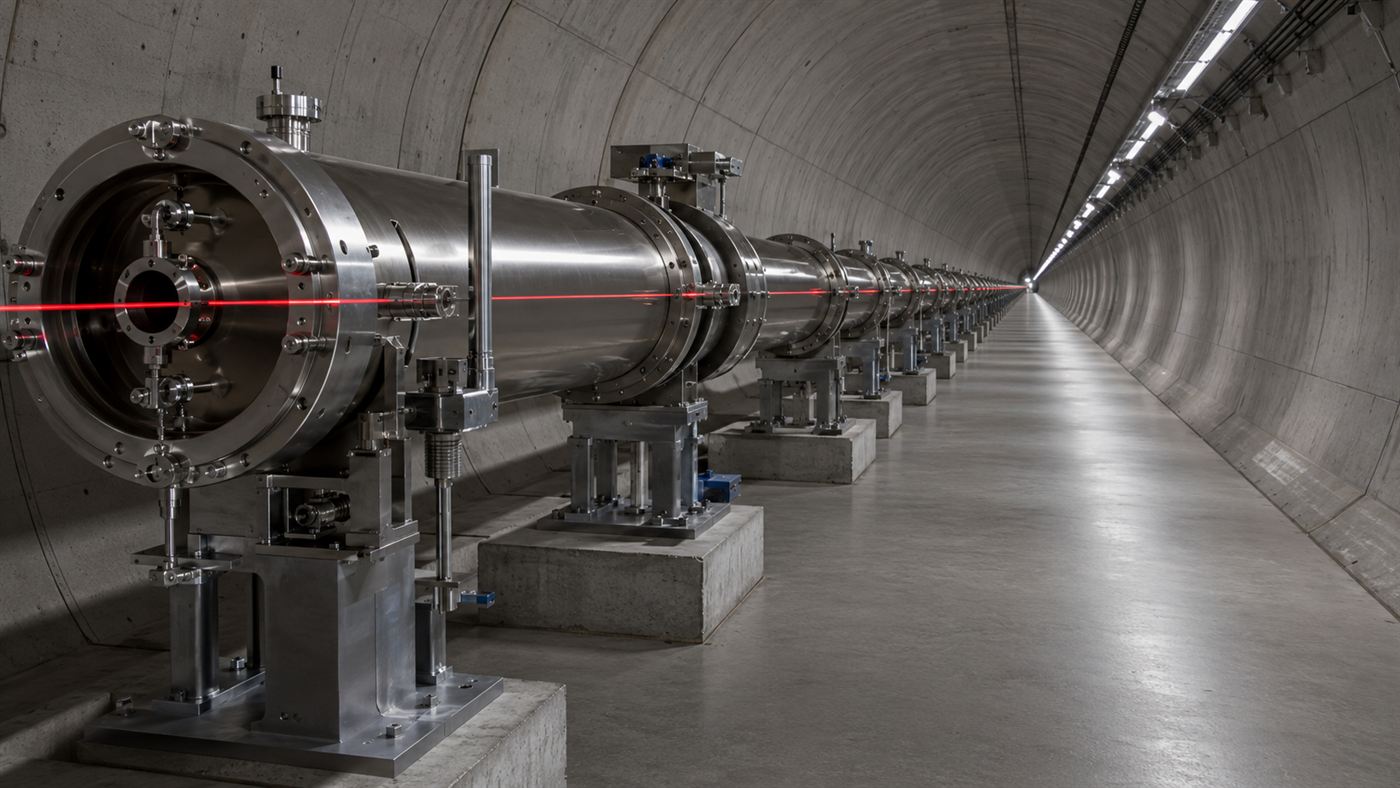
The machine that finally proved him wrong is almost comically extreme. LIGO is actually two detectors, one in Louisiana and one in Washington state, and each is a giant L with two arms four kilometres long. A laser beam is split and sent down both arms, bounced off mirrors, and recombined. If a gravitational wave passes through, it stretches one arm and squeezes the other by a minute amount, and that shows up as a shift in the light.
The amount is the part that breaks your brain. The wave changed the length of those four-kilometre arms by about a thousandth of the width of a single proton, a movement so small it borders on the absurd. Measuring it meant building the most sensitive ruler ever made, isolated from every passing truck, footstep and distant earthquake.
Hearing the universe for the first time
What makes this more than a physics footnote is that it gave us a new sense. Every telescope ever built collects some form of light, from radio waves to X-rays. Gravitational waves are something else entirely, a way to feel the universe shake rather than see it shine. For the first time, we could detect events, like black holes colliding, that give off almost no light at all and would otherwise be completely invisible to us.
Converted into sound, that first signal is a short rising "chirp," the audio of two black holes swinging around each other faster and faster before they merge. Within a couple of years the discovery, led by a collaboration of around a thousand scientists, had earned the 2017 Nobel Prize in Physics and launched an entire new field: gravitational-wave astronomy.
The honest catch
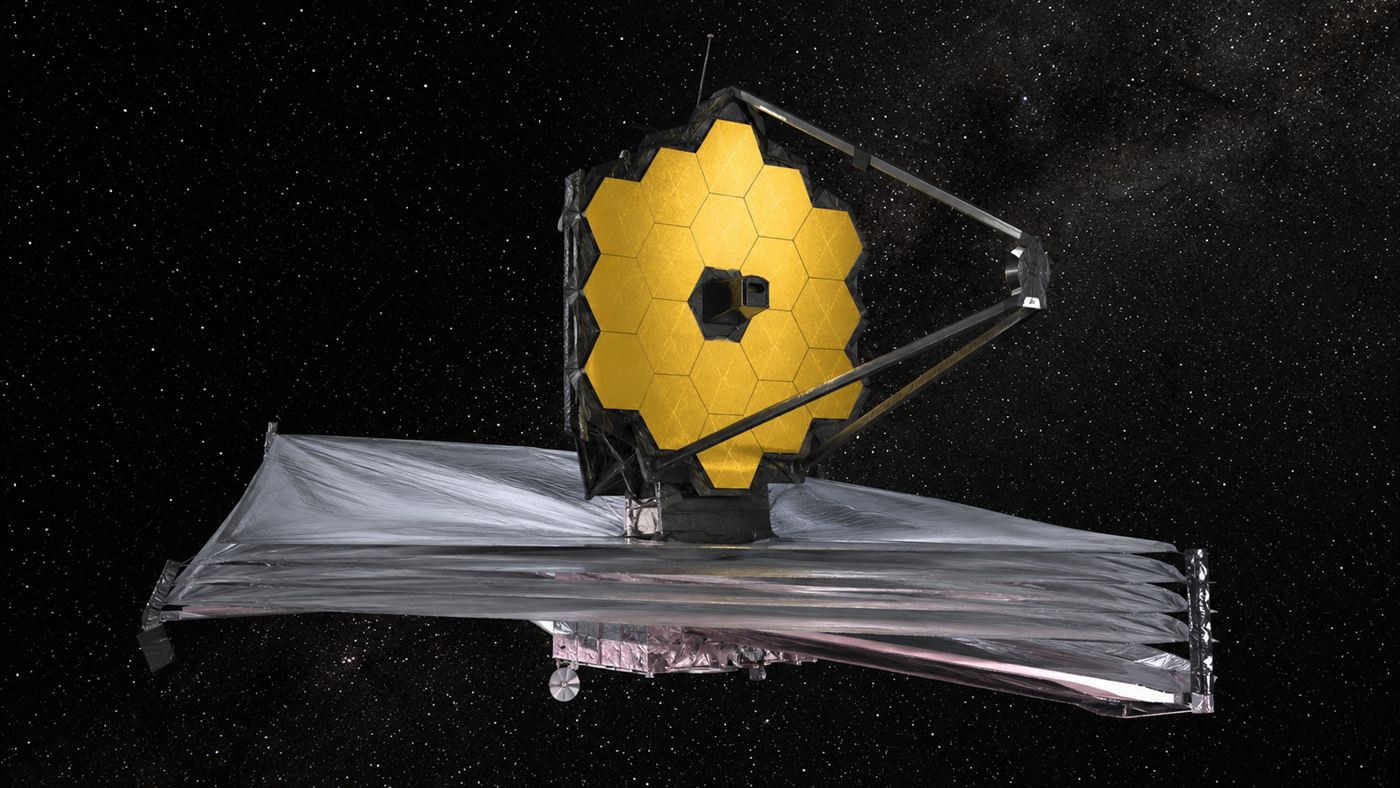
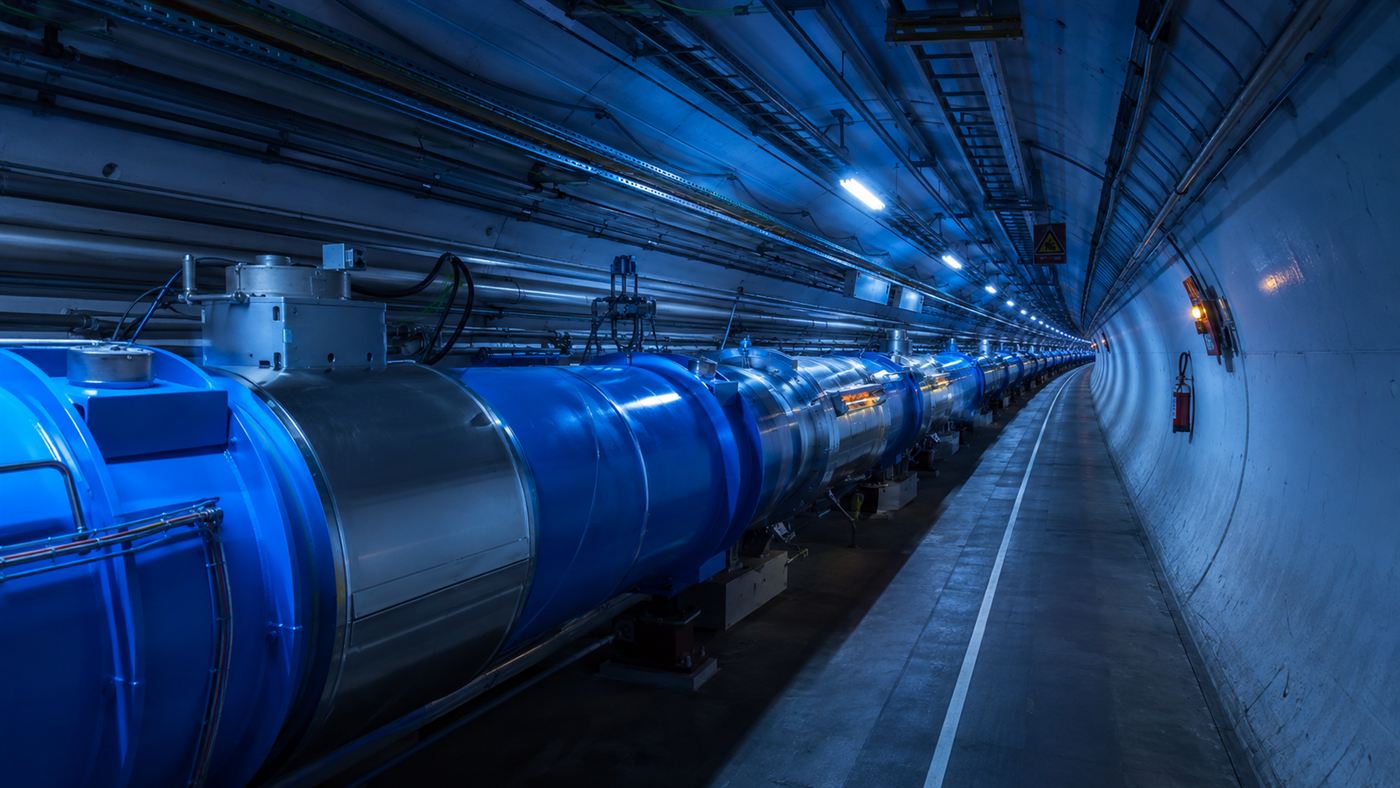
The triumph is real, but the instrument is almost unbelievably fussy, and that is the catch. LIGO is so sensitive that it feels everything: passing trucks, ocean waves crashing on faraway coasts, tiny earthquakes, even the rumble of its own equipment. That is exactly why there are two detectors thousands of kilometres apart; a true gravitational wave sweeps through both with the right tiny time delay, while local noise rattles only one, so a signal is only believed when both sites agree. Reaching this point took decades of work and a great deal of money, and even now LIGO only catches the most catastrophic events in the universe, the mergers of black holes and neutron stars. But the principle is settled: spacetime really does ripple, we really can feel it, and we have grown a brand new sense for a universe we could previously only watch. It belongs with the boldest instruments humanity has ever pointed at the sky, from the James Webb Space Telescope to the Large Hadron Collider.
A collision so far away it happened before complex life existed on Earth left a tremor we could finally feel a billion years later, smaller than a proton and yet unmistakable. Does it amaze you more that the universe ripples, or that we built something delicate enough to notice? Tell us what you think in the comments.
Related reading: the James Webb Space Telescope, the gold-mirrored eye that unfolded itself a million miles from Earth.