For more than a century strange glowing orbs have danced on the horizon of the west Texas desert near Marfa, and most of them turn out to be something wonderfully ordinary
Night after night, people gather at a lonely roadside platform in the Texas desert to watch lights that should not be there. They glow, drift, split apart and wink out, and for generations no one could say what they were. The answer, when it came, was strangely satisfying and yet somehow did not settle the matter at all.
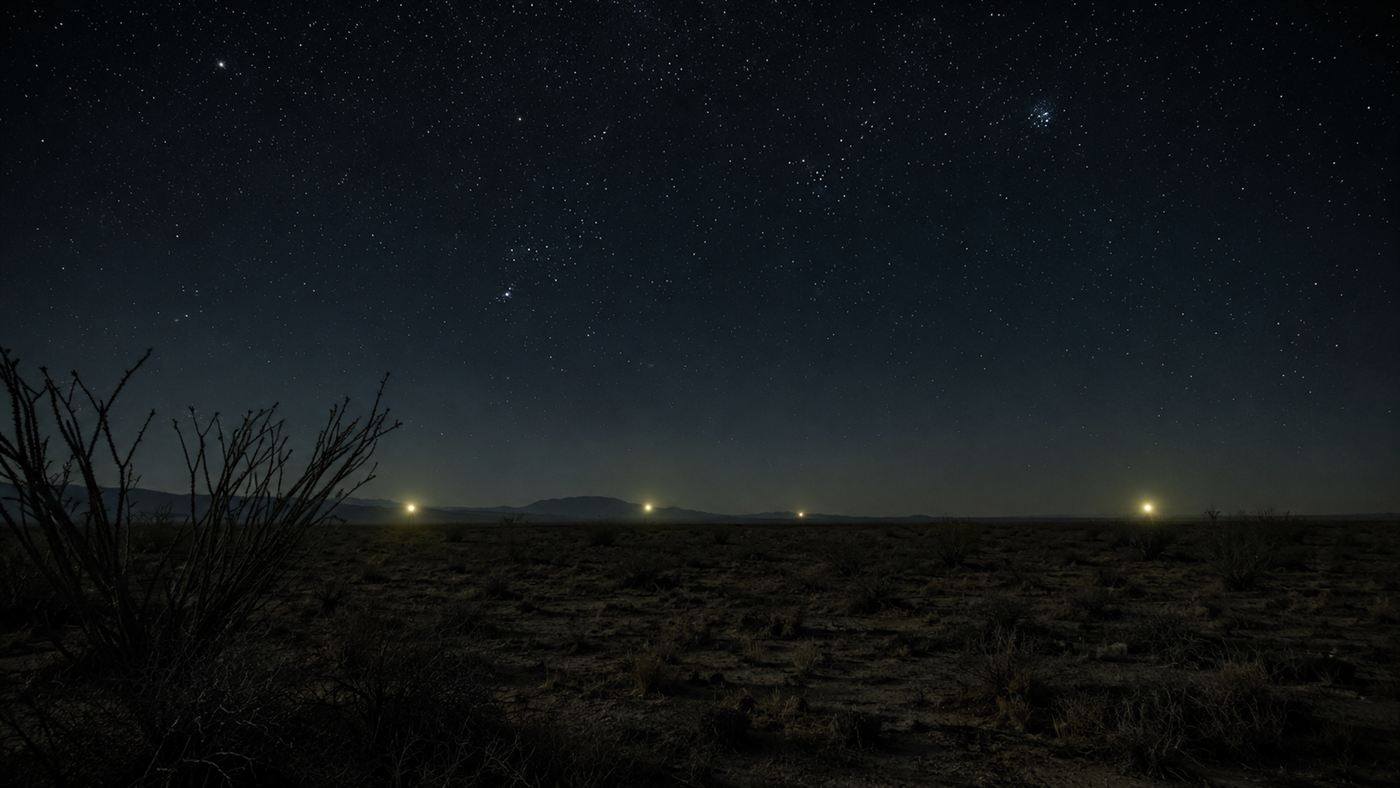
Glowing orbs appear on the desert horizon east of Marfa. Illustration: Watts & Wild.
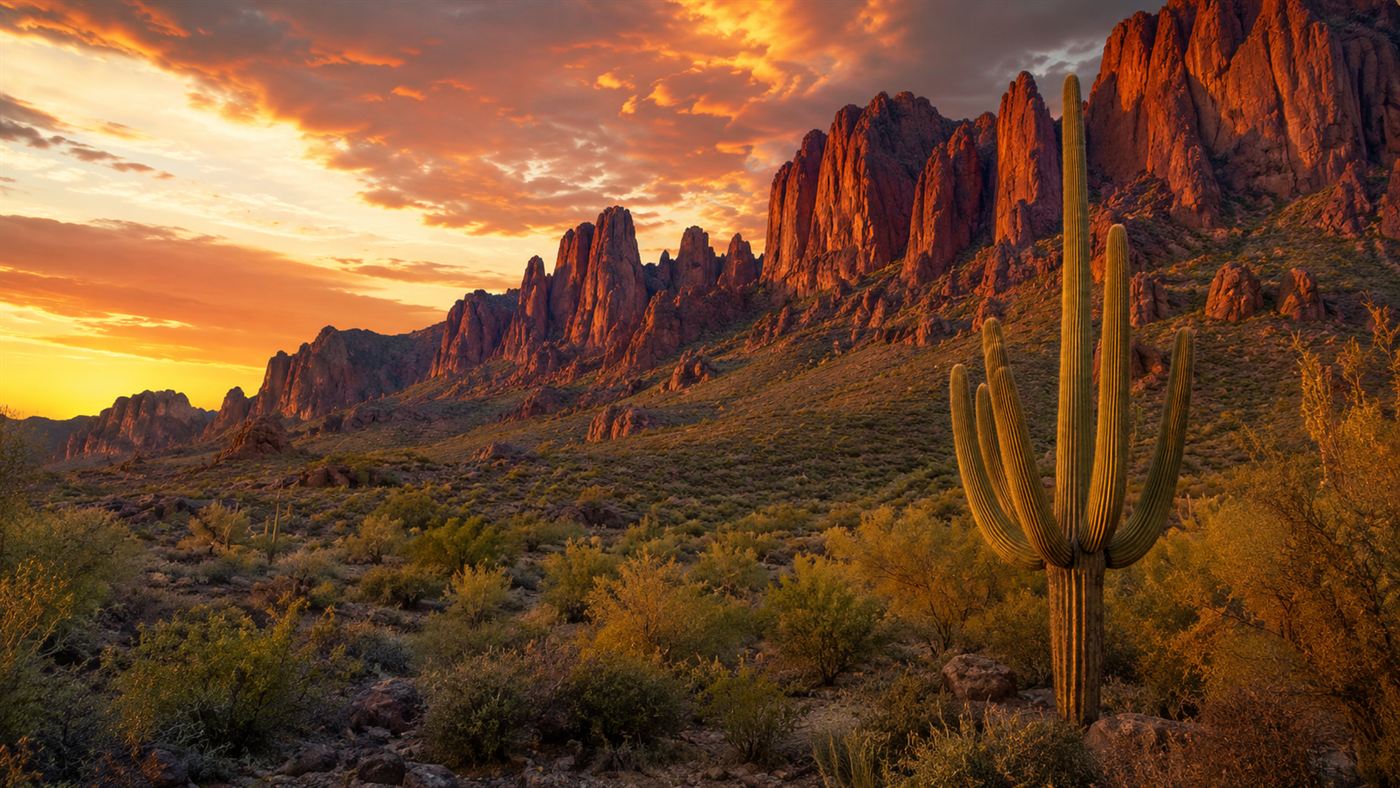
Out on the high plains of west Texas, near the little art town of Marfa, there is a spot where the desert stretches flat and empty toward the Chinati Mountains. After dark, if you wait and watch, small balls of light sometimes appear low on the horizon. They shine white, yellow, orange or red, and they behave in ways lights are not supposed to.
The orbs hover and bob, drift sideways, split into two, merge again, and blink out only to reappear somewhere else. People have reported them since at least the late 1800s, long before the town became famous, and for over a hundred years the Marfa lights have been one of America's most beloved unsolved mysteries.
The short version is that science can now explain most of what people see out there, and the explanation is oddly charming. But a thin sliver of the mystery has stubbornly refused to go away, which is exactly why the crowds still come.
Lights that behave like ghosts
What makes the lights so uncanny is how alive they seem. A steady glow will suddenly race along the horizon, then hang motionless, then break into pieces that drift apart like sparks. Watchers describe them changing colour and brightness, sometimes appearing to answer each other across the dark, as if something out there were playing.
Because of that behaviour, the lights have collected the usual crowd of dramatic explanations over the years, from ghosts and spirits to swamp gas and unidentified flying objects. None of those ever held up, but the sheer strangeness of the display kept the legend alive and drew a steady stream of the curious to the edge of the desert.
Are the Marfa lights just car headlights?
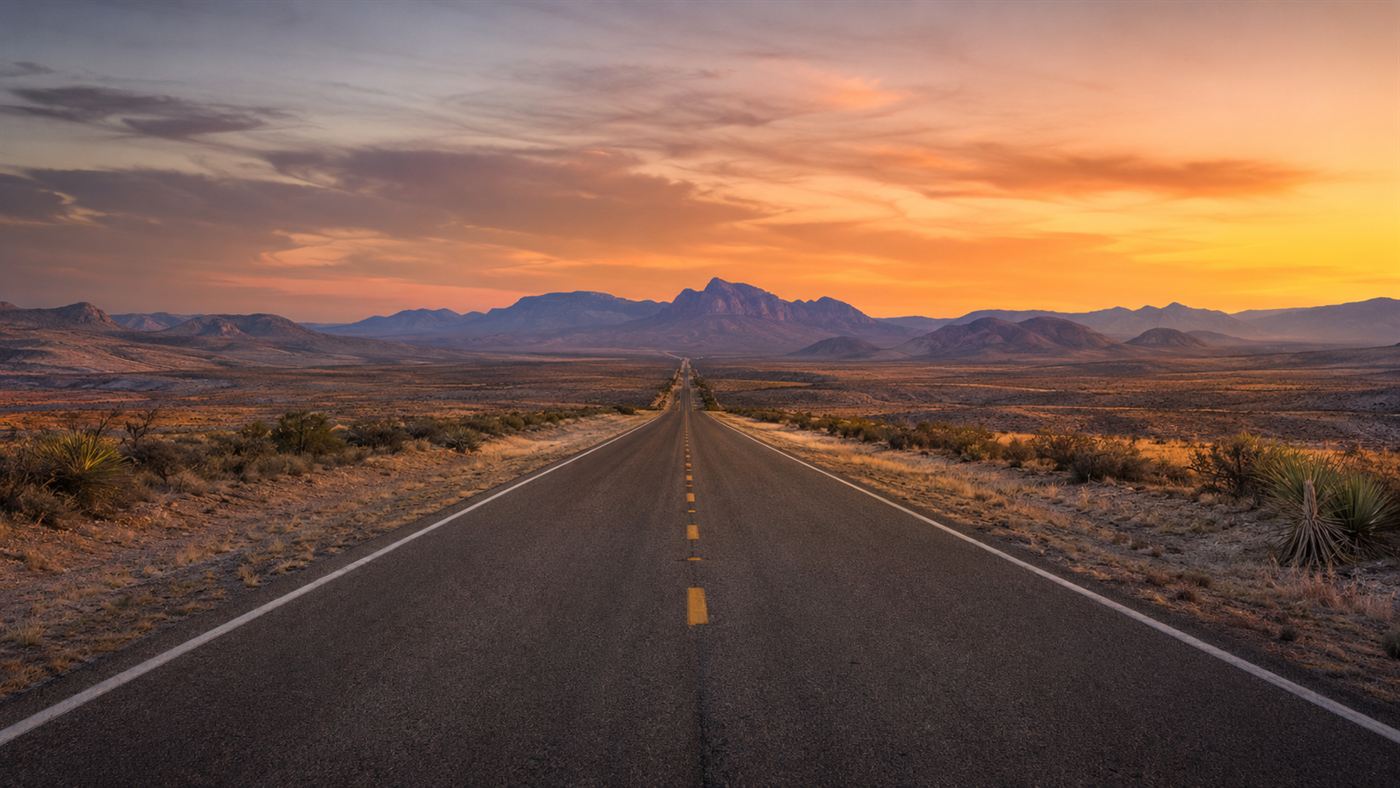
For most of what people watch today, the answer is yes, and the culprit is the highway. Beyond the viewing area, cars travel along Highway 67 toward the town of Presidio, many miles away across the basin, and their headlights point back toward the watchers. From that distance, a single car becomes a floating point of light with no visible road beneath it.
In 2004 a group of physics students from a Texas university put this to the test. They set up on the platform, watched the horizon and tracked passing traffic on Highway 67, and found that the classic lights lined up neatly with cars on the distant road. When the highway was busy, the orbs were busy; the famous dancing lights were, to a large degree, distant car headlights seen from far away.
Why the Marfa lights are so hard to explain
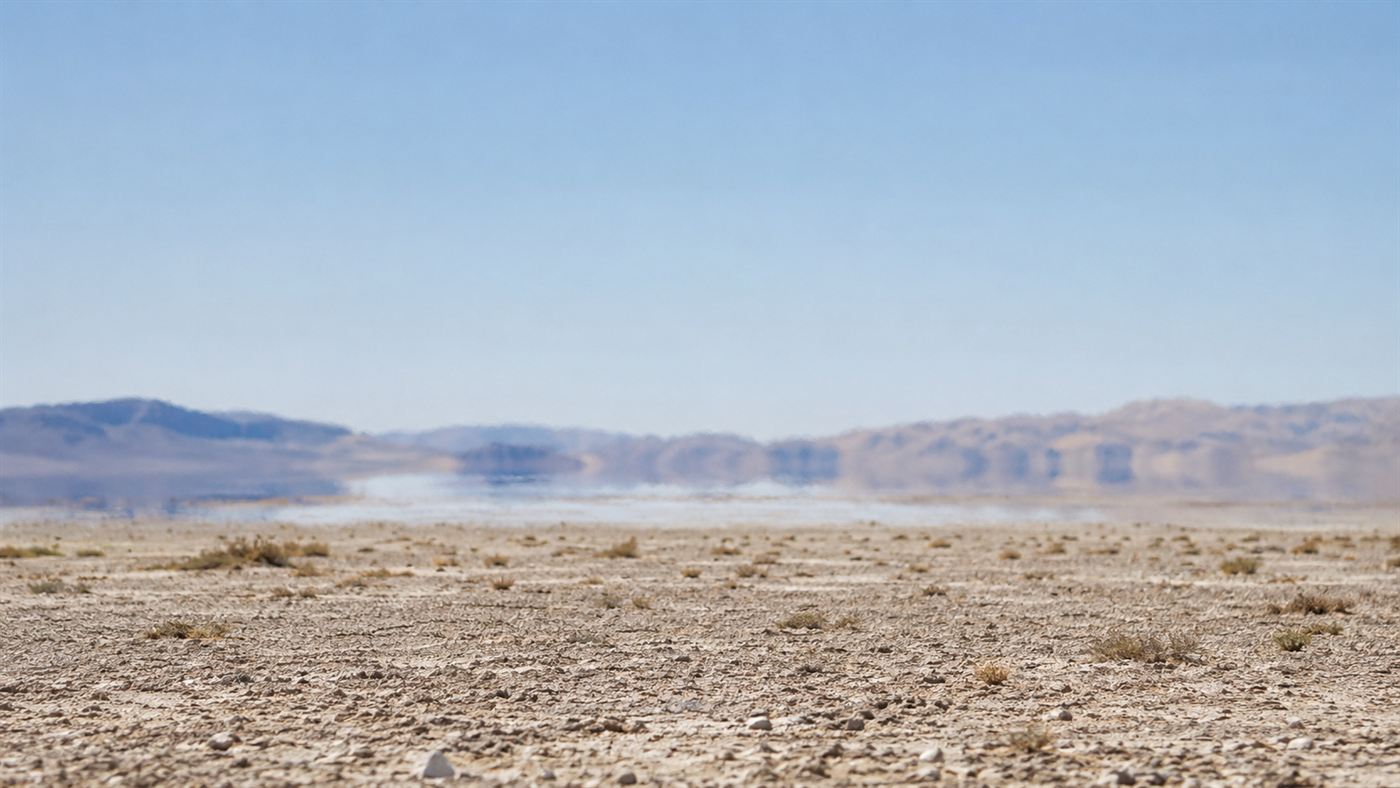
If they are only headlights, why do they float, split and change colour so eerily? The answer is the desert air itself. On clear nights the flat ground cools fast, leaving layers of air at different temperatures stacked above the plain, and light passing through those layers bends and wobbles in a process related to the shimmering mirage you see on a hot road.
That bending can lift a distant light above the horizon, smear it, double it, and set it dancing, all without anything strange being present at all. It is the same kind of mirage that makes stars twinkle and low planets appear to flash colours, scaled up across miles of cooling desert. The Marfa lights are, in large part, the sky playing games with perfectly normal points of light.
The part that still glows
Here is where the tidy explanation frays a little. People reported mysterious lights near Marfa before cars existed, with the most quoted account coming from a cowboy in the 1880s who thought he was seeing distant campfires. If those early sightings were real and not later embellishments, then headlights cannot be the whole story.
So a small, honest gap remains. Perhaps the old lights were campfires, or other travellers, or simply tales that grew in the retelling; perhaps a rare few of the modern sightings really are something not yet pinned down. Nobody has proven a paranormal cause, and nobody needs to, but the desert has kept just enough of its secret to keep the question warm.
The honest catch
It is fair to say the Marfa lights are mostly solved, and anyone hoping for proof of ghosts or aliens should let that hope go. The bulk of what the crowds photograph each night is distant traffic bent by the atmosphere, an explanation that is elegant rather than disappointing once you understand it.
But it is also fair to admit that a story like this survives partly because we want it to. The mystery brings visitors, festivals and a certain magic to a remote town, and a fully closed case would quietly switch all of that off. The truth about the Marfa lights is that they are ordinary light made extraordinary by the desert and by us, and that may be the best kind of wonder there is.
A desert full of dancing ghost lights turns out to be mostly headlights bent by the night air, and somehow that makes the drive out to watch them even better. Would you rather a mystery like the Marfa lights be fully solved, or keep just enough magic to be worth the trip? Tell us what you think in the comments.
Related reading: the Arizona mine legend that has lured searchers to their deaths. See also the Hope Diamond, whose deadly curse was mostly invented, and the newspaper that convinced a nation of life on the Moon.