The world's rarest fish survives in one desert pool the size of two dining tables, and saving the Devils Hole pupfish rewrote American water law
Deep in the Nevada desert, an entire species of pupfish clings to life on a shelf of rock you could cover with two dinner tables. The story of how we nearly lost the Devils Hole pupfish, and what it took to save it, runs from the Ice Age all the way to the Supreme Court.
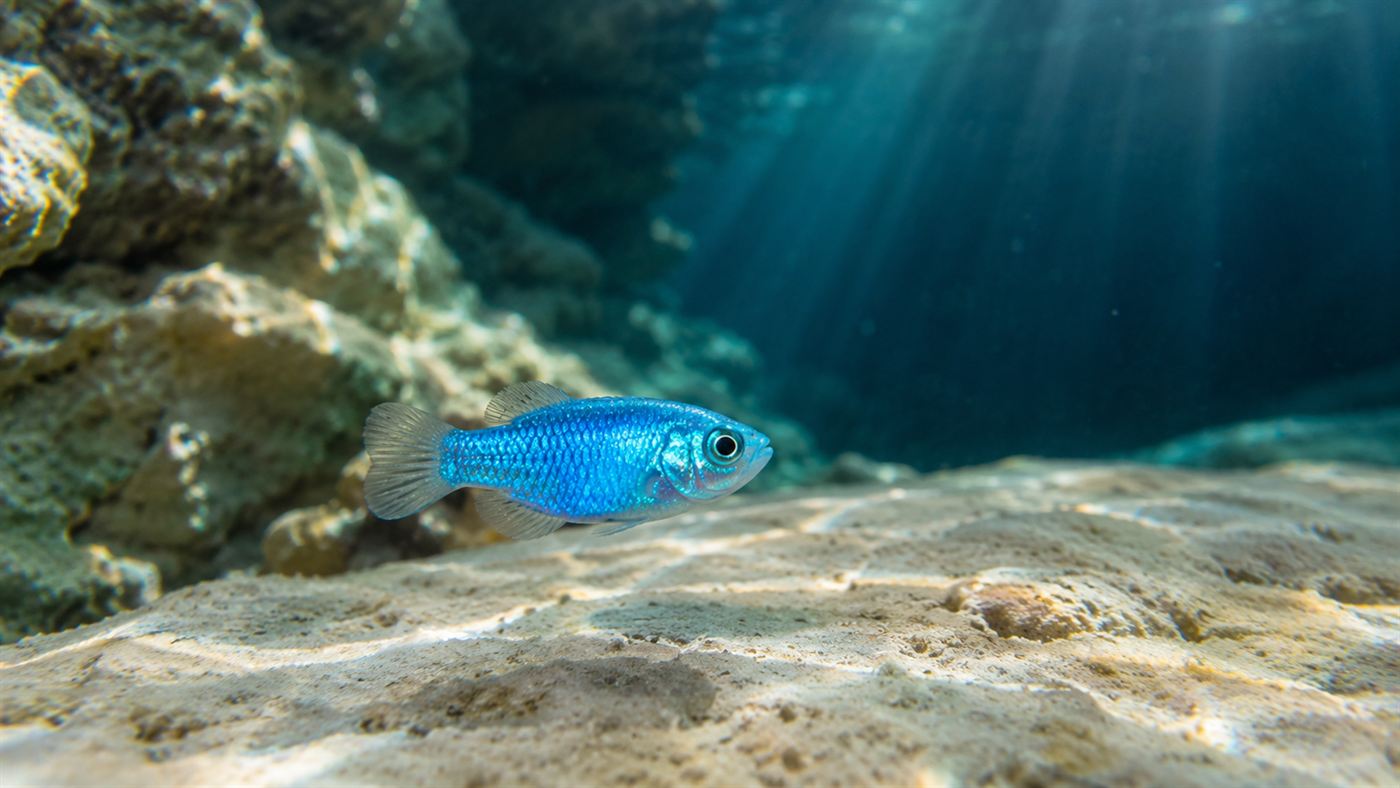
The Devils Hole pupfish is barely the size of a thumbnail and exists nowhere else on Earth. Illustration: Watts & Wild.
Most endangered animals at least have a country to roam. The Devils Hole pupfish has a single pool.
The entire wild population of the Devils Hole pupfish lives in one flooded cavern in the Mojave, and you could stand at its edge and look at every member of the species at once.
What is the rarest fish in the world? The Devils Hole pupfish is widely considered the rarest fish in the world. The whole species lives in a single water-filled cavern in the Nevada desert, and in 2013 the population fell to about 35 individuals, giving it the smallest natural range of any known vertebrate.
The Devils Hole pupfish lives in one pool
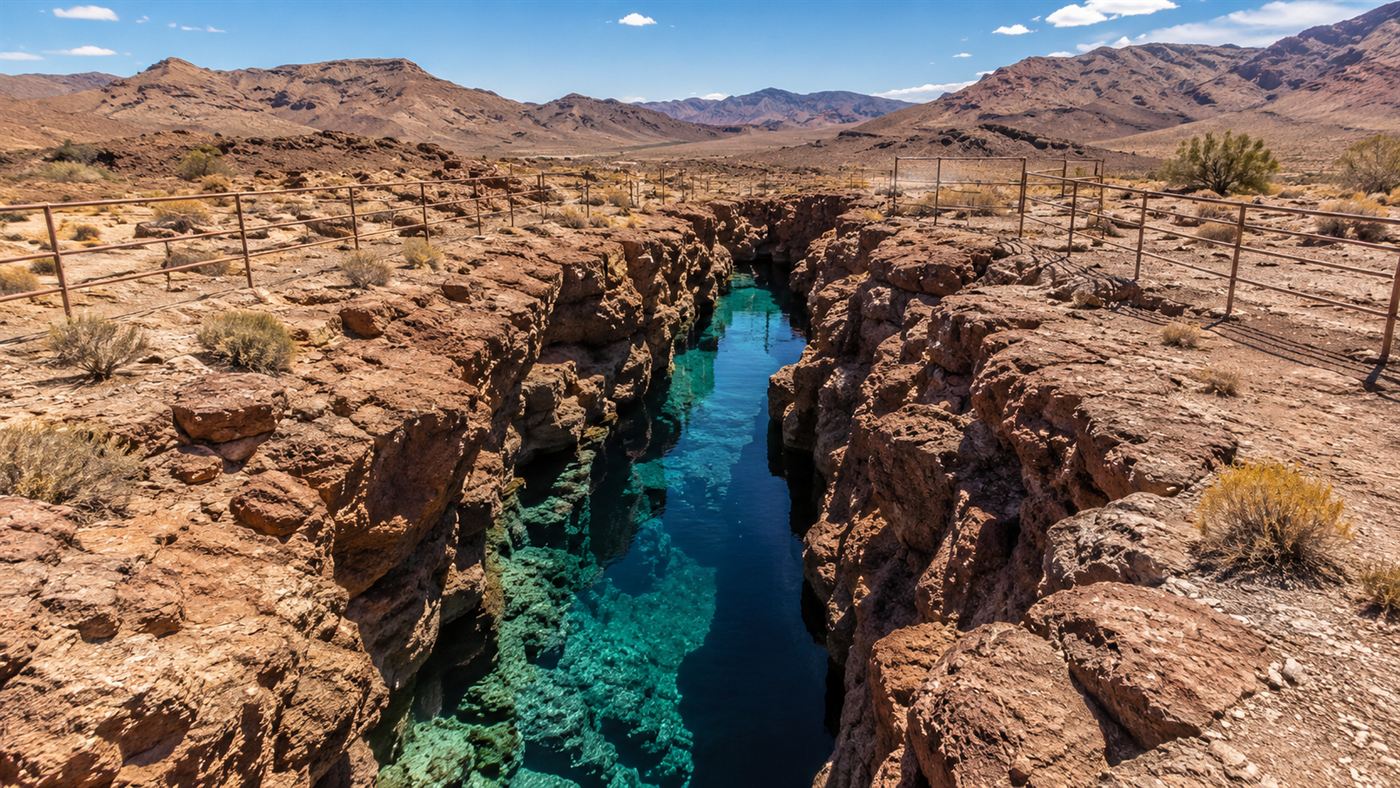
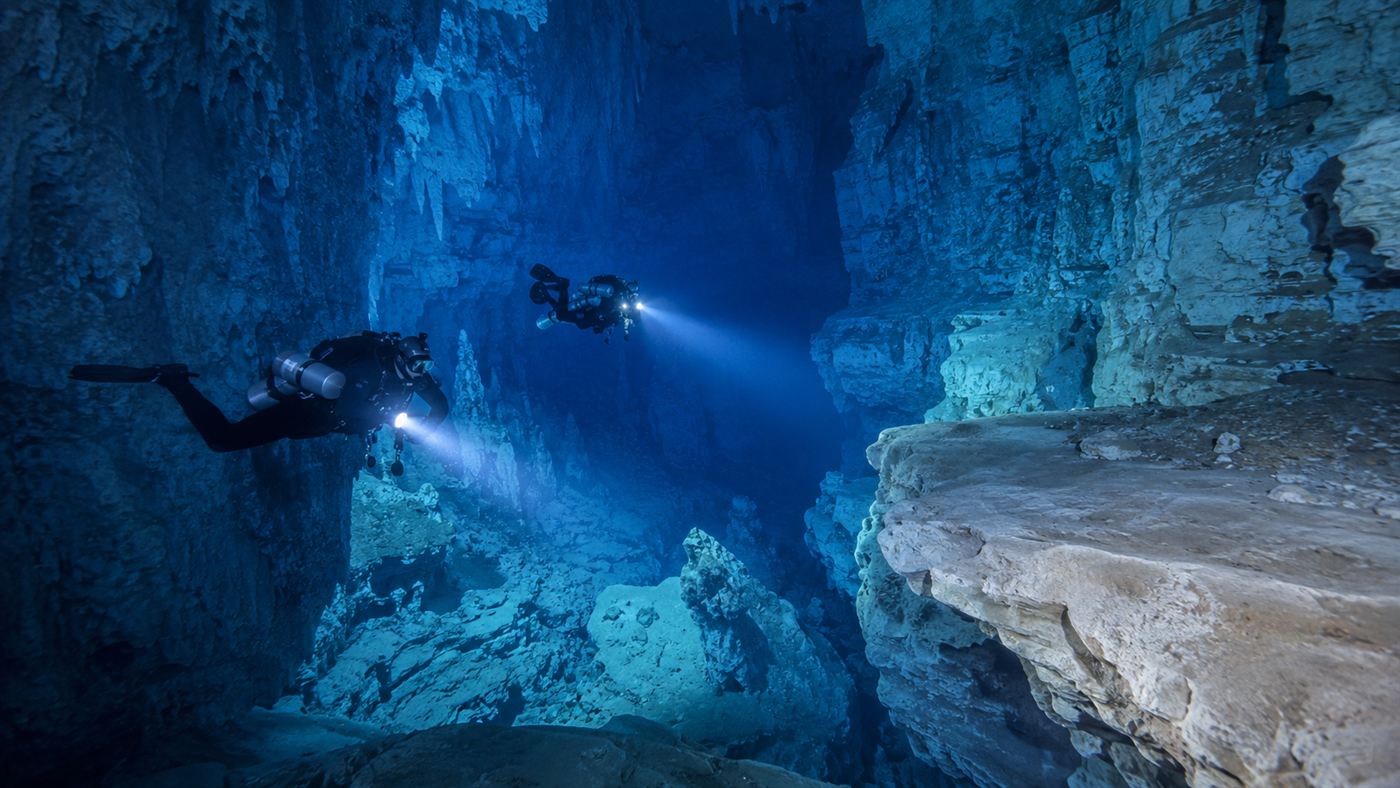
Devils Hole is a narrow crack in the desert rock, a window into a vast flooded cave system that plunges down further than divers have ever reached.
It sits in a detached unit of Death Valley National Park surrounded by the Nevada desert, fenced off and watched around the clock.
The water here is a constant 33 degrees Celsius and strangely low in oxygen, conditions that would suffocate most fish.
Almost the entire pupfish population depends on one shallow limestone shelf near the surface, an area about the size of two dining tables.
That tiny sunlit ledge is where algae grows, where the fish feed and where they lay their eggs, so the whole future of the species balances on it.
A neon survivor of the Ice Age
The pupfish itself is a jewel, an iridescent blue creature barely two and a half centimetres long.
It is thought to have been cut off here for thousands of years, ever since the great lakes of the last Ice Age dried up and left this desert behind.
Trapped in its warm pool, the fish slowly became a species found nowhere else in the world.
Over that time it adapted to water so warm and airless that biologists are still puzzled by how it survives there at all.
It is a living relic, a tiny blue ghost of a vanished wet world.
When the pumps nearly drained them
The first great threat did not come from the desert but from human thirst.
In the 1960s and 1970s, nearby ranchers drilled wells and pumped huge volumes of groundwater to irrigate crops in the dry valley.
Because Devils Hole is fed by the same underground aquifer, the water level inside it began to fall.
As the level dropped, the precious spawning shelf was slowly exposed, and the endangered fish edged towards extinction.
For a creature with nowhere else to go, a falling water table was a quiet death sentence.
The fish that went to the Supreme Court
What happened next turned a thumbnail-sized fish into a landmark of American law.
The federal government sued to stop the pumping, and the fight went all the way to the highest court in the land.
The justices decided that when the government had set the land aside in 1952, it had implicitly reserved enough groundwater to keep the pupfish alive, and ordered a minimum water level to be maintained.
A single endangered species had just helped define who owns the water beneath the American desert.
Counting fish by hand
Today the Devils Hole pupfish is one of the most closely watched animals on the planet.
Twice a year, scientists dive into the cavern and painstakingly count every fish they can see, tracking a population that has swung from around 35 to a few hundred.
Nearby, biologists built a 4.5 million dollar replica of the Devils Hole shelf, a refuge tank that mirrors the real pool so a backup population can be bred in safety.
It is one of the most expensive and elaborate efforts ever made to keep a single endangered species from blinking out.
All of it, to protect a fish you could hold in a teaspoon.
The honest catch
For all that effort, the pupfish is not safe, and may never truly be.
With so few individuals in one fragile spot, a single bad event could still wipe out the entire endangered population.
Earthquakes thousands of kilometres away send the water in Devils Hole sloshing back and forth in a violent wave called a seiche, scouring the shelf and washing away eggs and food.
Drought, a warming climate and the constant pressure to pump more groundwater all keep tugging at that fragile water level.
The Devils Hole pupfish has been pulled back from the edge, but it lives there still, balanced on a shelf the size of two tables in the middle of the Nevada desert.
There is something humbling about a civilisation that argues before its highest court over a fish smaller than your finger.
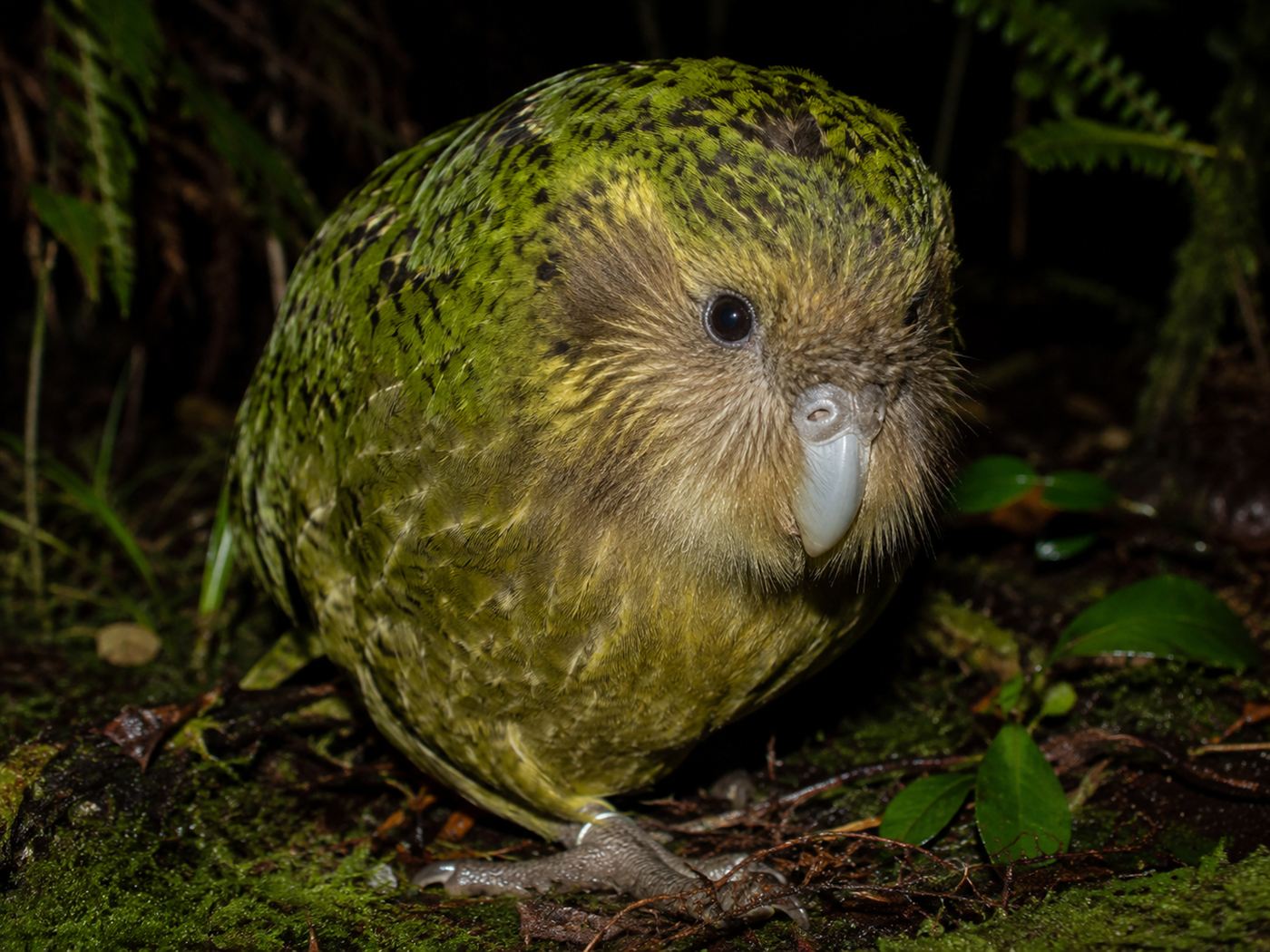
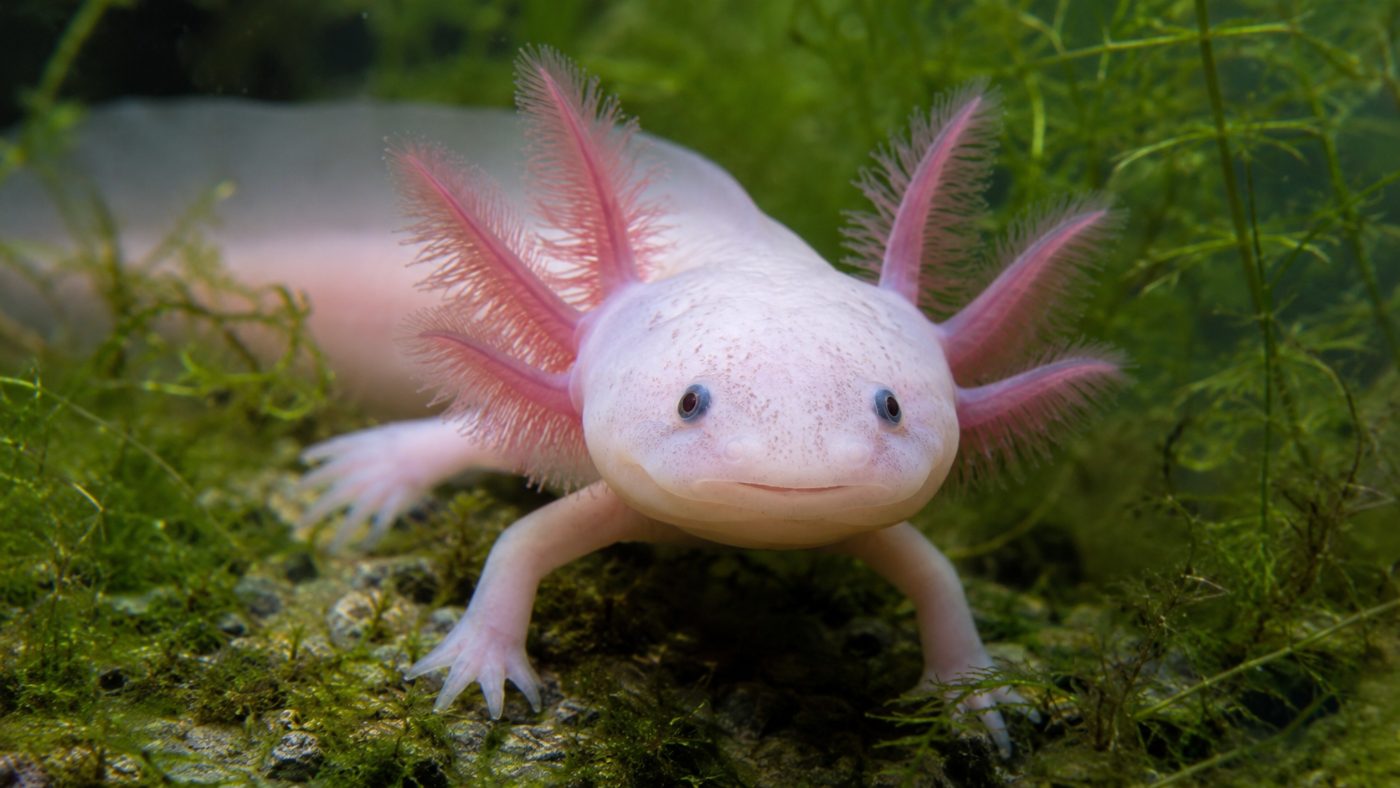
The pupfish belongs with the other against-all-odds survivors we have followed, from the flightless kakapo clawing back from the brink to the axolotl clinging to its last canals in Mexico City.
If a society is willing to go to the Supreme Court for a fish the size of a thumbnail, what does that say about the worth we place on a single species, and where would you draw the line? Tell us in the comments.