Houston built the world's first domed stadium and called it the eighth wonder, then discovered the roof killed the grass, so it invented fake grass and accidentally named it after the building
In 1965 Houston did something that sounded like science fiction: it put a giant roof over a baseball field and air-conditioned the whole thing. It was hailed as a glimpse of the future. Then the future ran into a problem no one had thought of, and the fix ended up changing sports forever.
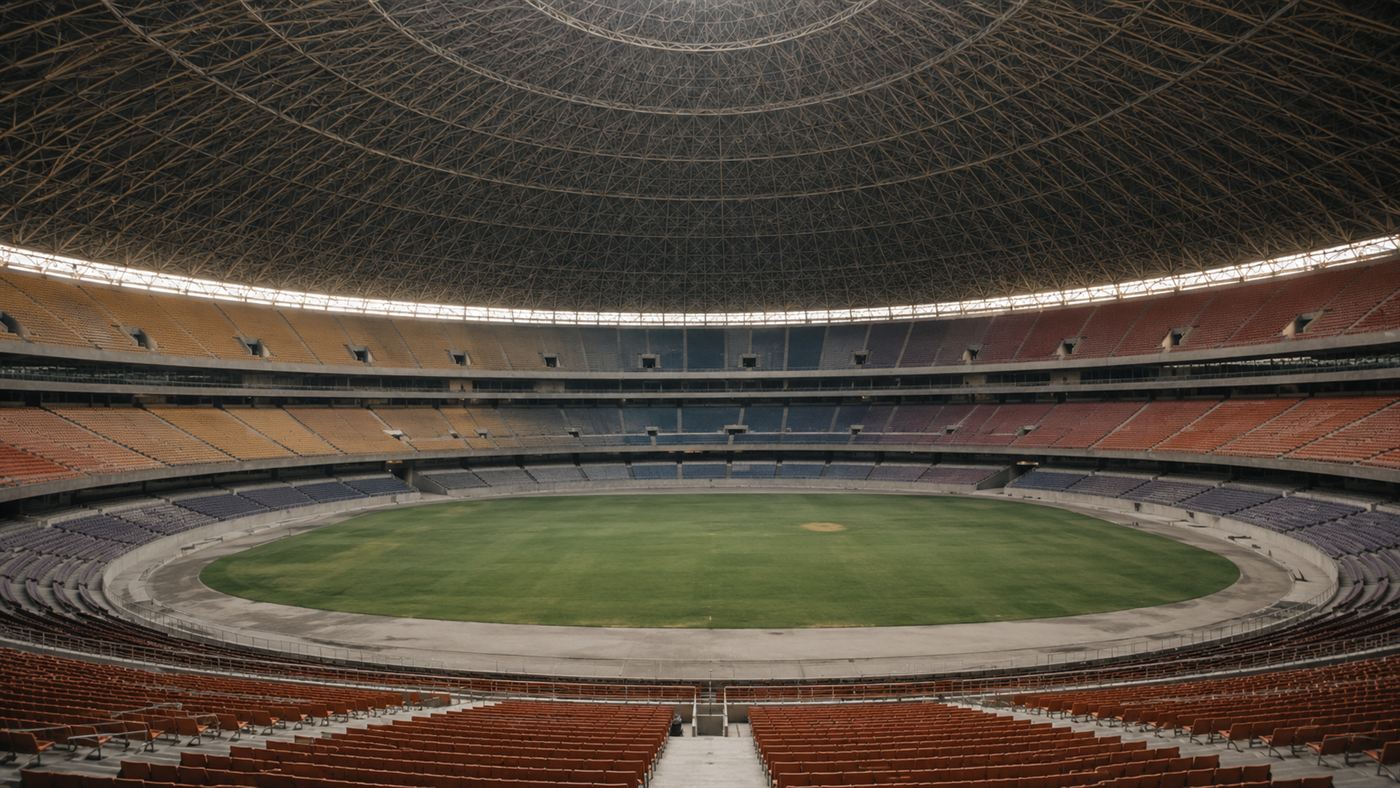
The Astrodome put a whole ballpark indoors, and left engineers a strange new puzzle. Illustration: Watts & Wild.
Houston in the early 1960s had a baseball problem. The city was hot, brutally humid and swarming with mosquitoes, hardly ideal for an afternoon at the ballpark. The answer, pushed by the flamboyant former mayor Roy Hofheinz, was audacious: if you could not fix the weather, you would simply build a stadium that shut the weather out entirely.
The result opened in 1965 as the Harris County Domed Stadium, better known as the Astrodome. It was the first fully enclosed, air-conditioned sports arena on Earth, and the evangelist Billy Graham, preaching under its vast roof, called it the eighth wonder of the world. For a while, it truly seemed like it.
The short version: the Astrodome opened in 1965 as the world's first domed, air-conditioned stadium, a genuine marvel. But its clear roof, meant to grow real grass, blinded players with glare, so it was painted over, the grass died, and the stadium ended up inventing artificial turf, the AstroTurf named after it.
A stadium that shut out the sky
The scale of the idea was staggering for its time. The Astrodome enclosed a playing field and tens of thousands of seats under a single clear-spanning dome more than 600 feet across, with no interior columns to block the view. Fans sat in cooled comfort while Houston sweltered outside, and the stadium boasted the first animated electronic scoreboard, a spectacle in itself.
Roy Hofheinz designed it as a true multipurpose arena, home to baseball and football, but also rodeos, concerts, boxing and conventions. In an age before every city had a domed stadium, walking into a fully indoor ballpark felt like stepping into the world of tomorrow, and Houston had built it first.
The roof that blinded the players
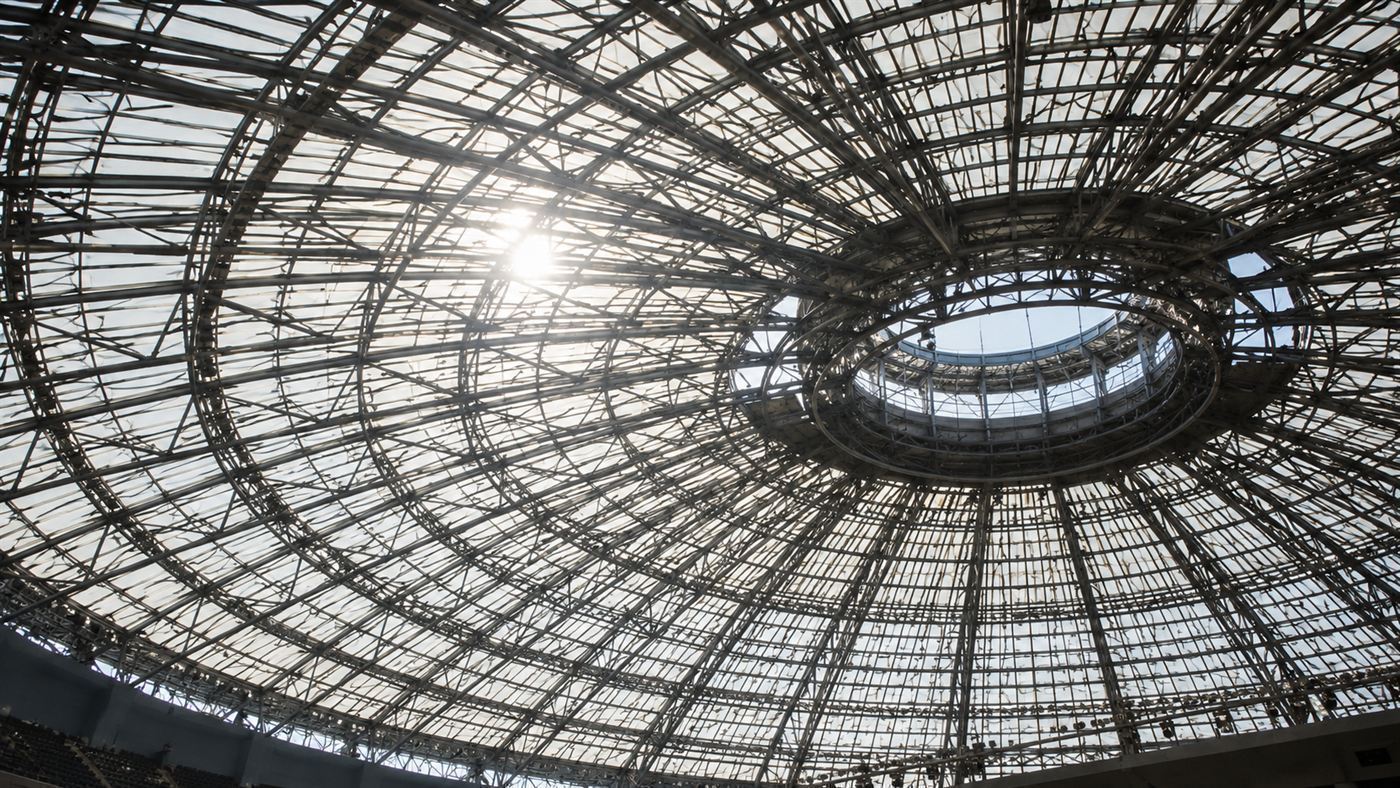
There was, however, a flaw hiding in the clever design. The dome's roof was made of hundreds of clear Lucite panels, deliberately transparent so that sunlight could pour in and keep a natural grass field alive indoors. On paper it was elegant. On the field it was a disaster.
The glare through those panels, crisscrossed by the roof's steel lattice, made it nearly impossible for outfielders to track a fly ball against the bright, dazzling ceiling. Players lost balls in the glare and dropped easy catches. The very feature meant to let the grass grow was ruining the games being played on it.
How the fix accidentally created AstroTurf
The solution was simple and self-defeating: paint the roof panels to cut the glare. It worked for the players, but it choked off the sunlight, and the natural grass on the field, already struggling indoors, promptly died. The Astrodome was suddenly a grass stadium with no living grass, playing on painted-over dirt.
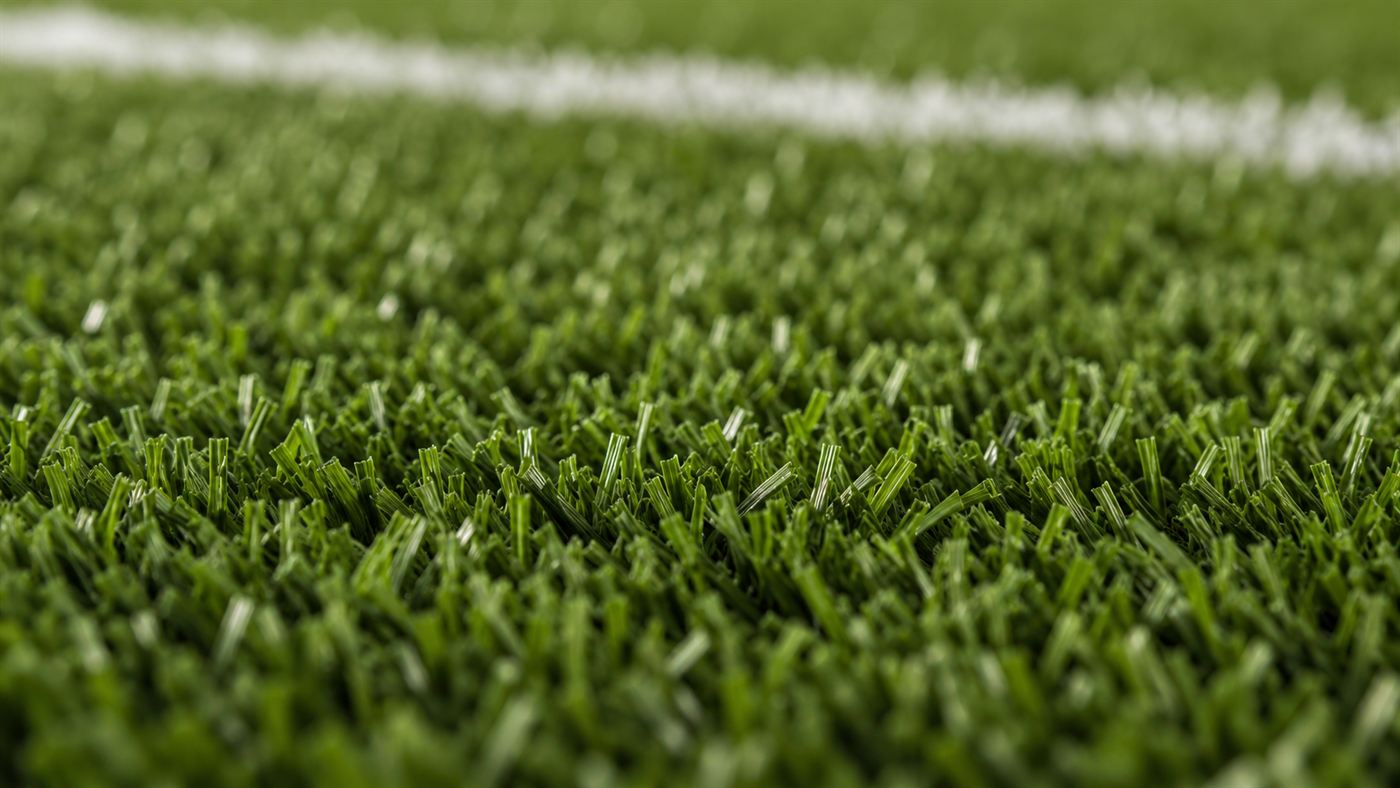
So the stadium turned to a new invention, an artificial carpet of nylon fibers made by a chemical company. Rolled out across the field in 1966, it needed no sun and no water, and in honor of the building that made it famous it was christened AstroTurf. A stadium designed to grow real grass had instead given the world fake grass, and artificial turf soon spread to arenas everywhere.
Why was the Astrodome such a big deal?
Beyond the turf, the Astrodome genuinely rewired what people expected from a stadium. It proved that sport could be pulled indoors and climate-controlled, and it kicked off a wave of domed and multipurpose stadiums across the country. It also became a stage for history, from a legendary college basketball "Game of the Century" to the Battle of the Sexes tennis match.
It even served the city in a crisis, sheltering thousands of evacuees after Hurricane Katrina in 2005. For decades the Astrodome was not just a building but a symbol of Houston's confidence, the place where a swampy Gulf city announced that it could out-build anyone.
The honest catch
The wonder did not age well, and that is the quieter half of the story. As newer stadiums with real grass, retractable roofs and luxury boxes arrived, the Astrodome's teams left one by one, and by around 2009 it was closed to the public. Today the eighth wonder mostly stores equipment for the newer arena next door, too historic to demolish and too outdated to easily use.
There is a lesson in that for every "stadium of the future." The Astrodome solved real problems and dazzled a generation, but the very boldness that made it revolutionary also made it hard to adapt when the world moved on. Being first is thrilling, and it is also the fastest way to become the thing everyone eventually replaces.
A stadium so far ahead of its time that it accidentally invented fake grass now sits nearly empty, too beloved to knock down and too dated to fill. Should cities save bold old landmarks like this one, or let them go to make room for whatever comes next? Tell us in the comments.
Related reading: Boston's John Hancock Tower, an architectural triumph that started shedding its own windows. See also the Watts Towers, a backyard wonder the city tried and failed to tear down.