A self-taught son of an immigrant scrap dealer, with no science degree, became one of the most prolific inventors in American history, and Stanford Ovshinsky's battery quietly powered a generation of hybrid cars
He never finished a science degree, yet Stanford Ovshinsky held some 400 patents, founded a branch of physics, and built the nickel-metal hydride battery that ran the first wave of hybrid cars. The Stanford Ovshinsky battery made him the great self-taught genius of clean energy most people have never heard of.
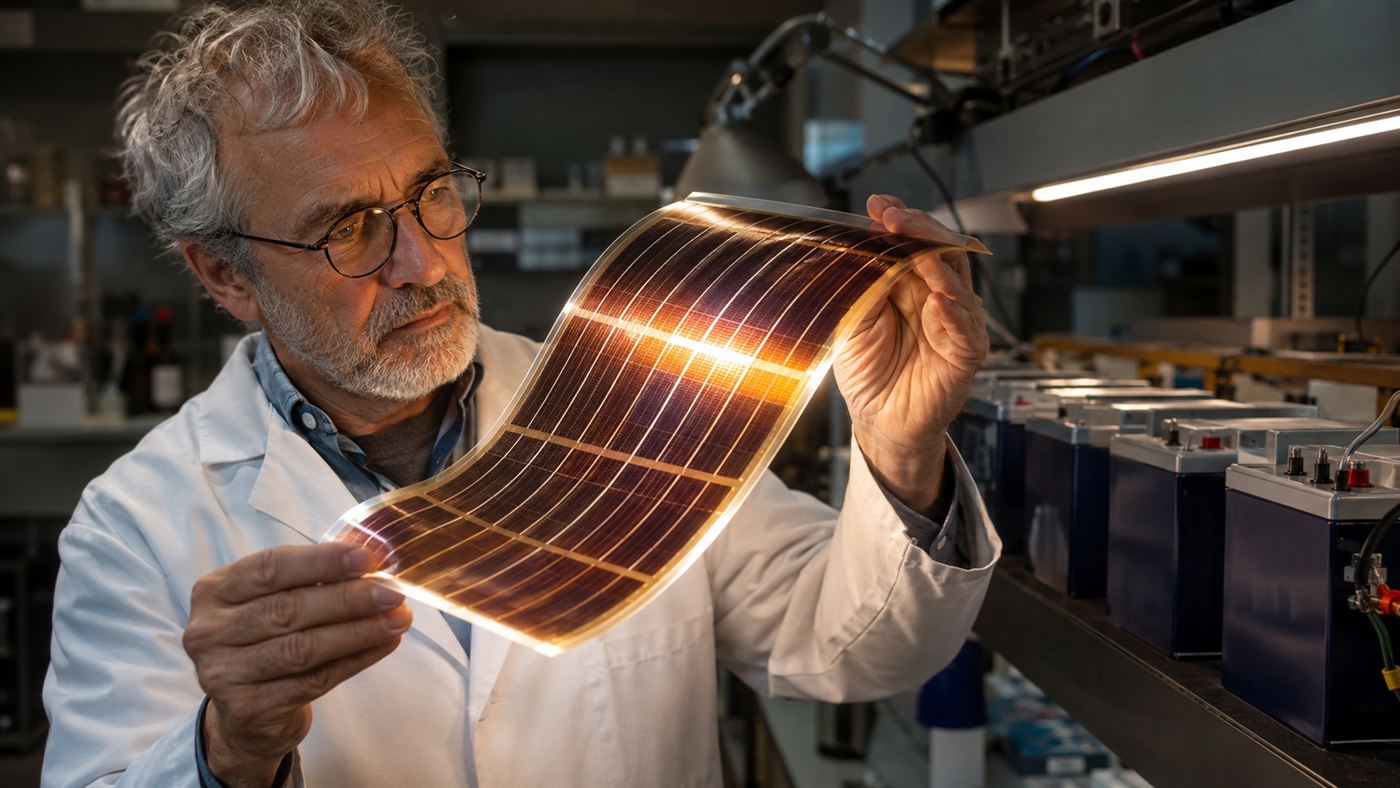
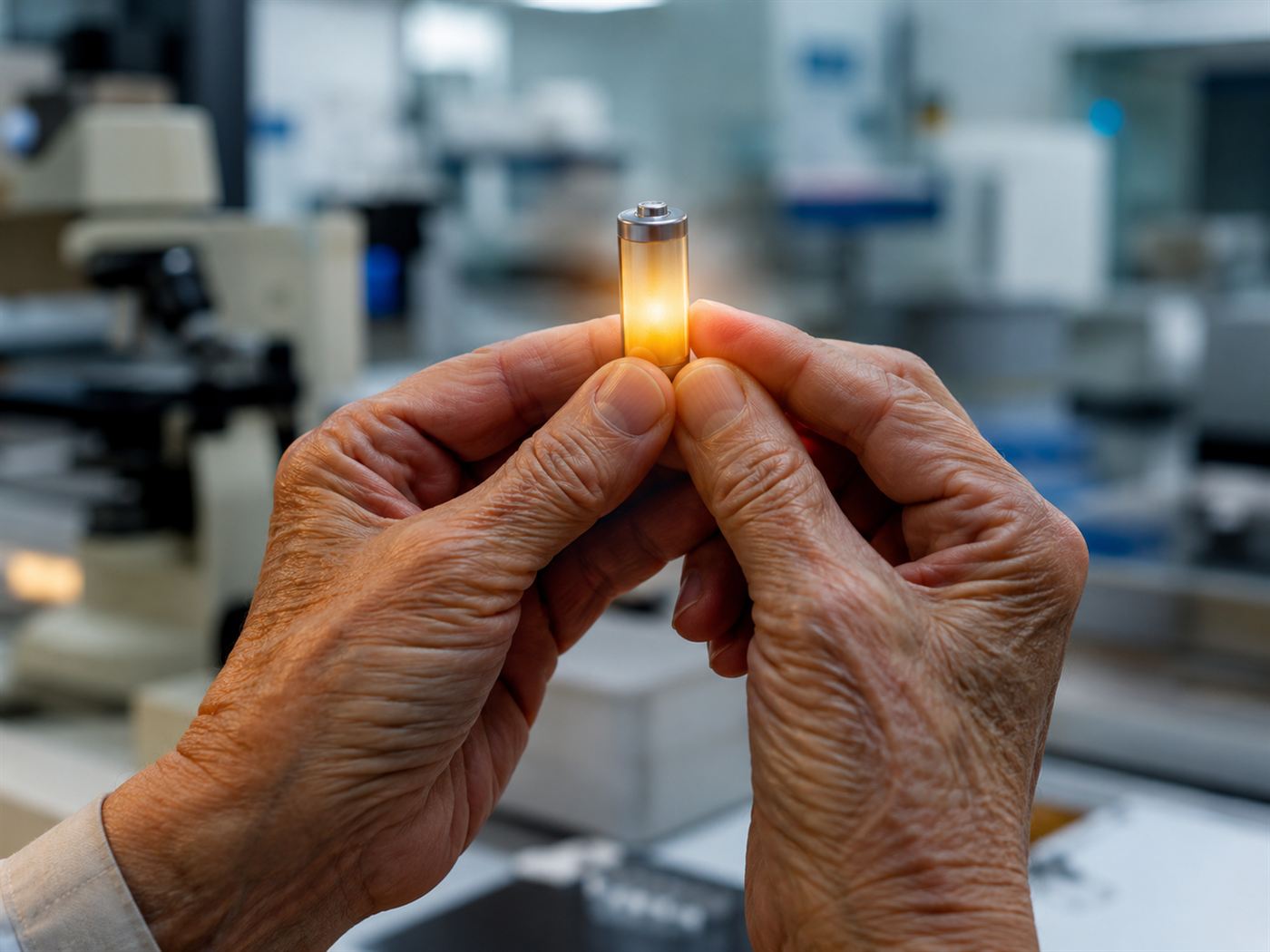
Stanford Ovshinsky worked across batteries, solar and new materials with no formal scientific training. Illustration: Watts & Wild.
The history of clean energy is full of celebrated names, and then there is the one that belongs near the top but rarely appears there at all.
Stanford Ovshinsky had no university degree in science, came up through a machine shop, and still ended up shaping the batteries, screens and solar panels of the modern world.
Who was Stanford Ovshinsky? He was a self-taught American inventor with no college degree who held around 400 patents. He pioneered electronics based on disordered materials and co-created the nickel-metal hydride battery that powered early hybrid cars.
The machinist with no degree
Ovshinsky was born in 1922 in Akron, Ohio, the son of a Lithuanian immigrant who collected scrap metal.
He never went to college, and instead trained as a machinist and toolmaker, learning engineering with his hands rather than in a lecture hall.
His first success was an automated lathe, but his restless, self-taught mind kept reaching toward deeper questions about how materials and even the brain worked.
That outsider's confidence let him ignore what trained physicists assumed was impossible.
It is hard to overstate how unusual a self-taught inventor at this level really is.
Inventing a new kind of physics
Physicists of the time believed useful electronics needed perfectly ordered crystals, like silicon.
Stanford Ovshinsky bet the opposite, that messy, disordered or amorphous materials could switch and store information too.
He was right, and the record of his career credits him with founding the field of amorphous, or disordered, semiconductors, sometimes called Ovonics, which underpins technologies from rewritable CDs and DVDs to the flat panels in screens and a kind of computer memory.
For a man with no degree to found a branch of materials science was, to put it mildly, not supposed to happen.
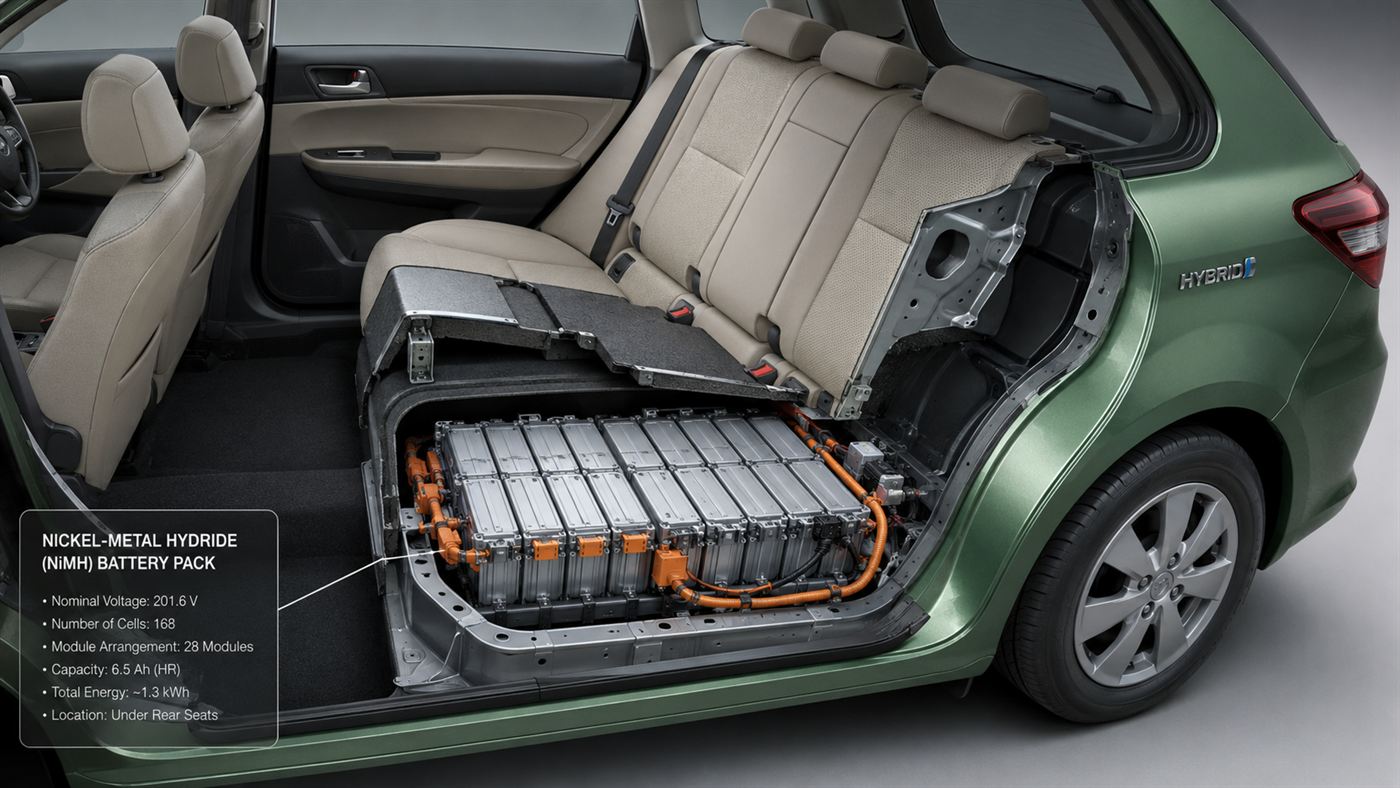
The Stanford Ovshinsky battery that powered the hybrids
Working closely with his wife and partner Iris, Ovshinsky turned his materials know-how to energy storage.
Together they developed a practical nickel-metal hydride battery, a rechargeable cell that packed more energy than the old nickel-cadmium type.
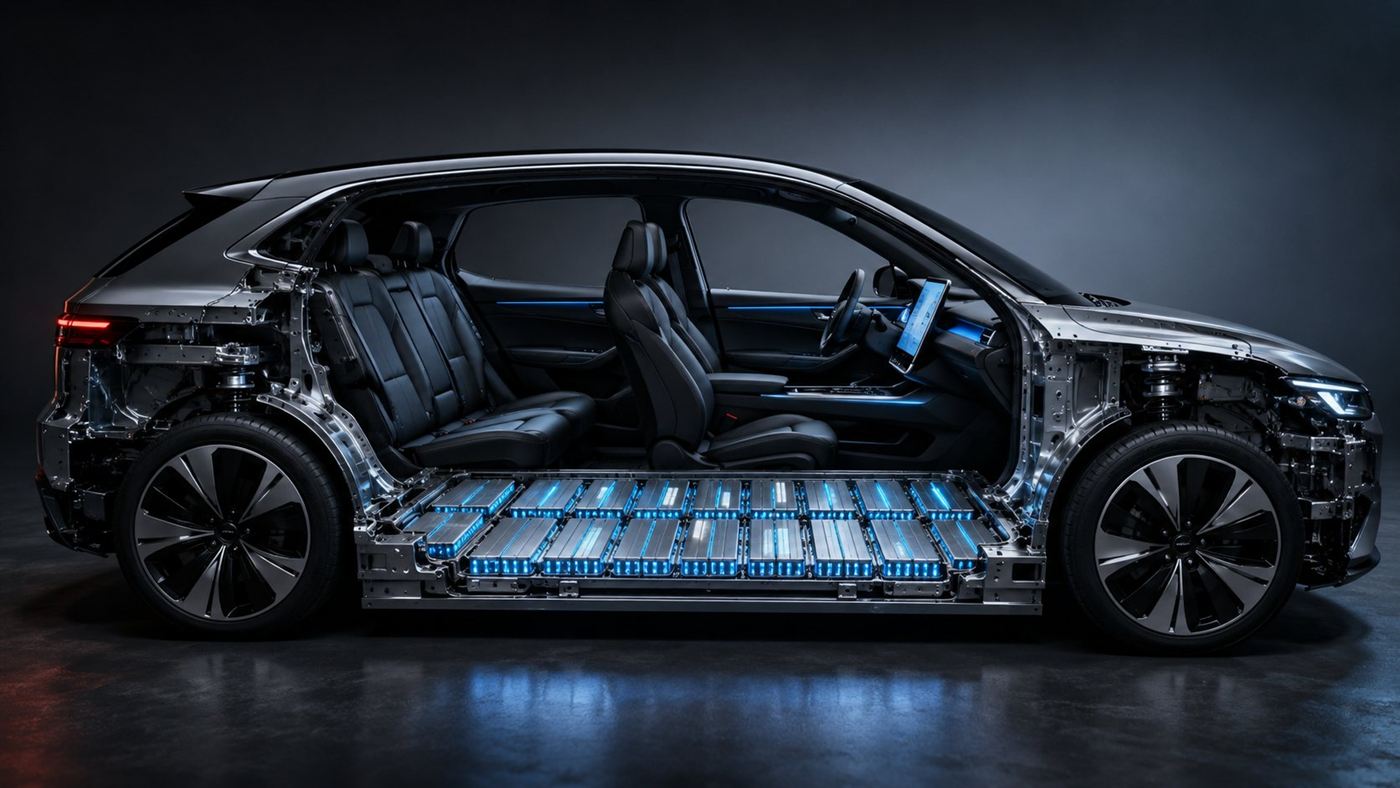
The nickel-metal hydride battery became the heart of the first generation of mass-market hybrid cars, including the early Toyota Prius, and helped power General Motors' EV1.
For years, almost every hybrid on the road carried a piece of this self-taught inventor's work under its seats.
It was a quiet kind of fame, the sort where millions use your invention without ever knowing your name.
Solar made like newspaper
Ovshinsky's other great love was the Sun.
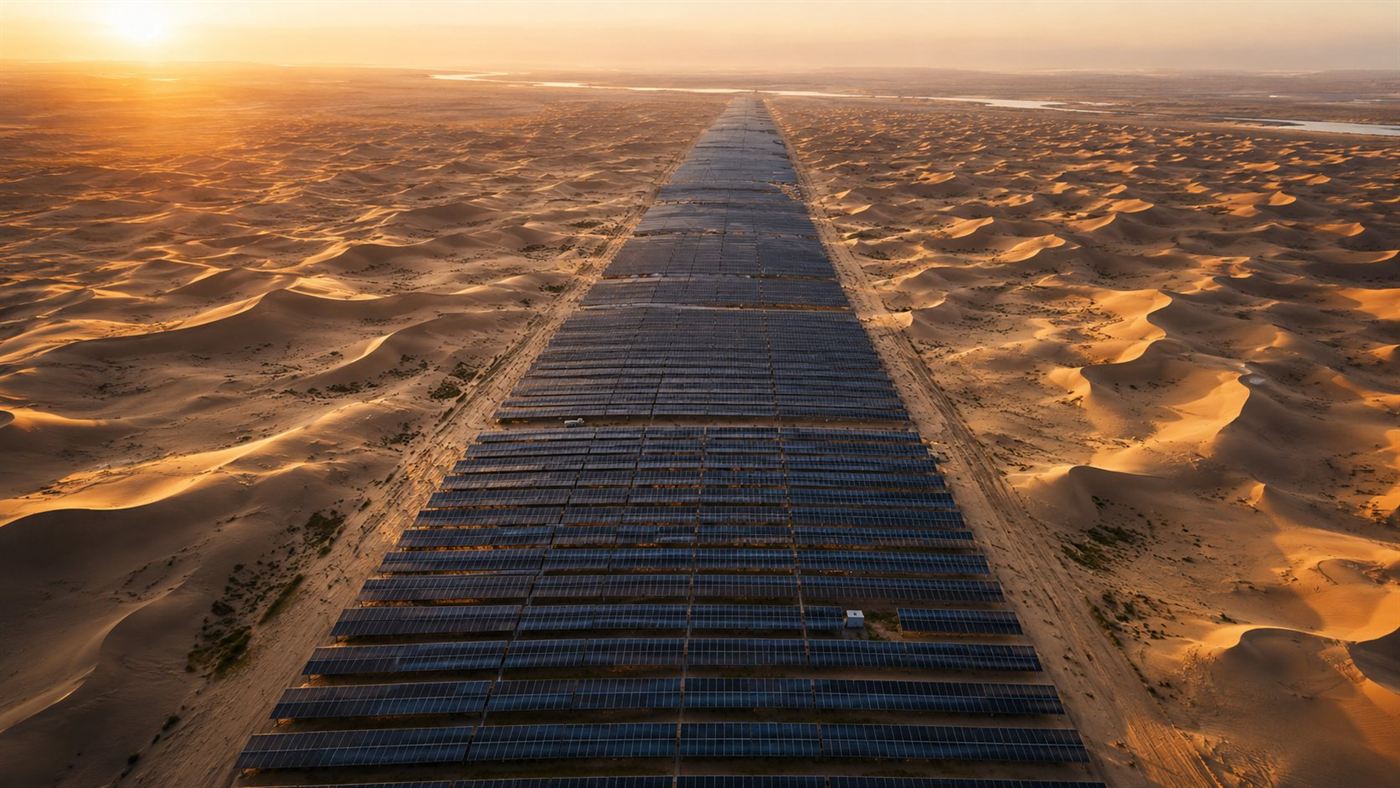
He dreamed of making solar power so cheap that it could compete with fossil fuels, and his answer was thin-film solar.
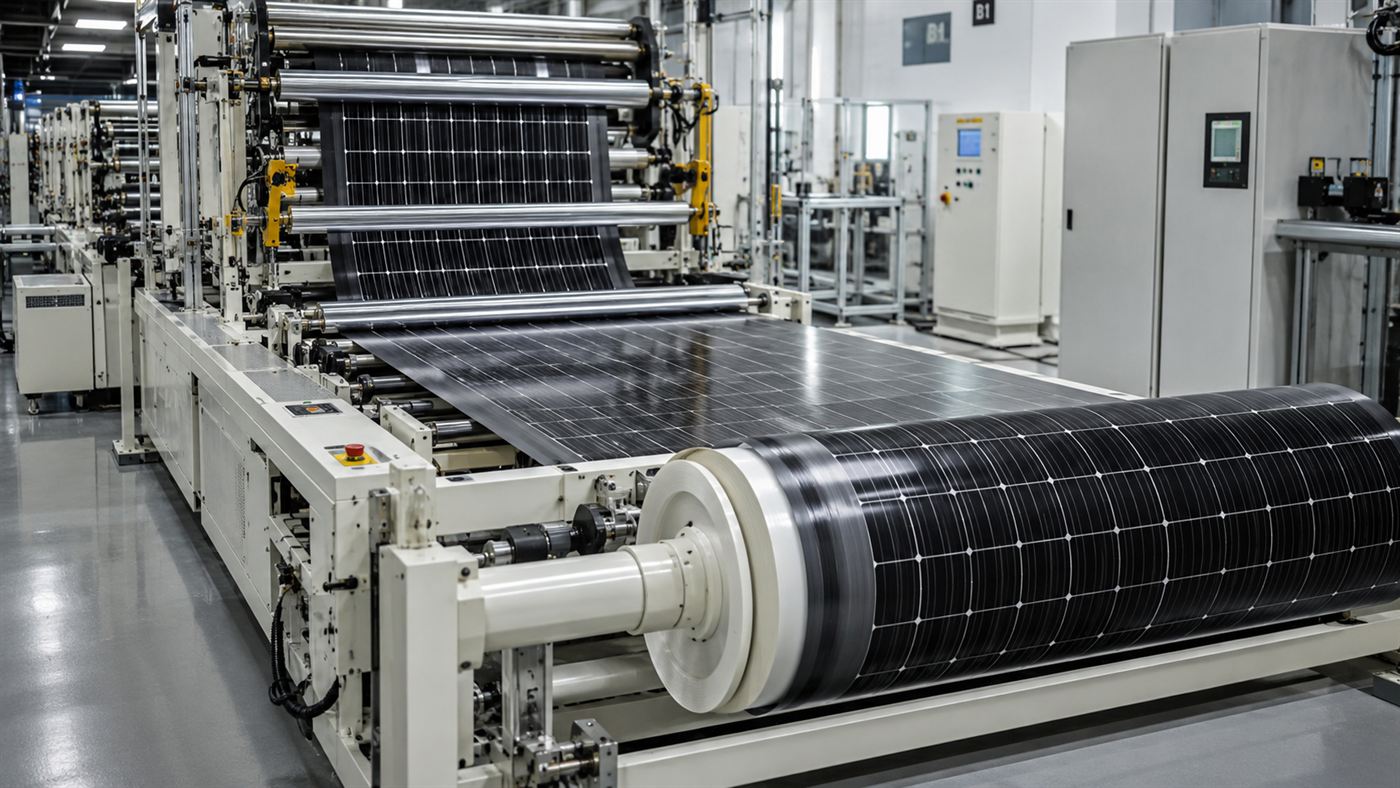
His company built machines that printed flexible solar panels in long rolls, almost the way a press prints a newspaper, an early bet on the thin-film solar cells now used around the world, aiming to drive the cost of solar down through sheer volume.
He was also an early champion of the hydrogen economy, convinced that cheap solar energy and clever storage could free the world from oil.
Decades later, the cheap, mass-produced solar he imagined has finally arrived, even if the technology that won looks a little different from his.
Self-taught to the end
Ovshinsky kept inventing well into his eighties, still chasing better batteries and cheaper solar.
The academic world that once dismissed the self-taught upstart came around, heaping him with honours and comparing him to Edison.
Through it all, his partnership with Iris remained at the centre of his work until her death.
For someone who began in a scrap yard, it was an extraordinary arc.
The honest catch
The Ovshinsky story attracts myths, and it is worth separating them from the real achievement.
His nickel-metal hydride battery was eventually overtaken by the lighter, denser lithium-ion cells that now run our phones and electric cars, so it was a crucial bridge rather than the final answer.
There is a popular tale that big NiMH electric-car batteries were deliberately buried by oil and car interests, and while there was a real and bitter patent fight, lithium-ion mostly won on its own technical merits, and the nickel-metal hydride battery remains widely used in hybrids and electronics today.
Many of Ovshinsky's companies also struggled or lost money, because being right early is not the same as being profitable.
Even with the caveats, Stanford Ovshinsky stands as proof that world-changing invention does not require a diploma, only relentless curiosity and the nerve to ignore the experts.
He belongs beside the other quiet giants of energy storage, like the Nobel laureate behind the lithium-ion battery and the chemistry explained in our guide to how an EV battery really works, as well as solar pioneers like the Sun Queen Maria Telkes.
Why do we celebrate some inventors and forget others, and would a self-taught outsider like Stanford Ovshinsky even get a hearing in today's credential-obsessed science? Tell us in the comments.