China is putting a battery made from salt into cars in 2026, and at about 19 dollars a kilowatt-hour it undercuts lithium by more than half
For years, the sodium-ion battery was the cheap idea engineers could not make work. Now China's biggest battery maker says its salt-based cell matches the most common lithium battery on energy, beats it badly on price, and the first sodium-ion battery cars have already started reaching showrooms.
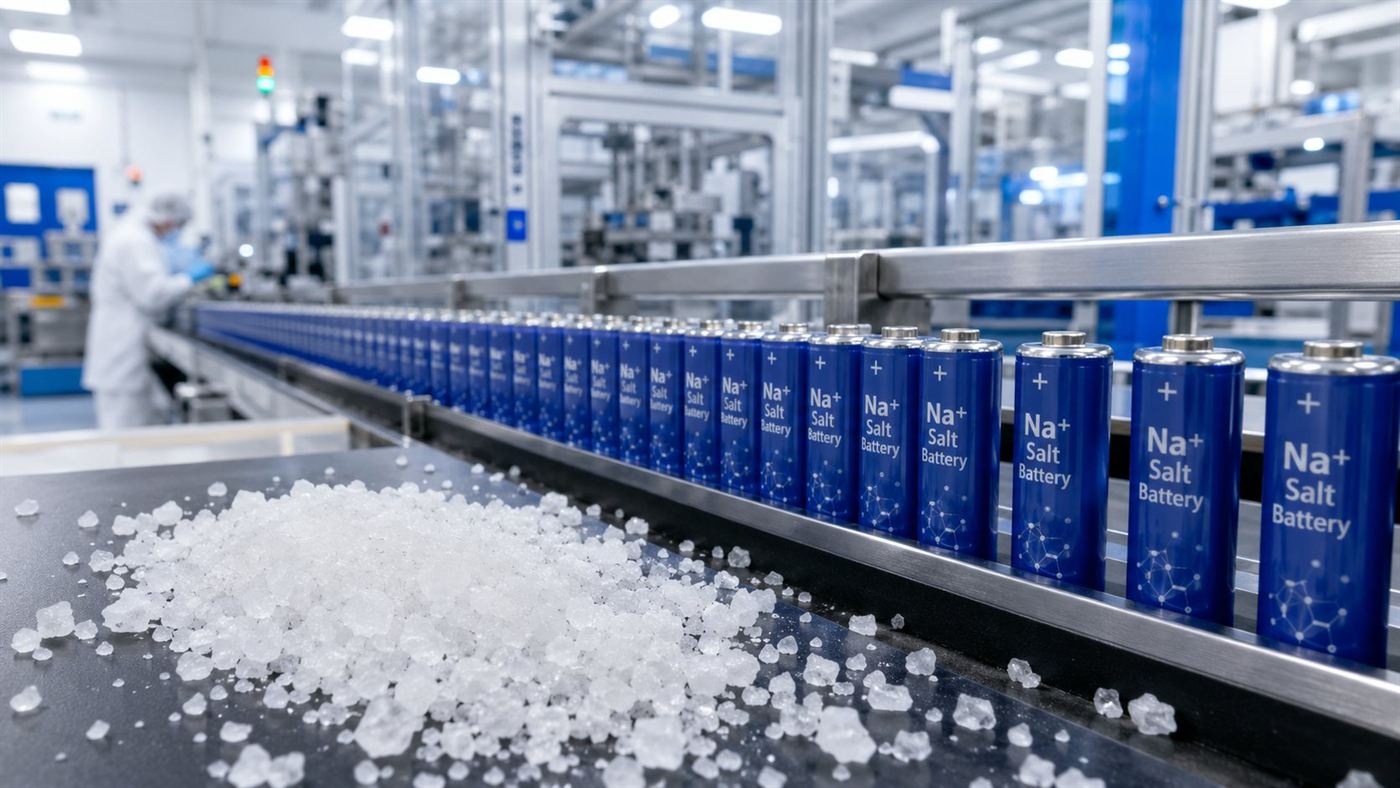
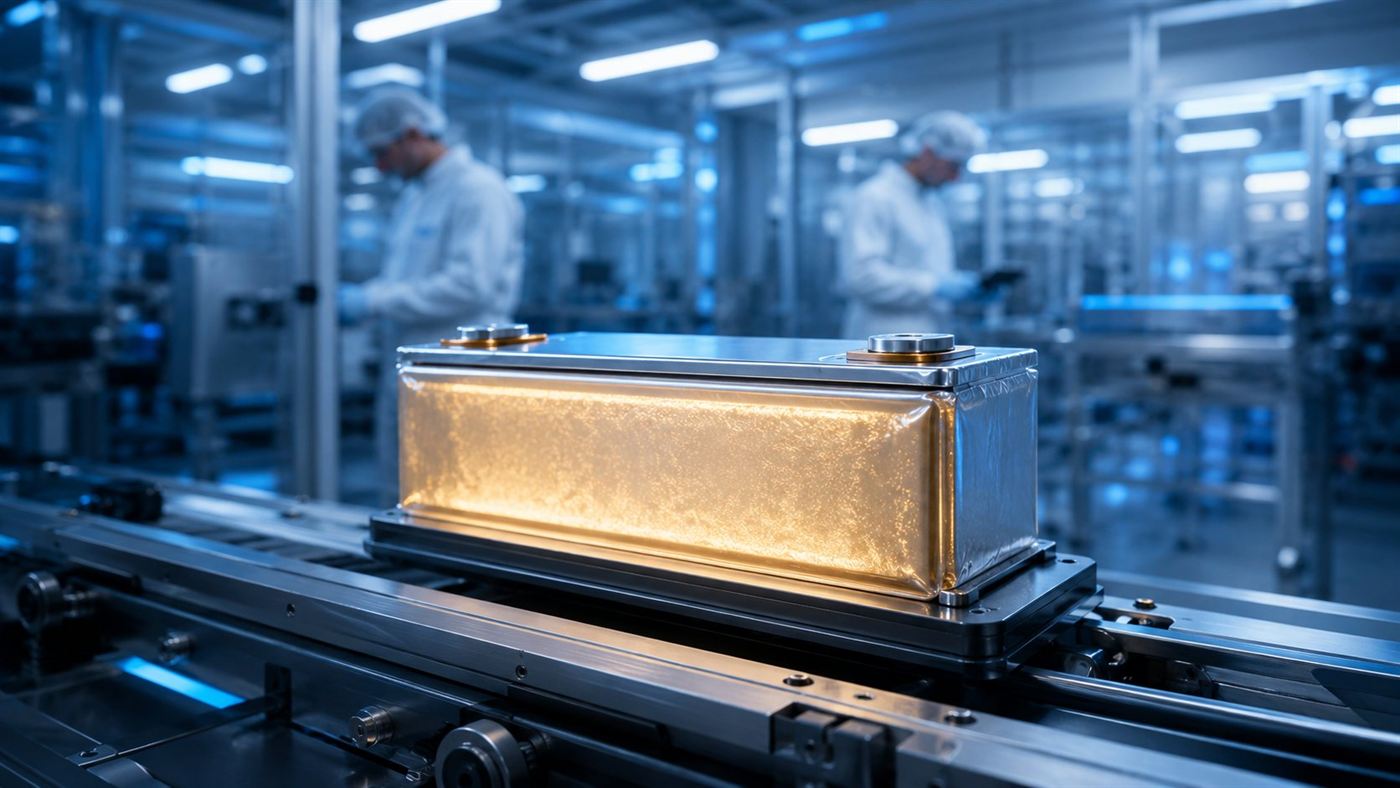
The active ingredient is sodium, the same element that makes table salt. Illustration: Watts & Wild.
The story of the battery world for the last decade has been one word: lithium. It powers your phone, your laptop, and almost every electric car on the road, and its price has swung wildly because the world cannot mine it fast enough. So the quiet news out of China in 2026 matters more than it sounds. The country's largest battery maker, CATL, has begun mass-producing a battery that uses no lithium at all.
Its active ingredient is sodium, the same element you eat every day as table salt, and it is everywhere and cheap. According to reporting from Car News China, CATL confirmed mass production starting in 2026 and is targeting a driving range of up to 600 kilometres as the technology matures. The first cars carrying it are already reaching showrooms.
The element nobody bet on
Sodium-ion is not a new idea. Scientists have known for decades that sodium could, in theory, do the same job as lithium in a battery, and it has two huge advantages: there is effectively an unlimited supply of it, and it costs almost nothing. The problem was always performance. Sodium atoms are bigger and heavier than lithium, so the early cells held far less energy for their weight, which made them useless for anything that had to move.
That single weakness kept sodium on the sidelines while lithium took over the world. The whole game, for years, was whether anyone could close the energy gap enough to make a salt battery worth building. In 2026, the answer finally turned to yes.
The numbers that changed the story
CATL says its new cell, branded Naxtra, reaches an energy density of about 175 watt-hours per kilogram. As the trade outlet ESS News explained, that puts it level with the higher end of lithium iron phosphate, the LFP chemistry that already powers most affordable electric cars. The gap that kept sodium out of cars, in other words, has essentially closed for the mainstream battery.
Then comes the part that worries lithium. As Electrek reported, CATL and BYD are leaning into sodium precisely to escape lithium's price swings, and the cost difference is stark. CATL's forecast price for a sodium cell is around 19 dollars per kilowatt-hour, against roughly 55 to 60 dollars for large lithium iron phosphate orders. That is more than half off, on the single biggest cost in an electric car.
Where salt actually beats lithium
Price is not the only place sodium wins. The chemistry holds up far better in the cold, which has always been lithium's weak spot. Battery packs in the new sodium cars are rated to work from minus 40 to plus 60 degrees Celsius, keeping more than 90 percent of their charge even at minus 20, where a normal lithium pack loses range fast. They also tolerate very fast charging, filling in around ten to fifteen minutes.
And because there is no lithium, cobalt or nickel inside, a sodium battery sidesteps the tangled, expensive and often troubled supply chains for those minerals. For a carmaker, that means a battery whose cost it can actually predict, built from a material no single country can corner.
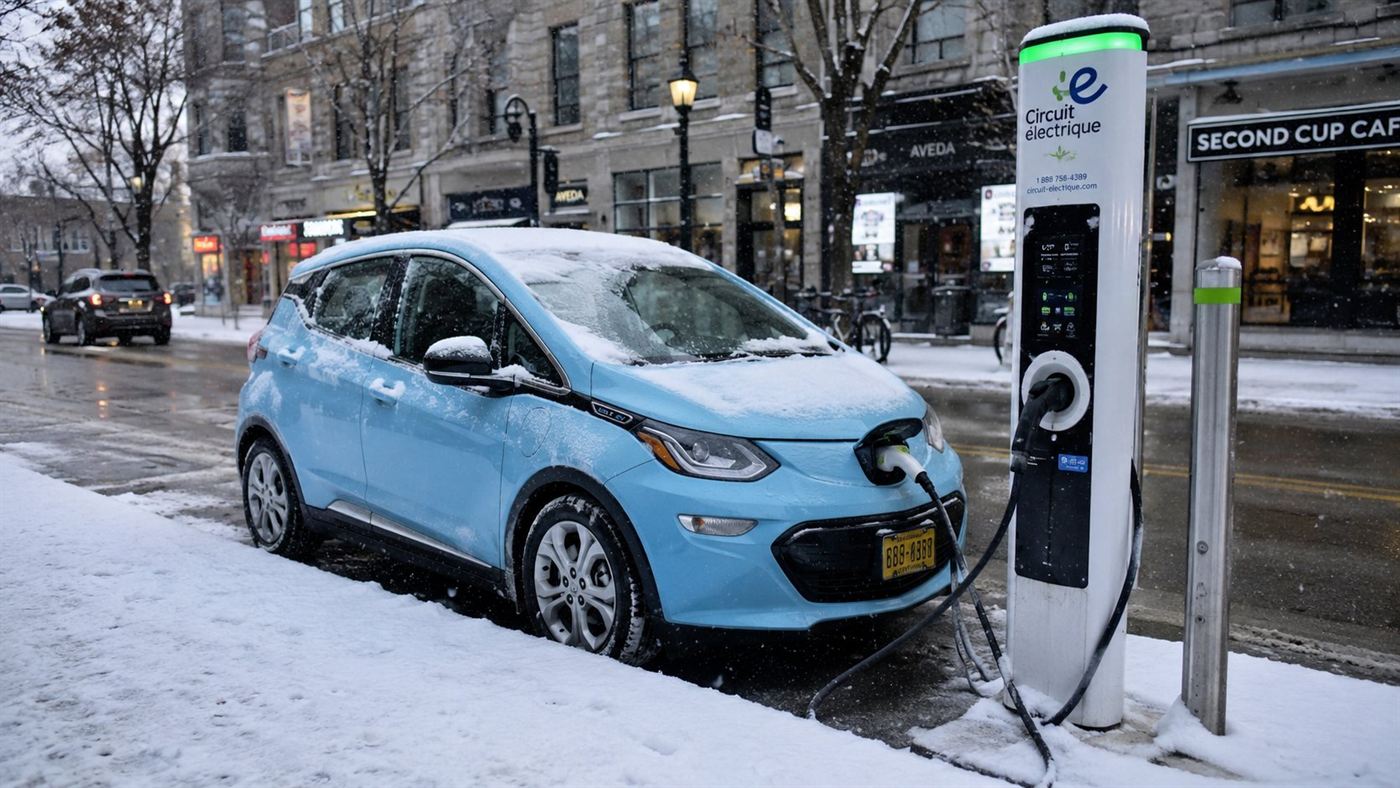
Sodium-ion battery cars are already on the road
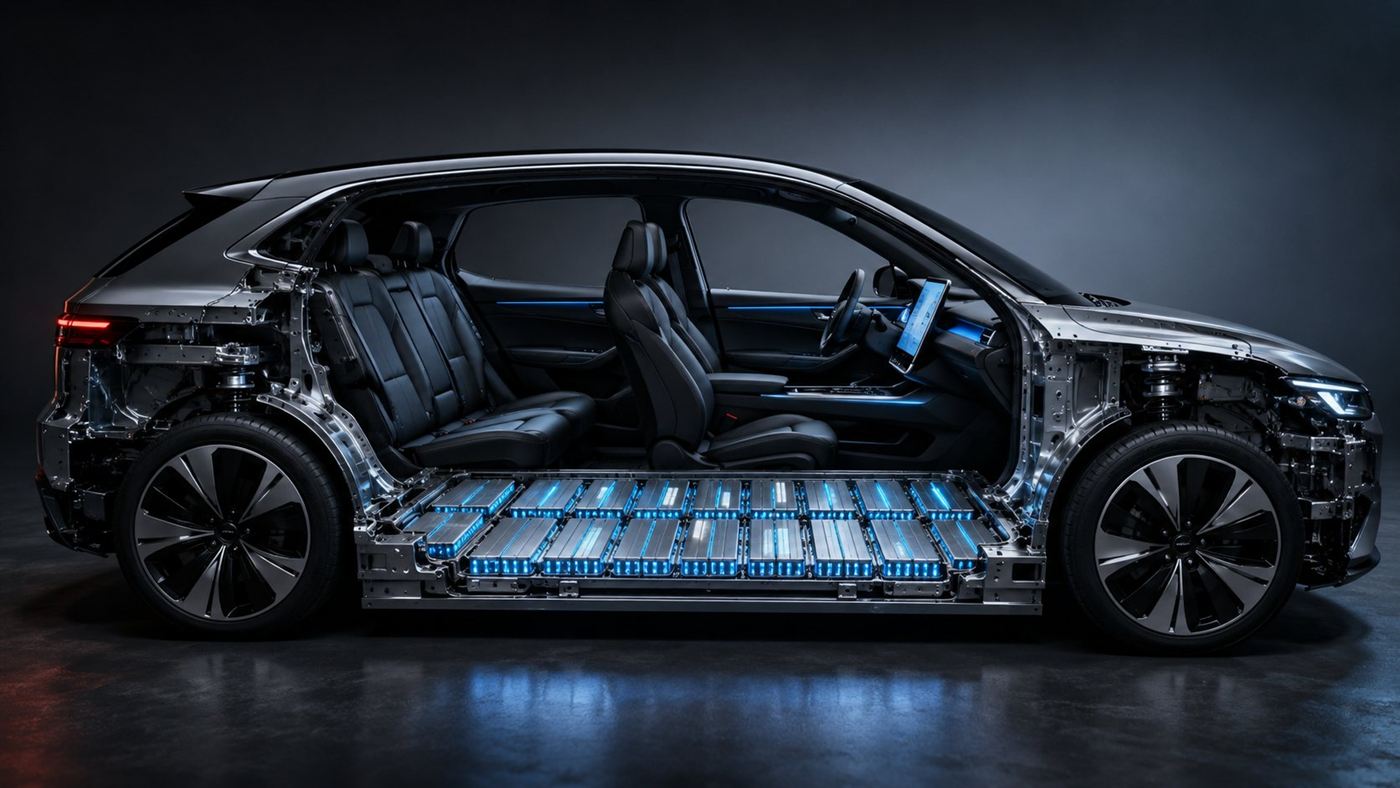
This is no longer a laboratory promise. The Changan Nevo A06, a passenger model powered by CATL's Naxtra cell, reached dealerships in early 2026, and CATL says wider rollout across electric cars will continue through the end of the year. The rival giant BYD is not far behind, building a dedicated sodium-battery factory in the city of Xining with an annual capacity approaching 50 gigawatt-hours, and a cell its engineers say can survive 10,000 charge cycles.
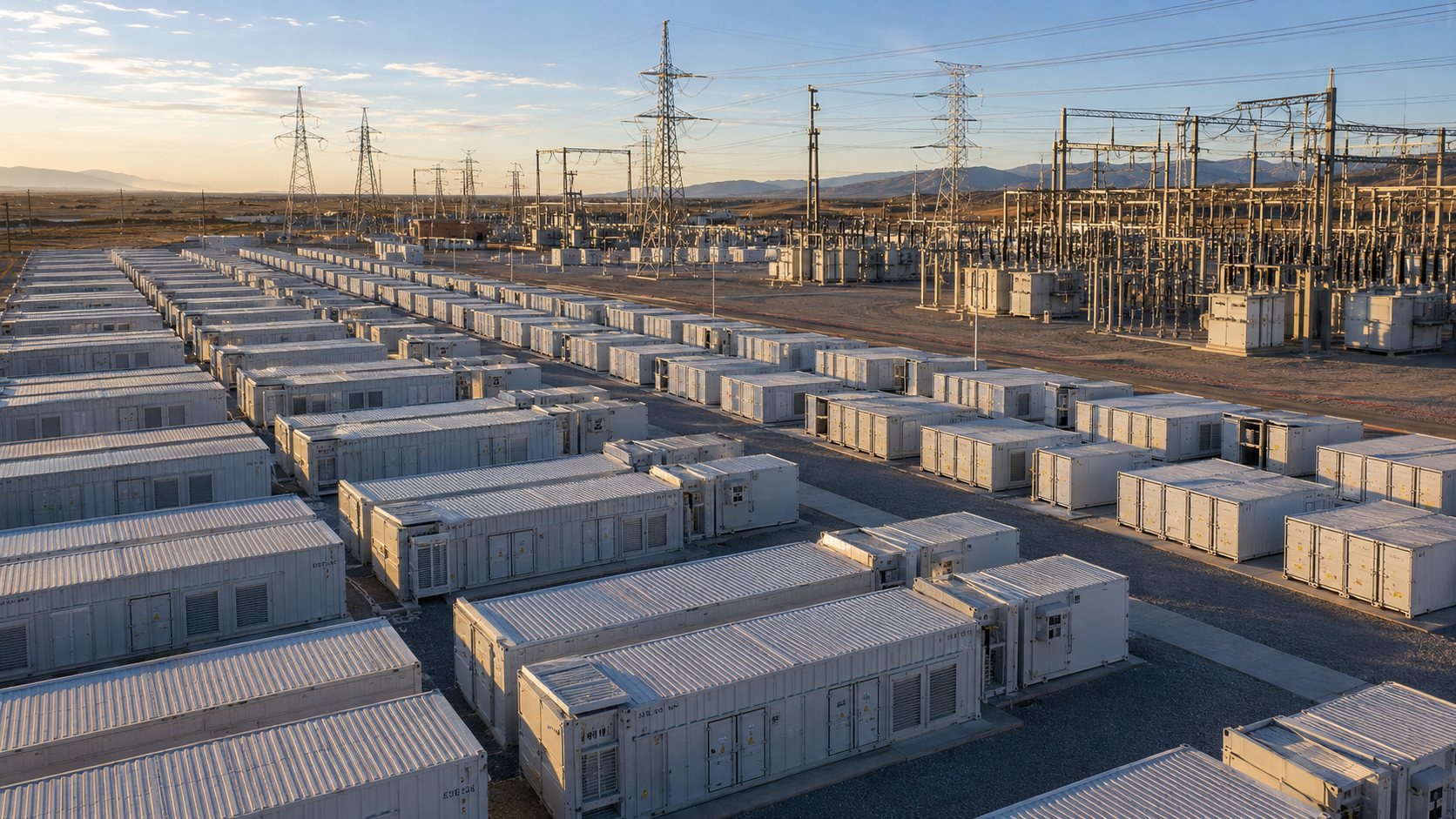
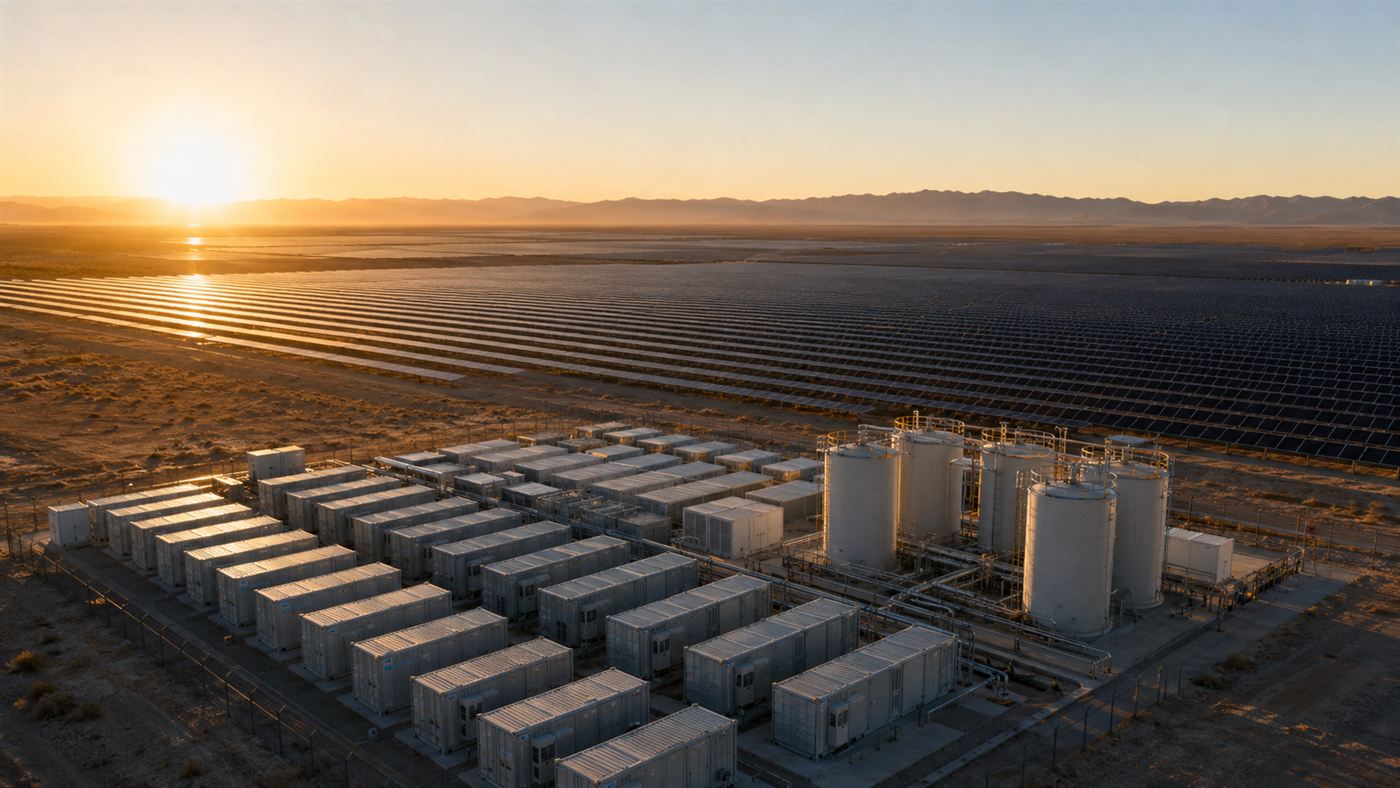
Ten thousand cycles is an enormous number. It means a battery that could, in principle, outlast the car it is bolted into, which is exactly the kind of durability that makes sodium attractive not just for cheap cars but for storing power on the grid.
The honest catch
None of this kills lithium, and it is worth being clear about why. The very best lithium batteries, the nickel-rich packs in long-range premium cars, still hold more energy in less weight than sodium does, and they will for a while. If you want the longest possible range in a heavy, fast car, lithium is still the answer.
What sodium does is take over the bottom and the middle of the market: affordable cars, short and city ranges, cold places, and grid storage where weight does not matter. That is most of the market by volume, which is why a cheaper, lithium-free battery reaching parity is such a big deal.
Why this matters beyond one battery
For a decade, the price and politics of electric cars have been chained to lithium. A salt-based battery that is more than half as cheap, works in the cold, and is already in showrooms loosens that chain. It points toward electric cars that cost less, depend on a material no one can monopolise, and leave the scarce lithium for the jobs that truly need it.
The element everyone wrote off as too weak spent years catching up quietly. In 2026 it stopped being a maybe and started being a product.
The cheapest, most common element in the sea just walked into the battery business and undercut the metal that built it by more than half. Would you buy a cheaper electric car if its battery were made from salt instead of lithium? Tell us what you think in the comments.
Related reading: China won the electric car race, but now it faces a wave of worn-out batteries heading for a million tonnes a year.