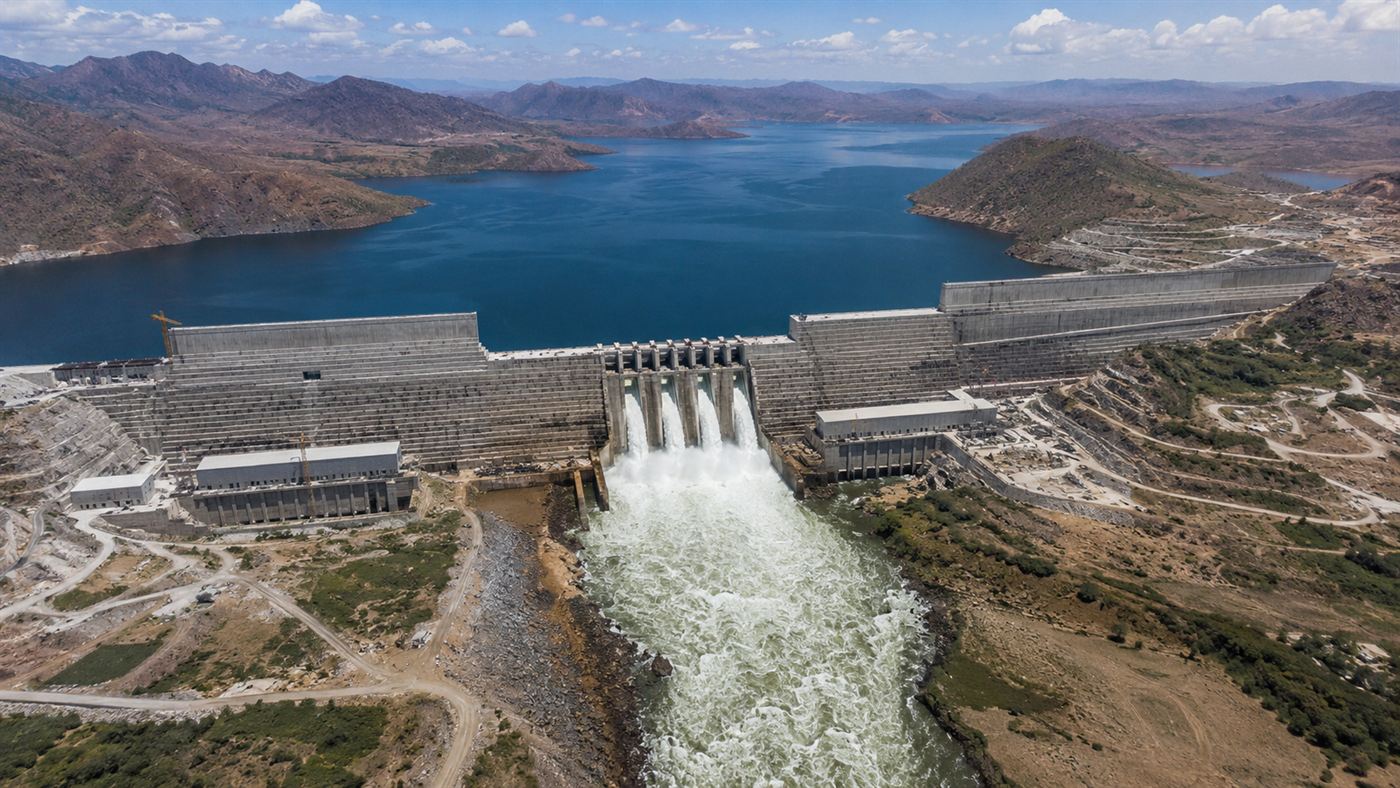
Quebec reversed wild subarctic rivers to build one of the planet's biggest power systems, and flooded 11,000 square kilometres of Cree homeland to do it
Deep in the subarctic wilds of northern Quebec sits one of the most powerful machines on Earth, and one of the most contested. The James Bay Project turned a wilderness of rivers into a torrent of clean electricity, but it did so by drowning a landscape the size of a small country, and the homeland of the people who had always lived there.
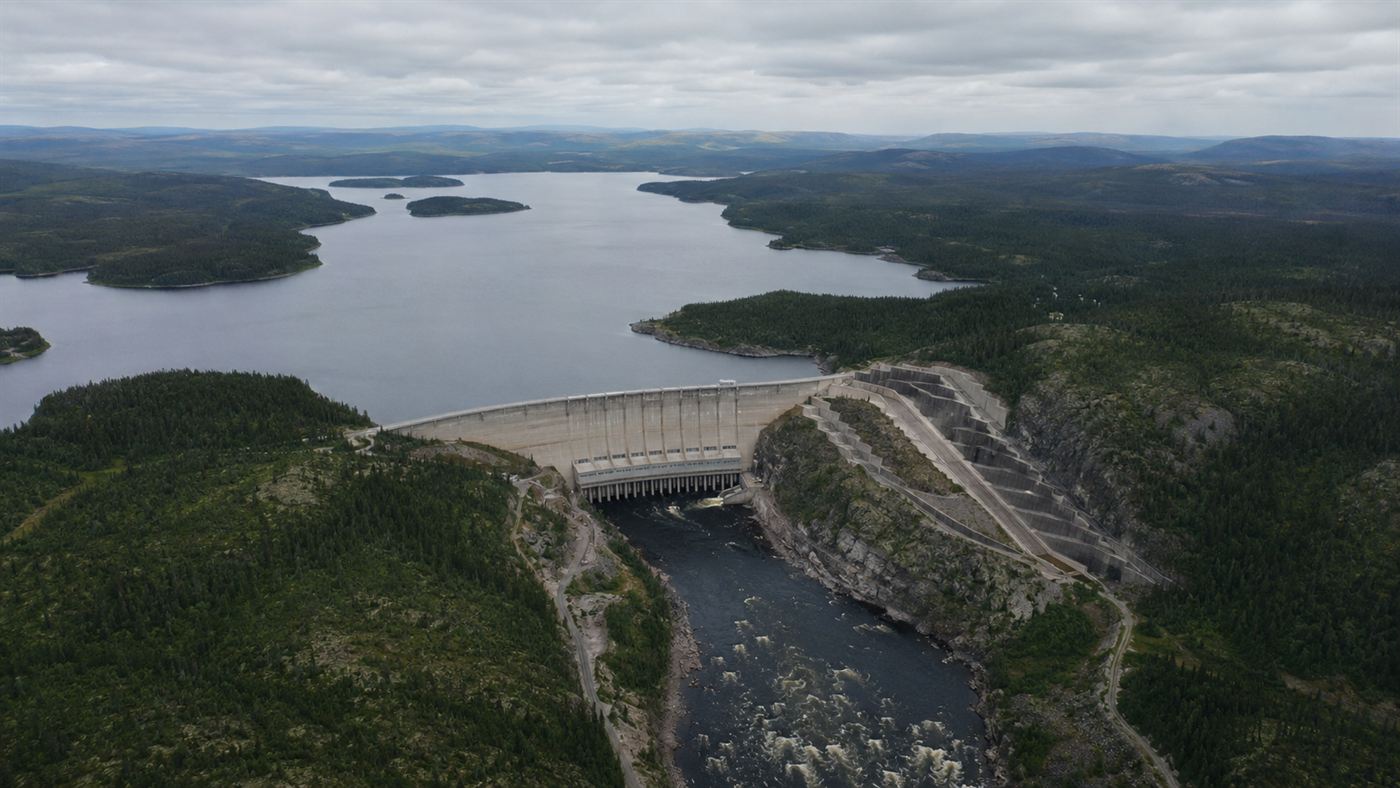
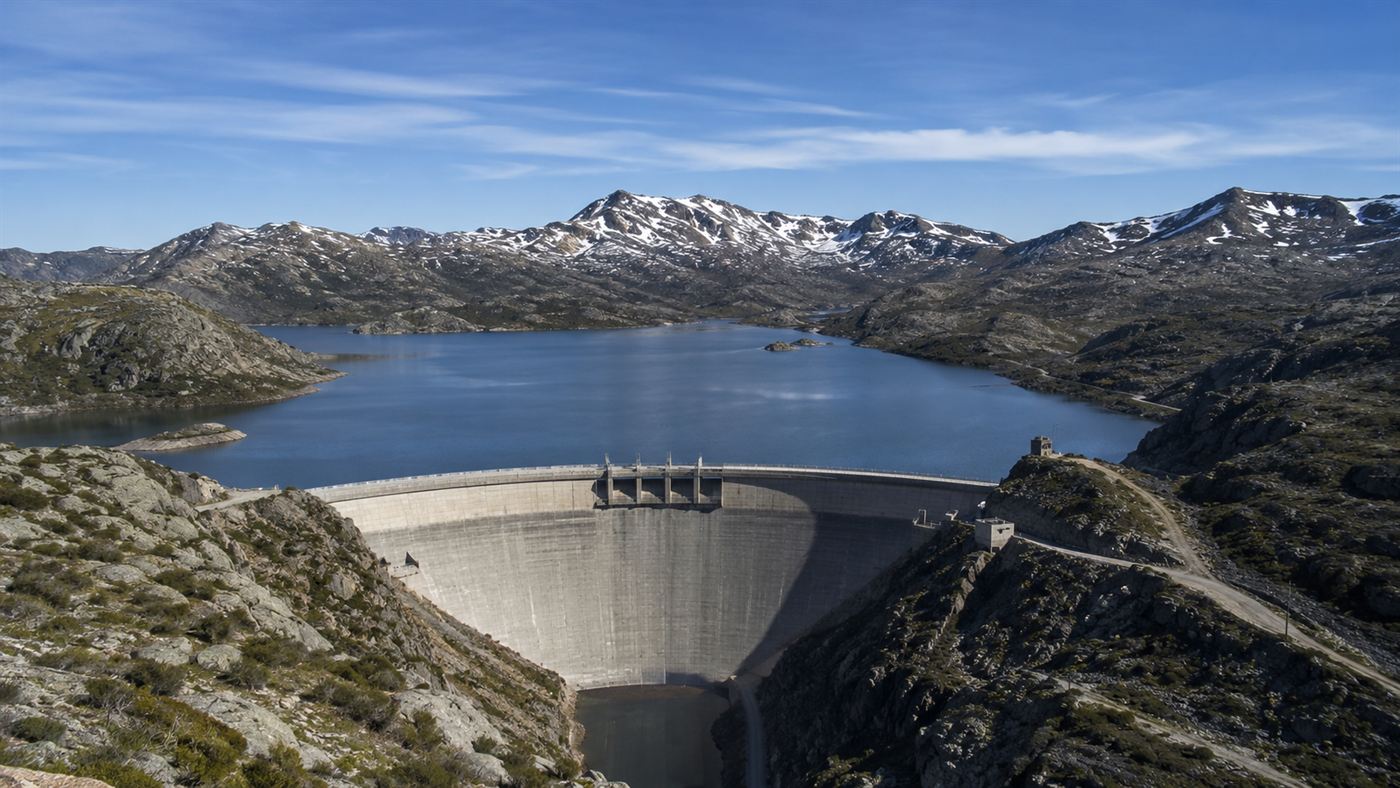
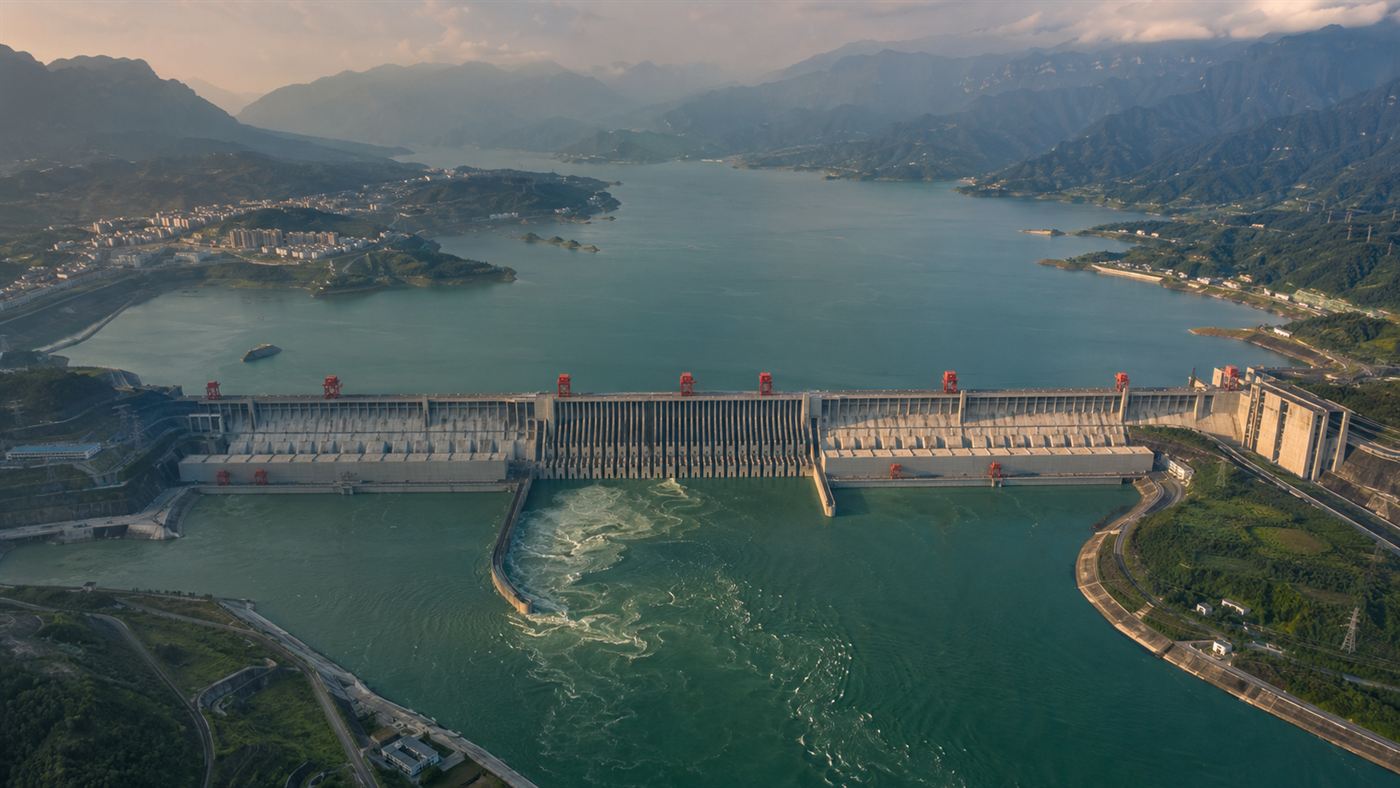
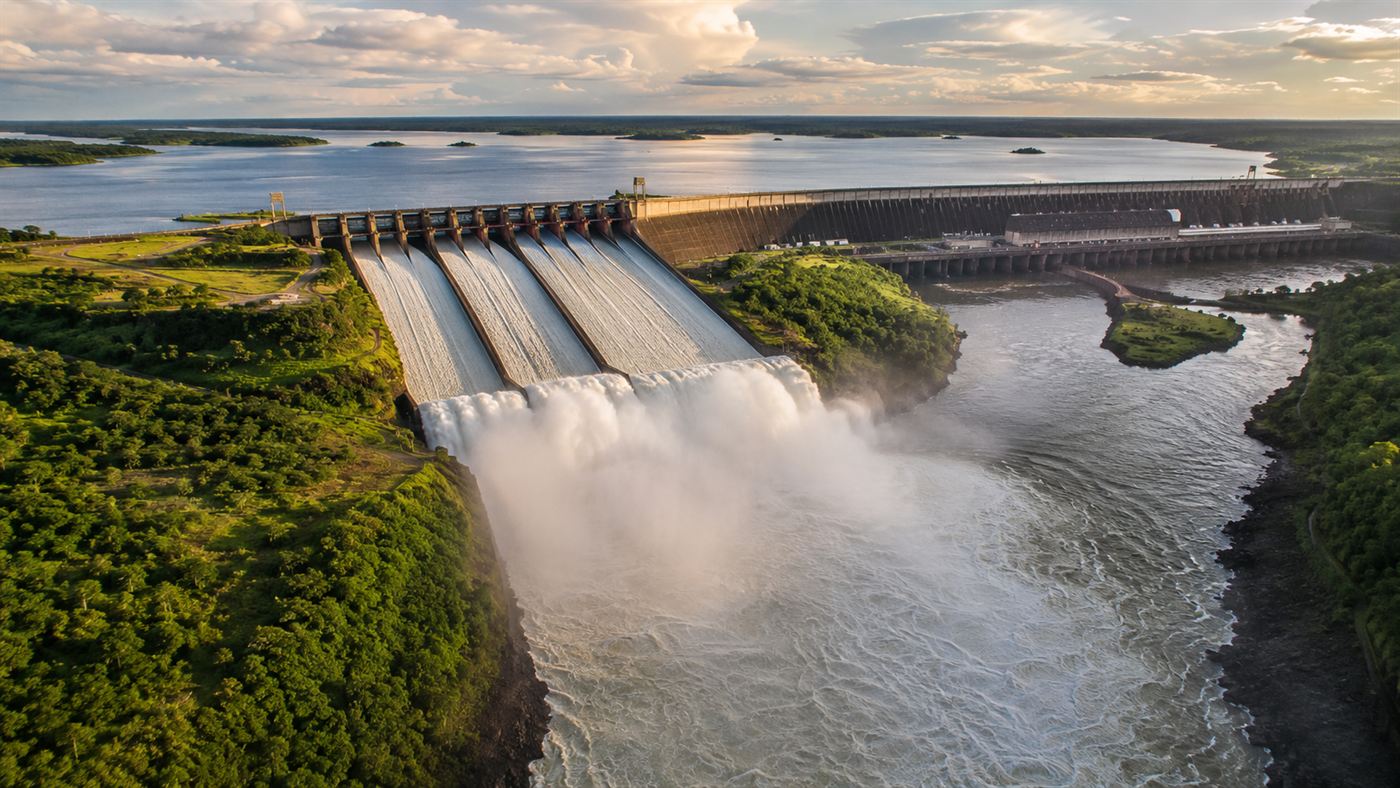
The Robert-Bourassa dam, the heart of the James Bay Project, in Quebec's vast boreal north. Illustration: Watts & Wild.
Quebec launched the scheme in 1971 under Premier Robert Bourassa, who called it the project of the century. The idea was to harness the huge rivers draining toward James Bay, in a near-empty land of spruce, rock and water, and convert them into hydroelectric power on a scale almost no one else had attempted. As the documented record describes, the resulting La Grande complex has eight power stations totalling around 16,000 megawatts, making it the second-largest hydroelectric system on the planet after China's Three Gorges.
The flagship is the Robert-Bourassa station, a 5,600-megawatt giant whose powerhouse is buried deep underground, carved out of solid rock like a cathedral. To feed it, engineers did not just dam rivers, they re-plumbed an entire region, diverting several wild rivers into the La Grande and nearly doubling its flow.
How the James Bay Project bends a wilderness
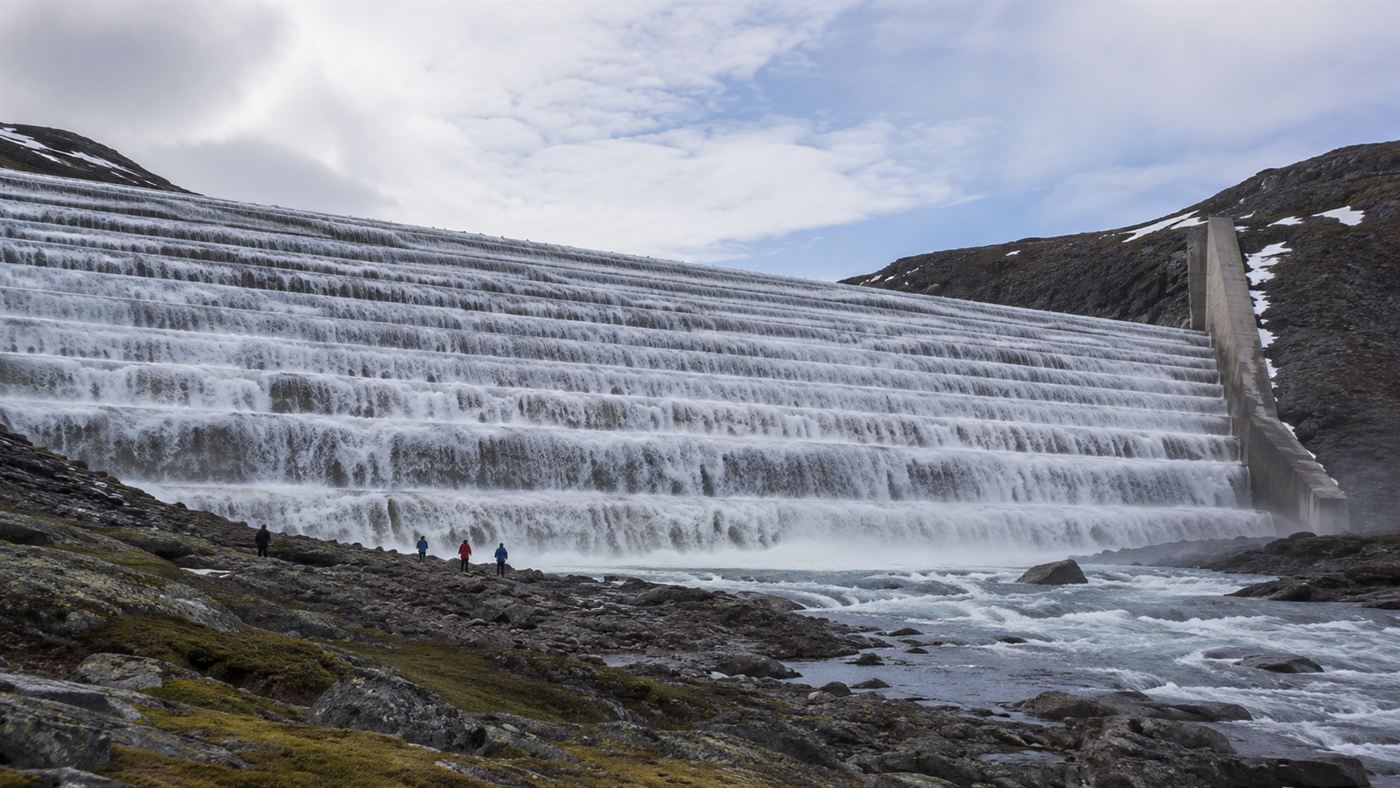
The most jaw-dropping single feature is the spillway, the channel that carries away floodwater when the reservoirs are too full. As geographers note, it was cut into the rock as a vast series of giant steps, a structure nicknamed the Giant's Staircase that stands about three times the height of Niagara Falls. When water thunders down it, the scale is almost impossible to take in.
All of this sits in a place most people will never see. The reservoirs hold enormous volumes of water and cover thousands of square kilometres, a man-made inland sea stitched together from drowned valleys. For a power-hungry province with cold winters and a long border to sell electricity across, it was an extraordinary prize.
The people who were there first
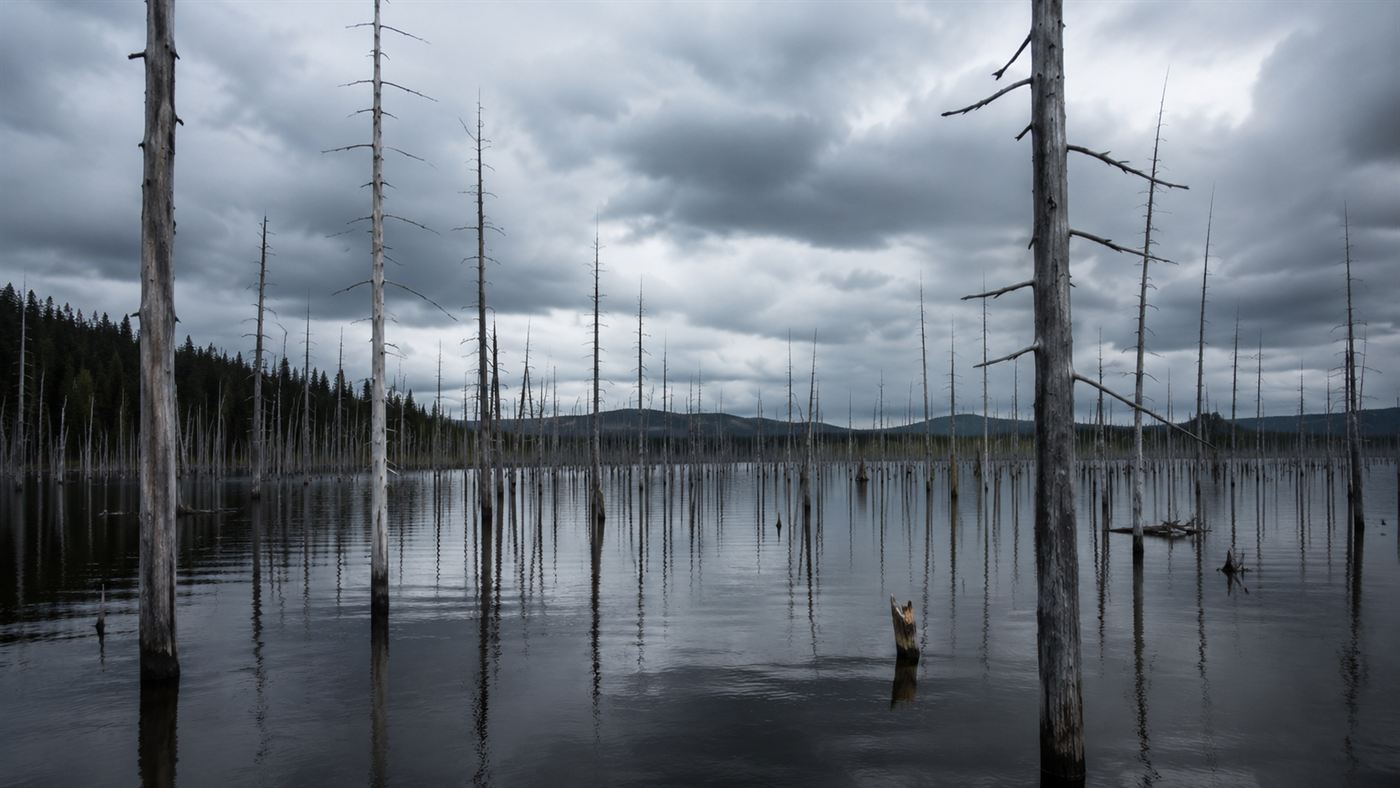
But this was never empty land. It was, and is, the territory of the Cree and Inuit, who had hunted, fished and lived there for thousands of years, and the original plan barely consulted them at all. The flooding swallowed about 11,000 square kilometres of forest, drowned hunting grounds and traplines, and forced whole communities to move, including the relocation of around 2,000 Cree from the eroding settlement of Fort George to a new town, Chisasibi, in 1981.
There was a crueller, quieter blow too. When all those trees and plants were submerged and began to rot, they released mercury into the new reservoirs, which built up in the fish. For a people whose diet leaned heavily on those fish, the contamination was a direct threat to health, turning a clean-energy triumph into a poisoned one.
The honest catch
This is where the easy story breaks down, and it should. The James Bay Project is, on one hand, a genuine marvel and a huge source of low-carbon power that has spared the air millions of tonnes of fossil-fuel emissions. On the other, it ran roughshod over the people whose land it flooded, and the damage to their way of life and their food was real and lasting. The Cree did not simply accept it; their fight forced Quebec to the table and produced the James Bay and Northern Quebec Agreement of 1975, a landmark deal that became a template for Indigenous land claims, though many Cree, fifty years on, still weigh what was taken against what was given. The James Bay Project is the clearest reminder that even clean energy is not free, and that the bill is too often handed to the people with the least say. It sits with the other nation-scale dams and schemes that delivered power at a heavy human price, from Australia's Snowy Mountains Scheme to the Itaipu dam that drowned the Guaira Falls.
One of the cleanest, most powerful energy systems on Earth was built by flooding a homeland and poisoning its fish, and the people who lived there are still counting the cost. When clean power demands a sacrifice this big, who should get to decide whether it is worth it? Tell us what you think in the comments.
Related reading: the Snowy Mountains Scheme, the Australian mega-project that reversed rivers through the Alps at the cost of 121 lives.