A couple who got rich at The North Face and Patagonia gave their wild land away, and a jaguar reintroduction has big cats hunting Argentina's Iberá again after 70 years
Doug Tompkins co-founded The North Face. Kristine ran Patagonia. Together they spent a fortune buying the wild ends of South America, then handed it to Chile and Argentina as national parks. The strangest proof it worked is a jaguar reintroduction that, since 2021, has the apex predator breeding in Iberá again.
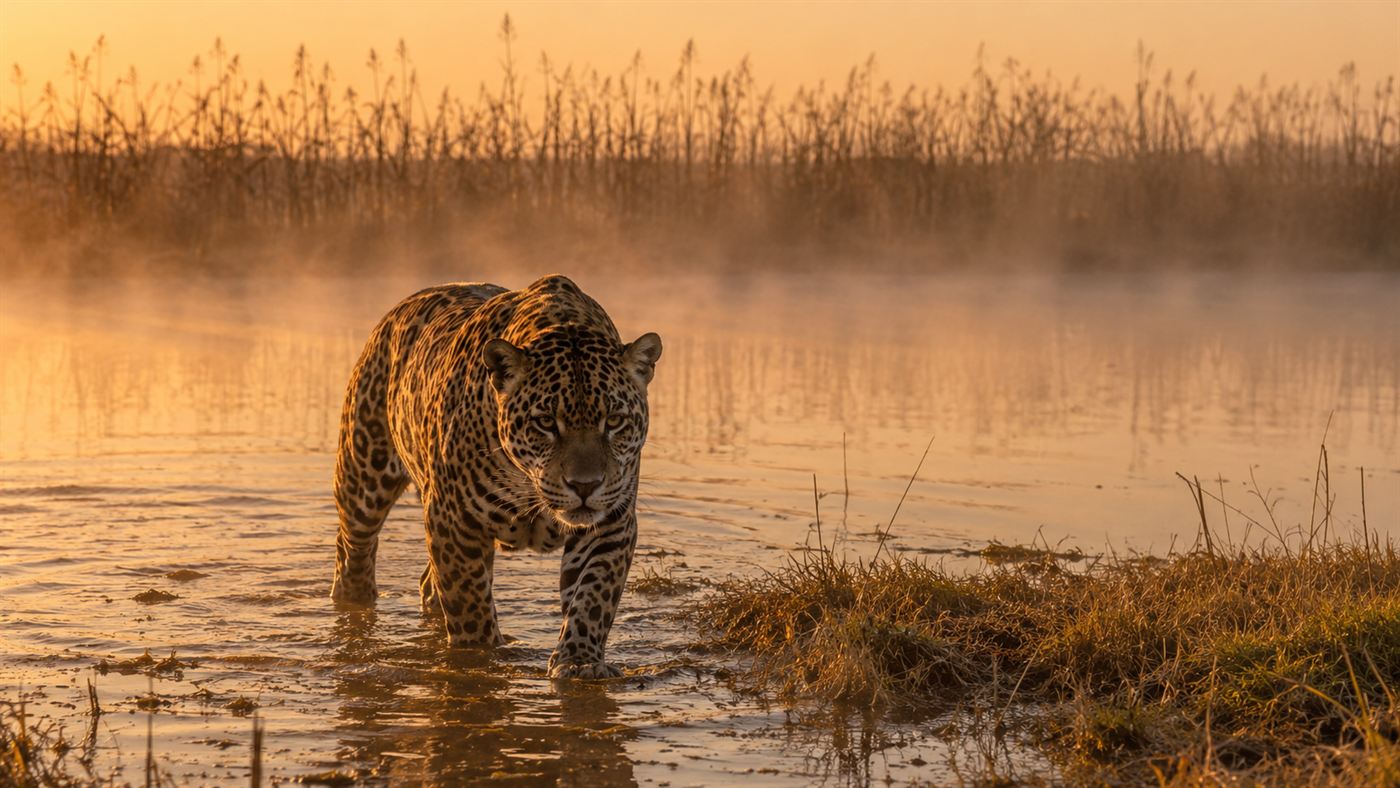
A jaguar moves through the marshes of Iberá, where the cat had been absent for 70 years. Illustration: Watts & Wild.
Argentina's jaguar reintroduction just delivered the kind of moment its architects had spent years waiting for. On July 30, 2025, a local guide named Darío Soraire was steering his boat up the Bermejo River when he spotted a wild jaguar he recognized, a female called Nalá, padding along the bank with a cub at her heel. As Mongabay reported, it was the first jaguar born in the wild in Argentina's slice of the Gran Chaco in roughly three decades.
None of it would exist without two improbable people. Doug Tompkins co-founded the outdoor brand The North Face, and his wife, Kristine McDivitt Tompkins, was the chief executive of the clothing company Patagonia. Starting in the 1990s, the couple poured their fashion fortunes into buying the wild ends of Chile and Argentina, then gave most of the land back as national parks. The big cats now prowling the Iberá wetlands are the living dividend of that bet.
What is the Iberá jaguar reintroduction? It is a rewilding project run by Rewilding Argentina and seeded by Tompkins Conservation that returned the jaguar to Argentina's Iberá wetlands after a 70-year local extinction. Since the first release in 2021, the wild population has climbed to between 35 and 40 cats across three generations.
How did the jaguar reintroduction begin?
The story starts with an absence.
By the middle of the twentieth century, hunting and cattle ranching had wiped the jaguar out of the Iberá wetlands of northeastern Argentina.
For about 70 years the largest cat in the Americas was simply gone from one of its richest habitats.
Rewilding Argentina, the group founded by Tompkins Conservation, set out to undo that.
In 2015 it opened a one-of-a-kind breeding center on an island in the marshes, where captive jaguars that could never be released would raise cubs wild enough to hunt.
The payoff came on January 7, 2021.
A female named Mariua, rescued as an orphaned cub in Brazil, walked through an open gate into Gran Iberá Park with her two cubs, Karai and Porã, the first jaguars to roam those wetlands in seven decades, in what Mongabay has described as the first reintroduction of jaguars anywhere the cat had been wiped out.
From those first cats, the jaguar reintroduction has grown into something self-sustaining.
The wild population of the Iberá wetlands now stands at 35 to 40 animals spread across three generations, enough that the project has stopped only adding cats and started moving them. Deliberately relocating wild animals like this is a craft that runs back to dramatic early efforts such as Operation Noah, the rescue of thousands of animals from a rising African dam.
From fashion fortunes to the largest land gift in history
Doug Tompkins was an unlikely conservationist.
He co-founded The North Face in 1964, built the fashion label Esprit into a global brand, and was a restless adventurer and pilot with thousands of hours in small planes.
He walked away from the business in 1989, convinced that the consumer culture he had helped build was devouring the planet, and moved to a remote corner of Chilean Patagonia.
There he started doing something almost nobody understood: buying enormous tracts of wilderness.
His wife, Kristine McDivitt Tompkins, had just retired as chief executive of Patagonia, the outdoor company, when they married in 1994, and she threw herself into the same mission.
Over the next quarter century the couple and their foundations helped protect more than 14 million acres across Chile and Argentina.
The centerpiece came in 2018, when Tompkins Conservation handed roughly a million acres to Chile and the government added about ten million acres of its own, creating five new national parks and enlarging three more.
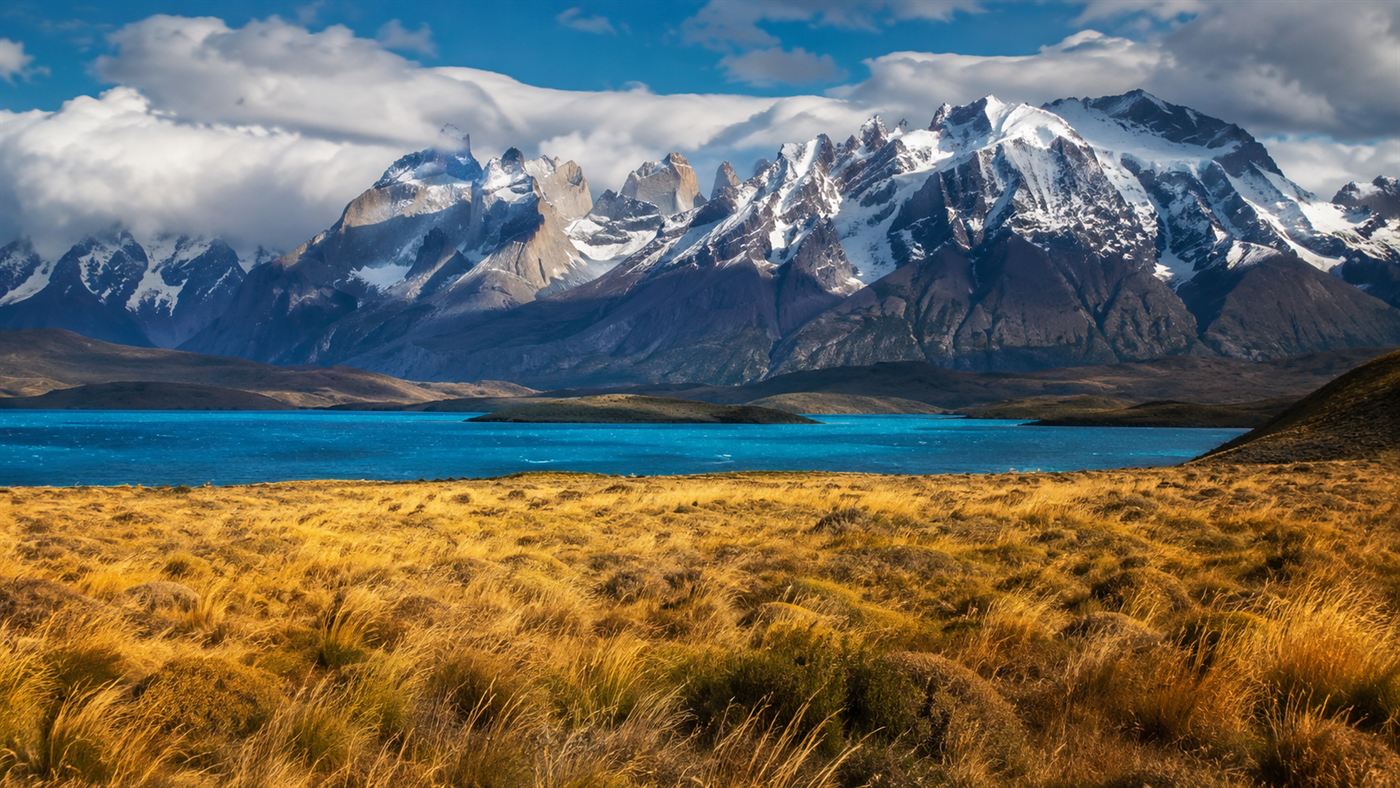
That gift anchored the Route of Parks of Patagonia, a 1,700-mile chain of 17 national parks running from Puerto Montt to Cape Horn.
The same playbook created Iberá in Argentina, where the jaguar reintroduction now unfolds on land the Tompkinses bought and gave away.
The years the gringos were 'despised'
It was not an easy gift to give.
When two rich Americans began buying up valleys, forests and wetlands and announcing they would log nothing and mine nothing, locals assumed the worst.
Conspiracy theories spread that Tompkins wanted to seize South America's fresh water, build a nuclear waste dump, or carve out a foreign military base.
In Argentina the slogan was blunt: "Los gringos vienen por el agua," the gringos are coming for the water.
In Chile their phones were tapped and the military flew over their land.
Lawmakers in both countries tried, and failed, to expropriate the Tompkins Conservation holdings or cap how much wilderness a foreigner could own.
"We had four or five years of being despised. People thought we were a cult," Kristine Tompkins later recalled.
The proof that they meant it came every time they signed another property over to a government and walked away.
Why does an apex predator matter this much?
A jaguar is not just a charismatic face on a conservation poster.
As an apex predator, it sits at the top of the food web and quietly shapes everything beneath it.
When the apex predator vanishes, prey like capybara and marsh deer can boom, overgraze, and throw a wetland out of balance.
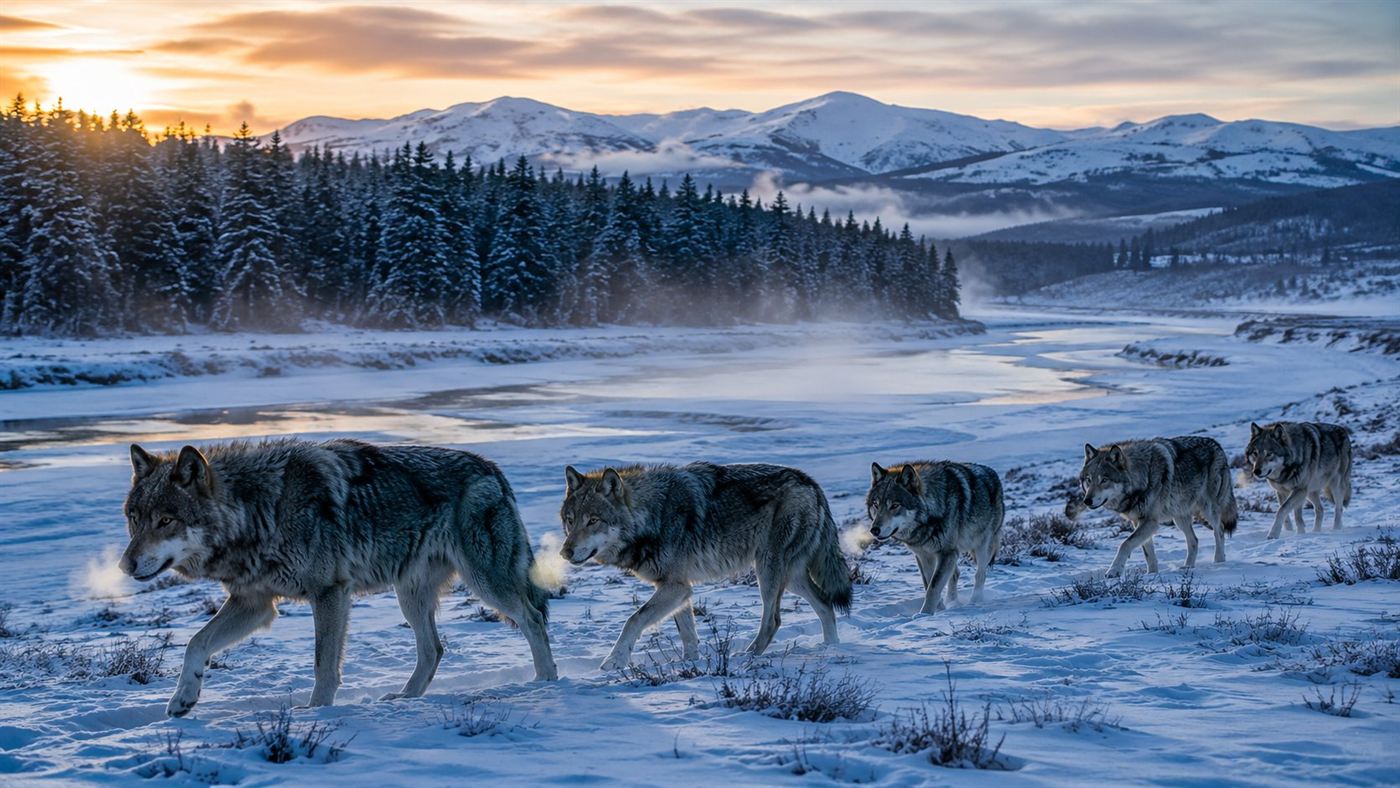
Bring the apex predator back and the whole system tightens up again, the same lesson the return of wolves taught the rivers of Yellowstone.
That is why Rewilding Argentina treats each cat as living infrastructure.
"Every jaguar is like a moving national park," Guillermo Díaz Cornejo, a lawyer with Argentina's national parks board, told Mongabay, because the predator carries the health of the ecosystem around with it.
It is the same logic behind other big-cat comebacks.
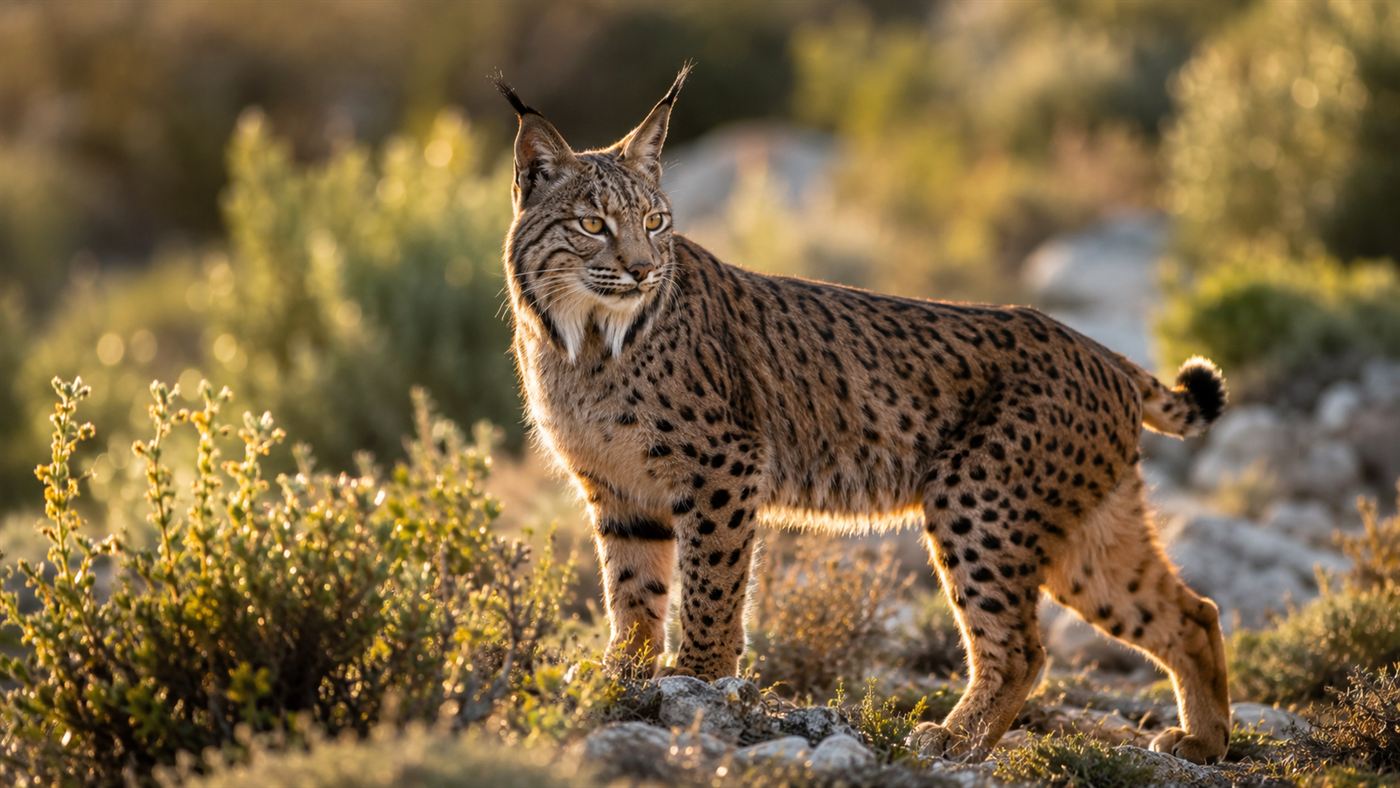
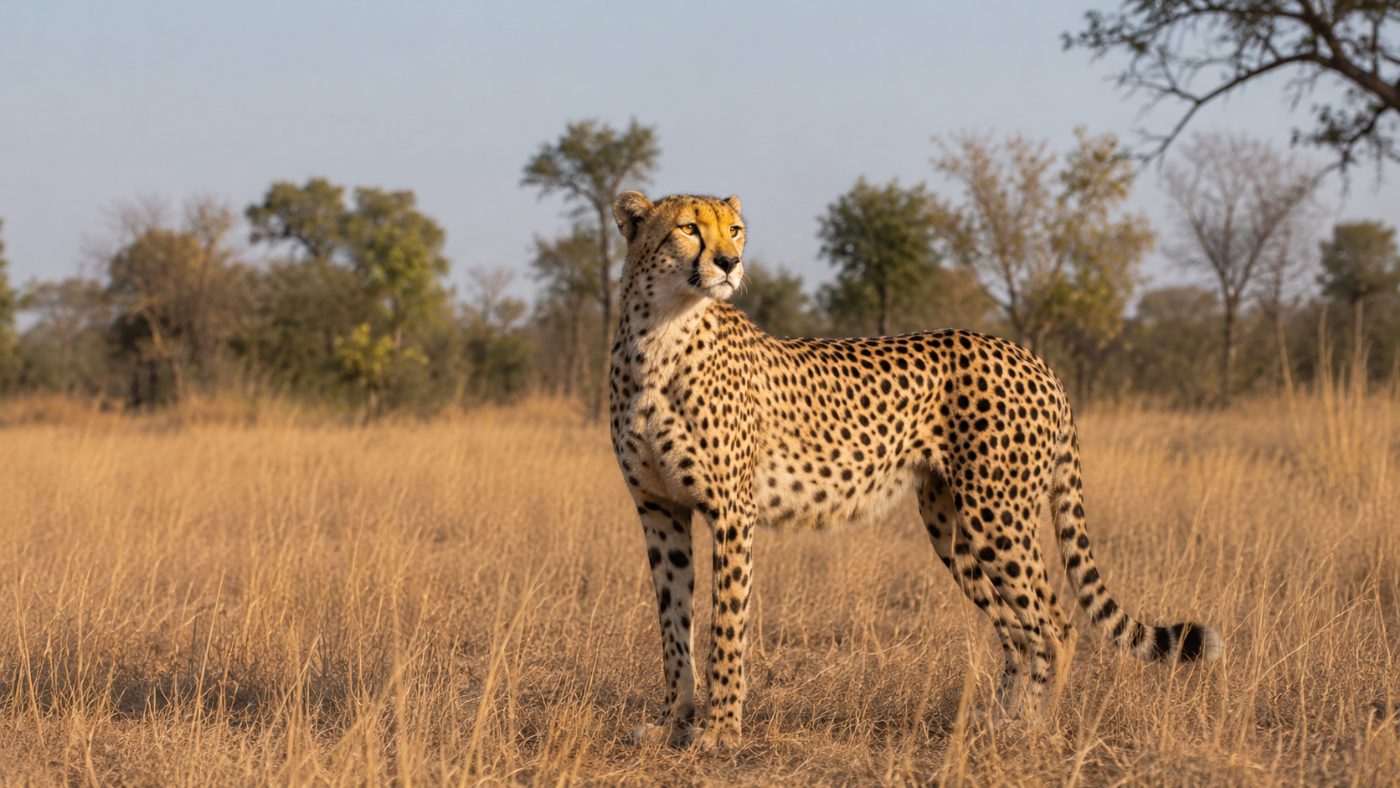
In Spain, the Iberian lynx clawed back from near extinction, and in India, conservationists flew in cheetahs from Africa to refill an empty niche.
A wild cub on the Bermejo, and a corridor across a continent
With Iberá secure, the project pushed north into the Gran Chaco, a vast dry forest where the jaguar was nearly gone, down to perhaps 20 animals on the Argentine side.
Rewilding Argentina has been working there, around El Impenetrable National Park, since 2019.
In March 2025 it pulled off a world first.
A wild-born female from Iberá named Mini was captured and released into El Impenetrable, the first time a wild jaguar had ever been moved from one wild population to another to rebuild a third, a tactic conservation director Sebastián Di Martino calls a more efficient way to restore the species.
Then came Nalá's cub on the Bermejo.
"It was a wonderful day for me," said Darío Soraire, the guide who spotted them, describing the first wild jaguar birth in that region in about 30 years and a sign the new population can sustain itself.
In October 2025 the ambition went continental.
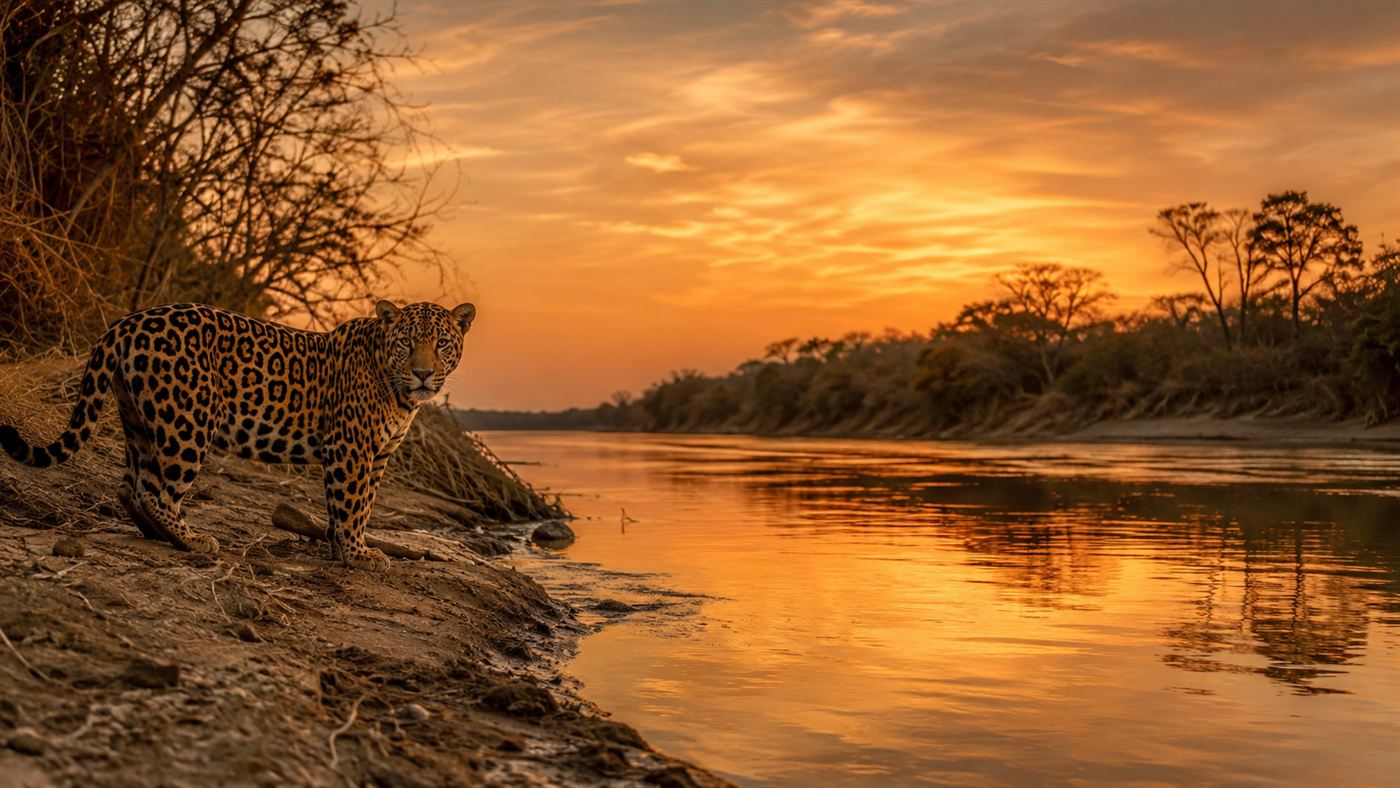
Groups linked to Tompkins Conservation launched the Jaguar Rivers Initiative, a plan to stitch the fragmented forests of the Paraná Basin back together using rivers as wildlife corridors, so that one day a jaguar might cross a continent again.
The honest catch
None of this means the jaguar is safe.
Argentina still has only around 200 of them, and the reintroduced population descends from a tiny number of founders, so the gene pool is dangerously narrow.
"We need more jaguars, and for that, the best option right now is to bring in females," biologist Gerardo Cerón of Rewilding Argentina told Mongabay.
Cats still die, from disease, from territorial fights, and sometimes from ranchers who see a predator near their cattle rather than a moving national park.
The model also leans heavily on private money and on the goodwill of governments that can change their minds.
It is rewilding on life support, brilliant but fragile, much like Britain's celebrated rewilding experiment at Knepp and other projects that lean on a few committed people.
And the man who started it never saw the cubs.
Doug Tompkins died in December 2015, weeks before the breeding center took shape, after his kayak capsized in the icy water of Chile's Lake General Carrera.
Kristine Tompkins has carried the work forward, named a United Nations patron of protected areas and, in 2024, returning to the stage with a TED talk titled "Rewilding Beyond Borders."
The land the couple bought and gave away is still there, and now it has teeth again, in the form of a jaguar reintroduction that turned the Iberá wetlands back into a place where the apex predator hunts.
Would you trust two former billionaires to give a wilderness back better than they found it, or does real rewilding have to come from the people who live there? Tell us in the comments.