They were warned the building was falling, and kept the doors open
On a warm Thursday evening in Seoul, one of the city's busiest department stores folded into its own basement in about 20 seconds. By morning the world knew the cracks had been spreading for hours, that engineers had called the building unsafe, and that the men who ran it had locked themselves out of the danger while leaving everyone else inside. The Sampoong Department Store collapse killed 502 people, and almost every one of those deaths was a choice.
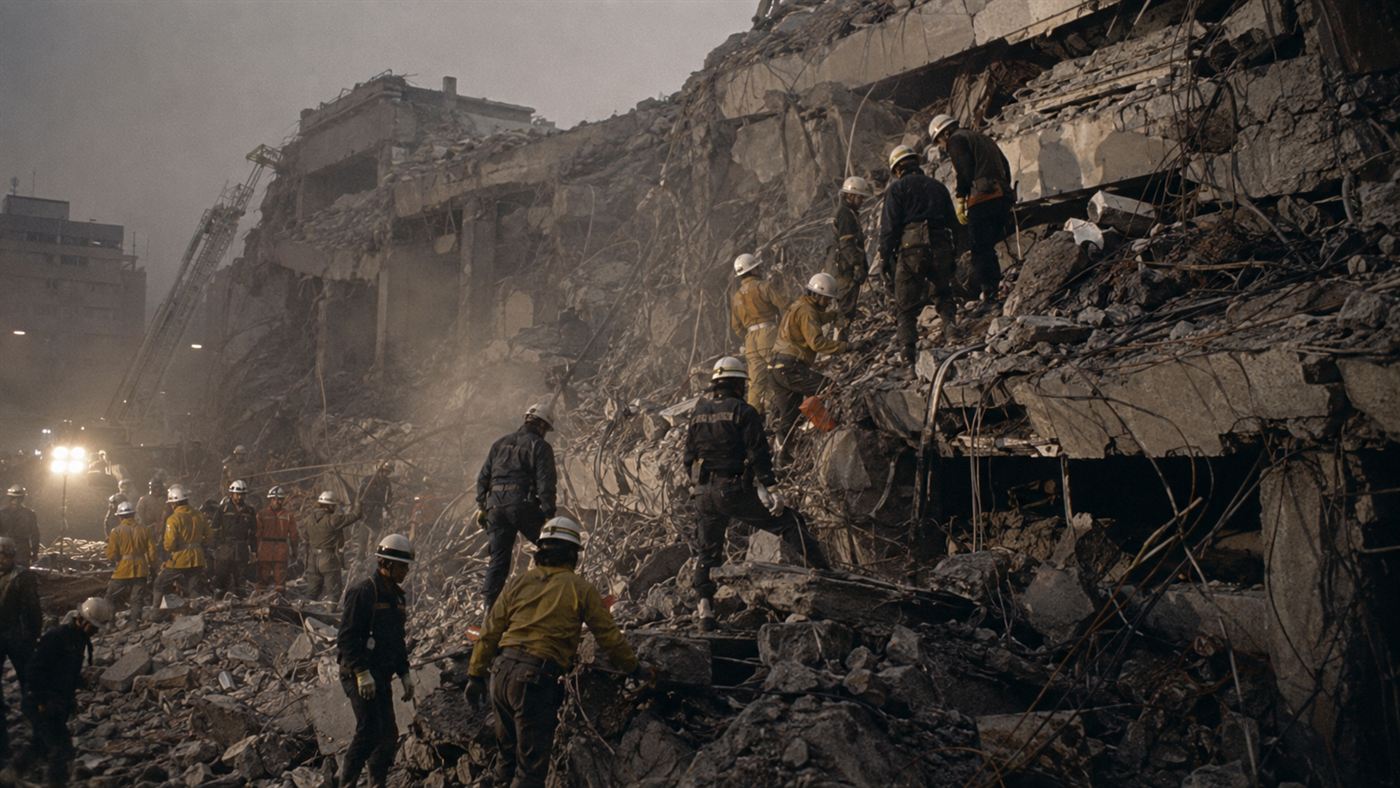
Rescuers worked the rubble of the Sampoong Department Store for weeks. Illustration: Watts & Wild.
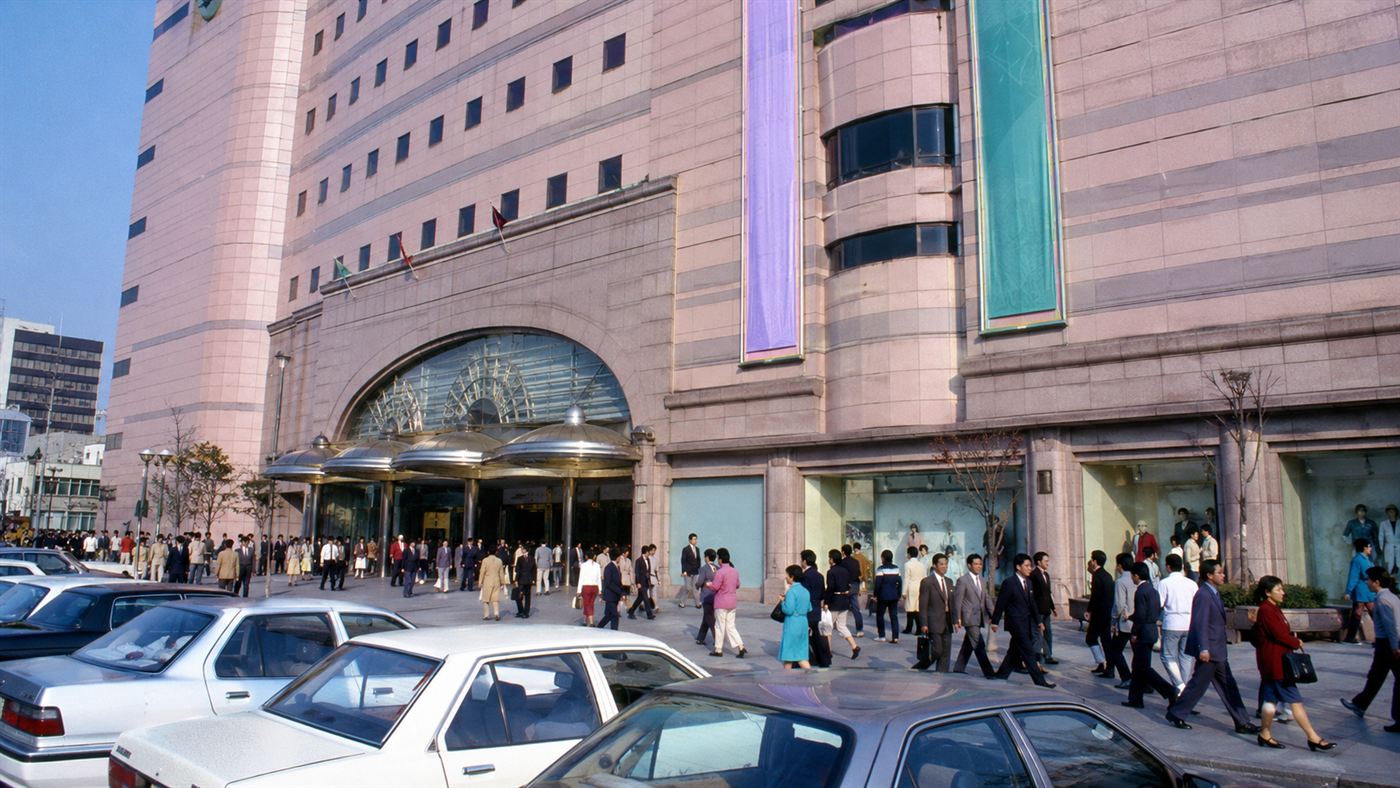
The building looked solid, a pink five-storey landmark in the wealthy Seocho district, packed with shoppers on 29 June 1995. What no one walking the aisles could see was that the Sampoong Department Store had been quietly sabotaged by the people who built it, one shortcut at a time.
It was never meant to be a store at all. And the story of how it became one is the story of why it fell.
A building changed into something it could not be
The structure was originally designed and approved as a four-storey office block. The owner, Lee Joon, ordered it converted into a department store and had several support columns cut away to make room for escalators, weakening the very bones of the building. Then he went further, adding a fifth floor that the original plans never allowed for.
That top floor was supposed to be a roller-skating rink. Instead it became a floor of restaurants, complete with heavy ovens, stone-lined floors and underfloor heating, a far greater load than the frame was ever meant to carry. When the original construction company refused to make the changes, calling them dangerous, Lee Joon simply fired them and brought in his own firm to finish the job. The warnings did not stop the work. They just removed the people giving them.
Cracks that everyone could see
The design that held the floors up left almost no margin for error. Sampoong used a flat-slab system in which the concrete floors rested directly on columns that were too thin and too lightly reinforced, with no beams to catch a failure if one column gave way. On top of all this sat three massive air-conditioning units, and when they ran, their vibration travelled straight down into the structure.
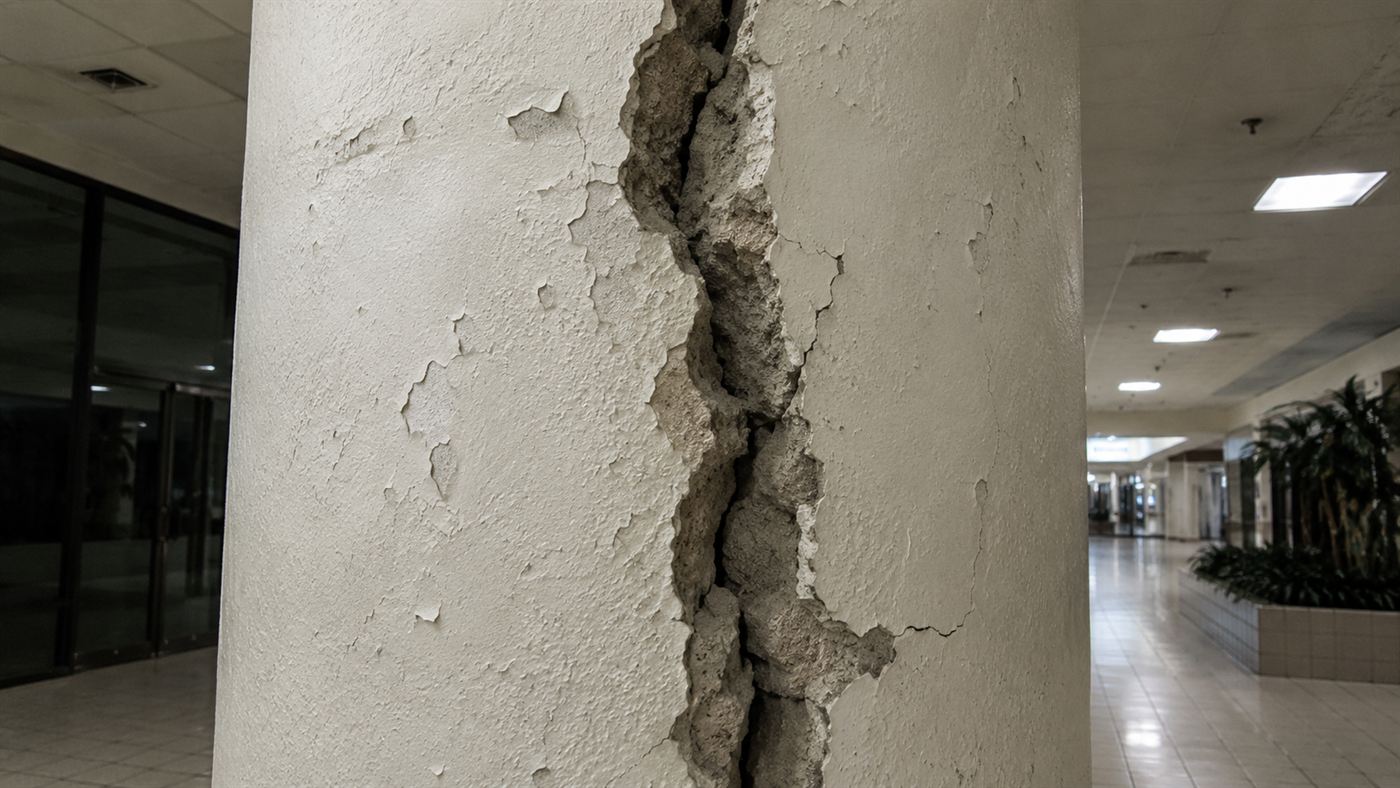
Over the months, that vibration helped widen a crack at the base of one column on the fifth floor. By the spring of 1995 cracks had become a familiar sight to staff. In the final days they spread fast, the top-floor ceiling began to sag, and water was seen pooling where it should not. These were not hidden flaws buried in a blueprint. They were marks on the walls that anyone could read, if they were willing to.
The meeting that doomed 502 people
On the morning of the collapse, the cracks were impossible to dismiss. Engineers brought in to inspect the top floor declared the building unsafe, yet management held a meeting and decided to keep the store open rather than lose a day of sales. Their only real concession was to switch off the air conditioning and shift some goods off the fifth floor.
The detail that turns a tragedy into something harder to forgive is what the executives did next. Rather than clear the building, they left it themselves, walking out while thousands of customers and staff stayed at their counters. At about ten to six in the evening the cracked column finally let go. The roof punched through the fifth floor, and the failure cascaded downward as each floor dropped onto the one below. In roughly 20 seconds the entire south wing pancaked into the basement, taking more than 1,500 people down with it.
What caused the Sampoong Department Store collapse?
It was not one mistake but a chain of them. The Sampoong Department Store collapse was caused by cutting structural columns for escalators, adding an unauthorised and overloaded fifth floor, undersized flat-slab construction, and heavy rooftop air conditioning whose vibration cracked a key column until it failed.
Investigators later found that the columns were significantly thinner than the building codes required, and that bribery had helped the store obtain its occupancy permits in the first place. It is tempting to pin everything on one greedy man, and Lee Joon's decisions were indeed reckless. But the honest version is bigger and bleaker: a corrupt inspection system and the loose, breakneck construction culture of South Korea's 1980s boom let a death trap open its doors to the public and stay open for years.
How many people died in the Sampoong Department Store collapse?
The toll was staggering for a building that fell in seconds. The Sampoong Department Store collapse killed 502 people and injured 937, the deadliest peacetime disaster in modern South Korean history.
Yet the rubble also gave back a few astonishing survivors. Rescuers kept finding people alive deep in the wreckage long after hope should have run out, including a young woman pulled free 17 days after the collapse, having survived on rainwater in a pocket of broken concrete. Lee Joon was later convicted of criminal negligence and sentenced to several years in prison, and the disaster forced South Korea to rewrite how it inspects and certifies its buildings. It is a grim kind of legacy, paid for entirely by people who had simply gone shopping.
A building can broadcast its own death for months and still be full when it falls, simply because closing it would cost money. How many of the structures we walk through every day are being kept open the same way? Tell us what you think in the comments.
Related reading: the Hyatt Regency walkways, another crowded space brought down by a quiet change to the design.