A humpback whale swam farther than any other on record, from Australia toward Brazil
A single whale, photographed off Australia and then years later off South America, has quietly rewritten what we thought these giants do. In 2026 scientists confirmed it had covered more than 15,000 kilometres between the two, a journey almost too big to picture, and the clue that cracked the case was a set of holiday snapshots.
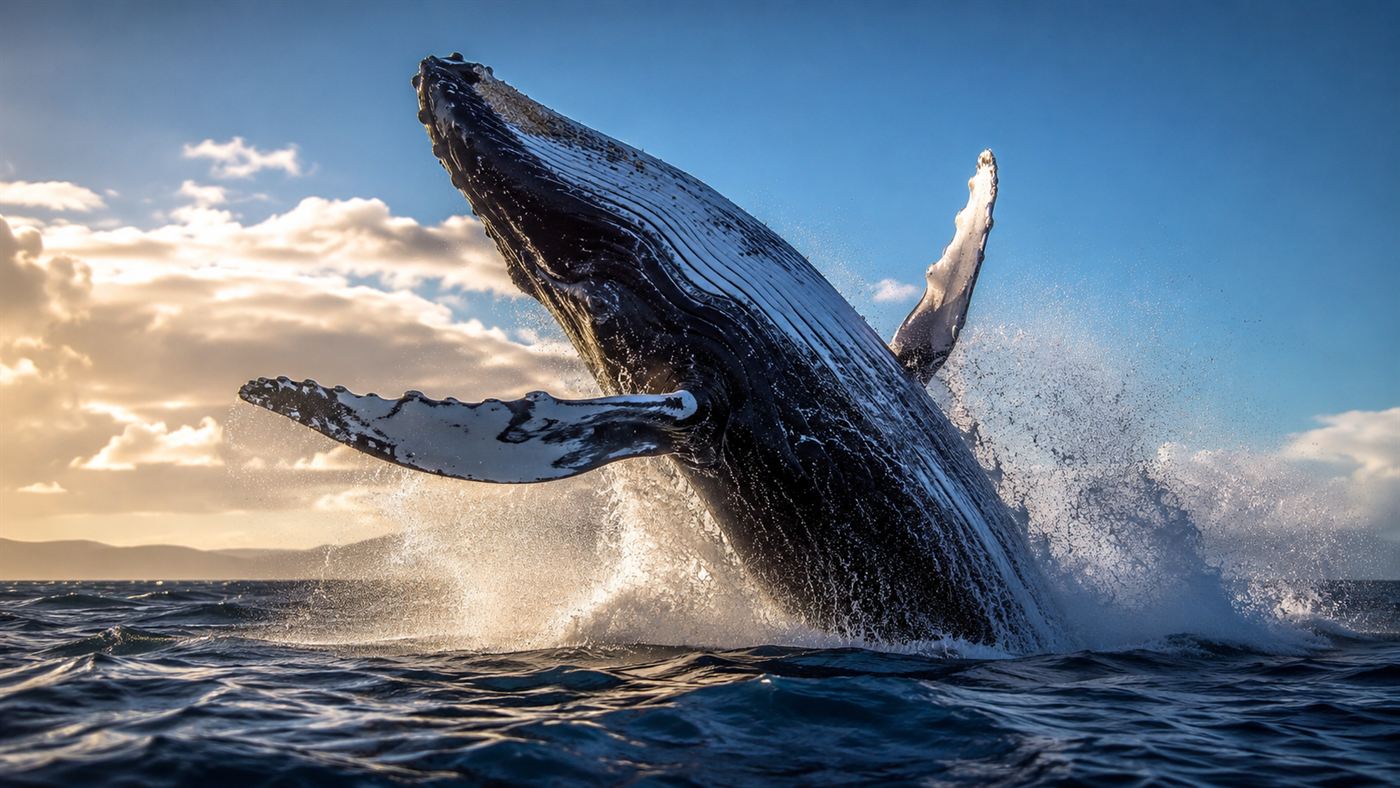
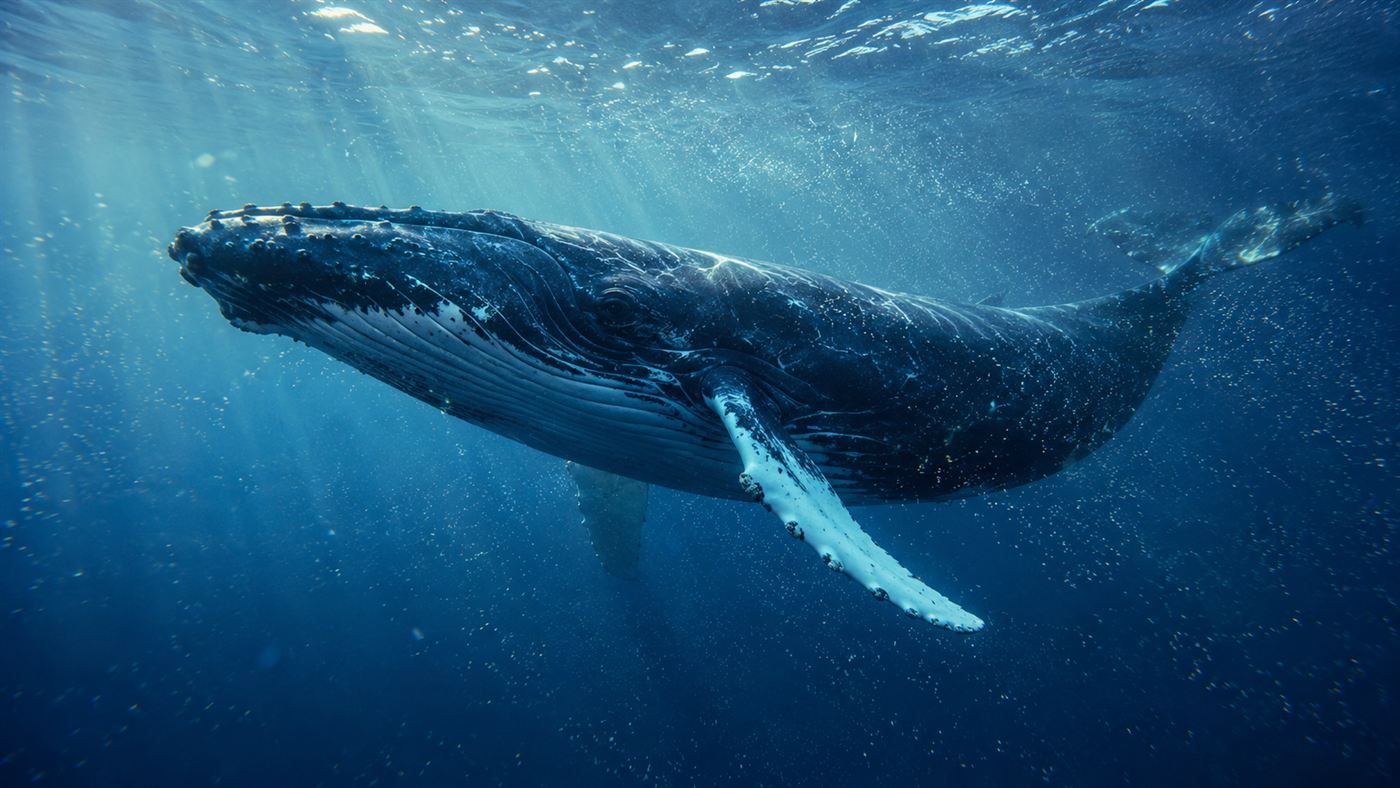
A humpback whale, one of the ocean's great travellers, now holds a record no one knew was there to break. Illustration: Watts & Wild.
The short version is this. In a study published in the journal Royal Society Open Science on May 19, 2026, researchers documented a humpback whale that was seen at a breeding ground off eastern Australia and, in a separate year, near Brazil. The straight-line distance between those sightings is at least 15,100 kilometres, the longest journey ever confirmed for an individual of the species.
To put that number in human terms, it is more than a third of the way around the planet, an ocean crossing on a scale that dwarfs even the famous migrations these animals are known for. And it was not one whale acting alone. The study found evidence of movement in both directions between the two distant populations, a genuine two-way link across the Atlantic and beyond.
The strangest part is not that a whale can travel this far. It is how anyone managed to prove it.
How you track a single humpback whale across the world
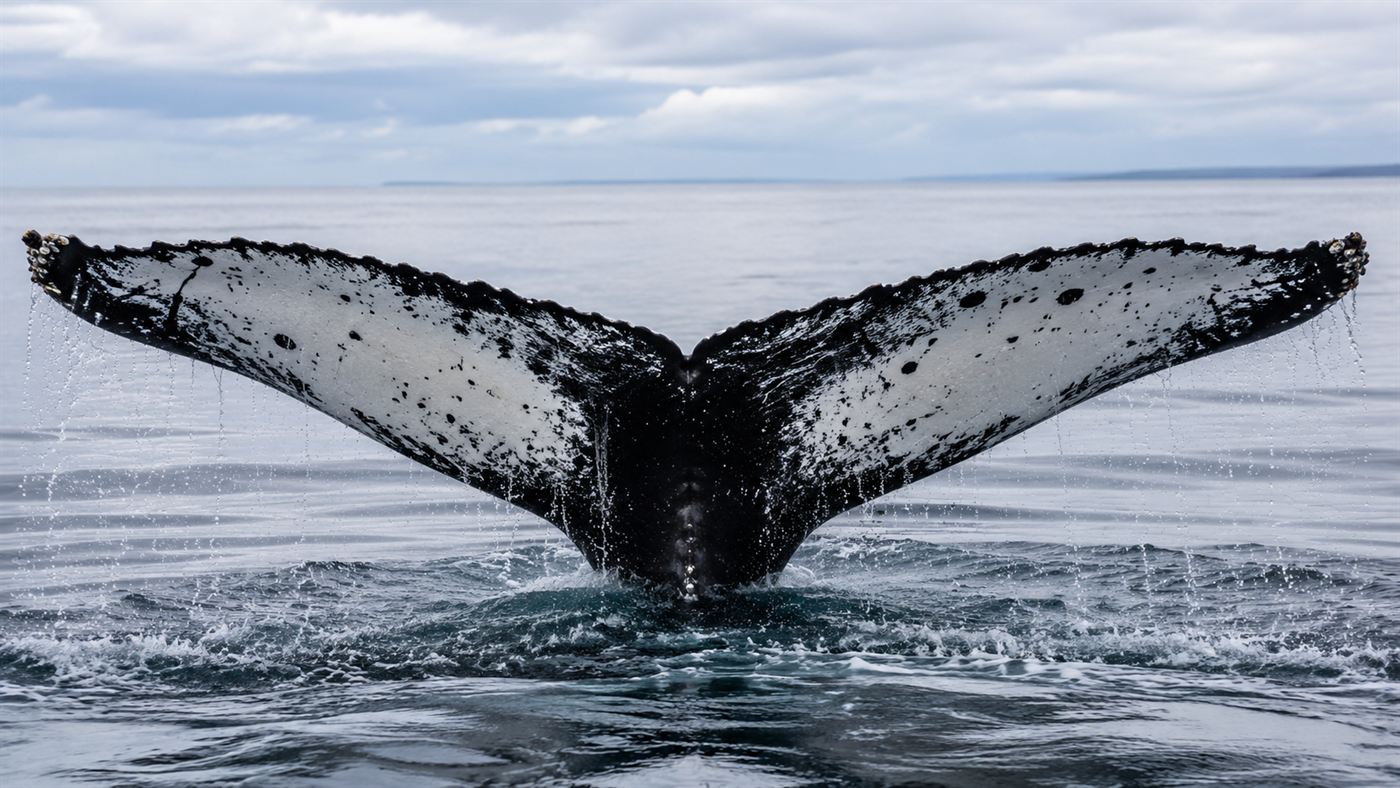
You cannot follow one animal across two oceans with your eyes. But every humpback carries its own identity card. The underside of its tail, the fluke it lifts as it dives, is patterned in a unique arrangement of black, white and scarring, as individual as a fingerprint. Photograph that tail and you have named the whale, wherever and whenever you see it again.
The team behind this record sifted through 19,283 high-quality fluke photographs gathered between 1984 and 2025, and the same animal turned up on two continents. Crucially, many of those images did not come from scientists at all. They were uploaded by ordinary whale watchers to a global platform called Happywhale, which means the record was cracked in part by an army of amateur photographers, unknowingly building the biggest whale album on Earth.
Why would a whale cross an entire ocean?
Humpbacks are already champions of long-distance travel, sweeping each year between cold, food-rich polar seas and warm tropical waters where they breed. That regular migration can run to thousands of kilometres. But swapping one hemisphere's breeding ground for another's, Australia for Brazil, is something else entirely, well beyond the usual pattern.
Nobody yet knows why this whale did it. It may have been searching for mates, following shifting food, or simply navigating by a map in its head that led it somewhere new. Whatever the reason, the discovery hints that the map we drew of these animals was too simple, and that distant populations once thought separate are quietly mixing across the open ocean.
What citizen science made possible
This is really two stories braided together. One is about a whale and its astonishing journey. The other is about how we found out, and that second story is just as remarkable. No research budget could pay for cameras on every coast for forty years. Millions of holidaymakers, snapping tails from the rails of boats, did it for free.
By pooling those photographs, platforms like Happywhale turn scattered moments of wonder into hard science, letting a picture taken off Queensland speak to one taken off Brazil years later. It is a reminder that we know it happened, not how or why, and that some of the biggest discoveries now come not from a single lab but from a crowd of ordinary people paying attention.
The honest catch
As striking as this is, it pays to be careful about what it means. This is a record built from a handful of matched individuals among tens of thousands of photos, not a busy highway of whales shuttling between Australia and Brazil. Rare, extraordinary journeys are exactly the kind of thing that makes headlines precisely because they are rare.
The 15,100 kilometre figure is also a straight line between two points on a map, not the path the whale actually swam, which was surely longer and more wandering. And we are left with a mystery rather than an explanation, since the reason for the trip is unknown. None of that dims the wonder. It just keeps it honest. A single animal, tracked by the kindness of strangers with cameras, has shown us that the ocean is more connected, and these whales more surprising, than we knew.
Sources: ScienceDaily on the study, and the whale photo-identification platform Happywhale.
One whale, two continents, and a trail of snapshots that pieced the journey together. Would knowing your holiday whale photo could crack a scientific record make you upload it, or is some wonder better left uncounted? Tell us what you think in the comments.
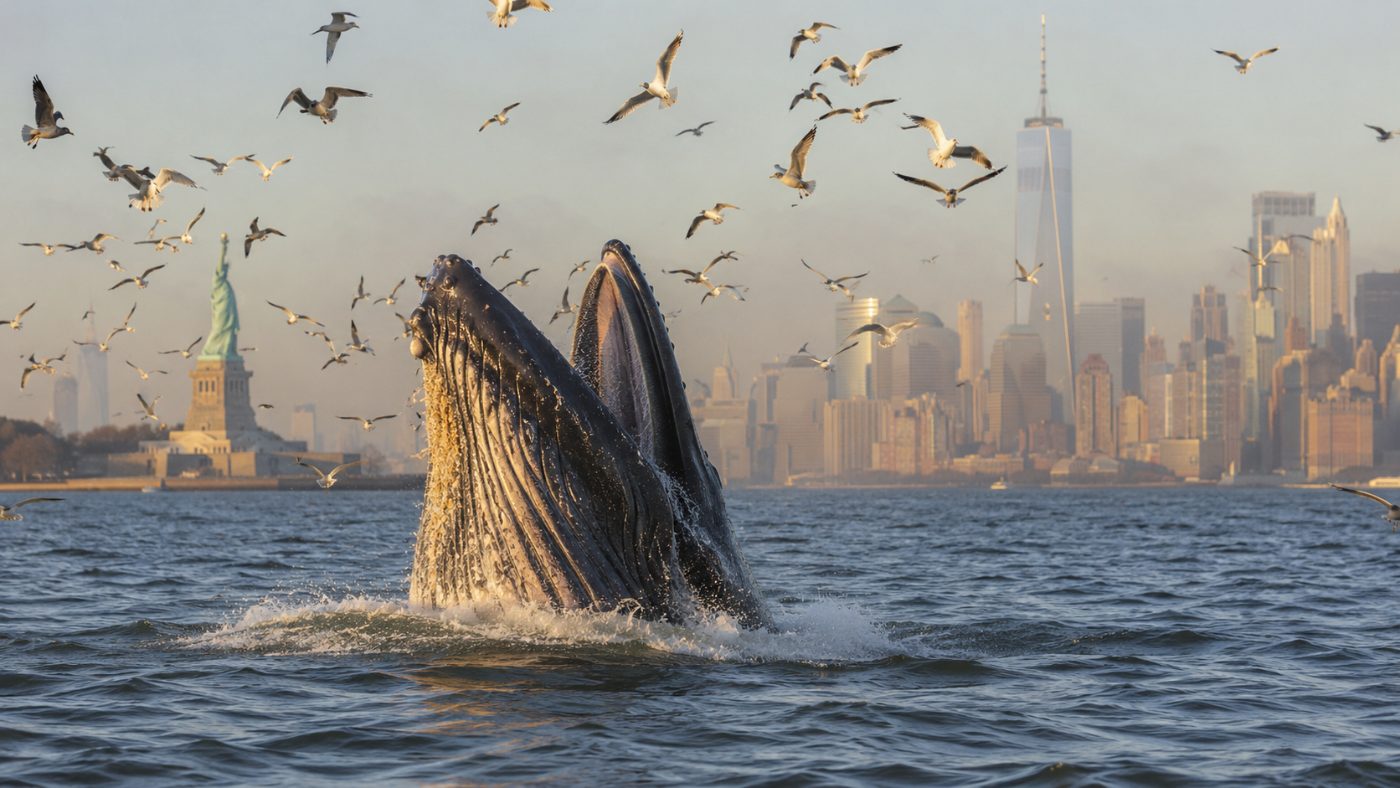
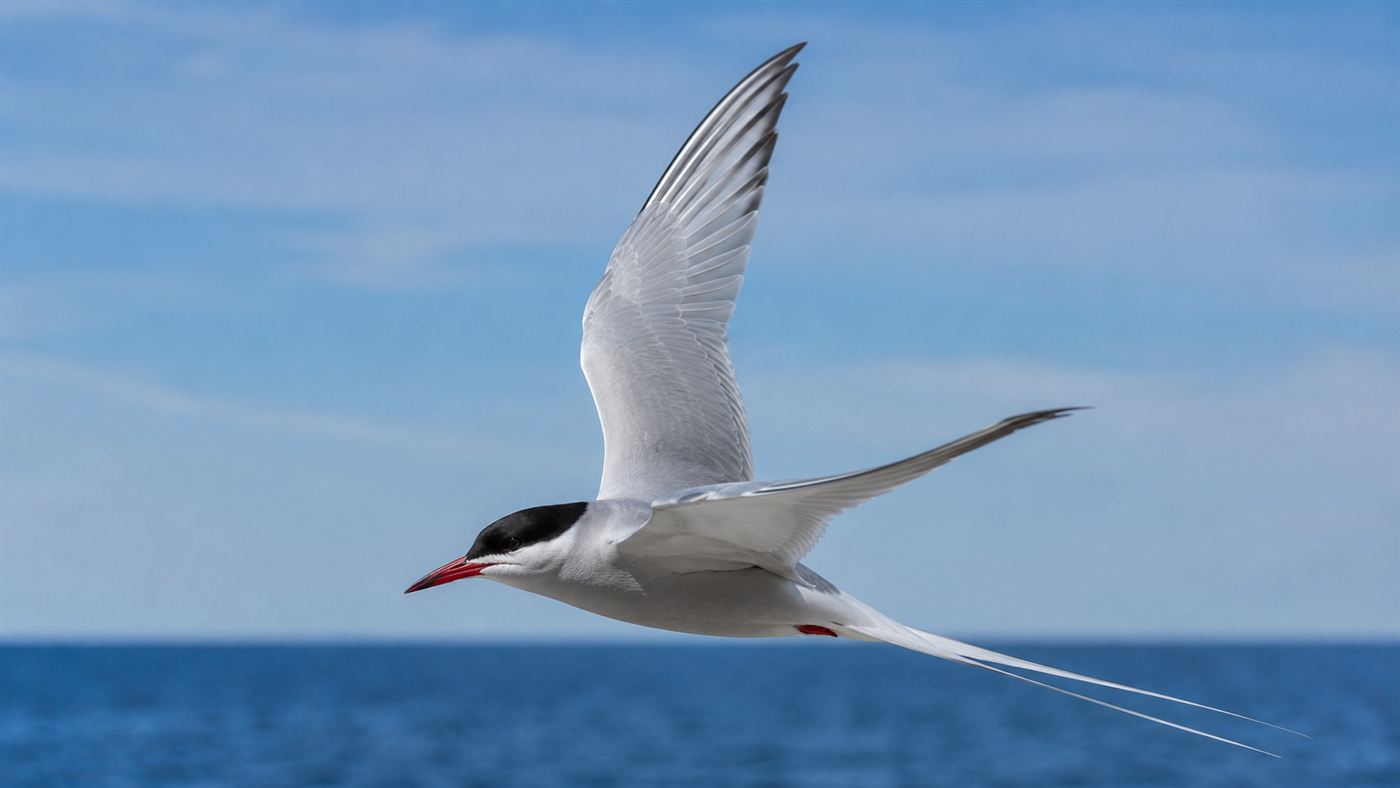
Related reading: how humpbacks came back to feed in the waters off New York City. See also the Arctic tern, which flies pole to pole every year, and the bar-tailed godwit, a bird that crosses the Pacific without landing.