Henrik Fisker drew the curves that made the Aston Martin DB9 a legend, then bet everything on electric cars and went bankrupt twice, the second time owing close to a billion dollars
Henrik Fisker is the rare designer whose cars stop traffic, the Dane behind the BMW Z8 and the shape of the Aston Martin DB9. So how did the man with the golden pen lose two electric car companies in just over a decade, the second one collapsing in the summer of 2024?
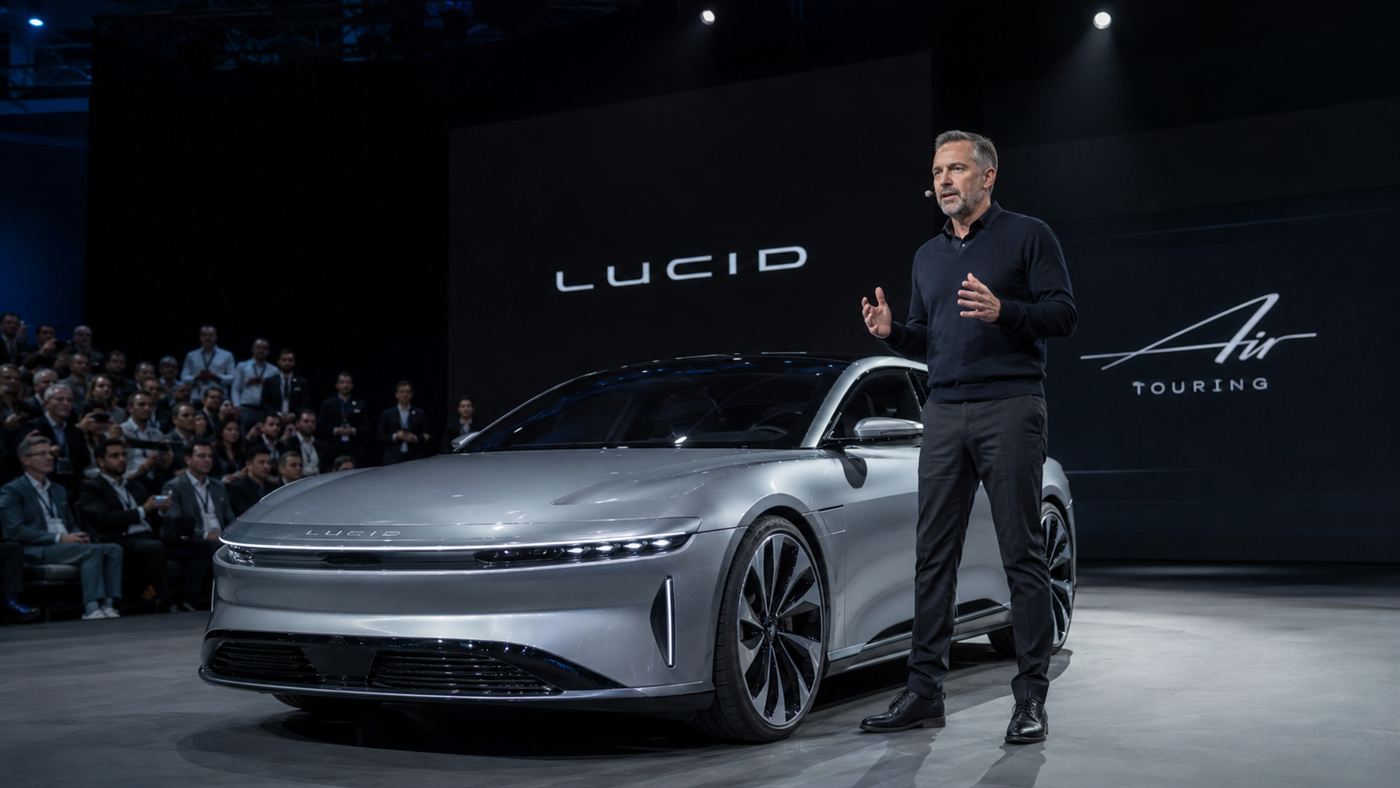
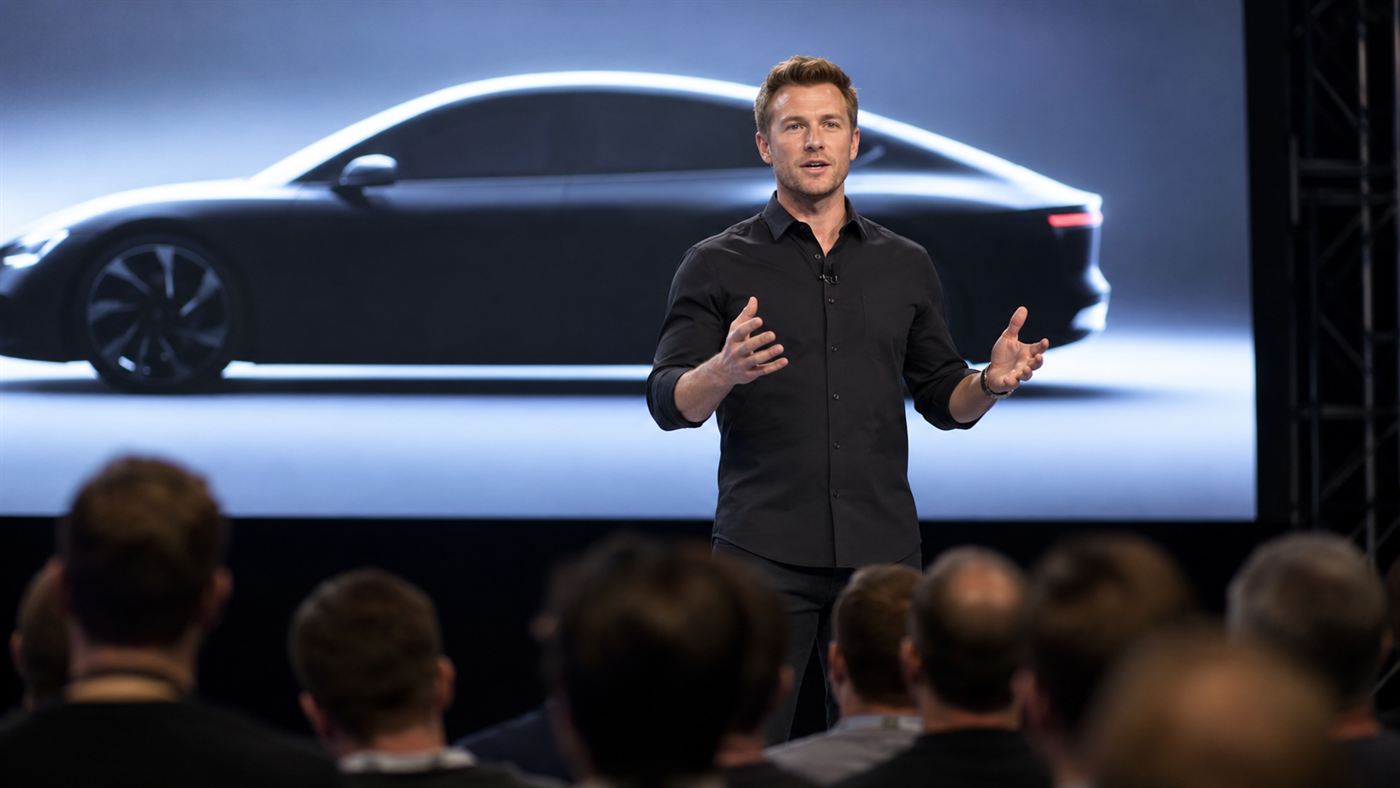
A designer's dream is easy to put on a stage. Keeping a car company alive is the hard part. Illustration: Watts & Wild.
Henrik Fisker has spent his whole career drawing cars that people fall in love with on sight. He shaped the BMW Z8 that James Bond drove, and as design director at Aston Martin his name became attached to the DB9 and the V8 Vantage, two of the most beautiful production cars of the 2000s. Then he walked away from styling other people's machines to build his own, and that is where the trouble started.
Twice he founded an electric car company carrying his own surname. Twice it ended in a bankruptcy court. The first time, in 2013, took down a gorgeous plug-in hybrid called the Karma. The second, in June 2024, when Fisker Inc filed for Chapter 11 as Kelley Blue Book reported, left thousands of owners stranded with an SUV nobody was left to fix.
Henrik Fisker is a Danish automotive designer known for the BMW Z8 and the look of the Aston Martin DB9. He launched two electric car companies under his name, Fisker Automotive and Fisker Inc, built the striking Fisker Karma and the Fisker Ocean, and saw both businesses go bankrupt, the second owing as much as a billion dollars.
The man with the golden pen
Before any of the drama, Fisker was simply one of the most admired pens in the business. Trained at the Art Center College of Design in Switzerland, he rose through BMW, where he is credited with the swooping Z8 roadster, before moving to Aston Martin as design director. There his work became linked with the Aston Martin DB9, the grand tourer that defined the brand for a generation, and the V8 Vantage that sat below it.
How much of those Astons is really his is a genuine fight. Ian Callum, the former Aston Martin design director who preceded him, has said the two cars were largely shaped under his own watch before Fisker arrived, a dispute worth keeping in mind whenever the Aston Martin DB9 shows up on a Fisker resume. What nobody disputes is the talent. When Fisker sketched a car, it looked expensive, fast, and slightly alive.
The first bet: the Fisker Karma
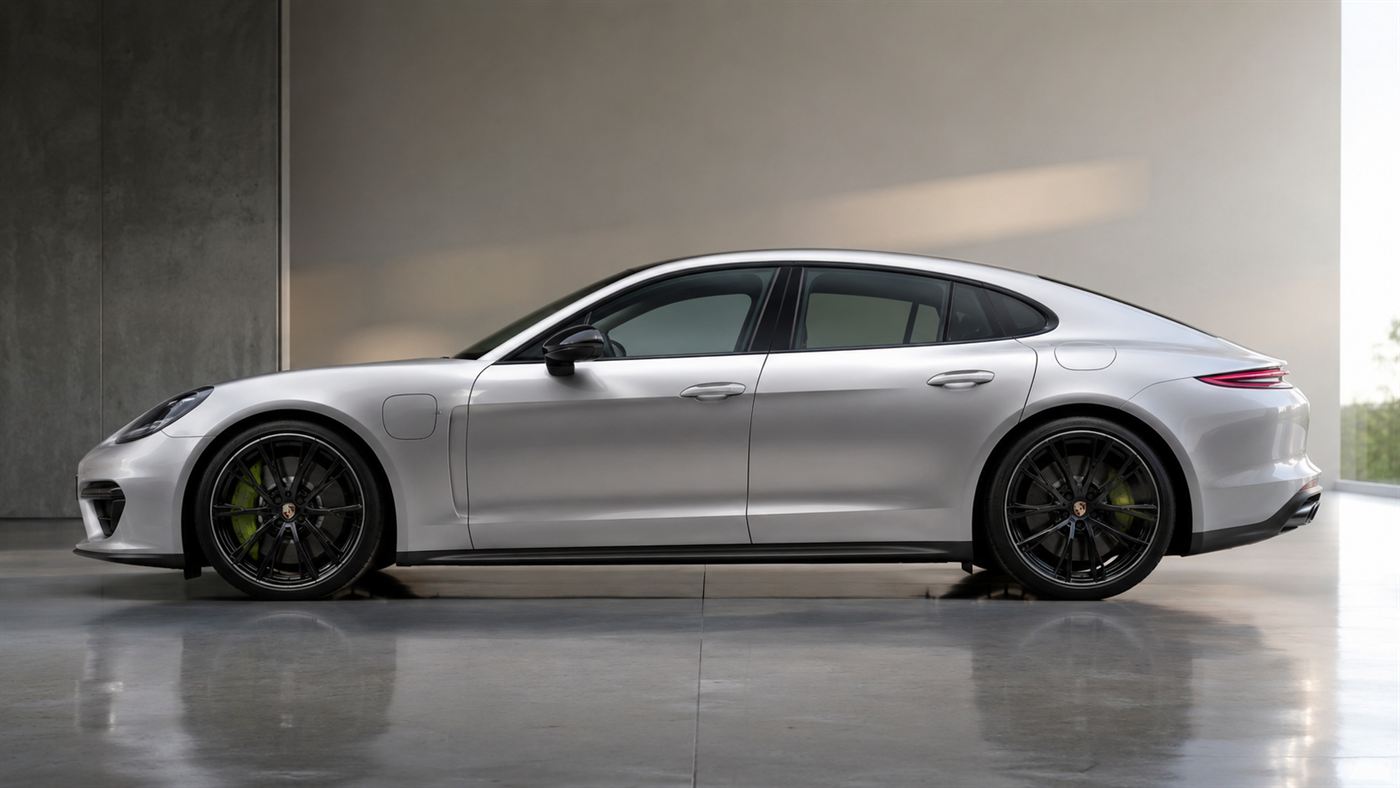
In 2007 he founded Fisker Automotive, an ambitious electric car startup, and set out to prove that a green car did not have to be dull. The result, revealed to the public and reaching customers around 2011, was the Fisker Karma, a long, low luxury sedan with a plunging roofline and a price near 100,000 dollars. It was not a pure electric. It was a plug-in hybrid, with a battery for quiet city miles and a gasoline engine to keep going, the same broad idea that made the Toyota Prius a household name, only wrapped in something far more seductive.
For a moment it worked as theater. Leonardo DiCaprio bought one, the Fisker Karma turned up on magazine covers, and here was an electric car startup that looked like it belonged next to Ferrari rather than in a science fair. The problem was that a beautiful shell is the easy part, and underneath the Karma the machinery was fragile.
A battery recall, a frozen loan, and a hurricane
The Karma's batteries came from a supplier called A123 Systems, and they became a running disaster. A123 recalled the packs in December 2011 and again in March 2012, then went bankrupt that August, choking off the supply that Fisker depended on. The company had also won roughly 529 million dollars in low-interest loans from the United States Department of Energy, the same program that backed Tesla, but the government froze the money after Fisker missed its targets, leaving the startup short of cash at the worst possible moment.
Then nature delivered a cruel punchline. When Hurricane Sandy swamped the New Jersey coast in October 2012, salt water flooded a shipment of cars sitting at Port Newark. As Jalopnik documented, 338 Karmas were destroyed and 16 of them caught fire, traced to corrosion in a flooded control unit rather than the battery itself. Henrik Fisker resigned in March 2013, the company filed for bankruptcy later that year, and its remains were bought at auction by the Chinese parts giant Wanxiang for about 149 million dollars, reborn as Karma Automotive. It was the kind of collapse that ends most careers.
Who is Henrik Fisker, and why try again?
Most founders who lose a car company do not get a second chance. Henrik Fisker did, because the thing he is best at, making people want a car they have only seen in a photo, never stopped working. In 2016 he co-founded a new firm, Fisker Inc, this time with his wife Geeta Gupta-Fisker as chief financial and operating officer, and pointed it at the mass market instead of the millionaires.
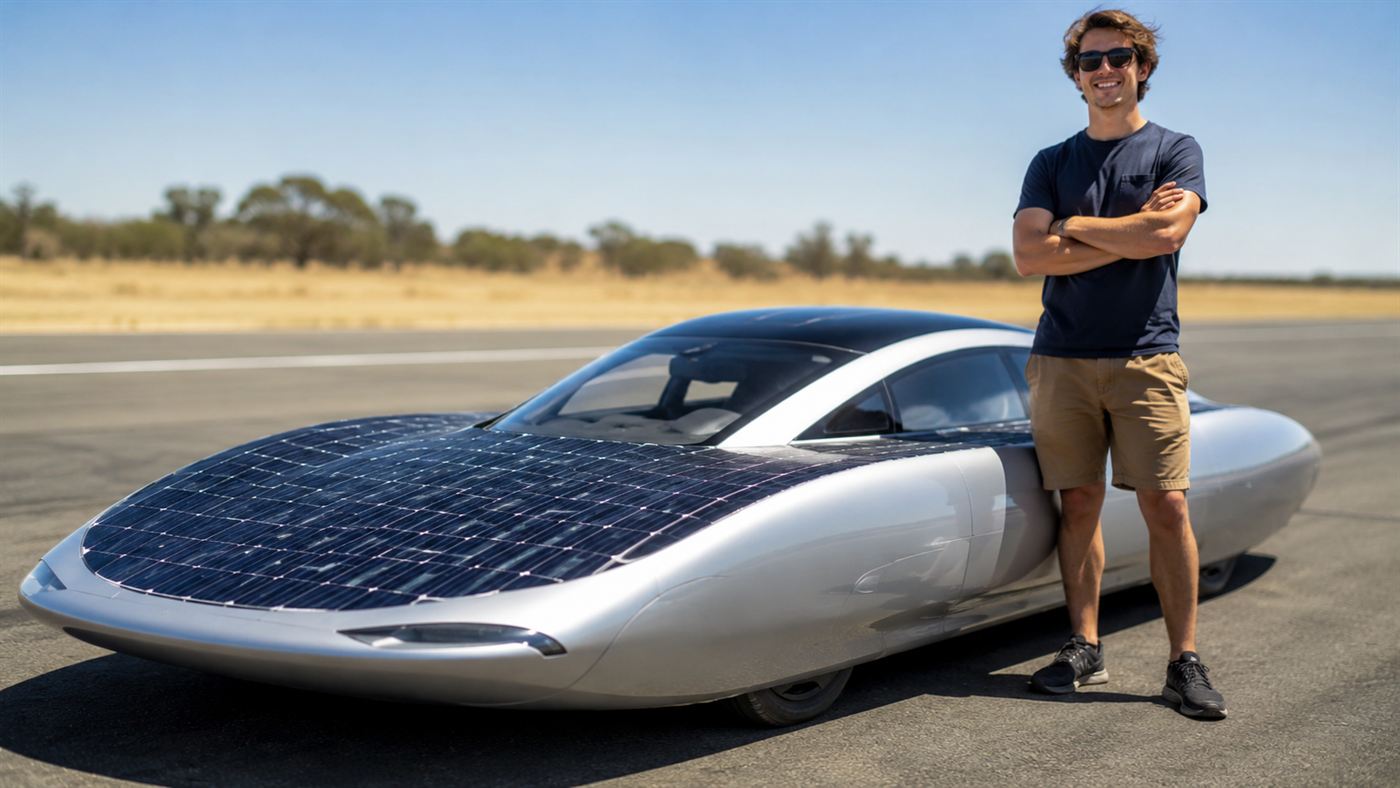
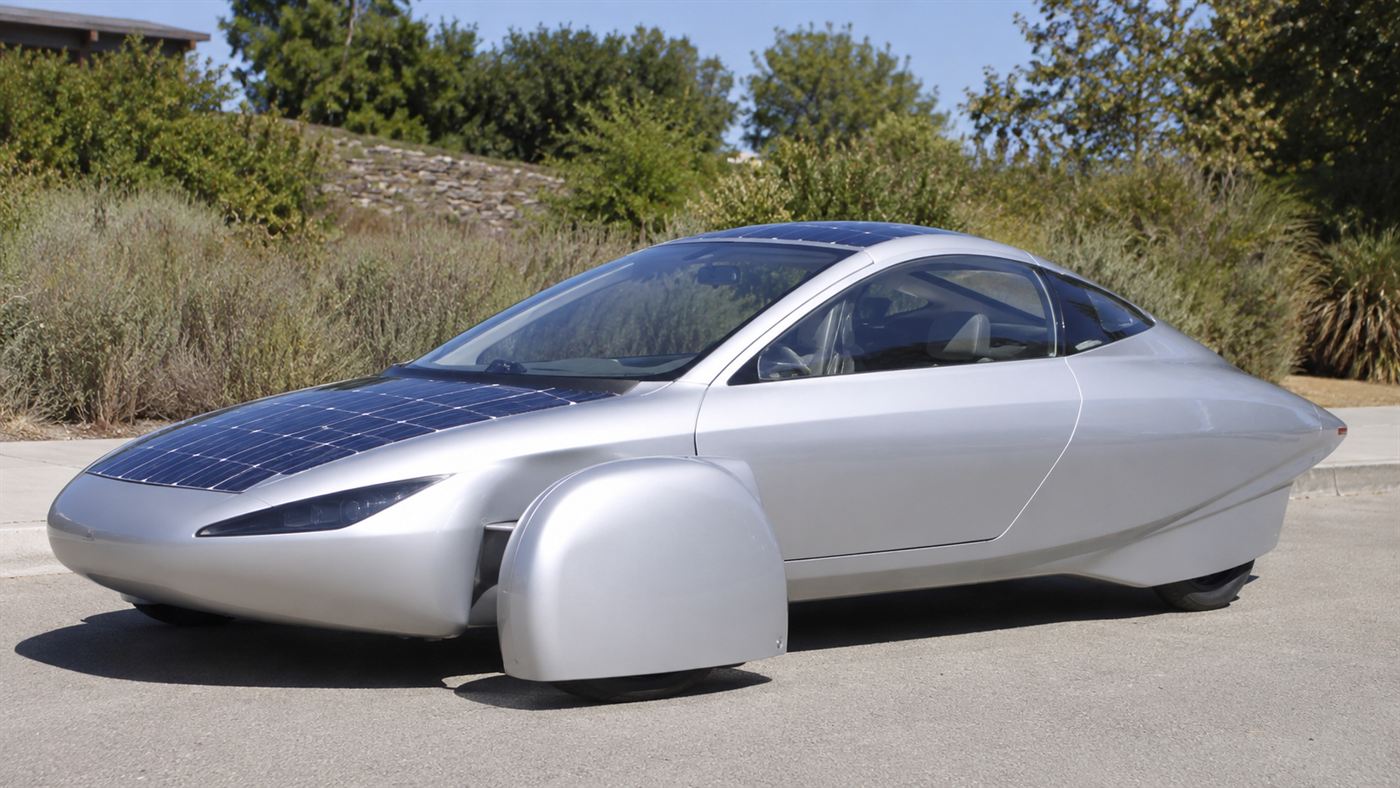
The pitch was clever. Rather than build a factory, the new electric car startup would design the car and let an experienced contractor assemble it, a lean model meant to dodge the cash bonfire that had burned the Karma. It is a strategy other founders keep reaching for, from the rise and fall of the Dutch solar car maker Lightyear to the slow grind at three-wheeled Aptera, and it is far harder than it sounds.
The second bet: the Fisker Ocean
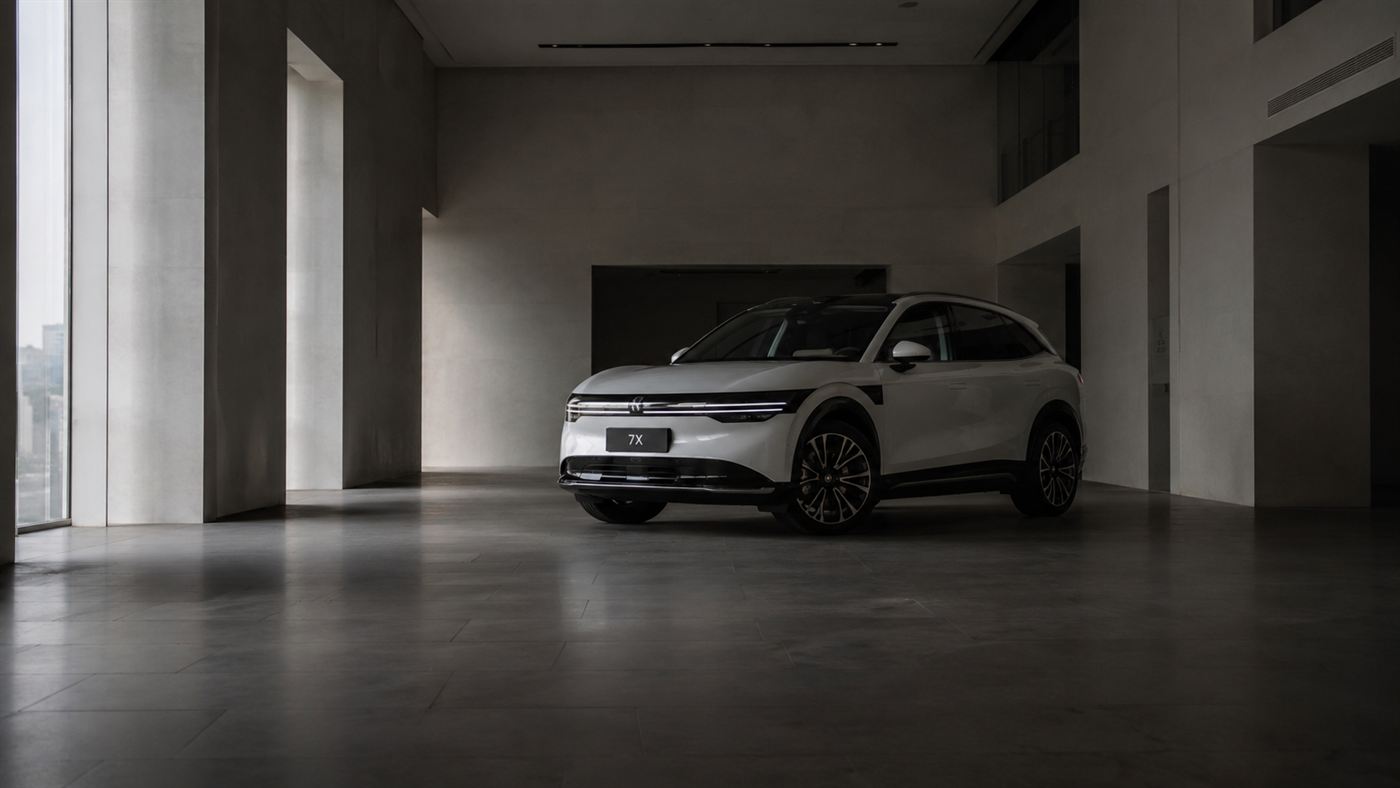
The new car was the Fisker Ocean, an electric SUV built by Magna Steyr in Austria, with a solar roof, a vegan interior, and a screen that rotated from portrait to landscape. On paper it was sharp, well priced, and exactly the kind of car a crowded market might reward. Deliveries began in 2023, and that is when the dream began leaking.
The Fisker Ocean shipped before its software was finished, and the recalls piled up fast. Across the 2023 and 2024 model years it drew six federal recalls and hundreds of complaints to United States safety regulators, for faults including warning lights that lied, doors that could trap people, and, most alarming, sudden losses of drive power and a tendency to roll away when parked. As InsideEVs reported, the company ended up recalling every car it had sold in the country even as it slid toward collapse.
What went wrong with the Fisker Ocean?
The short answer is that the lean plan turned brittle. Designing the car and outsourcing the build saved factory costs but left Fisker dependent on partners for the very software and control units that kept failing, and a startup cannot easily fix a bug it did not write. Sales never reached the volume the model needed, the cash ran low, and a rescue deal reported to involve Nissan fell apart in early 2024.
On June 17, 2024, Fisker Inc filed for Chapter 11 bankruptcy in Delaware, listing liabilities between 100 and 500 million dollars and assets of up to a billion. Owners were left holding an orphaned SUV with no maker behind the warranty, the second time in eleven years that a car wearing the Fisker name had stopped mid-stride. This is the recurring nightmare of any electric car startup, and Fisker had now lived it twice.
The honest catch
It is tempting to read this as one man's hubris, but that is too neat. Plenty of what sank the Karma was bad luck nobody could script, an A123 bankruptcy, a frozen federal loan, a freak hurricane that torched cars on a dock. Building an electric car startup from scratch is one of the hardest things in business, which is why even Tesla nearly died several times and why most rivals, from the billion-dollar swap network Better Place to a graveyard of others, simply vanished.
Still, the pattern is hard to ignore. Both companies promised more than the engineering could deliver on time, leaned on a dazzling reveal, and shipped cars before the unglamorous work was done. The credit for the Aston Martin DB9 is contested, the genius for shape is not, and shape was never the thing that was missing. Henrik Fisker can make you want a car in a single glance. Making one that survives contact with reality, twice over, turned out to be a different art entirely. Compare that with a garage tinkerer like Mate Rimac, who built his electric empire engine-first, and the lesson sharpens.
Two beautiful cars, two bankruptcies, and a designer who keeps insisting the next one will be different. Would you ever buy a car from a brand-new maker knowing it might not be around to fix it, or does a great design earn that risk? Tell us in the comments.
Related reading: A team of student engineers built the world's first production solar car, then watched their company collapse weeks after the first deliveries.